Introduction
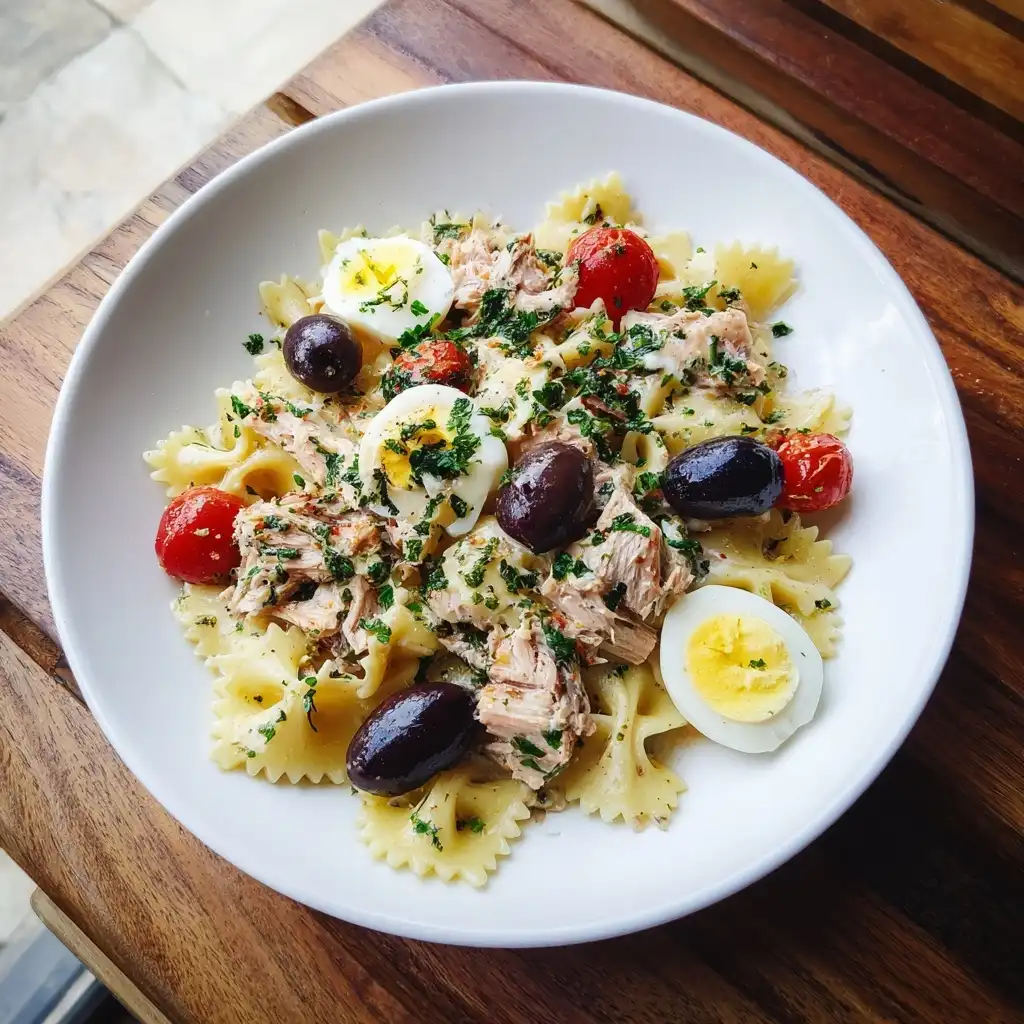
Mediterranean Tuna Pasta is a vibrant, nutrient-dense, and time-efficient dish that captures the sun-drenched essence of coastal Southern Europe—think breezy Greek islands, sun-ripened tomatoes from Sicily, briny Kalamata olives from the Peloponnese, and aromatic herbs grown on sun-baked hillsides. More than just a quick weeknight dinner, it’s a celebration of simplicity, seasonality, and culinary harmony—where pantry staples meet fresh produce to deliver bold flavor without compromising on health or authenticity. This recipe honors traditional Mediterranean cooking principles—centered on whole foods, plant-forward ingredients, heart-healthy fats, lean protein, and minimal processing—while remaining deeply adaptable for modern kitchens, dietary preferences, and busy lifestyles. Whether you’re meal prepping for the week, hosting a relaxed al fresco lunch, or seeking a satisfying yet light supper after a long day, this dish delivers freshness, depth, and soul-soothing satisfaction in every forkful.
The History
The roots of Mediterranean Tuna Pasta lie not in a single origin story, but in a rich tapestry of regional traditions across the Mediterranean Basin—where tuna has been revered for millennia as both sustenance and symbol. Ancient Greeks and Romans prized fresh and preserved tuna (especially tonno in Italy and thunnos in Greece), salting and fermenting it into garum, a foundational umami condiment. By the Middle Ages, tuna fishing flourished along the coasts of Spain, France, Italy, and North Africa—giving rise to iconic preparations like Spanish mojama (cured tuna loin) and Italian tonno sott’olio (tuna preserved in olive oil). Pasta entered Southern Italy via Arab traders in the 9th century, eventually merging with local seafood traditions—particularly in Campania and Sicily—where fishermen combined dried pasta with anchovies, capers, tomatoes, and canned tuna during leaner seasons. The 20th-century rise of high-quality, sustainably sourced canned tuna—especially ventresca (belly cut) and line-caught skipjack or albacore packed in olive oil—elevated this humble combination into a globally beloved staple. Today’s Mediterranean Tuna Pasta reflects both historical ingenuity and contemporary wellness values: a living evolution of centuries-old foodways, reimagined with modern nutritional science, global ingredient access, and an ever-deepening respect for sustainable fisheries and regenerative agriculture.
Ingredients Breakdown
Every component in this recipe plays a deliberate role—not only in building layered flavor and texture, but also in delivering synergistic nutritional benefits aligned with the evidence-based Mediterranean Diet Pyramid:
- Pasta: Opt for whole-grain, legume-based (lentil, chickpea, or black bean), or fiber-rich bronze-die extruded durum wheat pasta. These varieties offer higher resistant starch, B vitamins, magnesium, and polyphenols than refined semolina—supporting gut microbiota diversity and postprandial glucose stability.
- Canned Tuna: Choose sustainably caught, MSC-certified skipjack or yellowfin tuna packed in extra-virgin olive oil—not water or soybean oil. Olive oil–packed tuna retains more omega-3 fatty acids (EPA/DHA), fat-soluble antioxidants (like vitamin E and polyphenols), and imparts richer mouthfeel and aroma. Look for low-sodium (<200 mg per serving) and BPA-free linings.
- Cherry Tomatoes: Bursting with lycopene (enhanced by gentle heating), vitamin C, potassium, and quercetin—these tiny jewels add sweetness, acidity, and antioxidant synergy. Heirloom varieties (Sun Gold, Black Cherry) offer elevated phytonutrient profiles.
- Kalamata Olives: A signature Greek ingredient rich in monounsaturated fats, oleuropein (a potent anti-inflammatory polyphenol), iron, and calcium. Their briny, fruity complexity balances tuna’s umami depth and cuts through richness.
- Red Onion: Thinly sliced or quick-pickled, red onion contributes allicin (when raw/crushed), quercetin, and prebiotic fructooligosaccharides (FOS) that feed beneficial gut bacteria.
- Fresh Herbs: Flat-leaf parsley (vitamin K, apigenin), basil (eugenol, linalool), and optional oregano (carvacrol, thymol) provide volatile oils with antimicrobial, neuroprotective, and digestive-supportive properties.
- Extra-Virgin Olive Oil (EVOO): The liquid gold of the Mediterranean—cold-pressed, early-harvest EVOO contains over 30 phenolic compounds, including oleocanthal (a natural COX inhibitor), hydroxytyrosol (one of nature’s most powerful antioxidants), and squalene. Used both for sautéing and finishing, it boosts bioavailability of fat-soluble nutrients (e.g., lycopene from tomatoes).
- Lemon Juice & Zest: Bright acidity enhances mineral absorption (especially non-heme iron from olives and greens), stimulates digestion, and adds volatile citrus limonene—shown to support liver detoxification pathways.
- Garlic & Red Pepper Flakes: Garlic’s allicin (activated upon crushing and resting) offers cardiovascular protection and immune modulation; chili flakes provide capsaicin, which increases thermogenesis and may improve endothelial function.
- Optional Add-Ins: Artichoke hearts (prebiotic inulin), capers (quercetin and rutin), feta cheese (calcium, CLA, microbial diversity), baby spinach or arugula (nitrates, folate, glucosinolates), white beans (fiber + plant protein), or toasted pine nuts (vitamin E, magnesium).
Step-by-Step Recipe
- Prep & Parboil Aromatics (5 min): Finely mince 2 cloves garlic. Thinly slice ½ medium red onion. Roughly chop ½ cup pitted Kalamata olives. Halve 1 cup cherry tomatoes. Juice 1 lemon (about 3 tbsp); finely zest ½ lemon. Chop ¼ cup fresh flat-leaf parsley and 2 tbsp fresh basil.
- Cook Pasta to Al Dente (10–12 min): Bring 4–5 quarts salted water (2 tsp sea salt) to a rolling boil. Add 12 oz (340 g) whole-grain or legume-based pasta. Stir immediately and cook 1–2 minutes less than package instructions. Reserve 1 cup starchy cooking water before draining.
- Sauté Base & Bloom Flavors (4 min): While pasta cooks, heat 3 tbsp high-quality extra-virgin olive oil in a wide, deep skillet or Dutch oven over medium-low heat. Add minced garlic and a pinch of red pepper flakes. Sauté gently for 60–90 seconds until fragrant—but do not brown. Stir in sliced red onion and cook 2–3 minutes until softened and translucent.
- Build Umami Layer (2 min): Add halved cherry tomatoes and a pinch of flaky sea salt. Cook, stirring occasionally, until tomatoes begin to blister and release juices (~90 seconds). Deglaze with 2 tbsp reserved pasta water, scraping up any fond.
- Incorporate Tuna & Warm Gently (3 min): Drain 2 (5-oz) cans of olive oil–packed tuna (preferably line-caught skipjack), gently flaking into large pieces. Add to skillet with tomato-onion mixture. Use a spatula to fold tuna in—avoid overmixing to preserve tender texture. Warm over low heat for 2 minutes—do not boil or simmer vigorously, which can dry out tuna.
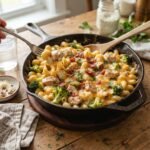
- Combine & Emulsify (3 min): Add drained pasta to skillet. Pour in remaining reserved pasta water (¼–½ cup, depending on desired sauciness). Add lemon juice, lemon zest, chopped parsley, and basil. Fold gently with tongs for 1–2 minutes until sauce coats noodles evenly and emulsifies into a glossy, cohesive dressing. Adjust consistency with additional pasta water if needed.
- Finish & Rest (2 min): Remove from heat. Stir in olives, a final drizzle of 1 tbsp raw EVOO, and freshly cracked black pepper. Let rest, covered, for 2 minutes—this allows flavors to marry and starches to fully hydrate, yielding silkier texture.
- Serve Thoughtfully: Plate warm or at room temperature. Garnish with extra herbs, lemon wedges, crumbled feta (if using), and a sprinkle of toasted pine nuts or slivered almonds. Serve alongside a simple arugula salad dressed with lemon-EVOO vinaigrette and shaved Parmigiano-Reggiano.
Tips
- Pasta Perfection: Always salt boiling water generously—like seawater. Undercook pasta slightly, as it continues absorbing liquid off-heat. For cold-serving (e.g., pasta salad), rinse briefly under cool water to halt cooking and prevent clumping—then toss immediately with 1 tsp EVOO.
- Tuna Tenderizing: Gently flake tuna with a fork *just before* adding to pan—never mash or over-stir. If using water-packed tuna, pat thoroughly dry and “replenish” with 1 tbsp EVOO before folding in.
- Acid Timing: Add lemon juice *after* removing from heat to preserve its bright, volatile top notes. Lemon zest should go in during final emulsification—its essential oils bloom best at lower temperatures.
- Olive Oil Strategy: Use mid-range EVOO for cooking (higher smoke point, robust flavor), then finish with premium, grassy, peppery EVOO for maximum polyphenol impact and aromatic lift.
- Texture Contrast: Elevate mouthfeel with intentional crunch—add toasted breadcrumbs (panko + EVOO + oregano), crushed pistachios, or crispy roasted chickpeas.
- Make-Ahead Magic: This dish shines when prepared 2–4 hours ahead—flavors deepen as herbs infuse and starches relax. Store covered at cool room temperature (under 72°F/22°C) or refrigerate. Revive chilled pasta with a splash of warm broth or EVOO and gentle tossing.
- Leftover Reinvention: Transform leftovers into tuna-stuffed grape leaves, Mediterranean tuna frittata, grain bowl base (over farro or freekeh), or savory tuna tartine topped with pickled onions and microgreens.
- Wine Pairing Wisdom: Complement with a crisp, mineral-driven white: Assyrtiko (Santorini), Vermentino (Sardinia), or Picpoul de Pinet (Southern France). For red lovers, opt for a light, low-tannin option like Frappato (Sicily) or young Grenache (Provence).
Variations and Customizations
This recipe is inherently modular—designed to flex with seasonal availability, pantry inventory, cultural inspiration, and dietary needs. Below are thoughtfully curated adaptations grounded in authenticity and nutrition science:
- Vegan Mediterranean “Tuna” Pasta: Replace tuna with marinated hearts of palm (shredded + tossed with nori flakes, lemon, capers, and kelp powder for oceanic umami), mashed white beans + dulse, or smoked tofu cubes. Boost omega-3s with ground flax or chia seeds.
- Gluten-Free Adaptation: Use certified GF pasta (brown rice-lentil blend, quinoa-corn, or chickpea), and verify all canned goods and condiments are GF-certified (some olives contain gluten-containing vinegar or fillers).
- Keto/Low-Carb Version: Substitute pasta with spiralized zucchini (“zoodles”), blanched shirataki noodles, or konjac rice. Increase healthy fats—add avocado slices, extra olives, and double the EVOO. Reduce tomatoes slightly due to natural sugars.
- Protein-Powered Upgrade: Add ½ cup rinsed white beans (cannellini or Great Northern), ¼ cup crumbled feta or goat cheese, or 2 oz grilled shrimp or scallops for enhanced satiety and muscle-supportive leucine.
- Winter Mediterranean Twist: Swap cherry tomatoes for roasted diced eggplant, caramelized fennel, and preserved lemon. Add toasted walnuts and wilted Swiss chard or kale.
- North African Infusion: Stir in harissa paste (½–1 tsp), toasted cumin and coriander seeds, preserved lemon peel, and chopped mint instead of basil. Top with yogurt-tahini drizzle.
- Greek-Inspired Bowl: Serve over a bed of lemon-dressed romaine, add cucumber ribbons, red onion, crumbled feta, and a dollop of tzatziki. Finish with dried oregano and sumac.
- Italian Mare e Monti (Sea & Mountain):strong> Fold in sautéed wild mushrooms (porcini, oyster), baby spinach, and a grating of aged Pecorino Romano. Finish with a splash of dry white wine reduction.
- Meal-Prep Friendly Batch: Double the recipe and portion into 5 individual glass containers (with tight-fitting lids). Keep herbs, lemon zest, and finishing EVOO separate; add just before eating to maintain vibrancy.
Health Considerations and Nutritional Value
A single 1.5-cup serving (made with whole-grain pasta, olive oil–packed tuna, and full produce complement) delivers an exceptional macro- and micronutrient profile aligned with longevity-promoting dietary patterns:
- Cardiovascular Support: Rich in omega-3 EPA/DHA (250–400 mg/serving), monounsaturated fats (oleic acid), polyphenols (oleocanthal, hydroxytyrosol), potassium (tomatoes, olives), and nitrates (arugula/spinach additions)—all clinically shown to reduce LDL oxidation, improve endothelial function, lower blood pressure, and stabilize heart rhythm.
- Anti-Inflammatory Powerhouse: Contains >20 distinct phytochemicals—including lycopene, quercetin, apigenin, capsaicin, oleuropein, and resveratrol analogs—that modulate NF-kB, COX-2, and NLRP3 inflammasome pathways. The synergy between EVOO phenolics and tomato carotenoids enhances systemic anti-inflammatory response beyond isolated nutrients.
- Gut Microbiome Nourishment: Provides diverse prebiotics (onion FOS, tomato pectin, whole-grain arabinoxylans) and polyphenol metabolites that selectively promote growth of Bifidobacterium, Lactobacillus, and butyrate-producing Faecalibacterium prausnitzii. Extra-virgin olive oil also supports intestinal barrier integrity via tight junction protein expression.
- Metabolic Resilience: Low glycemic load (especially with high-fiber pasta), balanced protein (22–28 g/serving), and healthy fats promote sustained satiety, insulin sensitivity, and mitochondrial biogenesis. Vitamin D (from tuna) and magnesium (whole grains, olives, greens) further support glucose metabolism.
- Neuroprotective Potential: Omega-3s, vitamin E (EVOO), folate (spinach, lentil pasta), and polyphenols cross the blood-brain barrier to reduce oxidative stress in hippocampal neurons, inhibit amyloid-beta aggregation, and support BDNF production—key factors in cognitive preservation.
- Considerations & Mitigations: Mercury exposure risk is minimal with skipjack tuna (average 0.12 ppm), especially when consumed ≤3x/week. Opt for smaller, younger species and avoid albacore unless labeled “low-mercury” or “chunk light.” For sodium-sensitive individuals, rinse olives, choose low-sodium tuna, and limit added salt—relying on lemon, herbs, and umami-rich ingredients for flavor. Those with histamine intolerance may benefit from using fresh (not fermented) olives, omitting aged cheeses, and consuming within 24 hours of preparation.
Ingredients
- 12 oz (340 g) high-fiber pasta — whole-grain durum, lentil, chickpea, or brown rice blend
- 2 (5-oz / 142 g) cans sustainable line-caught skipjack tuna, packed in extra-virgin olive oil, drained (reserve oil)
- 1 cup (150 g) mixed cherry or grape tomatoes, halved
- ½ medium red onion, very thinly sliced
- ½ cup (75 g) pitted Kalamata olives, roughly chopped
- 3 tbsp + 1 tsp high-quality extra-virgin olive oil, divided
- 2 cloves garlic, finely minced
- ¼ tsp red pepper flakes (adjust to taste)
- Zest and juice of 1 medium lemon (approx. 1 tsp zest, 3 tbsp juice)
- ¼ cup (15 g) fresh flat-leaf parsley, finely chopped
- 2 tbsp (5 g) fresh basil leaves, chiffonade
- ½ tsp flaky sea salt (plus more to taste)
- Freshly ground black pepper
- Optional garnishes: crumbled feta or ricotta salata, toasted pine nuts or slivered almonds, lemon wedges, extra herbs
Directions
- Bring a large pot of water to a rolling boil. Add 2 tsp sea salt. Add pasta and cook, stirring occasionally, until 1–2 minutes shy of al dente (check package timing). Reserve 1 cup starchy pasta water, then drain pasta well in a colander—do not rinse unless preparing cold pasta salad.
- While pasta cooks, heat 3 tbsp extra-virgin olive oil in a large, heavy-bottomed skillet or Dutch oven over medium-low heat. Add minced garlic and red pepper flakes; stir constantly for 60–90 seconds until fragrant and golden—do not let garlic brown.
- Add sliced red onion and cook 2–3 minutes, stirring occasionally, until softened and translucent. Add halved tomatoes and a pinch of salt; cook 1–1.5 minutes until tomatoes begin to blister and release juices. Deglaze with 2 tbsp reserved pasta water, scraping up any browned bits.
- Gently flake drained tuna with a fork into large, delicate pieces. Add to skillet and fold in with a silicone spatula. Reduce heat to low and warm gently for 2 minutes—do not simmer or boil.
- Add drained pasta to skillet. Pour in ¼–½ cup reserved pasta water (start with less; add more as needed). Add lemon juice, lemon zest, parsley, basil, and remaining 1 tsp olive oil. Toss gently with tongs for 1–2 minutes until sauce thickens slightly and coats each noodle evenly. Add more pasta water if too dry; cook 30 seconds longer if too wet.
- Remove from heat. Stir in chopped Kalamata olives, freshly cracked black pepper, and an extra drizzle of raw EVOO. Cover and let rest 2 minutes.
- Taste and adjust seasoning—add flaky salt if needed, more lemon for brightness, or red pepper for heat. Serve immediately, garnished as desired.
FAQ
- Can I use water-packed tuna?
- Yes—but it will yield a drier, less luxurious result. Pat tuna extremely dry, then gently fold in 1 tbsp of high-quality EVOO before adding to the skillet to restore moisture and fat-soluble nutrients.
- Is canned tuna healthy despite mercury concerns?
- When chosen wisely, yes. Skipjack and light tuna have among the lowest mercury levels (0.12 ppm average). The FDA and EPA recommend up to 2–3 servings (4 oz each) per week for adults. Avoid albacore (“white”) tuna more than once weekly, and never feed to children under 6 years.
- Can I make this ahead and reheat?
- Absolutely—and it often tastes better after 2–4 hours! Store covered at cool room temperature (ideal) or refrigerate up to 3 days. To reheat: add a splash of broth, water, or EVOO and warm gently in a skillet over low heat, stirring frequently. Avoid microwaving uncovered—it dries out tuna.
- What pasta shape works best?
- Short, textured shapes hold sauce best: fusilli, casarecce, orecchiette, or campanelle. Long pasta like spaghetti or linguine works beautifully too—just ensure thorough coating during emulsification.
- Why shouldn’t I boil the tuna?
- Boiling denatures delicate proteins, squeezing out moisture and causing graininess or rubberiness. Gentle warming preserves tenderness, flakiness, and nutrient integrity—especially heat-sensitive omega-3s and vitamin B12.
- Can I freeze Mediterranean Tuna Pasta?
- We don’t recommend freezing. Tuna becomes watery and mushy upon thawing; herbs lose vibrancy; olives may soften excessively. Instead, prepare double the base (pasta + aromatics) and add fresh tuna, herbs, and lemon just before serving.
- How do I make it spicier?
- Increase red pepper flakes, add a small minced serrano or jalapeño with the onions, or finish with a drizzle of chili-infused olive oil. For smoky heat, stir in ¼ tsp smoked paprika with the garlic.
- Is this suitable for pregnancy or breastfeeding?
- Yes—with attention to tuna sourcing. Choose low-mercury skipjack or light tuna, limit to 2–3 servings per week, and ensure all ingredients are pasteurized or thoroughly washed. Consult your healthcare provider for personalized guidance.
- What wine or beverage pairs best?
- For wine: a zesty Assyrtiko, Vermentino, or Picpoul de Pinet complements acidity and brine. Non-alcoholic: sparkling water with lemon and fresh mint, or a chilled hibiscus-ginger infusion.
- Can I add cheese?
- Yes—though traditional versions are cheese-free. Crumbled feta, ricotta salata, or shaved Parmigiano-Reggiano add salty tang and calcium. Add just before serving to preserve texture.
Summary
Mediterranean Tuna Pasta is a masterclass in mindful, joyful nourishment—uniting ancient culinary wisdom, modern nutritional science, and the vibrant flavors of sun-drenched coastlines into one effortlessly elegant, health-forward dish.
It’s pantry-friendly yet fresh, quick yet deeply flavorful, adaptable to countless diets and occasions—and above all, a delicious daily reminder that eating well is never about restriction, but about connection—to tradition, to seasonality, to community, and to your own vibrant well-being.