Introduction
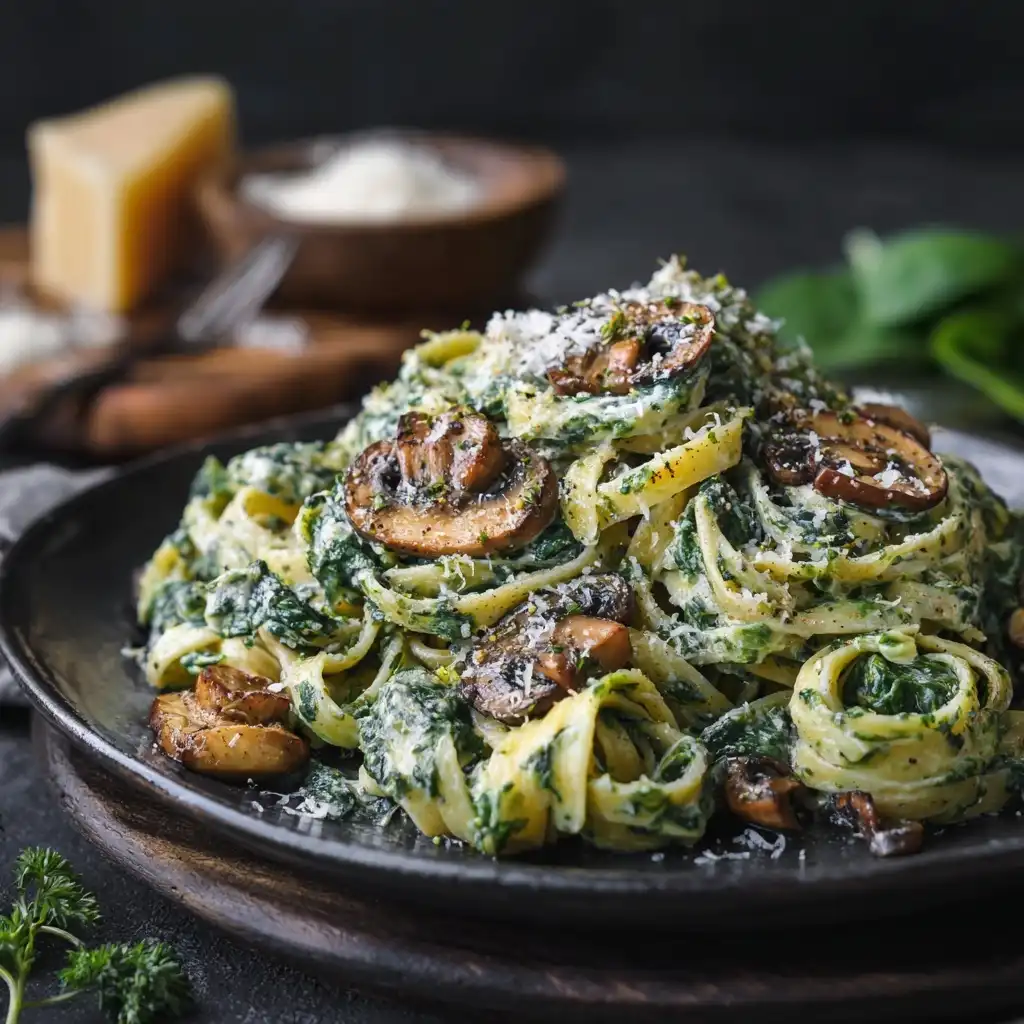
Creamy Spinach Mushroom Pasta is a beloved, restaurant-worthy dish that effortlessly bridges comfort and sophistication. With its velvety sauce, earthy mushrooms, tender-crisp spinach, and perfectly al dente pasta, it delivers rich umami depth, vibrant color, and satisfying texture—all in one pan. Whether you’re preparing a cozy weeknight dinner for yourself, impressing guests at a casual gathering, or seeking a plant-forward yet indulgent meal, this dish rises to the occasion. Its versatility, pantry-friendly ingredients, and forgiving preparation make it a cornerstone recipe for home cooks of all experience levels—and once you master the balance of creaminess, seasoning, and freshness, you’ll find yourself returning to it again and again.
The History
While no single origin story defines Creamy Spinach Mushroom Pasta, its roots lie in the convergence of Italian pasta traditions and mid-20th-century American culinary innovation. Classic Italian preparations like funghi e spinaci (mushrooms and spinach) date back centuries in rustic regional cooking—especially in Umbria and Tuscany—where wild foraged mushrooms were sautéed with garlic, olive oil, and leafy greens. However, the creamy iteration emerged more prominently post-WWII, as dairy-based sauces gained popularity in North America and Europe, aided by the widespread availability of heavy cream, sour cream, and later, half-and-half and cream cheese. The 1970s and ’80s saw mushroom-spinach pasta appear on diner menus and in women’s magazines, often enriched with Parmesan and finished with nutmeg—a nod to béchamel-influenced techniques. Today, modern interpretations honor both tradition and wellness trends: lighter versions use cashew cream or blended silken tofu; vegan renditions rely on nutritional yeast and coconut milk; and globally inspired spins incorporate miso, white wine reductions, or harissa. What remains constant is the dish’s soul—earthy, verdant, luxuriously smooth, and deeply nourishing.
Ingredients Breakdown
Every exceptional Creamy Spinach Mushroom Pasta begins with thoughtfully selected, high-quality components. Below is a detailed exploration of each ingredient—not just what it contributes, but why it matters:
- Pasta: Opt for short, sturdy shapes with ridges or hollow centers—such as fusilli, penne rigate, orecchiette, or casarecce—to cradle the creamy sauce. While spaghetti or linguine work, they’re less effective at trapping thick, herb-flecked cream. Whole wheat, chickpea, or lentil pasta adds fiber and protein without sacrificing texture when cooked precisely to al dente.
- Mushrooms: A blend yields superior flavor and mouthfeel. Cremini (baby bella) offer robust umami and meaty chew; shiitake contribute smoky depth and subtle licorice notes; oyster mushrooms add delicate sweetness and tender frills; and dried porcini (rehydrated in hot water) infuse an intense, woodsy backbone. Avoid pre-sliced “button” mushrooms exclusively—they lack complexity and can turn rubbery if overcooked.
- Fresh Spinach: Baby spinach is preferred for its tenderness and mild, slightly sweet flavor—no tough stems or bitterness. It wilts quickly and retains vibrant green color and nutrients. Frozen chopped spinach may be used in a pinch, but must be thoroughly thawed and squeezed *extremely* dry (excess water breaks the sauce).
- Aromatics: Yellow or white onion provides foundational sweetness; shallots add refined, garlicky nuance; and fresh garlic—minced, not powdered—brings pungent warmth that mellows beautifully when sautéed in butter or olive oil.
- Herbs & Seasonings: Fresh thyme leaves (not dried) lend floral-earthy elegance; a grating of fresh nutmeg enhances creaminess and rounds out savory notes; lemon zest brightens the richness; and flaky sea salt + freshly cracked black pepper are non-negotiable for layering flavor at every stage.
- Dairy & Cream Elements: Heavy cream (36–40% fat) ensures stability and luxurious body; full-fat ricotta or mascarpone adds tangy silkiness; grated Parmigiano-Reggiano supplies salty, crystalline umami and helps emulsify the sauce; unsalted butter enriches mouthfeel and carries fat-soluble flavors. For lighter versions, whole milk + cornstarch slurry or evaporated milk offer partial substitution—but never skim milk alone, which curdles easily.
- Liquid Enhancers: Dry white wine (e.g., Sauvignon Blanc or Pinot Grigio) deglazes the pan, lifts fond, and adds acidity to cut through fat; mushroom soaking liquid (from dried porcini) deepens savoriness; and reserved starchy pasta water—rich in gluten and starch—is the secret binding agent that transforms separated cream into a cohesive, glossy, clingy sauce.
Step-by-Step Recipe
- Prepare Ingredients Mise en Place: Clean and slice mushrooms (¼-inch thick); mince shallots/onion and garlic; wash and spin-dry spinach; zest and juice ½ lemon; grate Parmigiano-Reggiano; measure cream, herbs, and seasonings. Rehydrate ½ oz dried porcini in 1 cup hot water for 20 minutes, then strain liquid through cheesecloth, reserving both mushrooms (chopped) and liquid.
- Cook Pasta Al Dente: Bring 5–6 quarts well-salted water (2 tbsp kosher salt) to a rolling boil. Add pasta and cook 1–2 minutes *less* than package instructions. Reserve 1½ cups starchy cooking water before draining—do not rinse.
- Sauté Aromatics & Mushrooms: In a wide, heavy-bottomed skillet or Dutch oven, heat 2 tbsp unsalted butter + 1 tbsp olive oil over medium-high heat. Add shallots/onion; sauté 2 minutes until translucent. Add garlic; stir 30 seconds until fragrant. Add mushrooms in batches—do not crowd—to ensure proper browning. Cook undisturbed 2–3 minutes per side until deeply golden and moisture has fully evaporated. Season with salt, pepper, and thyme.
- Build Depth with Wine & Porcini: Pour in ½ cup dry white wine. Scrape up browned bits (fond) with a wooden spoon. Simmer 2–3 minutes until alcohol evaporates and liquid reduces by half. Stir in rehydrated porcini and their strained soaking liquid (leave sediment behind). Simmer gently 4 minutes to concentrate flavor.
- Infuse Cream Sauce: Reduce heat to medium-low. Pour in 1 cup heavy cream and ¼ cup whole milk (for balanced richness). Stir in 2 tbsp mascarpone or ricotta and ¼ tsp freshly grated nutmeg. Simmer gently—do not boil—for 4–5 minutes, stirring occasionally, until sauce thickens slightly and coats the back of a spoon.
- Incorporate Spinach & Pasta: Stir in spinach in 3 additions, allowing each to wilt completely before adding more (about 1 minute total). Gently fold in drained pasta. Add reserved starchy water ¼ cup at a time, stirring vigorously to emulsify—continue until sauce is luxuriously creamy and clings to every strand or shape (typically ½–¾ cup needed).
- Finish & Serve: Remove from heat. Stir in ¾ cup freshly grated Parmigiano-Reggiano, lemon zest, and juice of ½ lemon. Adjust seasoning with flaky sea salt and cracked black pepper. Let rest 2 minutes—this allows sauce to settle and intensify. Garnish generously with extra cheese, thyme leaves, lemon zest, and a drizzle of high-quality olive oil.
Tips
- Don’t Skip the Sear: Mushrooms release water first—let them do so fully before expecting browning. Crowding the pan causes steaming instead of caramelization, resulting in bland, soggy results.
- Reserve That Pasta Water: Starchy water isn’t optional—it’s your sauce’s lifeline. Its starch content acts as a natural emulsifier, preventing separation and lending body no cream alone can replicate.
- Undercook the Pasta: Overcooked pasta turns mushy when tossed in hot sauce. Aim for *very* al dente—it finishes cooking in the pan while absorbing flavor.
- Control Heat on Cream: Never boil the cream sauce after dairy is added—high heat risks curdling, especially with acidic elements like lemon or wine. Keep it at a gentle simmer or low bubble.
- Season in Layers: Salt the pasta water generously; season mushrooms as they cook; adjust final seasoning *after* adding cheese and lemon—their saltiness and acidity dramatically shift the flavor profile.
- Use Freshly Grated Cheese: Pre-grated cheeses contain anti-caking agents (e.g., cellulose) that inhibit melting and cause graininess. Always grate Parmigiano-Reggiano yourself using a microplane.
- Add Greens Last: Spinach should wilt *in the sauce*, not be cooked separately. This preserves its color, nutrients, and delicate texture—overcooking leads to dull olive-green sludge.
- Rest Before Serving: Allowing the pasta to sit off-heat for 1–2 minutes lets the sauce relax, thicken slightly, and evenly coat each piece—resulting in a more cohesive, restaurant-quality bite.
Variations and Customizations
This dish is a canvas for creativity—adaptable to dietary needs, seasonal produce, global influences, and pantry constraints. Explore these thoughtfully curated variations:
Protein-Powered Versions
- Chicken & Herb: Sear 2 boneless, skinless chicken breasts (sliced thin), season with herbes de Provence, and nestle into the finished pasta.
- Shrimp & Garlic: Sauté 12 oz peeled, deveined shrimp in olive oil with minced garlic and red pepper flakes; fold in during final pasta toss.
- White Beans & Lemon: Stir in 1½ cups rinsed cannellini beans for plant-based protein, fiber, and creamy texture—enhance with extra lemon zest.
Dietary Adaptations
- Vegan: Replace butter with vegan butter or olive oil; use full-fat coconut milk + 1 tbsp nutritional yeast + 1 tsp white miso paste instead of cream and cheese; swap spinach for baby kale or Swiss chard.
- Gluten-Free: Use certified GF pasta (brown rice, quinoa, or lentil blends); ensure all broth/wine/cheese alternatives are GF-certified.
- Dairy-Free Light: Blend 1 cup raw cashews (soaked 4+ hours), ¾ cup unsweetened almond milk, 1 tbsp lemon juice, 1 tsp Dijon mustard, and 2 tbsp nutritional yeast for a rich, tangy, allergen-friendly cream base.
Global Twists
- Miso-Ginger: Whisk 1 tbsp white miso + 1 tsp grated fresh ginger + 1 tsp tamari into warm cream; garnish with scallions and toasted sesame seeds.
- Mediterranean: Add sun-dried tomatoes, kalamata olives, crumbled feta, and oregano; finish with a splash of red wine vinegar.
- Truffle Elegance
: Stir in 1 tsp white truffle oil (off-heat) and top with shaved black truffle or truffle salt.
- Smoky Chipotle: Infuse cream with ½ tsp chipotle powder + 1 tsp smoked paprika; garnish with pickled red onions.
Seasonal Swaps
- Spring: Fold in fresh peas, asparagus ribbons, and mint; use lemon verbena instead of thyme.
- Summer: Add cherry tomatoes (halved and roasted), basil ribbons, and grilled zucchini.
- Fall: Incorporate roasted delicata squash, caramelized shallots, and sage-infused butter.
- Winter: Use lacinato kale instead of spinach, add toasted walnuts or pine nuts, and finish with pomegranate arils.
Health Considerations and Nutritional Value
Creamy Spinach Mushroom Pasta balances indulgence with meaningful nutrition—when prepared mindfully. A standard 1.5-cup serving (made with whole wheat pasta, reduced cream, and generous vegetables) typically contains approximately:
- Calories: 480–560 kcal
- Protein: 22–28 g (from pasta, cheese, mushrooms, optional beans or chicken)
- Fiber: 6–9 g (especially with whole grain or legume pasta + spinach)
- Fat: 18–24 g (mostly unsaturated from olive oil, nuts, and dairy; saturated fat moderated by using ¾ cup cream instead of 1¼ cups)
- Vitamins & Minerals: Exceptionally high in vitamin K (spinach), B vitamins (mushrooms, whole grains), calcium and phosphorus (Parmigiano), iron (spinach + mushrooms), and antioxidants like selenium (mushrooms) and lutein (spinach).
Health Highlights:
- Mushrooms are adaptogenic powerhouses—rich in beta-glucans (immune-modulating compounds), ergothioneine (a potent antioxidant), and vitamin D₂ when exposed to UV light.
- Spinach delivers nitrates that support healthy blood pressure, folate critical for DNA synthesis, and magnesium essential for nerve and muscle function.
- Whole Grain Pasta offers resistant starch that feeds beneficial gut bacteria and stabilizes blood sugar better than refined counterparts.
- Healthy Fats from olive oil, nuts, or avocado garnish enhance absorption of fat-soluble vitamins (A, E, K, D) naturally present in spinach and cheese.
Considerations: Those monitoring sodium should reduce added salt and opt for low-sodium broth (if using) and aged cheeses with lower salt content (e.g., Grana Padano). Individuals with lactose sensitivity often tolerate aged cheeses (like Parmigiano) and fermented dairy (mascarpone) well—but may prefer lactose-free cream or oat milk creamers. For lower saturated fat, substitute half the cream with evaporated milk or a cashew-cream blend.
Ingredients
- 12 oz (340 g) high-quality pasta (fusilli, penne, or orecchiette recommended)
- 2 tbsp unsalted butter
- 1 tbsp extra-virgin olive oil
- 1 medium yellow onion or 3 large shallots, finely diced
- 4 cloves garlic, minced
- 16 oz (450 g) mixed mushrooms (cremini, shiitake, oyster), cleaned and sliced ¼-inch thick
- ½ oz (14 g) dried porcini mushrooms
- 1 cup hot water (for rehydrating porcini)
- ½ cup dry white wine (Sauvignon Blanc or Pinot Grigio)
- 1 cup heavy cream (36–40% fat)
- ¼ cup whole milk
- 2 tbsp full-fat mascarpone or whole-milk ricotta
- ¾ cup freshly grated Parmigiano-Reggiano (plus more for garnish)
- 5 oz (140 g) fresh baby spinach, washed and thoroughly dried
- 1 tsp fresh thyme leaves (plus extra for garnish)
- ¼ tsp freshly grated nutmeg
- Zest and juice of ½ lemon
- Flaky sea salt and freshly cracked black pepper, to taste
- Optional garnishes: extra virgin olive oil, lemon zest, toasted pine nuts, red pepper flakes
Directions
- Place dried porcini in a small bowl and cover with 1 cup hot water. Soak for 20 minutes. Strain liquid through a fine-mesh sieve lined with cheesecloth into a measuring cup; reserve both liquid and chopped porcini.
- Bring 5–6 quarts water to a vigorous boil. Add 2 tbsp kosher salt. Add pasta and cook, stirring occasionally, until 1–2 minutes shy of package’s al dente time. Reserve 1½ cups starchy pasta water, then drain pasta—do not rinse.
- In a 12-inch wide, heavy-bottomed skillet or Dutch oven, heat butter and olive oil over medium-high heat. Add onion/shallots; sauté 2 minutes until soft. Add garlic; stir 30 seconds until aromatic.
- Add mushrooms in two batches. Cook undisturbed 2–3 minutes per side until deeply browned and moisture has fully evaporated. Season with salt, pepper, and thyme. Transfer to a bowl if pan becomes too crowded.
- Reduce heat to medium. Pour in white wine, scraping up all browned bits. Simmer 2–3 minutes until reduced by half. Stir in chopped porcini and reserved soaking liquid (leave any sediment behind). Simmer gently 4 minutes.
- Reduce heat to medium-low. Stir in heavy cream, milk, mascarpone/ricotta, and nutmeg. Simmer gently—do not boil—for 4–5 minutes, stirring occasionally, until sauce coats the back of a spoon.
- Add spinach in three portions, stirring until each batch wilts completely (about 30 seconds per addition). Gently fold in drained pasta.
- Add reserved starchy water ¼ cup at a time, stirring vigorously after each addition, until sauce is creamy, glossy, and clings to pasta (usually ½–¾ cup total). Do not add all at once—adjust based on desired consistency.
- Remove from heat. Stir in ¾ cup grated Parmigiano-Reggiano, lemon zest, and lemon juice. Taste and adjust seasoning with flaky salt and black pepper.
- Let rest off-heat for 2 minutes. Serve immediately in warmed bowls, garnished with extra cheese, thyme, lemon zest, and a drizzle of olive oil.
FAQ
- Can I make this ahead of time?
- Yes—with caveats. Prepare components separately: cook pasta (rinse with cold water and toss with 1 tsp olive oil to prevent sticking), sauté mushrooms, and make sauce base (without dairy). Refrigerate up to 2 days. To serve: reheat sauce gently, warm mushrooms, add pasta and spinach, then finish with cream, cheese, and lemon. Avoid storing fully assembled creamy pasta—it thickens excessively and may separate upon reheating.
- Why does my sauce break or look curdled?
- Curdling usually occurs from overheating (boiling cream), acid shock (adding lemon juice while sauce is too hot), or insufficient emulsification (not using enough starchy water). Fix it by removing from heat, whisking in 1–2 tbsp cold cream or pasta water, and gently reheating while stirring constantly.
- Can I freeze Creamy Spinach Mushroom Pasta?
- Not recommended. Dairy-based sauces containing cream, cheese, or mascarpone separate and become grainy when frozen and thawed. Instead, freeze the mushroom mixture and sauce base (without dairy) separately for up to 3 months. Thaw overnight in fridge, then finish with fresh cream, cheese, pasta, and spinach.
- What’s the best substitute for heavy cream?
- For closest texture: full-fat canned coconut milk (shake well before using). For lighter option: ¾ cup whole milk + 2 tbsp cornstarch whisked into a slurry and simmered 2 minutes. Avoid low-fat dairy or non-dairy milks high in additives (e.g., carrageenan), which destabilize the sauce.
- How do I keep the spinach vibrant green?
- Do not overcook. Add it at the very end—just long enough to wilt (under 1 minute). Acid (lemon juice) added off-heat also helps preserve chlorophyll’s bright hue. Blanching spinach first is unnecessary and leaches nutrients.
- Is there a way to boost umami without cheese?
- Absolutely. Add 1 tsp soy sauce or tamari, ½ tsp white miso paste, or a splash of mushroom ketchup during sauce reduction. Toasted sesame oil (1/4 tsp) or a pinch of MSG (optional but effective) also amplify savory depth.
- Can I use frozen spinach?
- Yes—if thoroughly thawed and *squeezed bone-dry* in a clean kitchen towel or cheesecloth. Excess water will dilute and break the sauce. Use 10 oz frozen, thawed, and pressed—equivalent to ~5 oz fresh.
- My sauce is too thick/thin—how do I fix it?
- Too thick? Whisk in additional reserved pasta water, 1 tbsp at a time, until desired consistency. Too thin? Simmer uncovered 2–3 minutes to reduce, or stir in 1 tsp grated Parmigiano to help bind. Avoid flour or cornstarch at this stage—it can create pastiness.
Summary
Creamy Spinach Mushroom Pasta is a harmonious, nutrient-dense celebration of earthy umami, verdant freshness, and luxurious texture—elevated by technique-driven steps like proper mushroom searing, strategic use of starchy pasta water, and layered seasoning.
Whether enjoyed as a weeknight staple, a vegan adaptation, or a gourmet variation infused with truffle or miso, this dish proves that deeply comforting food can be both profoundly flavorful and thoughtfully nourishing—without compromise.