Introduction
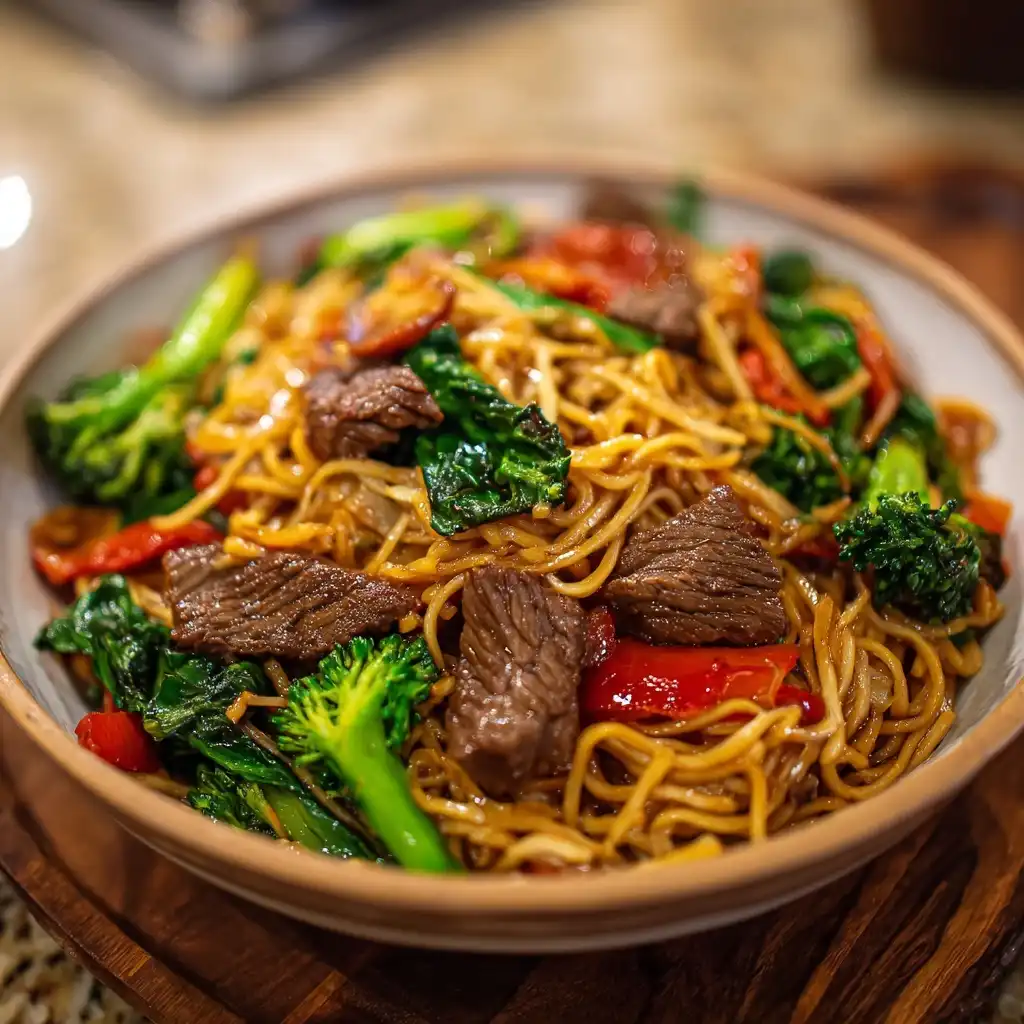
Teriyaki Beef Stir Fry Noodles is a vibrant, restaurant-quality dish that masterfully bridges the bold umami depth of Japanese teriyaki with the dynamic textures and quick-cooking elegance of Cantonese-inspired stir-frying. This beloved fusion favorite delivers tender slices of marinated beef, glossy caramelized sauce, crisp-tender vegetables, and springy noodles—all tossed together in under 30 minutes. Whether you’re meal prepping for the week, hosting an impromptu dinner, or simply craving deeply savory, slightly sweet, and perfectly balanced comfort food, this dish satisfies on every level: aromatic, visually stunning, texturally engaging, and deeply satisfying. Its versatility makes it equally at home in a busy weeknight rotation or elevated with premium ingredients for a special occasion.
The History
The origins of Teriyaki Beef Stir Fry Noodles are not rooted in a single ancient tradition but rather reflect the rich, cross-cultural culinary evolution that defines modern Asian-American and pan-Asian cuisine. Teriyaki itself traces back to Japan’s Edo period (1603–1868), where “teri” (luster or shine) and “yaki” (grill or broil) described a glazing technique using soy sauce, mirin, and sugar to create a glossy, caramelized finish on grilled fish—most famously mackerel and salmon. As Japanese immigrants settled in Hawaii and the U.S. mainland in the late 19th and early 20th centuries, teriyaki adapted: local ingredients like pineapple juice, brown sugar, and garlic were incorporated, giving rise to the sweeter, bolder American-style teriyaki we know today.
Meanwhile, stir-frying—originating over 2,000 years ago in China during the Han Dynasty—traveled globally via trade routes and diaspora communities, evolving with regional preferences. In post-war America, Chinese-American restaurants popularized “chop suey” and “subgum” dishes, laying the groundwork for hybrid noodle bowls. By the 1970s and 1980s, as Japanese cuisine gained mainstream traction—fueled by sushi bars and hibachi grills—the fusion of teriyaki marinade with wok-hei–infused stir-fry techniques became inevitable. Chefs and home cooks alike began pairing thinly sliced beef (often flank or sirloin, economical yet flavorful cuts) with ramen, udon, or soba noodles, transforming teriyaki from a grilled protein into a full-flavored, saucy, vegetable-laden noodle experience. Today, Teriyaki Beef Stir Fry Noodles stands as a delicious testament to culinary globalization—honoring tradition while embracing innovation, accessibility, and everyday joy.
Ingredients Breakdown
Every exceptional Teriyaki Beef Stir Fry Noodles begins with thoughtfully selected, high-quality components—each playing a distinct role in flavor, texture, aroma, and balance. Below is a comprehensive breakdown of why each ingredient matters—and how substitutions or upgrades can elevate your dish:
For the Teriyaki Sauce (Homemade – Highly Recommended)
- Soy Sauce (Low-Sodium Preferred): The foundational umami backbone—provides saltiness, depth, and rich color. Tamari is an excellent gluten-free alternative; coconut aminos offer a lighter, slightly sweeter, soy-free option.
- Mirin: A mildly sweet Japanese rice wine essential for authentic teriyaki sheen and subtle acidity. If unavailable, substitute with dry sherry + ½ tsp sugar per tablespoon, or use sake + ¼ tsp sugar—but never omit entirely, as mirin contributes both sweetness and complexity that sugar alone cannot replicate.
- Brown Sugar (or Pure Maple Syrup for refined sugar-free): Adds deep molasses notes and viscosity for glaze formation. Dark brown sugar intensifies richness; light brown offers milder sweetness. Avoid granulated white sugar—it lacks moisture and depth.
- Fresh Ginger (Grated, Not Powdered): Imparts bright, zesty warmth and aromatic lift—critical for cutting through richness. Powdered ginger lacks volatile oils and freshness; always grate just before use.
- Garlic (Fresh, Minced): Delivers pungent, savory-sweet base notes. Roasted garlic adds mellowness; black garlic introduces balsamic-like complexity.
- Rice Vinegar (Unseasoned): Provides gentle tang to balance sweetness and prevent cloying—more nuanced than apple cider or white vinegar.
- Sesame Oil (Toasted, for Finishing Only): Adds nutty aroma and fragrance—not for cooking (low smoke point). Never substitute with regular vegetable oil here.
- Arrowroot Powder or Cornstarch Slurry: Ensures glossy, clingy, non-watery sauce consistency. Arrowroot yields clearer, silkier results and is freeze-stable; cornstarch is more widely available.
For the Beef & Marinade
- Beef Cut: Flank Steak (Top Choice), Skirt Steak, Sirloin Tip, or Flat Iron: All benefit from thin slicing *against the grain* to ensure tenderness. Flank offers intense beefy flavor and ideal marinating absorption; skirt is ultra-tender when sliced correctly; sirloin tip balances cost and quality.
- Neutral High-Smoke-Point Oil (Peanut, Avocado, or Grapeseed): Essential for achieving true wok hei (the “breath of the wok”)—that smoky, seared char without burning. Olive oil (especially extra virgin) will smoke and taste bitter.
- Shaoxing Wine (Optional but Recommended): A Chinese rice wine that tenderizes and adds subtle fermented depth—complements mirin beautifully. Dry sherry is the best sub.
For the Stir-Fry Components
- Noodles: Fresh or Dried Ramen (Best), Soba (Buckwheat, Nutty & Earthy), Udon (Chewy & Substantial), or Rice Noodles (Gluten-Free): Ramen offers ideal springiness and sauce adhesion. Always rinse cooked noodles under cold water to halt cooking and remove excess starch—prevents clumping.
- Vegetables (Cruciferous & Colorful): Broccoli florets (blanched 1 minute for crisp-tenderness), red bell peppers (sweet crunch), carrots (julienned or matchstick for quick cooking), snap peas (bright green pop), shiitake mushrooms (earthy umami), baby corn, and bok choy (stems added early, leaves at the end). Aim for 4–5 colors for phytonutrient diversity.
- Aromatics: Green Onions (Scallions), Toasted Sesame Seeds, Crushed Red Pepper Flakes: Added at the very end for freshness, fragrance, visual contrast, and optional heat.
Step-by-Step Recipe
This meticulously tested method prioritizes timing, temperature control, and layering of flavors—ensuring restaurant-worthy results every time. Total active time: 25 minutes.
Step 1: Prepare the Teriyaki Sauce (10 Minutes, Can Be Made Ahead)
- In a small saucepan over medium-low heat, combine ½ cup low-sodium soy sauce, ¼ cup mirin, ¼ cup packed dark brown sugar, 1 tbsp freshly grated ginger, 2 minced garlic cloves, and 1 tbsp unseasoned rice vinegar.
- Whisk constantly until sugar dissolves completely (~2–3 minutes). Bring to a gentle simmer—do not boil vigorously.
- In a separate bowl, mix 1 tbsp arrowroot powder with 2 tbsp cold water to form a smooth slurry. Slowly whisk slurry into simmering sauce.
- Cook, stirring continuously, for 1–2 minutes until thickened to a glossy, coat-the-back-of-a-spoon consistency. Remove from heat. Stir in 1 tsp toasted sesame oil. Set aside to cool slightly (warm, not hot, to avoid cooking beef prematurely).
- Pro Tip: Make double or triple batches and store refrigerated for up to 10 days—or freeze in ice cube trays for single-serve portions.
Step 2: Marinate the Beef (15–30 Minutes Minimum)
- Thinly slice 1 lb flank steak *against the grain* into ⅛-inch-wide strips (freeze for 20 minutes first for clean slicing).
- In a bowl, combine beef with 2 tbsp soy sauce, 1 tbsp Shaoxing wine (or dry sherry), 1 tsp grated ginger, 1 tsp minced garlic, and 1 tsp cornstarch. Gently toss to coat. Refrigerate uncovered for 15 minutes (up to 2 hours max—longer causes texture breakdown).
- Why Cornstarch? It forms a protective barrier, locks in juices, and helps the sauce cling later.
Step 3: Prep All Ingredients Mise en Place (Essential!)
- Cook noodles according to package directions—al dente is key. Drain, rinse thoroughly under cold water, then toss with 1 tsp neutral oil to prevent sticking. Set aside.
- Blanch broccoli florets in boiling salted water for 60 seconds. Drain and shock in ice water. Pat *very* dry—excess moisture steams instead of sears.
- Julienne 1 red bell pepper, 2 carrots, and 1 cup snow peas. Slice 4–5 shiitake caps. Mince 3 green onions (separate whites from greens). Measure all spices and sauces.
- Remember: Stir-frying is fast—no chopping mid-cook!
Step 4: High-Heat Stir-Fry (Under 8 Minutes)
- Heat a 14-inch carbon steel wok or heavy-bottomed skillet over high heat until smoking lightly (~2 minutes). Add 2 tbsp peanut oil and swirl to coat.
- Add beef in a single layer—do NOT overcrowd. Cook undisturbed for 1 minute to develop crust, then stir-fry 1–2 minutes until 80% cooked (edges browned, center still slightly pink). Transfer immediately to a clean bowl—this prevents overcooking.
- Reduce heat to medium-high. Add 1 tbsp more oil, then stir-fry aromatics: white parts of scallions, ginger, and garlic for 30 seconds until fragrant—do not burn.
- Add harder vegetables first: carrots and broccoli. Stir-fry 1 minute. Then add bell peppers, snow peas, and shiitakes. Stir-fry 2 minutes more until crisp-tender and brightly colored.
- Return beef and any accumulated juices to wok. Pour in *all* the prepared teriyaki sauce. Toss constantly for 60–90 seconds until sauce bubbles, thickens, and coats everything evenly.
- Add drained noodles. Use two spatulas or tongs to gently fold and toss—avoid aggressive stirring that breaks noodles. Cook 1 minute until heated through and glossy.
- Remove from heat. Fold in reserved green onion tops, 1 tbsp toasted sesame seeds, and optional ¼ tsp crushed red pepper flakes.
Step 5: Serve Immediately
- Portion into warmed shallow bowls. Garnish with extra sesame seeds, microgreens, lime wedges, or pickled ginger for brightness.
- Pair with miso soup, sunomono salad, or chilled jasmine tea.
Tips
- Wok Hei Is Non-Negotiable: Achieve it by preheating your wok until wisps of smoke appear, using high-smoke-point oil, and keeping ingredients dry. That faint smoky aroma is the soul of great stir-fry.
- Never Skip the Blanching: Broccoli, green beans, or asparagus must be par-cooked—raw takes too long and releases water, diluting sauce and steaming other ingredients.
- Sauce Consistency Control: If sauce thickens too much off-heat, loosen with 1 tsp warm water or broth. If too thin, make a fresh slurry (½ tsp arrowroot + 1 tsp water) and stir in over low heat.
- Prevent Noodle Clumping: Rinse *thoroughly*, drain *completely*, and toss with oil *immediately* after draining—even 30 seconds of sitting creates gluey noodles.
- Temperature Management: Cook beef first on highest heat, then reduce slightly for veggies. Overcrowding drops wok temp drastically—cook in batches if needed.
- Acid Finish Matters: A final squeeze of yuzu, calamansi, or lime juice right before serving lifts the entire dish—cutting richness and adding vibrancy most recipes overlook.
- Rest the Sauce: Let homemade teriyaki cool to lukewarm before adding to hot wok—adding hot sauce to hot beef causes protein to seize and become tough.
- Use a Carbon Steel Wok: Superior heat retention and seasoning development vs. nonstick or stainless—worth the investment for frequent stir-fry lovers.
Variations and Customizations
This recipe is a canvas—adaptable for dietary needs, seasonal produce, pantry limitations, and global inspirations:
Dietary Adaptations
- Gluten-Free: Use tamari or certified GF soy sauce, GF ramen (like Lotus Foods), and ensure mirin is GF (most are—but check labels). Skip wheat-based noodles; opt for 100% buckwheat soba or rice sticks.
- Keto/Low-Carb: Replace noodles with spiralized zucchini (zoodles), shirataki noodles (rinse well!), or finely shredded cabbage. Increase healthy fats: add avocado slices, cashews, or sesame oil drizzle.
- Vegan/Vegetarian: Swap beef for extra-firm pressed tofu (marinated 30+ min), seitan, or king oyster mushrooms (sliced thickly, “steak-like”). Use coconut aminos and maple syrup. Add edamame or hemp hearts for protein.
- Paleo/Whole30: Substitute coconut aminos for soy, date paste or mashed banana for brown sugar, and omit cornstarch (rely on reduction for thickness). Use sweet potato noodles or roasted spaghetti squash.
Protein Swaps
- Chicken: Boneless, skinless thighs (more forgiving and flavorful than breast); marinate same way.
- Pork: Thinly sliced pork loin or ground pork (brown first, then proceed).
- Shrimp: Large, peeled, deveined—add in last 60 seconds to avoid rubberiness.
- Duck Breast: For luxury—score skin, render fat, slice thinly, and add at end for rich, gamey contrast.
Global Twists
- Korean-Inspired: Add gochujang (½ tsp) to teriyaki sauce + kimchi garnish + toasted pine nuts.
- Thai Fusion: Stir in 1 tbsp fish sauce + 1 tsp lime zest + crushed peanuts + cilantro + Thai basil.
- Hawaiian: Add grilled pineapple chunks + macadamia nuts + a splash of lilikoi (passionfruit) puree.
- Mediterranean: Swap teriyaki for lemon-tahini sauce + kalamata olives + cherry tomatoes + feta + oregano.
Seasonal & Pantry Variations
- Spring: Asparagus tips, pea shoots, fava beans, ramps.
- Summer: Zucchini ribbons, cherry tomatoes, corn kernels, basil.
- Fall: Roasted kabocha squash, caramelized onions, wild mushrooms, sage.
- Winter: Bok choy, napa cabbage, daikon radish, chestnuts.
- Pantry Staples: Frozen edamame, canned bamboo shoots, dried shiitakes (soaked), jarred ginger.
Health Considerations and Nutritional Value
A well-balanced Teriyaki Beef Stir Fry Noodles is not only delicious—it’s nutritionally robust when prepared mindfully. Here’s a detailed analysis per standard 2-cup serving (using lean flank steak, brown rice noodles, and abundant vegetables):
Nutritional Highlights (Approximate Values)
- Calories: 520–580 kcal
- Protein: 32–38g (complete, muscle-supportive, satiating)
- Fiber: 6–9g (from broccoli, carrots, snap peas, and whole-grain noodles)
- Healthy Fats: 12–16g (monounsaturated from peanut oil, omega-6/9 from sesame oil, trace omega-3s from beef)
- Vitamins & Minerals: Rich in Vitamin A (carrots, bok choy), Vitamin C (bell peppers, broccoli), Vitamin K (greens), B12 (beef), iron (heme iron from beef—highly bioavailable), selenium (beef, mushrooms), and potassium (vegetables).
Smart Health Modifications
- Sodium Control: Use low-sodium soy sauce + increase ginger/garlic/fresh herbs to boost flavor without salt. Rinse canned bamboo shoots or water chestnuts thoroughly.
- Sugar Awareness: Reduce brown sugar by 25% and enhance sweetness naturally with roasted carrots, ripe pear slices, or a drizzle of date syrup.
- Heart-Healthy Fats: Opt for avocado oil instead of peanut; top with walnuts or flaxseed for plant-based omega-3s.
- Gut Health Boost: Add fermented elements: kimchi, sauerkraut, or a spoonful of unpasteurized miso stirred in at the end.
- Anti-Inflammatory Focus: Load up on turmeric-infused oil (½ tsp turmeric bloomed in 1 tsp oil), extra garlic, ginger, and deeply pigmented veggies (purple cabbage, red peppers).
Considerations for Specific Conditions
- Diabetes-Friendly: Prioritize non-starchy veggies (>50% volume), choose lower-GI noodles (soba, shirataki), pair with apple cider vinegar (enhances insulin sensitivity), and monitor portion size (1 cup cooked noodles max).
- Hypertension: Omit added salt; emphasize potassium-rich foods (spinach, mushrooms, tomatoes) to counterbalance sodium.
- GERD/Acid Reflux: Limit garlic/ginger quantity; omit spicy flakes; avoid eating within 3 hours of bedtime.
- Kidney Health: Choose lower-potassium veggies (cabbage, green beans, zucchini); limit soy sauce—use coconut aminos or homemade low-sodium version.
Ingredients
Makes 4 generous servings
- For the Teriyaki Sauce:
- ½ cup low-sodium soy sauce (or tamari for GF)
- ¼ cup Japanese mirin
- ¼ cup packed dark brown sugar (or pure maple syrup)
- 1 tbsp freshly grated ginger (about 1-inch knob)
- 2 large garlic cloves, finely minced
- 1 tbsp unseasoned rice vinegar
- 1 tbsp arrowroot powder or cornstarch
- 2 tbsp cold water (for slurry)
- 1 tsp toasted sesame oil
- For the Beef & Marinade:
- 1 lb flank steak, very thinly sliced against the grain
- 2 tbsp low-sodium soy sauce
- 1 tbsp Shaoxing wine or dry sherry
- 1 tsp freshly grated ginger
- 1 tsp minced garlic
- 1 tsp cornstarch
- For the Stir-Fry:
- 3 tbsp neutral high-smoke-point oil (peanut, avocado, or grapeseed), divided
- 8 oz fresh ramen noodles (or dried—see variations), cooked al dente
- 2 cups broccoli florets, blanched 1 minute and patted dry
- 1 large red bell pepper, julienned
- 2 medium carrots, julienned or grated
- 1 cup snow peas, trimmed
- 4–5 shiitake mushrooms, stems removed, caps sliced
- 3 green onions, whites and greens separated, thinly sliced
- 1 tbsp toasted sesame seeds
- ¼ tsp crushed red pepper flakes (optional)
- Lime wedges or pickled ginger, for serving
Directions
- Make the teriyaki sauce: In a small saucepan, combine soy sauce, mirin, brown sugar, ginger, garlic, and rice vinegar. Whisk over medium-low heat until sugar dissolves (~2 min). Bring to a gentle simmer. In a separate bowl, whisk arrowroot with cold water. Whisk slurry into simmering sauce. Cook, stirring constantly, 1–2 min until glossy and thickened. Remove from heat; stir in sesame oil. Cool slightly.
- Marinate beef: In a bowl, combine flank steak with 2 tbsp soy sauce, Shaoxing wine, 1 tsp ginger, 1 tsp garlic, and 1 tsp cornstarch. Toss gently. Refrigerate uncovered 15–30 min.
- Prep all ingredients: Cook and rinse noodles; blanch and dry broccoli; julienne vegetables; slice mushrooms; separate scallion whites/greens.
- Stir-fry beef: Heat wok over high heat until smoking. Add 2 tbsp oil. Add beef in single layer; cook 1 min undisturbed, then stir-fry 1–2 min until 80% done. Transfer to bowl.
- Stir-fry aromatics & veggies: Reduce heat to medium-high. Add remaining 1 tbsp oil. Stir-fry scallion whites, ginger, and garlic 30 sec. Add carrots and broccoli; stir-fry 1 min. Add bell pepper, snow peas, and shiitakes; stir-fry 2 min until crisp-tender.
- Combine & glaze: Return beef to wok. Pour in all teriyaki sauce. Stir-fry 60–90 sec until sauce bubbles and coats evenly.
- Add noodles: Add drained noodles. Gently fold with tongs 1 min until heated through and glossy.
- Finish & serve: Remove from heat. Fold in scallion greens, sesame seeds, and red pepper flakes. Serve immediately in warmed bowls, garnished with lime or pickled ginger.
FAQ
- Can I make this ahead of time?
- Yes—with caveats: Sauce keeps 10 days refrigerated or 3 months frozen. Marinated beef lasts 24 hours max (texture degrades). Cooked noodles + veggies + beef can be refrigerated 3 days—but reheat gently with 1 tsp broth/water to revive moisture. Best served fresh for optimal texture.
- Why does my teriyaki sauce turn out watery?
- Most common causes: insufficient slurry (too little arrowroot), not bringing sauce to a full simmer after adding slurry, or adding cold sauce to hot wok causing premature thinning. Always whisk slurry into simmering (not boiling) sauce and cook 90 seconds minimum.
- Can I use frozen vegetables?
- Yes—but thaw and pat *extremely* dry first. Frozen broccoli or peas release significant water; excess moisture = steamed, not seared, veggies and diluted sauce.
- What’s the best noodle for takeout-style texture?
- Fresh ramen from Asian markets offers unbeatable chew and sauce adhesion. If unavailable, dried ramen (like Sun Noodle or Myojo) boiled 30 seconds less than package directs yields