Introduction
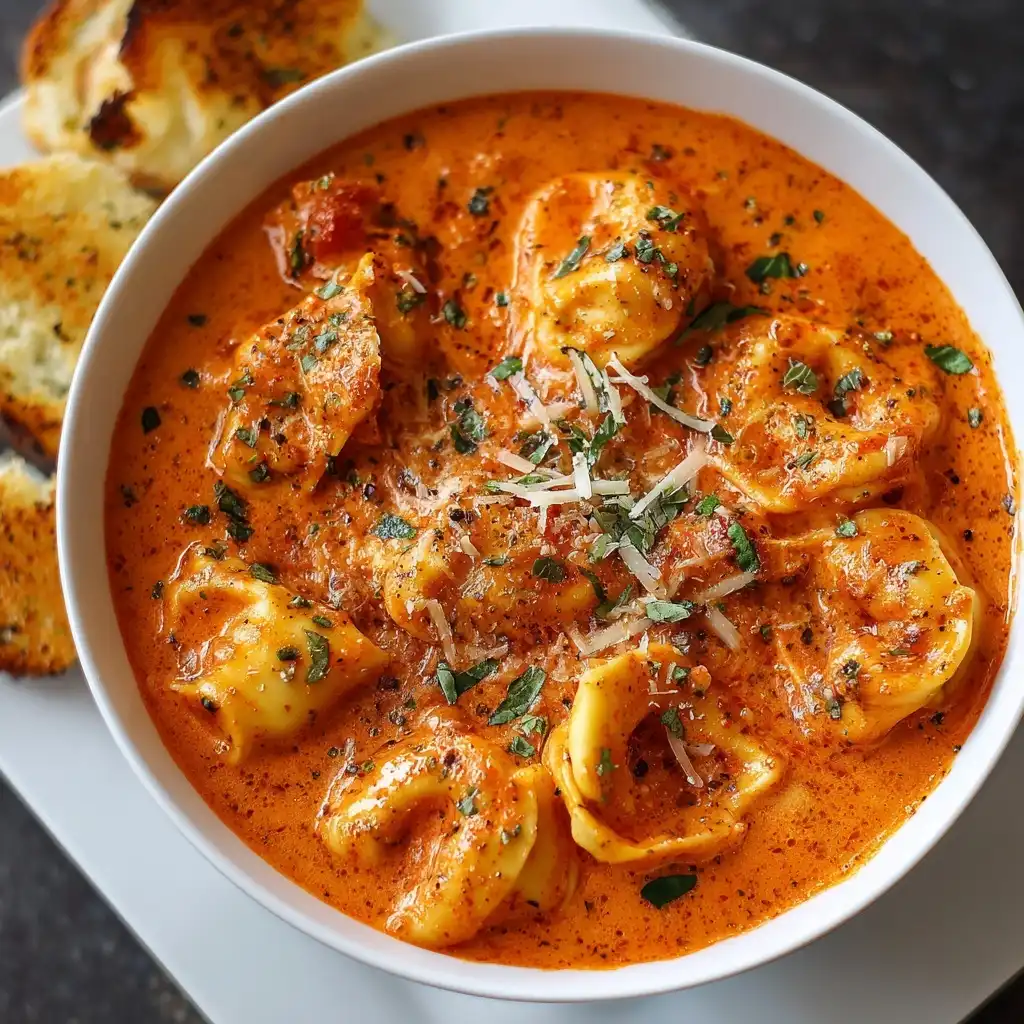
Welcome to the ultimate guide to Creamy Tomato Tortellini Soup — a soul-warming, restaurant-worthy comfort dish that bridges the vibrant tang of ripe tomatoes with the luscious richness of cream and the delightful bite of cheese-filled tortellini. Whether you’re seeking a weeknight dinner solution that comes together in under 30 minutes, a crowd-pleasing starter for holiday gatherings, or a nourishing yet indulgent meal after a long day, this soup delivers on every front. Unlike traditional tomato soups, this version features tender, pillowy tortellini suspended in a velvety, herb-infused broth — creamy without being heavy, bright without being acidic, and deeply savory without relying on excessive salt or processed ingredients. It’s rustic Italian inspiration meets modern American pantry convenience — elegant enough for guests, forgiving enough for beginners, and endlessly adaptable to dietary preferences and seasonal availability.
The History
Creamy Tomato Tortellini Soup is a contemporary fusion dish with roots stretching across multiple culinary traditions. While classic Italian minestre (soups) like minestrone or passata-based broths have existed for centuries — often featuring seasonal vegetables, beans, and pasta — the intentional marriage of tomato sauce, dairy cream, and stuffed pasta is a relatively recent evolution. The rise of refrigerated and frozen cheese tortellini in U.S. supermarkets during the 1970s and ’80s paved the way for quick, accessible “pasta-in-soup” meals. Simultaneously, American home cooks began adapting Italian-American red sauces — enriched with heavy cream or half-and-half — into silky, spoon-coating soups inspired by dishes like crema di pomodoro (Italian tomato cream soup) and French velouté de tomate. By the early 2000s, food blogs and cooking shows popularized the “tortellini soup” concept as a hearty alternative to plain tomato soup, especially during fall and winter. Its meteoric rise on platforms like Pinterest and TikTok — where creamy, photogenic, low-effort recipes thrive — cemented its status as a modern pantry staple. Today, it represents the beautiful synergy between tradition and innovation: honoring Italy’s reverence for quality ingredients while embracing the practicality and creativity of global home cooking.
Ingredients Breakdown
Every exceptional Creamy Tomato Tortellini Soup begins with intentionality — not just in what goes in, but why it’s included and how each component contributes to balance, texture, depth, and mouthfeel. Below is a detailed, chef-level breakdown of each ingredient’s functional role:
- Extra-Virgin Olive Oil: Used for sautéing aromatics, it adds fruitiness, prevents burning, and carries fat-soluble flavor compounds from herbs and spices. Opt for a medium-intensity, peppery variety for complexity.
- Yellow Onion & Garlic: The aromatic foundation. Onions provide natural sweetness and body when caramelized; garlic contributes pungent umami depth. Finely dicing ensures even dissolution into the broth.
- Carrot & Celery (optional but highly recommended): Part of the classic mirepoix, they add subtle earthiness, natural sugars for balancing acidity, and micronutrients. Grated or finely diced for seamless integration.
- Canned San Marzano Tomatoes (DOP-certified preferred): The soul of the soup. Their low acidity, high sugar content, and dense flesh yield an intensely rich, sweet-tart base without needing excessive sugar or reduction. Whole peeled tomatoes are ideal — crushed by hand or blended for optimal texture.
- Tomato Paste: Concentrated umami and deep brick-red color. When cooked (“blooming”) in oil for 2–3 minutes until brick-red and fragrant, it unlocks roasted, almost caramelized notes that anchor the entire flavor profile.
- Dry White Wine (e.g., Pinot Grigio or Sauvignon Blanc): Adds brightness, acidity, and aromatic lift while deglazing the pan to capture browned bits (fond). Alcohol cooks off, leaving only nuanced fruit and mineral notes.
- Vegetable or Chicken Broth (low-sodium): Provides savory depth and liquid volume. Low-sodium versions give precise control over seasoning. For vegan versions, use certified no-chicken broth or simmered mushroom-kombu stock.
- Fresh Herbs (basil, oregano, thyme): Basil adds sweet-anise freshness (added at the end); oregano lends Mediterranean warmth; thyme contributes floral-earthy nuance. Dried herbs may be substituted, but use ⅓ the amount and add earlier in cooking.
- Heavy Cream or Full-Fat Coconut Milk (vegan option): Responsible for luxurious mouthfeel and temperature stability. Heavy cream (36–40% fat) yields the richest, most stable emulsion. Coconut milk (canned, full-fat) provides dairy-free creaminess with subtle tropical undertones — best paired with roasted garlic or smoked paprika for harmony.
- Refrigerated or Frozen Cheese Tortellini: The star pasta. Look for brands using semolina flour, whole eggs, and real ricotta/mozzarella filling — avoid those with excessive gums or preservatives. Refrigerated cooks fastest (4–5 mins); frozen may need 6–7 mins. Do not use dried tortellini — it becomes gummy and overabsorbs broth.
- Grated Parmigiano-Reggiano or Pecorino Romano: Stirred in at the end for salty, nutty, umami-rich finish. Authentic DOP Parmigiano adds crystalline texture and complex fermentation notes.
- Red Pepper Flakes & Black Pepper: Heat and spice are adjustable — red pepper flakes offer fruity heat; freshly cracked black pepper adds aromatic pungency. Add gradually and taste.
- Fresh Spinach or Kale (optional garnish/add-in): Adds color, iron, and mild bitterness to cut richness. Stir in during last 2 minutes of cooking.
Step-by-Step Recipe
- Prep Aromatics: Finely dice 1 medium yellow onion, 2 cloves garlic (minced), 1 small carrot, and 1 rib celery. Keep separate. Wash and roughly chop ¼ cup fresh basil leaves. Grate ½ cup Parmigiano-Reggiano — set aside.
- Bloom Tomato Paste: Heat 2 tbsp extra-virgin olive oil in a large, heavy-bottomed Dutch oven or soup pot over medium heat. Add 2 tbsp tomato paste. Cook, stirring constantly, for 2–3 minutes until it darkens slightly and emits a rich, roasted aroma. This step is non-negotiable for depth.
- Sauté Aromatics: Add diced onion, carrot, and celery. Sauté 5–6 minutes until softened and translucent (not browned). Stir in minced garlic and ¼ tsp red pepper flakes; cook 1 minute more until fragrant.
- Deglaze with Wine: Pour in ½ cup dry white wine. Scrape bottom vigorously with a wooden spoon to lift all browned bits. Simmer 2–3 minutes until wine is nearly evaporated and aroma turns nutty.
- Add Tomatoes & Simmer Base: Add one 28-oz can whole San Marzano tomatoes (with juices), crushing them by hand directly into the pot. Stir in 1 tsp dried oregano, ½ tsp dried thyme, 1 bay leaf, and 4 cups low-sodium vegetable or chicken broth. Bring to a gentle boil, then reduce heat to low. Partially cover and simmer uncovered for 25 minutes, stirring occasionally. This melds flavors and thickens naturally.
- Blend for Silkiness (Optional but Recommended): Remove bay leaf. Use an immersion blender to purée soup until smooth and velvety — about 45 seconds. For ultra-luxurious texture, strain through a fine-mesh sieve to remove any fibrous bits (especially from carrot/celery). Return to pot.
- Season & Adjust Acidity: Taste and season with kosher salt (start with ¾ tsp) and freshly ground black pepper. If too sharp, add ½ tsp pure maple syrup or 1 tsp balsamic vinegar — both enhance sweetness without cloying. If too flat, add a squeeze of fresh lemon juice (¼ tsp at a time).
- Incorporate Cream: Reduce heat to low. Slowly whisk in ½ cup heavy cream (or full-fat coconut milk), ensuring no splashing. Do not boil after adding cream — maintain a bare simmer (180°F/82°C) to prevent curdling. Warm through for 2 minutes.
- Cook Tortellini: Gently stir in 16 oz refrigerated cheese tortellini (do not rinse). Simmer uncovered for exactly 4–5 minutes — stirring gently every 60 seconds to prevent sticking. Tortellini should be plump, tender, and just heated through. Overcooking causes filling leakage and mushiness.
- Finish & Garnish: Remove from heat. Stir in fresh basil, grated Parmigiano-Reggiano, and an extra drizzle of high-quality olive oil. Let rest 2 minutes before serving — this allows flavors to harmonize and cream to fully integrate. Ladle into warmed bowls and garnish with additional basil, cheese, cracked black pepper, and a swirl of cream or pesto.
Tips
- Texture Control: For a thicker, stew-like consistency, simmer uncovered an extra 5–8 minutes before adding tortellini. For a lighter, brothy version, add up to ½ cup additional warm broth just before serving.
- Cream Stability Secret: Always warm cream to room temperature before adding — cold cream hitting hot soup risks separation. Alternatively, temper it: whisk 2 tbsp hot soup into cream first, then slowly pour mixture back into pot while stirring.
- No-Stick Tortellini Trick: Add tortellini to gently bubbling (not rolling boil) soup and stir immediately. Use a heatproof silicone spatula — its flexibility helps nudge stuck pieces without tearing.
- Layered Seasoning: Salt in three stages — a pinch when sautéing aromatics, mid-simmer after blending, and final adjustment post-cream. This builds dimensional savoriness rather than one-note saltiness.
- Herb Timing Matters: Dried oregano/thyme go in early to infuse; fresh basil must be added off heat to preserve volatile oils and bright green color.
- Acid Balance Mastery: Tomato acidity varies by brand and season. Always taste after cream is added — cream mellows acidity, so final seasoning adjustments are essential.
- Make-Ahead Magic: Prepare the tomato base (steps 1–6) up to 3 days ahead and refrigerate. Reheat gently, then proceed with cream and tortellini — fresher pasta yields superior texture.
- Freezing Note: Freeze only the tomato base (without cream or tortellini). Thaw overnight, reheat, then add fresh cream and tortellini to serve. Cream and pasta do not freeze well.
- Leftover Love: Store cooled soup in airtight container for up to 4 days. Reheat gently on stove (not microwave) to prevent tortellini breakdown. Add a splash of broth if too thick.
- Restaurant Presentation Tip: Serve in wide, shallow ceramic bowls. Garnish with micro basil, edible flowers, toasted pine nuts, or a delicate Parmigiano crisp made by baking shredded cheese until golden and lacy.
Variations and Customizations
This recipe is a canvas — designed for personalization without compromising integrity. Explore these thoughtfully curated variations, each tested for balance and authenticity:
- Vegan Creamy Tomato Tortellini Soup: Substitute heavy cream with ¾ cup canned full-fat coconut milk + 1 tbsp nutritional yeast (for cheesiness) + ½ tsp white miso (umami boost). Use vegan cheese tortellini (e.g., Amy’s or Michael Angelo’s) and vegetable broth. Finish with lemon zest and chopped chives instead of basil.
- Roasted Garlic & Herb Version: Roast 1 whole head of garlic (drizzled with olive oil, wrapped in foil, baked at 400°F for 40 mins) until soft and caramelized. Squeeze pulp into soup after blending — adds profound sweetness and mellow depth. Pair with rosemary instead of oregano.
- Smoky Chipotle-Tomatillo Twist: Replace 1 can tomatoes with 1 cup fire-roasted tomatillos and 1 minced chipotle in adobo (plus 1 tsp adobo sauce). Add ½ tsp ground cumin and top with crumbled cotija and avocado crema.
- Protein-Powered “Tortellini Minestrone”: Add 1 cup cooked white beans (cannellini or Great Northern), ½ cup diced cooked chicken breast, or ⅓ cup cooked lentils with the tortellini. Boost broth volume by 1 cup.
- “Sun-Dried Tomato & Basil Pesto Swirl”: Stir 2 tbsp homemade or high-quality sun-dried tomato pesto into each bowl just before serving. Garnish with torn fresh mozzarella and basil oil.
- Low-Carb / Keto Adaptation: Omit tortellini entirely. Replace with 1½ cups roasted cauliflower florets (roasted at 425°F until golden) and ½ cup sliced shiitake mushrooms. Thicken with 1 tsp xanthan gum whisked into cold broth before adding.
- Spicy Arrabbiata-Style: Double red pepper flakes, add 1 tsp Calabrian chili paste, and finish with a drizzle of chili oil. Serve with crusty garlic bread for dipping.
- Winter Root Vegetable Edition: Add 1 cup diced parsnip and ½ cup diced rutabaga with the carrots/celery. Simmer 10 minutes longer pre-blending for tenderness. Finish with orange zest and toasted walnuts.
- Kid-Friendly “Mild & Cheesy” Version: Omit red pepper flakes and garlic, increase cream to ¾ cup, stir in ¼ cup extra shredded mozzarella with tortellini, and top with buttery croutons.
- Seafood-Infused “Mediterranean” Variation: Add ½ lb thawed, rinsed frozen shrimp with the tortellini. In last 2 minutes, stir in ¼ cup chopped Kalamata olives, 2 tbsp capers, and 1 tbsp lemon juice.
Health Considerations and Nutritional Value
A single 1¾-cup (415g) serving of Classic Creamy Tomato Tortellini Soup (made with vegetable broth, ½ cup heavy cream, and refrigerated cheese tortellini) provides approximately:
- Calories: 420–480 kcal
- Protein: 18–22g (from cheese tortellini, Parmigiano, and broth)
- Fat: 22–26g (mostly unsaturated from olive oil and dairy; ~12g saturated)
- Carbohydrates: 42–48g (including 3–4g dietary fiber from tomatoes, carrots, and herbs)
- Vitamins & Minerals: Excellent source of Vitamin A (from tomatoes & carrots), Vitamin C (raw basil), Vitamin K (kale/spinach additions), calcium (dairy), and lycopene — a potent antioxidant increased by cooking tomatoes with oil.
Key Health Notes:
- Lycopene Bioavailability: The combination of heat, fat (olive oil + cream), and crushing tomatoes significantly increases lycopene absorption — linked to reduced risk of heart disease and certain cancers.
- Digestive Support: Garlic and onions contain prebiotic fructans; basil offers anti-inflammatory eugenol; and slow-simmered broth supports gut lining integrity.
- Lower-Sodium Options: Using low-sodium broth and no-salt-added tomatoes keeps sodium under 600mg/serving — ideal for hypertension management. Rely on herbs, citrus, and umami-rich tomato paste for flavor.
- Dairy Sensitivity Solutions: Lactose-intolerant individuals often tolerate aged cheeses (Parmigiano) and fermented dairy (some ricotta fillings) well. For strict avoidance, choose coconut milk + vegan tortellini + nutritional yeast blend.
- Glycemic Impact: Moderate GI (~55) due to complex carbs from pasta and fiber. Adding spinach/kale or swapping tortellini for chickpea pasta lowers glycemic load.
- Notable Absence: Contains zero trans fats, artificial preservatives, or high-fructose corn syrup — unlike many store-bought “cream of tomato” soups.
- Portion Mindfulness: While nutrient-dense, the cream and pasta contribute calories. Pair with a large side salad (mixed greens, lemon-tahini dressing) for satiety and volume without excess energy.
Consult a registered dietitian for personalized adaptations related to diabetes, renal disease, or specific allergies.
Ingredients
- 2 tablespoons extra-virgin olive oil
- 1 medium yellow onion, finely diced
- 2 cloves garlic, minced
- 1 small carrot, finely diced or grated
- 1 rib celery, finely diced
- 2 tablespoons tomato paste
- ½ cup dry white wine (e.g., Pinot Grigio)
- 1 (28-ounce) can whole San Marzano tomatoes, with juices
- 1 teaspoon dried oregano
- ½ teaspoon dried thyme
- 1 large bay leaf
- 4 cups low-sodium vegetable or chicken broth
- Kosher salt and freshly ground black pepper, to taste
- ½ cup heavy cream (or full-fat canned coconut milk for vegan)
- 16 ounces refrigerated cheese tortellini (not dried)
- ¼ cup fresh basil leaves, roughly chopped
- ½ cup grated Parmigiano-Reggiano cheese, plus more for serving
- ¼ teaspoon red pepper flakes (optional)
- Additional high-quality olive oil, for finishing
Directions
- Heat olive oil in a large Dutch oven or heavy-bottomed soup pot over medium heat. Add tomato paste and cook, stirring constantly, for 2–3 minutes until darkened and fragrant.
- Add onion, carrot, and celery. Sauté 5–6 minutes until softened. Stir in garlic and red pepper flakes; cook 1 minute more until aromatic.
- Pour in white wine, scraping the bottom to release browned bits. Simmer 2–3 minutes until mostly evaporated.
- Add crushed San Marzano tomatoes (with juices), oregano, thyme, bay leaf, and broth. Bring to a gentle boil, then reduce heat to low. Partially cover and simmer for 25 minutes, stirring occasionally.
- Remove bay leaf. Use an immersion blender to purée until smooth. For ultra-smooth texture, strain through a fine-mesh sieve back into the pot.
- Taste and season with salt and pepper. Adjust acidity or sweetness if needed (see Tips section).
- Reduce heat to low. Whisk in heavy cream (or coconut milk) gradually. Warm through for 2 minutes — do not boil.
- Gently stir in tortellini. Simmer uncovered for 4–5 minutes, stirring every 60 seconds, until tortellini is tender and plump.
- Remove from heat. Stir in fresh basil, grated Parmigiano-Reggiano, and a drizzle of olive oil.
- Let rest 2 minutes. Ladle into bowls and serve immediately, garnished with extra cheese, basil, black pepper, and a final ribbon of cream or pesto.
FAQ
- Can I use dried tortellini instead of refrigerated?
- No — dried tortellini absorbs excessive liquid and becomes gummy, diluting the broth and disrupting texture. Refrigerated or frozen is essential for proper bite and creamy integration.
- Why does my soup look curdled or separated?
- This usually occurs from boiling after adding cream, using ultra-pasteurized cream (less stable), or adding cold cream to very hot soup. Always use low heat, warm cream first, and never let it reach a full boil post-cream.
- Can I make this in a slow cooker or Instant Pot?
- Yes — for Instant Pot: Sauté aromatics/tomato paste using Sauté mode. Add wine, tomatoes, herbs, and broth. Pressure cook on High for 15 minutes, natural release 10 mins. Quick-release remaining pressure, blend, stir in cream, then add tortellini and use “Keep Warm” mode for 5 minutes. For slow cooker: Sauté aromatics and paste first, then add all except cream and tortellini. Cook on Low 4 hours. Blend, stir in cream and tortellini, cover and cook on Low 15–20 mins until tortellini is done.
- How do I fix a soup that’s too acidic?
- Stir in ½ tsp pure maple syrup, honey, or brown sugar — or add 1 tsp balsamic vinegar (its own sweetness balances tartness). A pinch of baking soda (⅛ tsp) neutralizes acid instantly but use sparingly — too much imparts a soapy taste.
- Can I freeze leftovers?
- Only the tomato base (before adding cream and tortellini). Cream and pasta break down upon freezing/thawing. Cool base completely, freeze up to 3 months. Thaw overnight, reheat gently, then add fresh cream and tortellini.
- What’s the best cheese tortellini brand?
- Look for artisanal refrigerated options like Rana, Buitoni Fresh, or Trader Joe’s Three Cheese. Avoid brands listing “modified food starch” or “xanthan gum” as primary thickeners — they indicate lower cheese content.
- Is this soup gluten-free?
- Not traditionally — tortellini contains wheat. Use certified gluten-free cheese tortellini (e.g., Barilla GF or Tinkyada) and verify broth is GF. Ensure all labels state “gluten-free” — tomato paste and wine are usually safe, but cross-contamination varies.
- Can I prep this entirely ahead of time?
- Yes! Make the tomato base up to 3 days ahead. Store refrigerated. Reheat gently, then add cream and tortellini just before serving for peak texture and flavor.
- Why do you recommend San Marzano tomatoes?
- They’re grown in volcanic soil near Naples and have lower acidity, higher sugar, and denser flesh — yielding richer, sweeter, less watery results. DOP certification guarantees authenticity and quality.
- My tortellini fell apart — what went wrong?
- Most likely overcooked or stirred too vigorously. Set a timer, use gentle folding motions with a silicone spatula, and avoid boiling after addition. Also ensure you’re using refrigerated (not frozen unthawed) tortellini — frozen needs 1–2 extra minutes but shouldn’t be added straight from freezer.
Summary
Creamy Tomato Tortellini Soup is a masterclass in balanced comfort — where vibrant, slow-simmered San Marzano tomatoes meet velvety cream and pillowy cheese tortellini in a fragrant, herb-kissed broth that satisfies deeply without heaviness.
With endless customization pathways — from vegan and keto to smoky, spicy, or protein-packed — it’s a timeless, adaptable centerpiece that nourishes the body, delights the palate, and brings warmth to any table, any season.