Introduction
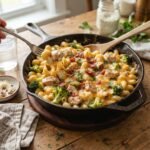
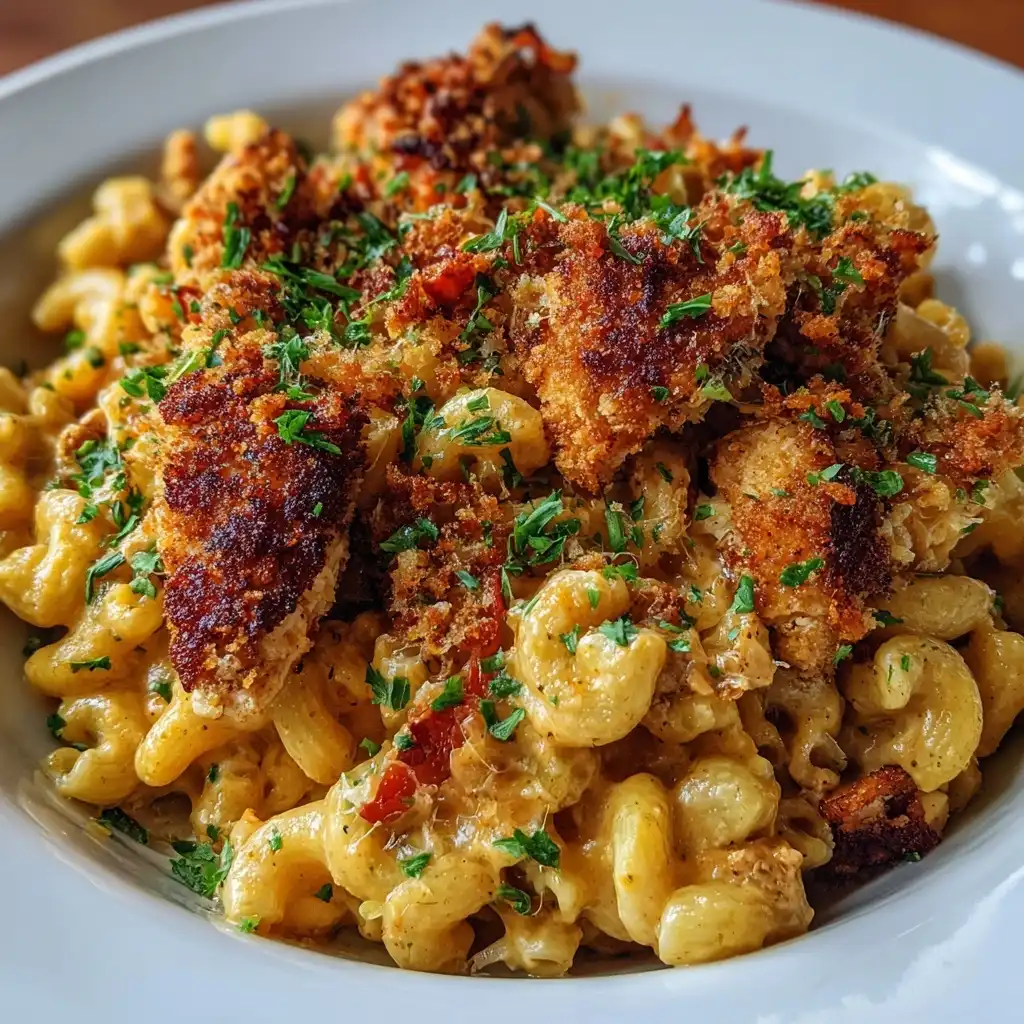
Cajun Chicken Mac and Cheese is a bold, soul-satisfying fusion dish that marries the creamy comfort of classic macaroni and cheese with the fiery, aromatic depth of Louisiana-style Cajun seasoning. More than just a pasta bake, it’s a celebration of regional American flavors—smoky, spicy, savory, and rich—all layered into one decadent, crowd-pleasing casserole. Whether served at family dinners, game-day spreads, potlucks, or weeknight meals with a gourmet twist, this dish delivers restaurant-quality indulgence with approachable home-kitchen techniques. Its growing popularity reflects a broader culinary trend: elevating traditional comfort food with globally inspired seasonings and protein-forward upgrades—without sacrificing creaminess, texture, or heartwarming nostalgia.
The History
The origins of Cajun Chicken Mac and Cheese lie at the crossroads of two distinct American culinary traditions: the rustic, one-pot resilience of Southern and Acadian cooking and the mid-century American love affair with baked macaroni and cheese. Cajun cuisine itself traces back to the 18th-century expulsion of French-speaking Acadians from Canada (now Nova Scotia), who resettled in rural south Louisiana. There, they adapted French techniques using local ingredients—wild game, seafood, rice, and abundant spices—to create a robust, rustic cooking style defined by the “holy trinity” (onions, bell peppers, celery) and complex spice blends featuring paprika, cayenne, garlic powder, thyme, and file powder. Meanwhile, macaroni and cheese evolved from Thomas Jefferson’s introduction of Italian pasta dishes in the late 1700s, gaining national prominence after WWII as an affordable, shelf-stable comfort staple—especially in African American and Southern communities where it became a cornerstone of soul food. The modern fusion—Cajun Chicken Mac and Cheese—emerged organically in the 1990s–2000s, fueled by food television, celebrity chefs like Emeril Lagasse (who popularized “kick it up a notch!”), and the rise of food blogs emphasizing bold, customizable, and protein-enriched comfort meals. Today, it appears on menus from New Orleans brasseries to Midwest diners and has become a viral sensation on platforms like TikTok and Pinterest, symbolizing both cultural hybridity and the democratization of elevated home cooking.
Ingredients Breakdown
Every exceptional Cajun Chicken Mac and Cheese begins with intentionality—not just in quantity, but in quality and synergy. Below is a meticulous breakdown of each component’s role, sourcing notes, and functional impact:
- Chicken Breast or Thighs: Boneless, skinless chicken breasts offer lean tenderness; thighs provide richer flavor and superior moisture retention during baking. For optimal results, use high-quality, air-chilled, antibiotic-free poultry. Brining (30 minutes in ¼ cup kosher salt + 4 cups cold water) enhances juiciness and seasoning penetration.
- Cajun Seasoning: Not all blends are equal. Authentic homemade versions combine sweet paprika (for color and earthy sweetness), smoked paprika (for depth), cayenne (heat control), garlic powder, onion powder, dried oregano and thyme (herbal backbone), white and black pepper (bright + warm heat), and a pinch of file powder (optional, for authentic gumbo-like nuance). Avoid pre-made blends heavy in fillers (like maltodextrin) or excessive sodium—these mute complexity and oversalt the dish.
- Pasta: Cavatappi, penne, fusilli, or shells are ideal—their ridges and curves cradle sauce and trap bits of chicken and cheese. Use bronze-die extruded pasta for superior sauce adhesion. Never overcook; al dente is essential, as pasta continues absorbing liquid while baking.
- Cheese Blend: A tri-cheese system ensures balance: sharp cheddar (tang and meltability), Gruyère or Fontina (nutty complexity and silkiness), and cream cheese or mascarpone (luxurious body and pH buffering to prevent graininess). Parmigiano-Reggiano adds umami punch when stirred in at the end or sprinkled on top.
- Dairy Base: Whole milk provides creaminess without heaviness; half-and-half or light cream adds richness. Evaporated milk is a pro tip—it’s concentrated, lactose-reduced, and yields an ultra-smooth, velvety sauce with enhanced browning. Never substitute low-fat milk unless absolutely necessary—it increases risk of separation and lackluster texture.
- Aromatics & Vegetables: The “holy trinity” (diced yellow onion, green bell pepper, celery) sautéed in clarified butter or duck fat forms the foundational flavor layer. Garlic (minced fresh, not jarred) must be added last to avoid bitterness. Optional additions include finely diced jalapeño (seeds removed for controlled heat) or roasted red peppers for subtle sweetness.
- Thickener: A roux (equal parts butter and flour cooked to a light blond stage) remains the gold standard for stability and depth. For gluten-free versions, a slurry of cornstarch or arrowroot mixed with cold milk works—but requires careful tempering and lacks nutty dimension.
- Umami Boosters (Optional but Recommended): A splash of Worcestershire sauce, a spoonful of Dijon mustard, or a dash of hot sauce (like Crystal or Tabasco) balances heat with acidity and savoriness. A tablespoon of tomato paste, cooked until brick-red, adds subtle sweetness and body.
Step-by-Step Recipe
- Prep & Brine Chicken (30 min ahead): Place 1.5 lbs boneless, skinless chicken breasts or thighs in a brine of ¼ cup Diamond Crystal kosher salt dissolved in 4 cups cold water. Refrigerate 30 minutes. Rinse thoroughly, pat dry, and season generously with 2 tbsp homemade Cajun spice blend (reserve remaining blend for later). Let rest 10 minutes at room temperature.
- Toast & Sear Chicken: Heat 2 tbsp neutral oil (avocado or grapeseed) in a large cast-iron or stainless skillet over medium-high heat. Once shimmering, add chicken in a single layer—do not crowd. Sear 5–6 minutes per side until deeply golden and internal temperature reaches 155°F (it will carry over to 165°F). Transfer to a cutting board, tent loosely with foil, and rest 10 minutes. Dice into ¾-inch cubes.
- Build the Holy Trinity Base: In the same skillet, reduce heat to medium. Add 3 tbsp unsalted butter. Once melted, stir in 1 cup finely diced yellow onion, ¾ cup diced green bell pepper, and ¾ cup diced celery. Sauté 6–8 minutes until softened and translucent. Add 4 cloves minced garlic and 1 tbsp minced jalapeño (optional); cook 1 minute until fragrant.
- Make the Roux & Milk Infusion: Sprinkle in ¼ cup all-purpose flour (or gluten-free blend) and whisk constantly for 2 minutes until smooth and bubbly—do not brown. Gradually whisk in 2 cups whole milk and 1 cup evaporated milk, ensuring no lumps form. Bring to a gentle simmer, whisking continuously for 5 minutes until thickened to a loose gravy consistency.
- Enrich the Sauce: Reduce heat to low. Whisk in 8 oz full-fat cream cheese (cubed), 1 cup shredded sharp cheddar, ½ cup grated Gruyère, ¼ cup grated Parmigiano-Reggiano, 1 tsp Dijon mustard, 1 tsp Worcestershire, and ½ tsp smoked paprika. Stir until fully melted and glossy—about 3–4 minutes. Remove from heat. Season with freshly ground black pepper and a pinch of cayenne if desired.
- Combine Pasta & Components: Cook 1 lb cavatappi pasta in well-salted boiling water until *just* al dente (1 minute less than package time). Drain, reserving 1 cup starchy pasta water. Return pasta to the pot. Fold in the warm cheese sauce, seared chicken cubes, and any accumulated juices. Add ¼–½ cup reserved pasta water as needed to achieve a luxuriously cohesive, coat-the-spoon consistency. Taste and adjust seasoning—remember: cheese adds salt, so go light on added salt early on.
- Layer & Bake: Transfer mixture to a lightly buttered 9×13-inch ceramic or enameled cast-iron baking dish. Smooth the top. Combine ½ cup panko breadcrumbs, 2 tbsp melted butter, 2 tbsp grated Parmigiano-Reggiano, and ½ tsp remaining Cajun spice. Sprinkle evenly over the surface. Bake uncovered at 375°F for 20–25 minutes until bubbly at edges and golden-brown on top. For extra crispness, broil 1–2 minutes at the end—watch closely!
- Rest & Serve: Let rest 10 minutes before serving. This allows starches to set, prevents sauce from weeping, and makes portioning cleaner. Garnish with chopped scallions, fresh parsley, and a drizzle of hot sauce or remoulade.
Tips
- Don’t Skip the Rest: Allowing seared chicken to rest before dicing preserves moisture—cutting too soon releases precious juices that would otherwise steam the pasta and dilute flavor.
- Roux Patience Pays Off: Cooking the roux just long enough develops nutty flavor without risking bitterness or inadequate thickening. Stir constantly—scorching ruins the entire sauce.
- Low-and-Slow Cheese Integration: Adding cheese off direct heat and whisking gently prevents clumping and oil separation. If sauce breaks, whisk in 1 tsp cold cream or a splash of pasta water to re-emulsify.
- Starchy Water Is Your Secret Weapon: It contains amylose, which acts as a natural binder and gloss enhancer. Reserve it religiously—and add gradually, not all at once.
- Undercook the Pasta Intentionally: Baking adds further cooking time and sauce absorption. Overcooked pasta becomes mushy and disintegrates in the casserole.
- Season in Layers: Salt the pasta water generously (it should taste like seawater), season the chicken, and adjust final seasoning *after* cheese is incorporated—cheddar and Parmigiano add significant sodium.
- Cool Slightly Before Baking: If assembling ahead, let the mac mixture cool to lukewarm before transferring to the baking dish. Cold-to-hot transitions can cause thermal shock in ceramic dishes and uneven baking.
- Reheating Without Drying Out: Add a splash of milk or broth before microwaving individual portions, cover with a damp paper towel, and heat in 30-second intervals. For oven reheating, cover with foil and bake at 325°F until warmed through.
Variations and Customizations
This recipe is inherently adaptable—designed to reflect pantry availability, dietary needs, regional preferences, and personal heat tolerance. Here’s how to make it your own:
- Protein Swaps: Replace chicken with Andouille sausage (sliced and pan-seared), shrimp (added in the last 2 minutes of sauce assembly), pulled pork shoulder, smoked turkey, or plant-based options like marinated tempeh or smoky lentils.
- Vegetable Add-Ins: Roasted cauliflower florets, sautéed spinach or kale (wilted and squeezed dry), caramelized onions, fire-roasted corn, diced tomatoes (well-drained), or zucchini ribbons add nutrition, texture, and seasonal flair.
- Cheese Alternatives: Try smoked gouda for campfire depth, pepper jack for extra kick, fontina for meltability, or aged provolone for salty complexity. For vegan versions, use cashew-based cheese sauces infused with nutritional yeast, miso, and liquid smoke.
- Gluten-Free Adaptation: Use certified GF pasta (brown rice or chickpea blends hold up best), replace flour roux with 2 tbsp cornstarch + ¼ cup cold milk slurry, and verify Cajun seasoning is GF (many contain wheat-based anti-caking agents).
- Dairy-Free Version: Substitute unsweetened oat or cashew milk, coconut cream (for richness), and dairy-free cheese shreds with high meltability. Add 1 tbsp white miso and 1 tsp apple cider vinegar for tang and umami.
- Spice Level Control: Mild: Omit cayenne, use only sweet paprika, and skip jalapeños. Medium: Keep standard blend. Extra Hot: Double cayenne, add ½ tsp ground chipotle, or stir in 1 tsp crushed red pepper flakes with the aromatics.
- Breakfast Mac: Top with fried or poached eggs and crispy bacon crumbles—serve with hot sauce on the side.
- Sheet Pan Version: Toss uncooked pasta with sauce, chicken, and veggies; roast at 425°F for 25–30 minutes, stirring halfway—ideal for minimal cleanup and hands-off cooking.
- Instant Pot / Pressure Cooker: Sear chicken and sauté aromatics using Sauté mode. Add 1 cup broth, uncooked pasta, and seasonings; pressure cook 4 minutes. Quick-release, stir in cheese, and broil for topping.
Health Considerations and Nutritional Value
While Cajun Chicken Mac and Cheese is undeniably indulgent, thoughtful modifications can significantly improve its nutritional profile without compromising satisfaction. A standard 1-cup serving (approx. 320g) made with whole ingredients contains roughly:
- Calories: 520–580 kcal
- Protein: 32–38g (excellent source—chicken + dairy support muscle maintenance and satiety)
- Fat: 24–28g (predominantly unsaturated from olive oil or avocado oil, plus saturated fats from cheese and dairy—moderation is key)
- Carbohydrates: 42–46g (mostly complex from whole-grain or legume-based pasta)
- Fiber: 2–4g (increases substantially with veggie additions or high-fiber pasta)
- Sodium: 780–950mg (can exceed 40% DV; reduce by using low-sodium broth, omitting added salt, choosing low-sodium cheeses, and making your own low-salt Cajun blend)
- Vitamins & Minerals: Rich in calcium, phosphorus, vitamin B12 (from dairy/chicken), selenium, and choline. Bell peppers and onions contribute vitamin C, folate, and quercetin—a potent antioxidant.
Heart-Healthy Tweaks: Swap half the cheddar for reduced-fat sharp cheddar or part-skim mozzarella; use Greek yogurt instead of cream cheese; increase vegetables to 1.5 cups per batch; cook with olive oil instead of butter.
Gut-Friendly Notes: Fermented hot sauces (like aged Tabasco) and garlic support microbiome health. Adding kimchi or sauerkraut as a garnish introduces probiotics.
Allergen Awareness: Contains dairy, gluten (unless substituted), and egg (in some pastas). Always verify labels on pre-made seasonings and cheeses for hidden soy, tree nuts, or sulfites.
Mindful Enjoyment: Portion control remains essential—pair with a large arugula salad dressed in lemon vinaigrette or roasted seasonal vegetables to balance richness with freshness and fiber.
Ingredients
- 1.5 lbs boneless, skinless chicken breasts or thighs
- ¼ cup Diamond Crystal kosher salt (for brine)
- 4 cups cold water (for brine)
- 3 tbsp unsalted butter
- 2 tbsp neutral high-heat oil (avocado or grapeseed)
- 1 cup finely diced yellow onion
- ¾ cup finely diced green bell pepper
- ¾ cup finely diced celery
- 4 cloves garlic, minced
- 1 tbsp minced jalapeño (optional, seeds removed)
- ¼ cup all-purpose flour (or gluten-free 1:1 blend)
- 2 cups whole milk
- 1 cup evaporated milk
- 8 oz full-fat cream cheese, cubed
- 1 cup shredded sharp cheddar cheese
- ½ cup grated Gruyère or Fontina
- ¼ cup grated Parmigiano-Reggiano, plus more for topping
- 1 tsp Dijon mustard
- 1 tsp Worcestershire sauce
- ½ tsp smoked paprika
- Freshly ground black pepper, to taste
- Pinch of cayenne (optional, for extra heat)
- 1 lb cavatappi, penne, or fusilli pasta
- 1 tbsp olive oil (for pasta water)
- For the Topping: ½ cup panko breadcrumbs, 2 tbsp melted butter, 2 tbsp grated Parmigiano-Reggiano, ½ tsp Cajun seasoning
- Garnishes: chopped scallions, fresh flat-leaf parsley, hot sauce or remoulade
Directions
- In a large bowl, combine ¼ cup kosher salt and 4 cups cold water. Submerge chicken and refrigerate for 30 minutes. Rinse well, pat completely dry with paper towels, and season liberally with 2 tbsp Cajun seasoning. Let sit at room temperature for 10 minutes.
- Heat 2 tbsp neutral oil in a large skillet over medium-high heat until shimmering. Add chicken in a single layer; sear 5–6 minutes per side until golden and internal temperature reaches 155°F. Transfer to cutting board, tent with foil, and rest 10 minutes. Dice into ¾-inch pieces.
- In the same skillet, reduce heat to medium. Add 3 tbsp butter. Once melted, add onion, bell pepper, and celery. Sauté 6–8 minutes until soft. Stir in garlic and jalapeño; cook 1 minute until fragrant.
- Sprinkle flour over vegetables and whisk constantly for 2 minutes. Gradually whisk in milk and evaporated milk until smooth. Bring to a gentle simmer and cook 5 minutes, stirring often, until thickened.
- Reduce heat to low. Whisk in cream cheese, cheddar, Gruyère, ¼ cup Parmigiano, Dijon, Worcestershire, smoked paprika, black pepper, and optional cayenne. Stir until fully melted and silky—about 3–4 minutes. Remove from heat.
- Bring 5 quarts well-salted water (2 tbsp salt + 1 tbsp olive oil) to boil. Cook pasta 1 minute less than package directions. Drain, reserving 1 cup starchy water.
- In the hot pasta pot, combine drained pasta, cheese sauce, and seared chicken with all accumulated juices. Fold gently. Add reserved pasta water ¼ cup at a time until sauce coats pasta luxuriously.
- Transfer to a buttered 9×13-inch baking dish. In a small bowl, mix panko, 2 tbsp melted butter, 2 tbsp Parmigiano, and ½ tsp Cajun seasoning. Sprinkle evenly over top.
- Bake at 375°F for 20–25 minutes until bubbling and golden. Optional: Broil 1–2 minutes for extra crispness.
- Let rest 10 minutes. Garnish with scallions, parsley, and hot sauce. Serve warm.
FAQ
- Can I make this ahead of time?
- Absolutely. Assemble the unbaked casserole (without topping) up to 24 hours ahead—cover tightly and refrigerate. Add topping just before baking. For longer storage, freeze unbaked (up to 3 months); thaw overnight in fridge before baking—add 5–10 extra minutes to bake time.
- Why did my sauce break or become grainy?
- Common causes: overheating cheese (always melt off direct heat), adding cold cheese to hot sauce (let cheese come to room temp), or using pre-shredded cheese (coated in cellulose, which inhibits melting). Fix by whisking in 1 tsp cold cream or a splash of pasta water while gently reheating.
- Can I use store-bought Cajun seasoning?
- Yes—but read labels carefully. Many contain excessive sodium, sugar, or anti-caking agents. Opt for brands with simple, recognizable spices. For best control and flavor, make your own (combine 3 tbsp sweet paprika, 1 tbsp smoked paprika, 2 tsp garlic powder, 2 tsp onion powder, 1 tsp dried thyme, 1 tsp dried oregano, 1 tsp black pepper, 1 tsp white pepper, 1 tsp cayenne, ½ tsp celery seed).
- What’s the best pasta to use?
- Cavatappi is ideal—its spiral shape traps sauce and holds up to baking. Penne, fusilli, shells, or campanelle also work beautifully. Avoid delicate pastas like angel hair or spaghetti—they turn mushy.
- Can I make this in a slow cooker?
- Yes—with adjustments. Cook pasta separately (al dente). Layer sauce, chicken, and pasta in the slow cooker. Cook on LOW for 2–3 hours—stirring occasionally. Add breadcrumb topping and broil before serving, as slow cookers don’t brown.
- Is there a way to lighten this up without losing flavor?
- Yes! Use 1% milk + ½ cup Greek yogurt instead of cream cheese; swap half the cheddar for reduced-fat sharp cheddar; boost volume with 1.5 cups roasted vegetables; use whole-wheat or lentil pasta; and finish with lemon zest for brightness instead of extra salt.
- How do I reheat leftovers without drying them out?
- Add 1–2 tsp milk or broth per serving. Cover with damp paper towel and microwave in 30-second bursts. Or place in oven-safe dish, cover with foil, add splash of milk, and bake at 325°F for 15–20 minutes until heated through.
- Can I double this recipe?
- Yes—but use two 9×13-inch dishes rather than one oversized pan. Doubling in one pan leads to uneven cooking, poor browning, and under-melted centers. Adjust bake time slightly (add 3–5 minutes) and rotate pans halfway.
- What wine or beverage pairs well with this dish?
- A chilled, high-acid white like Grüner Veltliner or unoaked Chardonnay cuts through richness. For beer lovers, a citrusy IPA or amber lager balances spice. Non-alcoholic: sparkling water with lime and a sprig of mint, or unsweetened hibiscus iced tea.
- My family doesn’t like spice—can I still make this?
- Yes! Make a “mild” Cajun blend (omit cayenne, reduce black/white pepper by half, emphasize paprika and herbs) and serve hot sauce on the side. The dish remains deeply flavorful—even without heat—thanks to the holy trinity, smoked paprika, and umami-rich cheese.
Summary
Cajun Chicken Mac and Cheese is a masterclass in balanced indulgence—where bold Louisiana seasoning meets velvety, artisanal cheese sauce and tender, perfectly seared chicken, all anchored by toothsome, sauce-clinging pasta.
With smart prep, layered seasoning, and customizable tweaks—from gluten-free adaptations to veggie-packed variations—it’s a timeless, versatile centerpiece that satisfies cravings, sparks conversation, and transforms everyday ingredients into unforgettable comfort food.