Introduction
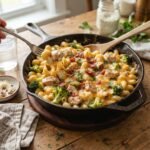
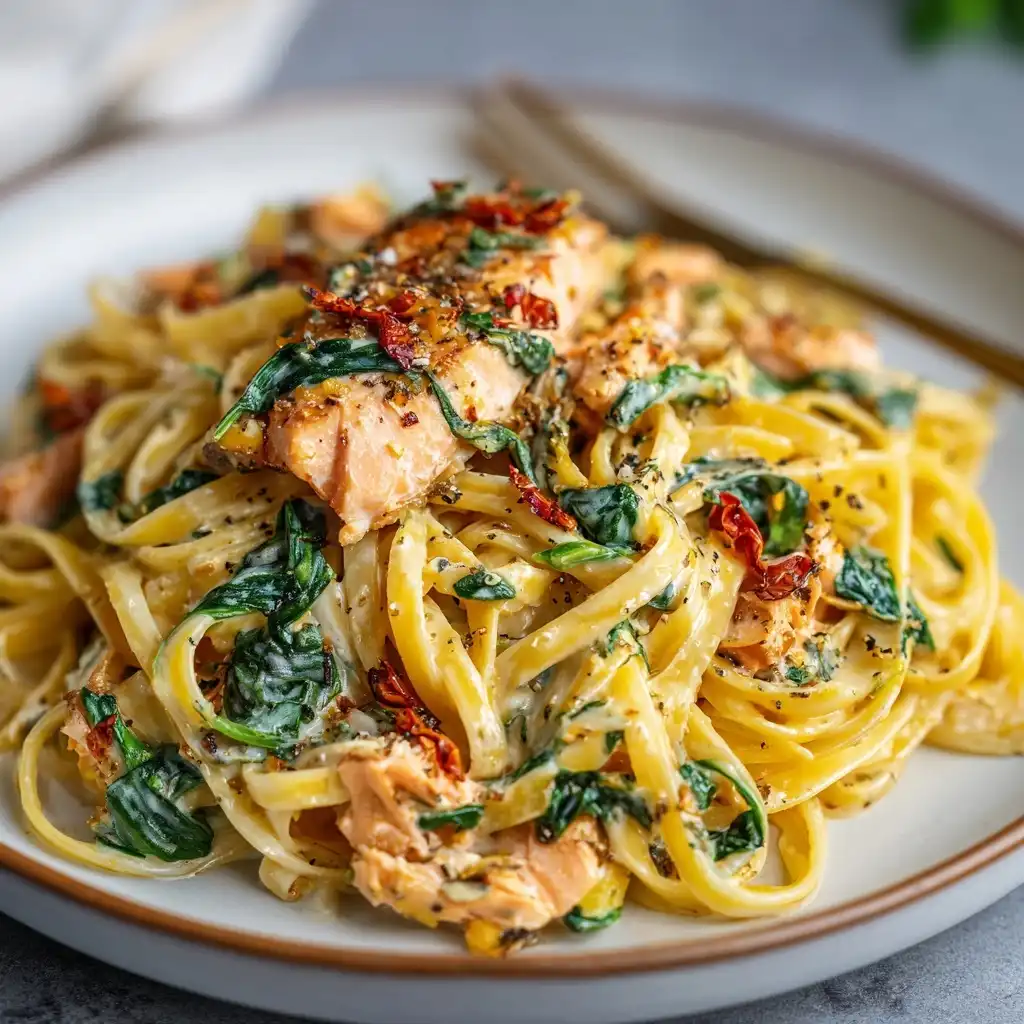
Creamy Tuscan Salmon Pasta is a luxurious, restaurant-worthy dish that effortlessly marries the rustic charm of Italian countryside cooking with the refined elegance of Pacific Northwest seafood. With its velvety herb-infused cream sauce, tender pan-seared salmon fillets, and al dente pasta kissed with sun-dried tomatoes, baby spinach, garlic, and Parmesan, this dish delivers layers of savory depth, bright acidity, and creamy richness—all in one satisfying bowl. It’s a weeknight dinner elevated to special-occasion status without demanding hours in the kitchen or obscure ingredients. Whether you’re cooking for a loved one, hosting an intimate dinner party, or simply treating yourself to something nourishing and soul-satisfying, Creamy Tuscan Salmon Pasta strikes the perfect balance between indulgence and approachability—proving that gourmet flavor doesn’t require gourmet effort.
The History
While “Creamy Tuscan Salmon Pasta” isn’t a traditional dish found in centuries-old Italian cookbooks—where salmon was historically rare in inland Tuscan cuisine—the recipe is a beautiful example of modern culinary fusion rooted in regional inspiration. Tuscany, known for its simplicity and reverence for seasonal, high-quality ingredients (think extra virgin olive oil, garlic, rosemary, tomatoes, and leafy greens), forms the philosophical backbone of this dish. The “Tuscan” descriptor evokes the classic panzanella-adjacent herbaceousness and the rustic use of vegetables like spinach and sun-dried tomatoes—ingredients now commonly associated with American-Italian and California-Italian interpretations of Tuscan fare.
The inclusion of salmon reflects 20th- and 21st-century global ingredient accessibility and the rise of health-conscious, omega-3-rich proteins in fine dining and home kitchens alike. Chefs and home cooks along the U.S. West Coast—and later across North America and the UK—began pairing wild-caught or responsibly farmed Atlantic and Pacific salmon with creamy, garlicky, wine-kissed sauces inspired by penne alla vodka, fettuccine Alfredo, and Tuscan-style ribollita-adjacent vegetable medleys. The creamy element—often built from heavy cream, mascarpone, or crème fraîche—adds luxurious mouthfeel while tempering the natural brininess of salmon. Over time, food magazines, cooking blogs, and social media platforms amplified variations of this dish, cementing it as a beloved staple in the repertoire of modern comfort cuisine: elegant enough for date night, flexible enough for meal prep, and deeply flavorful without relying on artificial enhancers or excessive sodium.
Ingredients Breakdown
Every component in Creamy Tuscan Salmon Pasta serves a distinct sensory and functional purpose—no ingredient is filler. Below is a detailed breakdown of why each matters, including sourcing tips and substitution logic:
- Salmon Fillets (skin-on or skinless): Opt for center-cut, wild-caught Alaskan sockeye or coho salmon for firm texture, vibrant color, and rich omega-3 content. Farmed Atlantic salmon works well too—look for ASC or BAP-certified options for sustainability. Skin-on yields crispier sear and helps retain moisture; remove before serving if preferred.
- Pasta: Linguine, fettuccine, or tagliatelle are ideal for their surface area and ability to hold creamy sauces. Whole wheat or legume-based (chickpea/lentil) pasta adds fiber and protein—just adjust cooking time and reserve extra starchy water to maintain silkiness.
- Heavy Cream (or full-fat coconut milk for dairy-free): Provides unctuous body and emulsifies the sauce. Ultra-pasteurized cream may take longer to thicken; avoid ultra-low-fat alternatives—they’ll curdle or yield a watery result.
- Fresh Garlic & Shallots: Shallots add nuanced sweetness and aromatic depth that onions can’t replicate; garlic lends pungent warmth. Always mince finely and sauté gently—never brown—to preserve brightness.
- Sun-Dried Tomatoes (oil-packed): Concentrated sweetness, tang, and chewy texture anchor the “Tuscan” profile. Reserve 1–2 tbsp of the packing oil—it’s liquid gold for sautéing and flavor layering. Avoid dry-packed unless rehydrated in warm broth or wine.
- Baby Spinach: Adds vibrant color, mild earthiness, and essential nutrients (vitamin K, folate, iron). It wilts quickly—add at the very end to preserve texture and nutrients.
- Fresh Herbs (basil + parsley + optional thyme or oregano): Basil brings sweet-anise freshness; flat-leaf parsley contributes clean, grassy notes; a pinch of dried oregano nods to Tuscan hilltowns. Add basil at the end to prevent bitterness; stir parsley in just before serving.
- Grated Parmigiano-Reggiano (not pre-grated): Authentic, aged Parmesan delivers umami depth, saltiness, and natural thickening power thanks to its enzymatic activity and granular texture. Pre-grated versions contain anti-caking agents that hinder melting and create graininess.
- Dry White Wine (e.g., Pinot Grigio, Sauvignon Blanc, or unoaked Chardonnay): Deglazes the pan, lifts fond, and adds bright acidity to cut through richness. Substitute with low-sodium vegetable broth + ½ tsp lemon juice if avoiding alcohol.
- Lemon Zest & Juice: Zest provides aromatic citrus oils; juice adds finishing acidity that balances fat and enhances salmon’s natural sweetness. Never skip—this is your freshness insurance.
- Extra Virgin Olive Oil (EVOO): Use a medium-fruity, peppery Tuscan-style EVOO for finishing drizzle—not for high-heat searing (its smoke point is low). Reserve a high-smoke-point oil (avocado or grapeseed) for salmon.
- Red Pepper Flakes (optional but recommended): A whisper of heat awakens all other flavors without overpowering. Toast lightly in oil for 10 seconds before adding aromatics for maximum impact.
Step-by-Step Recipe
This method prioritizes timing, temperature control, and layered flavor development—ensuring perfectly cooked salmon, luxuriously cohesive sauce, and pasta that’s never gummy or dry.
- Prep & Marinate (5 minutes): Pat salmon fillets *extremely* dry with paper towels—this is non-negotiable for crust formation. Season both sides generously with sea salt and freshly ground black pepper. Lightly dust with ½ tsp smoked paprika (optional, for depth) and let sit uncovered at room temperature for 10–15 minutes while you prep other ingredients.
- Cook Pasta (10–12 minutes): Bring a large pot of well-salted water (it should taste like the sea) to a rolling boil. Add pasta and cook 1 minute *less* than package instructions for al dente. Before draining, reserve 1 cup of starchy pasta water. Drain—but do *not* rinse—pasta. Return it to the warm pot off heat and toss lightly with 1 tsp olive oil to prevent sticking.
- Sear the Salmon (6–7 minutes): Heat 1½ tbsp high-smoke-point oil in a large, heavy-bottomed skillet (stainless steel or cast iron preferred) over medium-high heat until shimmering. Gently place salmon skin-side down (if skin-on). Press lightly with spatula for first 10 seconds to ensure contact. Cook undisturbed for 4–5 minutes until skin is golden-crisp and releases easily. Flip and cook another 1–2 minutes for medium doneness (internal temp 125°F). Transfer to a plate, loosely tent with foil, and rest for 5 minutes (carryover cooking finishes it to 130–135°F).
- Build the Sauce Base (4 minutes): In the *same skillet*, reduce heat to medium-low. Pour off excess oil, leaving ~1 tbsp. Add 1 tbsp reserved sun-dried tomato oil, then sauté 2 minced shallots and 3 thinly sliced garlic cloves with ¼ tsp red pepper flakes for 1 minute—until fragrant but not browned. Stir in ½ cup chopped sun-dried tomatoes and cook 30 seconds to bloom flavors.
- Deglaze & Simmer (3 minutes): Pour in ½ cup dry white wine, scraping vigorously with a wooden spoon to lift all caramelized bits (fond) from the pan bottom. Simmer 2 minutes until wine reduces by half and aroma intensifies.
- Enrich & Emulsify (5 minutes): Reduce heat to low. Whisk in ¾ cup heavy cream and 2 tbsp grated Parmigiano-Reggiano. Simmer gently—do not boil vigorously—for 3–4 minutes, stirring often, until sauce thickens slightly and coats the back of a spoon. If too thick, whisk in reserved pasta water 1 tbsp at a time.
- Combine & Finish (2 minutes): Add drained pasta to the sauce. Toss over low heat for 1 minute to coat evenly. Fold in 3 cups fresh baby spinach until just wilted (30–45 seconds). Gently flake rested salmon into large, delicate pieces—avoid overmixing to preserve texture. Stir in zest of 1 lemon, juice of ½ lemon, 2 tbsp chopped fresh basil, and 2 tbsp chopped flat-leaf parsley. Taste and adjust: more salt? A pinch more black pepper? A drizzle of EVOO?
- Serve Immediately: Divide among warmed shallow bowls. Top with extra Parmigiano-Reggiano, a final twist of black pepper, micro basil or edible flowers (optional), and a generous drizzle of high-quality extra virgin olive oil.
Tips
- Salmon Sear Secret: For foolproof crisp skin, score the skin *shallowly* (3–4 parallel cuts) against the grain before seasoning—this prevents curling and ensures even contact.
- Pasta Water Is Your Sauce’s Best Friend: Its starch acts as a natural binder and emulsifier. Always reserve it *before* draining—and add it gradually while tossing pasta into sauce for glossy, clingy results.
- Cream Safety First: Never add cold cream to a hot pan—it may separate. Warm cream slightly in a measuring cup with a splash of pasta water before incorporating.
- Don’t Overcook the Spinach: Add it *after* the sauce has thickened and pasta is incorporated. Residual heat wilts it perfectly—bright green, tender-crisp, and nutrient-retentive.
- Rest the Salmon: Skipping the 5-minute rest leads to dry, crumbly fish. Resting allows juices to redistribute, yielding moist, flaky bites every time.
- Low-and-Slow Cream Reduction: High heat causes cream to break or scorch. Gentle simmering develops nutty, caramelized notes without risking curdling.
- Acid Timing Matters: Lemon juice added too early loses vibrancy. Always finish with citrus—zest first, then juice—to awaken the entire dish.
- Herb Hierarchy: Basil oxidizes quickly—add it last. Parsley can go in earlier, but for peak freshness, stir in half with the spinach and half at the very end.
- Wine Wisdom: Use a wine you’d drink. “Cooking wine” contains salt and preservatives that muddy flavor. If uncertain, opt for a crisp, unoaked white with high acidity.
- Make-Ahead Strategy: Cook pasta and sear salmon up to 2 hours ahead. Store separately, covered, at room temperature. Reheat salmon gently in oven (300°F, 5 mins); warm pasta in skillet with splash of broth before building sauce.
Variations and Customizations
This recipe is a canvas—adaptable to dietary needs, seasonal produce, pantry limitations, and global inspirations. Here’s how to make it your own:
Dietary Adaptations
- Dairy-Free: Replace heavy cream with full-fat canned coconut milk (shake well before using) + 1 tsp nutritional yeast for umami. Use vegan Parmesan (e.g., Violife or Follow Your Heart) and olive oil instead of butter.
- Gluten-Free: Use certified GF pasta (brown rice, quinoa, or lentil blends work best). Ensure wine and sun-dried tomatoes are GF-certified (some brands use gluten-containing vinegar).
- Keto/Low-Carb: Swap pasta for spiralized zucchini (“zoodles”), shirataki noodles, or roasted spaghetti squash. Increase healthy fats—add ¼ avocado per serving or 1 tbsp pine nuts.
- Pescatarian/Vegetarian Hybrid: Replace salmon with marinated, grilled artichoke hearts + white beans (cannellini or Great Northern), or pan-seared king oyster mushrooms for meaty texture.
Flavor & Texture Twists
- Provençal Style: Add 1 tsp herbes de Provence, ½ cup halved Kalamata olives, and 2 tbsp chopped niçoise olives. Skip sun-dried tomatoes; use cherry tomatoes roasted in olive oil.
- Spicy Arrabbiata-Inspired: Double red pepper flakes, add 1 minced Fresno chili with aromatics, and finish with Calabrian chili paste.
- Spring Garden Version: Swap spinach for asparagus ribbons (blanched 1 minute), add ¼ cup fresh peas, and garnish with mint and chives instead of basil.
- Umami Bomb: Stir in 1 tsp white miso paste with the cream, or add 2 rehydrated dried porcini mushrooms (finely chopped) with the shallots.
- Creamy Tomato-Roasted Red Pepper: Blend ½ cup roasted red peppers + 2 tbsp tomato paste into the sauce base for deeper sweetness and smokiness.
Protein Swaps
- Shrimp: Sauté peeled, deveined shrimp 2–3 minutes per side until pink and curled. Add at the very end—don’t overcook.
- Chicken: Use thinly sliced, pounded chicken breast. Sear until golden and cooked through (165°F), then proceed with sauce.
- Scallops: Dry-sear dry-packed diver scallops in same skillet for 1.5–2 minutes per side. Add after sauce is ready—toss gently.
- Plant-Based “Salmon”: Try marinated, baked beetroot “salmon” (beets + nori + liquid smoke + maple) or smoked tofu cubes.
Health Considerations and Nutritional Value
Creamy Tuscan Salmon Pasta is nutritionally robust when prepared mindfully—offering a synergistic blend of macro- and micronutrients that support heart health, cognitive function, inflammation modulation, and gut wellness.
Nutrient Highlights (per standard serving, approx. 1.5 cups)
- Omega-3 Fatty Acids (EPA & DHA): Wild salmon provides ~1,200–2,000 mg per 4-oz portion—clinically shown to lower triglycerides, reduce arterial plaque, and support neural membrane integrity. Pairing with olive oil enhances absorption.
- High-Quality Protein: ~32g per serving supports muscle synthesis, satiety, and metabolic rate. Salmon protein is highly bioavailable and complete (all 9 essential amino acids).
- Antioxidant Powerhouse: Sun-dried tomatoes deliver lycopene (increased 3–4x vs. raw tomatoes due to processing), while spinach contributes lutein, beta-carotene, and vitamin C—synergistically protecting cells from oxidative stress.
- Fiber & Gut Health: Whole grain pasta adds ~5–6g fiber; spinach contributes prebiotic compounds that feed beneficial gut bacteria. Optional additions like garlic and shallots provide allicin and quercetin—natural antimicrobials and anti-inflammatories.
- Vitamin D & B12: Salmon is one of the few natural food sources of vitamin D (≈450 IU/4 oz), crucial for immune regulation and calcium absorption. It’s also exceptionally rich in B12—supporting red blood cell formation and neurological health.
Considerations for Balanced Enjoyment
- Cream Moderation: Heavy cream contributes saturated fat (~4.5g per ¼ cup). To reduce without sacrificing texture: substitute ¼ cup cream + ¼ cup whole milk + 1 tbsp mascarpone, or use evaporated milk (lower fat, higher protein).
- Sodium Awareness: Sun-dried tomatoes, Parmesan, and soy sauce (if used in variations) are sodium-dense. Control salt by omitting added table salt until tasting at the end—and choosing low-sodium broth if substituting wine.
- Glycemic Load: Refined pasta has a moderate GI. Mitigate spikes by pairing with ample protein/fat (salmon, olive oil, cheese) and non-starchy vegetables (spinach, herbs). For insulin sensitivity, prioritize legume-based pasta.
- Mercury & Sustainability: Choose smaller, younger fish (coho, pink, or farmed Atlantic) over king salmon or swordfish. Consult Seafood Watch (Monterey Bay Aquarium) for region-specific, eco-certified recommendations.
- Alcohol Note: Most alcohol (≈95%) evaporates during deglazing and simmering. Residual ethanol is negligible (<0.5g/serving)—but for strict avoidance, use broth + acid as noted.
This dish aligns beautifully with Mediterranean, MIND, and DASH diet principles—prioritizing whole foods, healthy fats, lean protein, and phytonutrient-dense plants. When enjoyed 1–2 times weekly as part of a varied diet, it contributes meaningfully to long-term wellness goals.
Ingredients
- 1 lb (450g) skin-on or skinless salmon fillets, center-cut, pin bones removed
- 12 oz (340g) linguine, fettuccine, or tagliatelle (or GF alternative)
- 3 tbsp high-smoke-point oil (avocado, grapeseed, or refined olive oil), divided
- 2 tbsp reserved oil from oil-packed sun-dried tomatoes
- 2 large shallots, finely minced (≈½ cup)
- 4 garlic cloves, thinly sliced
- ¼ tsp crushed red pepper flakes (more to taste)
- ½ cup oil-packed sun-dried tomatoes, drained and finely chopped (reserve oil!)
- ½ cup dry white wine (Pinot Grigio, Sauvignon Blanc, or unoaked Chardonnay)
- ¾ cup heavy cream (or full-fat coconut milk for dairy-free)
- ⅓ cup freshly grated Parmigiano-Reggiano, plus extra for serving
- 3 cups fresh baby spinach, packed
- Zest and juice of 1 large lemon (about 1 tbsp zest, 2 tbsp juice)
- ¼ cup fresh basil leaves, chopped (plus extra for garnish)
- ¼ cup fresh flat-leaf parsley, chopped
- Sea salt and freshly ground black pepper, to taste
- High-quality extra virgin olive oil, for finishing drizzle
Directions
- Pat salmon fillets extremely dry with paper towels. Season generously on both sides with sea salt and black pepper. Let sit at room temperature for 10–15 minutes.
- Bring 4–5 quarts of water to a rolling boil. Add 2 tbsp kosher salt. Cook pasta 1 minute less than package directions for al dente. Reserve 1 cup starchy water before draining. Drain pasta (do not rinse) and return to pot. Toss with 1 tsp olive oil; set aside.
- Heat 1½ tbsp high-smoke-point oil in a large stainless or cast-iron skillet over medium-high heat until shimmering. Place salmon skin-side down (if skin-on). Press gently for 10 seconds. Cook undisturbed 4–5 minutes until skin is golden and releases easily. Flip and cook 1–2 minutes more for medium. Transfer to plate, tent loosely with foil, and rest 5 minutes.
- Reduce heat to medium-low. Pour off excess oil, leaving ~1 tbsp. Add reserved sun-dried tomato oil. Sauté shallots, garlic, and red pepper flakes 1 minute until fragrant. Stir in chopped sun-dried tomatoes; cook 30 seconds.
- Pour in wine, scraping pan vigorously to lift fond. Simmer 2 minutes until reduced by half.
- Reduce heat to low. Whisk in heavy cream and 2 tbsp Parmigiano-Reggiano. Simmer gently 3–4 minutes, stirring often, until sauce coats spoon. Adjust thickness with reserved pasta water as needed.
- Add cooked pasta to sauce. Toss over low heat 1 minute. Fold in spinach until just wilted (30–45 sec).
- Gently flake rested salmon into large pieces. Fold into pasta. Stir in lemon zest, lemon juice, basil, and parsley. Taste and adjust seasoning.
- Serve immediately in warmed bowls. Top with extra Parmigiano-Reggiano, black pepper, basil leaves, and a generous drizzle of extra virgin olive oil.
FAQ
- Can I use frozen salmon?
- Yes—thaw overnight in the fridge or use the cold-water method (sealed bag, submerged 30–45 min). Pat *thoroughly* dry before seasoning; excess moisture prevents browning.
- Why does my sauce break or look curdled?
- Most often caused by boiling cream too hard, adding cold cream to hot pan, or acidic ingredients (lemon juice) added too early. Fix: Remove from heat, whisk in 1 tsp cold cream or pasta water, and gently re-warm. Next time, keep heat low and add acid only at the end.
- Can I make this ahead of time?
- Best served fresh—but components store well. Cook pasta and sear salmon up to 2 hours ahead. Store separately, covered, at room temp. Reheat salmon at 300°F for 5 minutes; warm pasta in skillet with broth before combining with sauce. Do not fully assemble and refrigerate—the sauce may separate and spinach will weep.
- What’s the best pasta shape for this dish?
- Linguine and fettuccine excel due to their broad, flat surfaces that grip creamy sauces. Spaghetti works, but tends to slip. Avoid short shapes like penne—they trap sauce unevenly and can become gummy.
- Can I use canned salmon?
- Not recommended—texture and flavor differ significantly. Canned salmon lacks the delicate flakiness and clean oceanic taste. If necessary, use high-quality, skinless, boneless wild canned salmon—drain well and fold in at the end without further cooking.
- Is there a way to lighten this dish without losing richness?
- Absolutely. Replace half the cream with whole milk + 1 tbsp cornstarch slurry (whisked in cold), or use evaporated milk. Boost umami with 1 tsp white miso or 1 tbsp nutritional yeast. Add extra spinach or roasted veggies (zucchini, bell peppers) to increase volume and nutrients.
- How do I know when salmon is perfectly cooked?
- Use a digital thermometer: 125°F = medium-rare (most moist), 130–135°F = medium (ideal flakiness). Visually, the flesh should be opaque pink at the edges, slightly translucent at the center when pressed gently, and release easily from the pan. It will continue cooking while resting.
- Can I freeze leftovers?
- Not recommended. Cream-based sauces and delicate fish do not freeze well—cream may separate, salmon becomes mushy, and spinach turns brown and slimy upon thawing. Best enjoyed within 24 hours refrigerated (store components separately).
- What wine pairs best with this dish?
- A crisp, mineral-driven white complements without competing: Vermentino, Assyrtiko, or a cool-climate Chardonnay with restrained oak. For red lovers, try a light-bodied, low-tannin option like Pinot Noir or Schiava.
- My sauce is too thin—even after simmering. How do I thicken it?
- First, ensure you’ve reduced the wine sufficiently. Then, whisk in a slurry of 1 tsp cornstarch + 1 tsp cold water, or 1 tbsp grated Parmigiano-Reggiano off heat. Simmer 30 seconds more. Alternatively, let pasta sit in warm sauce 2 minutes off heat—the starch will naturally thicken it.
Summary
Creamy Tuscan Salmon Pasta is a masterclass in balanced luxury—featuring perfectly seared, omega-3-rich salmon nestled in a velvety, herb-flecked sauce infused with sun-dried tomatoes, garlic, white wine, and Parmigiano-Reggiano, all clinging to tender strands of pasta and vibrant baby spinach.
Effortlessly elegant yet grounded in accessible techniques and wholesome ingredients, it’s a nourishing, restaurant-caliber dish that celebrates seasonality, sustainability, and the joyful alchemy of simple elements transformed into something extraordinary—ready in under