Introduction
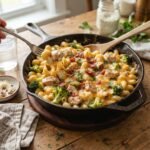
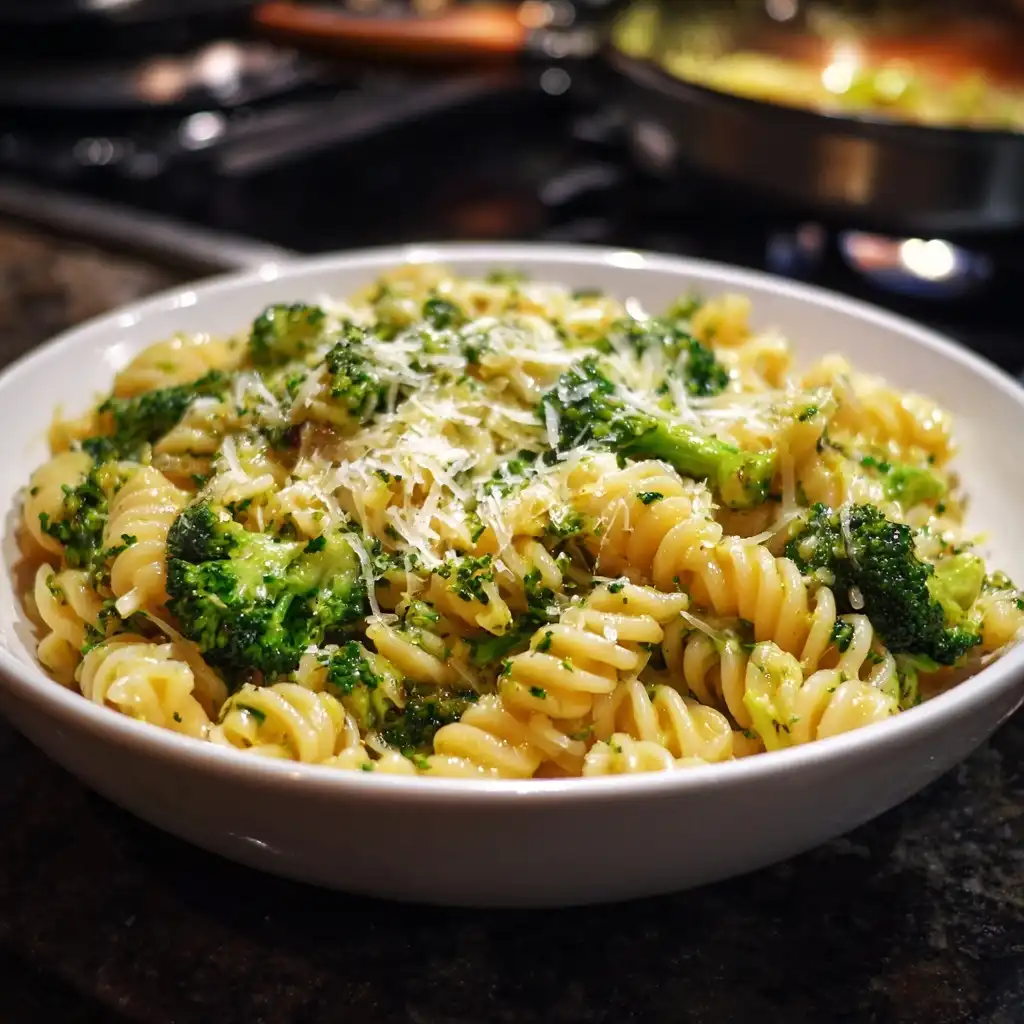
Broccoli Cheddar Pasta is a beloved, comforting, and versatile dish that bridges the gap between home-cooked simplicity and gourmet satisfaction. With its creamy, velvety cheese sauce hugging tender-crisp broccoli florets and perfectly cooked pasta, it’s no wonder this recipe has become a staple in American kitchens—from weeknight dinners and potlucks to holiday buffets and school cafeterias. Its appeal lies not only in its rich, savory flavor but also in its adaptability: it can be made stovetop in under 30 minutes, baked for a golden, bubbly finish, or even transformed into a protein-packed meal with added chicken, bacon, or legumes. Whether you’re feeding picky eaters, meal prepping for busy professionals, or seeking a nostalgic yet nourishing dish, Broccoli Cheddar Pasta delivers on taste, texture, and heartwarming familiarity—all while offering surprising nutritional depth when prepared thoughtfully.
The History
The origins of Broccoli Cheddar Pasta are rooted in the broader evolution of American “mac and cheese” culture, which itself descends from European cheese-and-pasta traditions—particularly English baked macaroni dishes documented as early as the 14th century and popularized in colonial America by figures like Thomas Jefferson, who imported both Parmesan cheese and a pasta machine from Naples. However, the specific fusion of broccoli and cheddar with pasta emerged more distinctly in the mid-20th century, coinciding with several cultural shifts: the post-WWII boom in processed cheese products (like Velveeta and American cheese slices), the rise of frozen and canned vegetables, and growing emphasis on incorporating green vegetables into family meals—especially after nutrition campaigns promoted broccoli as a “superfood” in the 1970s and ’80s. Early versions appeared in church cookbooks, Betty Crocker publications, and women’s magazines like Good Housekeeping, often featuring condensed soups (cream of mushroom or cheddar) as convenient sauce bases. By the 1990s and 2000s, artisanal food movements began reimagining the dish with sharp aged cheddars, whole-grain or legume-based pastas, and fresh, locally sourced broccoli—transforming it from a convenience-food relic into a celebrated comfort classic with culinary credibility. Today, it’s featured on restaurant menus coast-to-coast, adapted for dietary needs (gluten-free, dairy-free, vegan), and celebrated across social media platforms for its visual appeal and customizable nature.
Ingredients Breakdown
Understanding each ingredient’s role ensures consistent, flavorful, and balanced results:
- Pasta: Typically short-cut varieties like elbow macaroni, penne, fusilli, or cavatappi are preferred for their ability to hold sauce and cradle broccoli florets. Durum wheat semolina pasta offers ideal chew and starch release, which helps thicken the sauce naturally. Whole-wheat, chickpea, lentil, or brown rice pasta provide fiber and protein boosts—and all work well when cooked al dente to prevent mushiness.
- Broccoli: Fresh broccoli is optimal for vibrant color, crisp-tender texture, and maximum nutrient retention (especially vitamin C, folate, sulforaphane, and fiber). Florets should be uniform in size for even cooking; stems can be peeled and diced for added texture and nutrition. Frozen broccoli (unseasoned, steam-in-bag variety) is a viable shortcut—but should be thoroughly drained and patted dry to avoid watering down the sauce.
- Cheddar Cheese: The soul of the dish. Sharp or extra-sharp aged cheddar provides bold, tangy depth and superior melting properties due to its lower moisture and higher fat content. Mild cheddar melts smoothly but lacks complexity; white cheddar offers a subtler flavor profile and beautiful aesthetic. For best results, always grate your own cheese—pre-shredded varieties contain anti-caking agents (like cellulose or potato starch) that inhibit smooth melting and can cause graininess or oil separation.
- Milk or Dairy Base: Whole milk contributes creaminess and richness without heaviness; half-and-half or light cream adds luxurious body; unsweetened oat or cashew milk works well in dairy-free versions. Avoid skim milk unless fortified with a roux or slurry—it lacks enough fat to emulsify the cheese properly and may yield a thin, chalky sauce.
- Butter & Flour (Roux): A classic béchamel foundation—equal parts butter and flour cooked briefly to remove raw flour taste—acts as the stabilizing thickener. Butter adds richness and flavor; clarified butter or ghee enhances shelf life and high-heat tolerance. Gluten-free cooks can substitute rice flour, cornstarch, or arrowroot powder (used as a slurry rather than roux).
- Aromatics & Seasonings: Onion (finely diced or minced) and garlic (freshly minced or lightly crushed) build foundational savoriness. Dijon mustard (½–1 tsp) is a secret weapon—it contains vinegar and enzymes that help emulsify the cheese, preventing clumping and adding bright acidity. Dry mustard powder serves a similar function and deepens cheddar’s nuttiness. A pinch of cayenne or smoked paprika adds subtle warmth and complexity without heat. Salt and freshly ground black pepper are essential—not just for seasoning, but for balancing fat and enhancing umami.
- Optional Enhancements: A splash of beer (lager or pale ale) introduces malty depth and aids in cheese emulsification; a tablespoon of cream cheese or Gruyère adds silkiness and nuance; toasted panko or crushed Ritz crackers provide textural contrast in baked versions.
Step-by-Step Recipe
- Prep the Ingredients: Bring a large pot of heavily salted water (2 tbsp kosher salt per 4 quarts) to a rolling boil. While water heats, wash and cut 1 large head of broccoli (about 4 cups florets); peel and dice ½ cup of stems if using. Grate 3–4 cups (12–16 oz) of sharp cheddar cheese—set aside 1 cup for topping. Mince 2 cloves garlic and finely dice ½ small yellow onion. Measure 2 tbsp unsalted butter, 2 tbsp all-purpose flour, 2 cups whole milk (warmed slightly), 1 tsp Dijon mustard, ¼ tsp dry mustard, ⅛ tsp cayenne, ½ tsp freshly ground black pepper, and 1 tsp kosher salt (adjust to taste).
- Cook the Pasta: Add pasta to boiling water and cook 1–2 minutes *less* than package directions for al dente texture (e.g., 7 min instead of 9). In the last 2 minutes of pasta cooking, add broccoli florets directly to the same pot—this blanches them perfectly and saves a dish. Reserve 1 cup of starchy pasta water before draining. Rinse *only if baking later*—otherwise, keep pasta moist and starchy to help bind the sauce.
- Make the Roux: In a large Dutch oven or heavy-bottomed saucepan, melt butter over medium-low heat. Add diced onion; sauté 3–4 minutes until translucent. Stir in garlic; cook 30 seconds until fragrant. Whisk in flour; cook 1 minute, stirring constantly, until golden and nutty—do not let it brown.
- Build the Béchamel: Gradually whisk in warm milk, ½ cup at a time, ensuring each addition is fully incorporated and smooth before adding more. Continue whisking as mixture simmers gently—about 5–6 minutes—until thickened to a loose gravy consistency (coats the back of a spoon). Stir in Dijon, dry mustard, cayenne, black pepper, and salt.
- Emulsify the Cheese Sauce: Reduce heat to low. Gradually add grated cheddar, about ½ cup at a time, whisking constantly and allowing each addition to fully melt before adding more. Pause occasionally to scrape the bottom and sides. If sauce begins to look greasy or separates, immediately remove from heat and whisk in 2–3 tbsp reserved pasta water or cold milk—this cools it slightly and restores emulsion. Continue until all cheese is melted and sauce is luxuriously smooth, glossy, and thick enough to mound slightly.
- Combine & Finish: Gently fold drained pasta and broccoli into the cheese sauce. Stir over low heat 1–2 minutes to meld flavors and allow pasta to absorb sauce. If too thick, add reserved pasta water 1 tbsp at a time until desired consistency is reached. Taste and adjust seasoning—more salt, pepper, mustard, or a squeeze of lemon juice for brightness.
- Serve Immediately—or Prepare for Baking: For stovetop version, serve hot garnished with extra cheddar, chives, and cracked black pepper. For baked version, transfer to a greased 9×13-inch baking dish, top with remaining 1 cup cheese and/or ½ cup buttered panko, and bake at 375°F for 20–25 minutes until bubbling and golden.
Tips
- Grate Your Own Cheese: Pre-shredded cheese contains anti-caking agents that interfere with melting—leading to grainy, oily, or stringy sauces. Freshly grated cheddar melts evenly and delivers richer flavor.
- Undercook the Pasta: Always cook pasta 1–2 minutes shy of al dente. It continues to absorb liquid and soften while coated in hot sauce—and will overcook if fully done beforehand.
- Warm the Milk: Cold milk shocks the roux and causes lumps. Gently warming it (in microwave or saucepan) ensures seamless incorporation and faster thickening.
- Low and Slow Cheese Melting: High heat causes cheese proteins to seize and separate. Keep sauce on low heat and add cheese gradually—patience yields silkiness.
- Reserve Pasta Water: That starchy, salty liquid is liquid gold—it adjusts consistency, adds flavor, and acts as an emulsifier. Never skip reserving at least ½ cup.
- Blanch Broccoli in Pasta Water: Saves time, energy, and dishes—and infuses broccoli with subtle salinity while preserving color and crunch.
- Acid Is Essential: A small amount of acid—Dijon, dry mustard, apple cider vinegar (¼ tsp), or lemon juice (½ tsp at the end)—cuts through richness, balances fat, and prevents the dish from tasting flat or cloying.
- Rest Before Serving (Especially When Baking): Let baked versions sit 5–10 minutes before serving—this allows sauce to re-set, prevents scalding, and improves sliceability.
- Reheat Gently: Leftovers reheat best on the stovetop with a splash of milk and constant stirring. Microwaving often leads to rubbery cheese and separated sauce.
- Taste As You Go: Cheese saltiness varies widely—even within the same brand. Adjust salt incrementally, especially after cheese is added.
Variations and Customizations
This dish is endlessly adaptable—here are expert-tested variations for every palate and pantry:
- Creamy Stovetop Version: Skip baking entirely. Add 2 oz softened cream cheese and ¼ cup grated Gruyère with the cheddar for ultra-luxurious mouthfeel and depth.
- Baked Crispy-Topped: After combining pasta and sauce, transfer to baking dish. Top with ½ cup panko tossed with 1 tbsp melted butter and 2 tbsp grated Parmesan. Bake at 375°F for 22 minutes until golden and bubbling.
- Protein-Packed: Stir in 1½ cups diced rotisserie chicken, 6 strips of crispy cooked bacon (reserve some for garnish), or 1 cup cooked lentils or white beans for plant-based protein and fiber.
- Vegetable-Forward: Add 1 cup sautéed mushrooms, ½ cup roasted cherry tomatoes, ½ cup shredded carrots (blanched), or 1 cup baby spinach (stirred in at the end until wilted).
- Gluten-Free: Use certified GF pasta (brown rice or quinoa blend works best) and replace flour roux with 2 tbsp cornstarch or arrowroot mixed with 3 tbsp cold milk. Whisk into hot milk *after* it simmers for 2 minutes.
- Dairy-Free/Vegan: Use unsweetened, unflavored oat or cashew milk; replace butter with vegan butter or refined coconut oil; use nutritional yeast (¼ cup) + 1 tbsp lemon juice + 1 tsp miso paste for “cheesy” umami. Add 1 tbsp tapioca starch for stretch. Top with vegan cheddar shreds.
- Spicy Southwest: Swap cheddar for pepper jack; add 1 diced jalapeño (seeded), 1 tsp chipotle powder, and ½ cup black beans and corn. Garnish with cilantro and lime crema.
- Gourmet Mushroom & Truffle: Sauté 1 cup mixed wild mushrooms in butter and thyme. Fold in at the end, then finish with ½ tsp white truffle oil and microgreens.
- Kid-Friendly Mild: Use mild cheddar or Colby-Jack, omit cayenne and garlic, add 1 tbsp honey or maple syrup for subtle sweetness, and stir in ¼ cup pureed cauliflower for hidden veggie boost.
- Meal-Prep Friendly: Undercook pasta by 2 minutes, cool sauce completely before mixing, and store in airtight containers for up to 4 days. Reheat with extra milk to refresh creaminess.
Health Considerations and Nutritional Value
While often perceived as indulgent, Broccoli Cheddar Pasta can be a nutritionally robust meal—especially when thoughtfully composed. A standard serving (1¾ cups, made with whole milk, sharp cheddar, and whole-wheat pasta) typically provides approximately 480–520 calories, 22–26g protein, 55–60g carbohydrates (including 6–8g fiber), and 18–22g fat (with 10–12g saturated). Crucially, it delivers significant micronutrients: ~120% DV of vitamin K (from broccoli), ~60% DV of calcium and phosphorus (from cheddar), ~40% DV of vitamin C (if broccoli is not overcooked), plus folate, potassium, selenium, and bioactive compounds like sulforaphane—linked to antioxidant, anti-inflammatory, and potential cancer-protective effects.
Smart Swaps for Enhanced Wellness:
- Pasta Choice: Opt for 100% whole-grain, legume-based (lentil, chickpea), or ancient grain (farro, kamut) pasta to double fiber and add iron, magnesium, and polyphenols.
- Cheese Strategy: Blend sharp cheddar with part-skim mozzarella or reduced-fat Swiss—maintaining flavor while lowering saturated fat by 25–30%. Or use ¾ cup full-fat cheddar + ¼ cup nutritional yeast for sodium and fat reduction without sacrificing umami.
- Fat Optimization: Replace half the butter with olive oil or avocado oil for heart-healthy monounsaturated fats. Use 1% or skim milk *only* if supplementing with 1 tbsp cornstarch or blending in ¼ cup silken tofu for creaminess.
- Sodium Awareness: Most sodium comes from cheese and added salt—choose low-sodium cheddar when possible and rely on herbs (dill, chives, parsley), spices (smoked paprika, garlic powder), and lemon zest for flavor instead of excess salt.
- Portion Mindfulness: Serve alongside a large side salad (mixed greens, vinaigrette) or roasted vegetables to increase volume, fiber, and satiety—naturally moderating pasta intake.
- Allergen Notes: Naturally nut-free and soy-free (unless using soy-based dairy alternatives). Easily adapted for egg-free, shellfish-free, and pork-free diets. Always verify cheese labels for animal rennet if vegetarian preferences apply.
For those managing conditions like hypertension, diabetes, or high cholesterol, this dish fits well within balanced eating patterns (e.g., DASH, Mediterranean, or ADA guidelines) when portion-controlled and paired with non-starchy vegetables. Registered dietitians frequently recommend it as a “gateway dish” to increase vegetable consumption—especially among children—due to broccoli’s mild bitterness being beautifully mellowed by cheddar’s fat and salt.
Ingredients
- 12 oz (340g) short-cut pasta (elbow, penne, fusilli, or cavatappi)
- 1 large head fresh broccoli (about 4 cups florets + optional peeled, diced stems)
- 3–4 cups (12–16 oz) sharp or extra-sharp cheddar cheese, freshly grated (divided)
- 2 tbsp unsalted butter
- ½ small yellow onion, finely diced
- 2 cloves garlic, minced
- 2 tbsp all-purpose flour (or gluten-free flour blend)
- 2 cups whole milk (or unsweetened oat/cashew milk for dairy-free)
- 1 tsp Dijon mustard
- ¼ tsp dry mustard powder
- ⅛ tsp cayenne pepper (optional)
- ½ tsp freshly ground black pepper
- 1 tsp kosher salt (plus more for pasta water)
- 2 tbsp reserved pasta water (or more, as needed)
Directions
- Bring 4–5 quarts of water to a vigorous boil in a large stockpot. Add 2 tablespoons kosher salt.
- Add pasta and cook, stirring occasionally, for 1–2 minutes less than package instructions indicate for al dente texture.
- With 2 minutes remaining on pasta cook time, add broccoli florets (and diced stems, if using) directly to the boiling water. Continue cooking until pasta is al dente and broccoli is bright green and tender-crisp—about 2 more minutes.
- Reserve 1 cup of starchy pasta water, then drain pasta and broccoli thoroughly in a colander. Do not rinse unless preparing for baking later.
- In a large Dutch oven or heavy-bottomed saucepan, melt butter over medium-low heat. Add diced onion and sauté for 3–4 minutes until soft and translucent.
- Add minced garlic and cook for 30 seconds, stirring constantly, until fragrant.
- Whisk in flour and cook for 1 minute, stirring continuously, until mixture is bubbly and lightly golden.
- Gradually whisk in warm milk, ½ cup at a time, ensuring each addition is fully smooth before adding the next. Bring to a gentle simmer and cook, whisking frequently, for 5–6 minutes until thickened to a pourable gravy consistency.
- Stir in Dijon mustard, dry mustard, cayenne (if using), black pepper, and 1 tsp kosher salt. Taste and adjust seasoning.
- Reduce heat to low. Gradually add grated cheddar cheese, about ½ cup at a time, whisking constantly until each addition is fully melted and smooth before adding more. Pause to scrape the bottom and sides of the pan.
- If sauce appears greasy or begins separating, immediately remove from heat and whisk in 1–2 tablespoons reserved pasta water to cool and re-emulsify.
- Once all cheese is incorporated and sauce is velvety and cohesive, gently fold in drained pasta and broccoli.
- Stir over low heat for 1–2 minutes, allowing pasta to absorb sauce. Add additional reserved pasta water, 1 tablespoon at a time, until sauce coats pasta luxuriously but isn’t runny.
- Taste again and adjust salt, pepper, or a final splash of lemon juice or Dijon for brightness.
- Serve immediately, garnished with remaining cheddar, chopped fresh chives, and extra black pepper—or transfer to a greased 9×13-inch baking dish, top with reserved cheese and/or buttered panko, and bake at 375°F for 20–25 minutes until golden and bubbling.
FAQ
- Can I make this ahead of time?
- Yes! Prepare the cheese sauce and cooked pasta separately up to 2 days in advance. Store refrigerated in airtight containers. Reheat sauce gently with a splash of milk, then combine with pasta and broccoli just before serving—or assemble fully and refrigerate unbaked for up to 24 hours before baking.
- Why did my cheese sauce break or become grainy?
- Common culprits include: overheating the sauce, adding cold cheese, using pre-shredded cheese, or stirring too vigorously once cheese is added. Rescue it by removing from heat, whisking in 1–2 tbsp cold milk or pasta water, and letting it rest 1 minute before gently reheating.
- Can I freeze Broccoli Cheddar Pasta?
- It’s not ideal—dairy-based sauces tend to separate and become gritty upon thawing and reheating. However, unbaked portions freeze better than fully cooked ones. Portion into freezer-safe containers, leave ½-inch headspace, and freeze up to 2 months. Thaw overnight in fridge and bake from chilled (add 5–10 extra minutes).
- What’s the best cheese to use besides cheddar?
- Try blending cheddar with Gruyère (nutty, melty), Fontina (buttery, mild), Monterey Jack (creamy), or a touch of blue cheese (for bold contrast). Avoid very low-moisture cheeses like Parmesan alone—they won’t melt smoothly.
- How do I keep broccoli bright green and not mushy?
- Blanch it *with* the pasta in the final 2 minutes—this limits exposure to heat and preserves color and texture. Alternatively, roast broccoli at 425°F for 15–20 minutes before folding in for deeper, caramelized flavor and firmer bite.
- Is there a way to make it lower in carbs?
- Absolutely. Replace half the pasta with spiralized zucchini (zoodles), steamed cauliflower rice, or shirataki noodles. Or go “pasta-light” with 6 oz pasta + 2 cups riced broccoli or shredded cabbage for bulk and fiber.
- Can I use frozen broccoli?
- Yes—but thaw completely, then squeeze *all* excess water out using a clean kitchen towel or paper towels. Excess moisture dilutes the sauce and prevents proper coating.
- Why does my dish taste bland?
- Most likely under-seasoning. Cheese saltiness varies dramatically—always season the sauce *after* cheese is added, not before. Also ensure you’re using enough mustard (for tang/emulsification) and black pepper (for aromatic warmth). A final squeeze of lemon juice can revive flat flavor instantly.
- Can I make it in an Instant Pot?
- Yes! Use the Sauté function to cook onion/garlic and make roux. Add milk, seasonings, and 1 cup water. Seal and pressure cook pasta and broccoli together for 3 minutes (natural release 5 min). Quick release, stir in cheese gradually, and use “Keep Warm” to melt thoroughly.
- How do I reheat leftovers without ruining the texture?
- Stovetop is best: Place in a saucepan over low heat with 2–3 tbsp milk. Stir constantly until warmed through. If microwaving, cover loosely, heat in 60-second intervals, and stir vigorously between each. Never reheat on high.
Summary
Broccoli Cheddar Pasta is a timeless, adaptable comfort dish where creamy, tangy sharp cheddar harmonizes with earthy, nutrient-dense broccoli and perfectly textured pasta—crafted through careful technique, quality ingredients, and thoughtful customization.
Whether served stovetop in 25 minutes or baked to golden perfection, it satisfies cravings, nourishes bodies, and welcomes endless creativity—from gluten-free and dairy-free adaptations to protein-packed, veggie-loaded, and globally inspired variations—all while delivering nostalgic warmth in every forkful.