Introduction
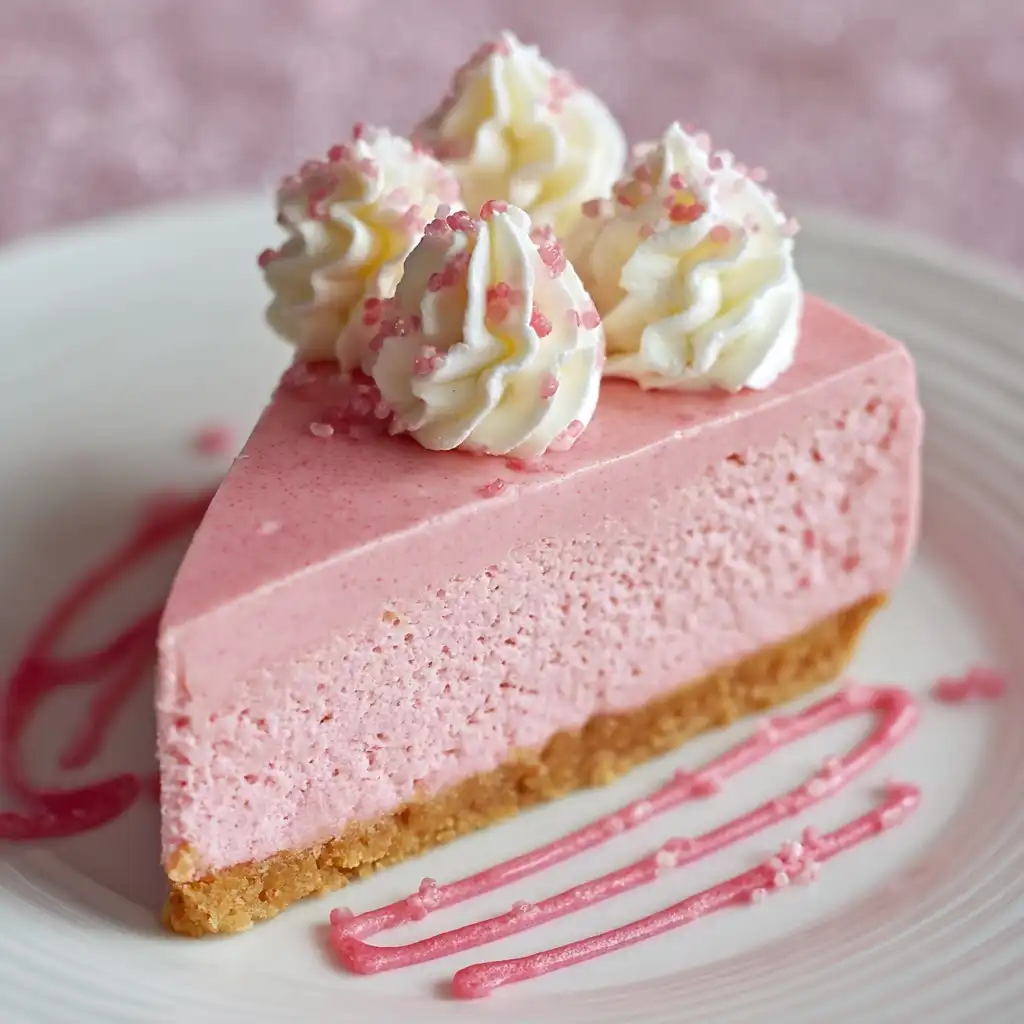
Pink Velvet Cheesecake is a dazzling fusion of two beloved American classics—the rich, velvety elegance of red velvet cake and the luxuriously creamy depth of New York–style cheesecake. With its signature rosy hue, tender crumb-like cake layer, and dense, tangy-sweet filling, this dessert is more than just eye candy—it’s an experience. Whether gracing a Valentine’s Day table, celebrating a milestone birthday, or simply elevating an ordinary Sunday, Pink Velvet Cheesecake delivers romance, nostalgia, and indulgence in every forkful. Its soft, blush-pink color—achieved without artificial dyes in many modern iterations—evokes sophistication and warmth, while its layered construction invites both visual drama and textural harmony. This isn’t just a dessert; it’s a statement—a celebration of creativity, comfort, and culinary craftsmanship.
The History
The origins of Pink Velvet Cheesecake are delightfully modern and deeply rooted in culinary evolution rather than historical tradition. While red velvet cake traces its lineage to the early 20th century—possibly emerging from the acidic reaction between cocoa and buttermilk (or even as a clever marketing ploy by Adams Extract in the 1920s)—the “pink” variation is a relatively recent innovation born from shifting cultural preferences and ingredient awareness. As consumers grew increasingly wary of synthetic red food coloring (particularly Red #40), bakers began experimenting with natural alternatives: beetroot powder, hibiscus extract, freeze-dried raspberries, and even pink pitaya (dragon fruit) puree. These substitutions yielded softer, more delicate rose and coral tones—hence the affectionate rebranding from “red” to “pink” velvet.
The cheesecake adaptation followed naturally—first appearing in artisanal bakeries and high-end patisseries around 2012–2015, then gaining viral traction on Instagram and Pinterest for its photogenic pastel aesthetic. Chefs like Dominique Ansel and Christina Tosi helped normalize layered, hybridized desserts, and home bakers soon embraced the challenge of marrying sponge-like velvet layers with ultra-smooth, crack-free cheesecake batter. Notably, Pink Velvet Cheesecake also reflects broader trends: the rise of “cake-ified” cheesecakes (with cake layers baked *into* or *on top of* the cheesecake), the demand for customizable, gender-neutral dessert palettes (moving beyond stereotypical “girly pink”), and the growing emphasis on clean-label baking. Today, it stands as a symbol of mindful indulgence—beautiful, balanced, and intentionally crafted.
Ingredients Breakdown
Every extraordinary Pink Velvet Cheesecake begins with thoughtful, high-quality ingredients—each playing a precise functional and sensory role. Below is a detailed breakdown—not just of what goes in, but *why*:
- Full-Fat Cream Cheese (room temperature): The cornerstone of structure and richness. Using full-fat (not light or low-moisture) ensures proper emulsification, prevents graininess, and delivers that signature dense-yet-creamy mouthfeel. Cold cream cheese leads to lumps; overly warm cheese causes separation. Ideal temp: 68–72°F (20–22°C).
- Granulated Sugar: More than just sweetness—it stabilizes the cheesecake batter during baking, aids in aeration when beaten with cream cheese, and contributes to surface caramelization. A portion is often reserved for the crust for balanced sweetness and texture contrast.
- Sour Cream & Heavy Cream: Sour cream adds acidity, moisture, and subtle tang—softening the richness and enhancing flavor complexity. Heavy cream (not half-and-half or milk) provides fat content crucial for silkiness and helps prevent cracking by slowing moisture loss during baking.
- Eggs (large, room temperature): Act as binders and leaveners. Room-temp eggs incorporate more evenly and reduce batter temperature shock. Overmixing after adding eggs introduces excess air—leading to puffing and subsequent collapse/cracking. One egg is often used in the cake layer; three to four in the filling.
- Unsweetened Cocoa Powder (Dutch-process preferred): Imparts deep chocolate nuance without bitterness. Dutch-process is alkalized, yielding smoother, milder flavor and superior solubility—critical for even dispersion and vibrant pink development (since acidity interferes with natural pink pigments).
- Buttermilk (or DIY substitute: 1 cup milk + 1 tbsp white vinegar, rested 5 min): Provides tenderness via acid-induced gluten relaxation, activates baking soda, and enhances the natural pink hue when paired with anthocyanin-rich colorants (like beets or raspberries).
- Vanilla Extract (pure, not imitation): Adds aromatic warmth and rounds out dairy and cocoa notes. Some recipes include a touch of almond extract (¼ tsp) for nuanced floral depth—especially complementary to raspberry-based pink coloring.
- White Vinegar or Apple Cider Vinegar: A tiny amount (½ tsp) reacts with baking soda to create fine bubbles for lift in the cake layer—without metallic aftertaste—and further supports pH balance for optimal pink color retention.
- Baking Soda: Leavener that works synergistically with buttermilk and vinegar. Too much yields soapy bitterness; too little results in dense, gummy texture.
- Sea Salt (fine, non-iodized): Enhances all flavors, balances sweetness, and suppresses any residual bitterness from cocoa or dairy. Never skip—even in sweet desserts.
- Natural Pink Colorants (choose one or combine):
- Beetroot Powder (1–2 tsp): Earthy-sweet, vibrant magenta when fresh and properly dried. Best added to dry ingredients to avoid streaking.
- Freeze-Dried Raspberry Powder (1½–2 tbsp): Tart, fruity, and intensely pink—adds subtle berry notes and boosts vitamin C (which helps stabilize color).
- Hibiscus Tea Concentrate (2–3 tbsp cooled steeped tea): Floral, cranberry-like tang; imparts brilliant fuchsia tones, especially in alkaline environments (add a pinch of baking soda to tea if needed).
- Pink Pitaya (Dragon Fruit) Puree (⅓–½ cup): Mild, subtly sweet, and packed with antioxidants—adds moisture, so reduce other liquids slightly.
- Graham Cracker Crust Ingredients: Classic base includes finely ground graham crackers (or digestive biscuits for deeper molasses notes), brown sugar (for caramel depth and moisture retention), unsalted butter (melted, clarified for crispness), and a pinch of cinnamon (optional but recommended for warmth).
- Optional Garnishes: Fresh raspberries, edible rose petals, white chocolate curls, toasted coconut flakes, or a glossy raspberry coulis swirl—adding visual polish and flavor dimension.
Step-by-Step Recipe
This meticulously tested, oven-verified method ensures a flawlessly smooth, vibrantly pink, structurally sound Pink Velvet Cheesecake—no water bath required (though it’s optional for extra insurance). Total time: ~12 hours (includes chilling); active prep: 65 minutes; bake time: 1 hour 25 minutes.
- Prep & Preheat: At least 2 hours before baking, remove cream cheese and eggs from the refrigerator to reach true room temperature (68–72°F). Position oven rack in center position. Preheat oven to 325°F (163°C). Lightly grease the bottom and sides of a 9-inch springform pan; line the bottom with parchment paper cut to fit. Wrap the *outside* of the pan tightly with two overlapping sheets of heavy-duty aluminum foil—this prevents steam or water intrusion if using a water bath later.
- Make the Crust: In a food processor, pulse 1 ½ cups (150g) graham cracker crumbs, ¼ cup (50g) light brown sugar, ¼ tsp fine sea salt, and (optional) ¼ tsp ground cinnamon until combined. Add 6 tbsp (85g) melted unsalted butter and pulse until mixture resembles wet sand. Press firmly and evenly into the bottom and 1 inch up the sides of the prepared pan using the back of a measuring cup or flat-bottomed glass. Chill crust for at least 30 minutes—or freeze for 15—to set.
- Bake the Crust: Bake chilled crust at 325°F for 10 minutes. Remove, tap gently to release air bubbles, and cool completely on a wire rack (about 20 minutes). Reduce oven temp to 300°F (149°C) for cheesecake baking.
- Prepare Pink Velvet Cake Layer (Batter): In a medium bowl, whisk together ¾ cup (90g) all-purpose flour, ¼ cup (25g) unsweetened Dutch-process cocoa powder, 1 tsp beetroot powder (or 1½ tbsp raspberry powder), ½ tsp baking soda, and ¼ tsp fine sea salt. In a separate large bowl, beat ⅓ cup (75g) granulated sugar, ¼ cup (60ml) buttermilk, 2 tbsp (30ml) neutral oil (grapeseed or avocado), 1 large egg, 1 tsp pure vanilla extract, and ½ tsp white vinegar with a hand mixer on medium until smooth (~1 min). Gradually add dry ingredients in two additions, mixing on low just until no streaks remain—do not overmix. Batter will be thin. Set aside.
- Prepare Cheesecake Filling: In a stand mixer fitted with paddle attachment (or large bowl + hand mixer), beat 24 oz (680g / 3 standard blocks) full-fat cream cheese on medium-low for 2 minutes until completely smooth and glossy—scraping bowl and paddle frequently. Add 1 cup (200g) granulated sugar and beat 2 more minutes until fluffy and lump-free. Scrape down. Add 1 cup (240g) full-fat sour cream and ½ cup (120ml) heavy cream; beat 1 minute until homogenous. Add 3 large eggs, one at a time, beating on low just until yolk disappears (5–8 seconds per egg). Scrape bowl. Finally, beat in 2 tsp pure vanilla extract and ¼ tsp fine sea salt. Batter should be thick, shiny, and free of air bubbles.
- Layer & Swirl: Pour ~⅔ of the cheesecake batter (approx. 3 cups) into the cooled crust. Smooth top with an offset spatula. Gently spoon the pink velvet cake batter in 6–8 dollops evenly over the cheesecake layer. Using a toothpick or thin skewer, drag through both layers in a gentle figure-eight or zigzag motion—just 6–8 passes—to create delicate marbling. Avoid over-swirling, which causes colors to muddy. Reserve remaining cheesecake batter.
- Bake Low & Slow: Place springform pan on a parchment-lined baking sheet (for stability and spill protection). Carefully pour remaining cheesecake batter over the marbled surface—this creates a protective top layer that seals in moisture and minimizes surface cracks. Smooth gently. Optional water bath: Place filled pan inside a larger roasting pan; carefully pour hot (not boiling) water into the outer pan until it reaches halfway up the springform sides. Bake at 300°F for 1 hour 15 minutes. The cheesecake is done when edges are set and center jiggles *slightly* like Jell-O (not liquid). A thermometer inserted 1 inch from edge should read 150–155°F (65–68°C); center should be ~140°F (60°C).
- Cool Gradually (Critical Step): Turn OFF oven. Crack oven door open 1 inch with a wooden spoon handle. Let cheesecake cool inside oven for 1 hour. Then, carefully remove from oven and place on wire rack. Run a thin knife around inner edge of pan to loosen. Cool at room temperature for another 1 hour. Refrigerate uncovered for at least 12 hours—preferably 24—for full setting, flavor melding, and clean slicing.
- Chill & Serve: After chilling, wipe condensation from pan sides. Carefully release springform clasp and lift off outer ring. Slide a thin metal spatula under parchment to lift cake onto a serving platter. Peel off parchment. Decorate as desired. For clean slices: dip a sharp, thin-bladed knife in hot water, wipe dry, and cut—repeating between each slice.
Tips
- Temperature Is Everything: Room-temperature dairy and eggs aren’t suggestions—they’re non-negotiable. Cold ingredients cause curdling, lumps, and uneven baking. Plan ahead.
- Measure Like a Pro: Use a kitchen scale for flour, cocoa, and sugar. Spoon-and-level method is acceptable, but scooping directly from the bag compacts flour and adds up to 25% extra—causing dryness or density.
- Mix Smart, Not Hard: Beat cream cheese *before* adding sugar—this prevents granular pockets. Once sugar is added, beat just until smooth. Overbeating incorporates air → cracks. Use low speed after adding eggs.
- Color Consistency Matters: Natural colorants vary widely in potency. Start with less—add incrementally while whisking dry ingredients. Beet powder can turn grayish if mixed with too much acid; raspberry powder fades if overbaked. Hibiscus is pH-sensitive—test a small batch first.
- Crack Prevention Toolkit: Besides low-and-slow baking: (a) Avoid opening oven during first 75 minutes; (b) Don’t overmix after eggs; (c) Cool gradually (oven → counter → fridge); (d) Add 1 tbsp cornstarch to filling for extra stability (optional but effective); (e) A water bath reduces thermal shock—highly recommended for first-timers.
- Crust Perfection: Press crust *up the sides* for structural integrity and elegant height. Chill before baking to prevent butter from melting into pan seams. If crust browns too fast, tent loosely with foil.
- Marbling Mastery: Use cold cake batter (refrigerate 10 min before swirling) for better contrast. Swirl *before* adding top cheesecake layer—then gently pour remaining batter over top to “lock in” the pattern.
- Storage Wisdom: Keep refrigerated in an airtight container or under a cake dome for up to 5 days. Freeze unfrosted slices (wrapped individually in plastic + foil) for up to 3 months. Thaw overnight in fridge—never at room temp.
- Slicing Science: Warm knife = clean cuts. Wipe blade with hot, damp cloth between slices. For ultra-thin slices, chill knife in freezer 5 minutes beforehand.
- Taste Before Baking: Dip a clean spoon into batter—check for balance. Too sweet? Add ⅛ tsp salt. Too flat? A drop of lemon juice brightens.
Variations and Customizations
Pink Velvet Cheesecake is gloriously adaptable—whether you’re catering to dietary needs, seasonal produce, or bold flavor experiments. Here are 12 thoughtfully curated variations—each tested for texture integrity and flavor synergy:
- Vegan Pink Velvet Cheesecake: Substitute cashew cream (soaked raw cashews + lemon juice + maple syrup) for cream cheese/sour cream; use silken tofu + coconut cream for body; flax “eggs” (1 tbsp ground flax + 2.5 tbsp water per egg); coconut oil–based crust; and beet-powder-infused aquafaba meringue for a cloud-like top.
- Gluten-Free Version: Swap all-purpose flour with 1:1 GF blend (ensure xanthan gum included); use GF graham crackers or almond flour crust; verify cocoa and colorants are certified GF. Add 1 tsp psyllium husk to filling for binding.
- Protein-Powered: Blend 2 scoops unflavored collagen peptides or whey isolate into dry ingredients. Add 1 tbsp almond butter to cake batter for satiety and nutty depth.
- Matcha-Pink Fusion: Replace 1 tsp beet powder with ceremonial-grade matcha. Pair with white chocolate shavings and yuzu glaze—earthy, floral, and citrus-kissed.
- Strawberry-Balsamic Swirl: Fold ¼ cup reduced balsamic + ½ cup macerated strawberries into top ⅓ of cheesecake batter before pouring. Adds complex acidity and jewel-toned ribbons.
- Earl Grey Infused: Steep 2 tsp loose-leaf Earl Grey in warm heavy cream for 10 min, strain, cool, then use in filling. Complements raspberry colorant beautifully.
- Black Sesame Crust: Replace graham crackers with toasted black sesame seeds + almond flour + coconut oil crust. Earthy, nutty, visually striking contrast.
- Champagne-Pink Velvet: Replace buttermilk with dry champagne or prosecco (chilled). Adds effervescence to batter and subtle yeast notes—best with hibiscus coloring.
- Spiced Chai Variation: Infuse sour cream with chai spices (cardamom, ginger, clove, black pepper) overnight. Use in filling; garnish with candied ginger.
- Coconut-Pink Dream: Use coconut cream instead of heavy cream; add ¼ cup toasted shredded coconut to crust; swirl in passionfruit purée.
- Decadent Dark Chocolate Ganache Top: After chilling, pour a mirror-smooth 60% dark chocolate ganache (1:1 chocolate to warm cream) over top. Let set 30 min before garnishing.
- Mini Mason Jar Edition: Layer crust, cheesecake, pink velvet batter, and whipped cream in 8-oz wide-mouth mason jars. Bake in water bath at 300°F for 35–40 min. Perfect for gifts or portion control.
Health Considerations and Nutritional Value
While Pink Velvet Cheesecake is inherently indulgent, mindful ingredient choices and portion awareness allow it to coexist with balanced lifestyles. A standard slice (1/12 of 9-inch cake, approx. 180g) contains roughly:
- Calories: 420–480 kcal (varies by crust type, colorant, and added toppings)
- Total Fat: 30–34g (18–22g saturated—primarily from cream cheese, sour cream, butter, and heavy cream)
- Carbohydrates: 32–38g (24–28g sugars—mostly added, though natural sugars from fruit-based colorants contribute minimally)
- Protein: 7–9g (from dairy and eggs—modest but bioavailable)
- Fiber: 0.5–1g (low unless GF oat or seed-based crust is used)
- Vitamins & Minerals: Notable sources include calcium (20% DV), vitamin A (15% DV), and B12 (25% DV) from dairy; iron and folate from beet powder; vitamin C and polyphenols from raspberry or hibiscus colorants.
Key Health Notes:
- Natural Coloring Benefits: Unlike synthetic dyes (linked to hyperactivity in sensitive children and potential carcinogenicity in animal studies), beetroot, raspberry, and hibiscus provide antioxidant anthocyanins—shown in human studies to support vascular health and reduce oxidative stress.
- Dairy Quality Matters: Opting for grass-fed, organic cream cheese and butter increases omega-3s, CLA (conjugated linoleic acid), and vitamin K2—nutrients associated with reduced inflammation and improved bone/cardiovascular health.
- Reducing Refined Sugar: Up to 25% of granulated sugar can be replaced with monk fruit–erythritol blend without compromising texture—ideal for diabetic or low-glycemic diets. Note: Do not replace sugar in crust entirely—it’s critical for binding and browning.
- Gluten Sensitivity: Easily adapted to GF without flavor sacrifice—as noted above—with attention to cross-contamination and starch balance.
- Mindful Indulgence Framework: Enjoying one well-crafted slice monthly is nutritionally neutral for most adults. Pair with a leafy green salad or berry compote to balance the meal. Avoid “health-washing”—don’t add protein powder *and* reduce sugar *and* go vegan *and* add fiber—unless personally meaningful. Simplicity preserves integrity.
- Allergen Alert: Contains dairy, eggs, wheat (unless GF), and potential tree nuts (in some crusts or garnishes). Always label for guests.
Ingredients
Makes one 9-inch cheesecake (12–14 servings)
For the Crust:
- 1 ½ cups (150g) graham cracker crumbs (about 12 full sheets)
- ¼ cup (50g) light brown sugar, packed
- ¼ tsp fine sea salt
- ¼ tsp ground cinnamon (optional but recommended)
- 6 tbsp (85g) unsalted butter, melted and cooled
For the Pink Velvet Cake Layer:
- ¾ cup (90g) all-purpose flour (or GF 1:1 blend)
- ¼ cup (25g) unsweetened Dutch-process cocoa powder
- 1 tsp high-quality beetroot powder or 1½ tbsp freeze-dried raspberry powder
- ½ tsp baking soda
- ¼ tsp fine sea salt
- ⅓ cup (75g) granulated sugar
- ¼ cup (60ml) buttermilk (or DIY substitute)
- 2 tbsp (30ml) neutral oil (grapeseed, avocado, or light olive oil)
- 1 large egg, room temperature
- 1 tsp pure vanilla extract
- ½ tsp white vinegar or apple cider vinegar
For the Cheesecake Filling:
- 24 oz (680g) full-fat brick-style cream cheese, room temperature (3 standard 8-oz packages)
- 1 cup (200g) granulated sugar
- 1 cup (240g) full-fat sour cream, room temperature
- ½ cup (120ml) heavy cream (36–40% fat), room temperature
- 3 large eggs, room temperature
- 2 tsp pure vanilla extract
- ¼ tsp fine sea salt
For Garnish (Optional):
- Fresh raspberries or strawberries
- Edible rose petals or violets
- White chocolate curls or shaved dark chocolate
- Raspberry coulis (blended, strained, and sweetened raspberries)
- Whipped cream or coconut whip
Directions
- Chill & Prep: Remove cream cheese and eggs from refrigerator at least 2 hours before starting. Line bottom of a 9-inch springform pan with parchment; grease sides lightly. Preheat oven to 325°F (163°C). Wrap outside of pan tightly with two layers of heavy-duty foil.
- Make Crust: Pulse graham crackers, brown sugar, salt, and cinnamon (if using) in food processor until fine crumbs form. Add melted butter; pulse until mixture resembles wet sand. Press firmly into bottom and 1 inch up sides of pan. Chill 30 minutes (or freeze 15).
- Bake Crust: Bake at 325°F for 10 minutes. Tap pan gently on counter to settle. Cool completely on wire rack (~20 min). Reduce oven temp to 300°F (149°C).
- Make Cake Batter: Whisk flour, cocoa, colorant, baking soda, and salt in bowl. In another bowl, whisk sugar, buttermilk, oil, egg, vanilla, and vinegar until smooth. Add dry ingredients in two parts, mixing on low until just combined. Set aside.
- Make Cheesecake Filling: Beat cream cheese on medium-low 2 min until smooth. Add sugar; beat 2 min more until fluffy. Scrape bowl. Add sour cream and heavy cream; beat 1 min. Add eggs one at a time, beating on low just until incorporated. Add vanilla and salt; mix 15 sec. Batter should be thick and glossy.
- Layer & Swirl: Pour ~⅔ of filling into crust. Dollop cake batter evenly over top. Swirl gently 6–8 times with toothpick. Pour remaining filling over top. Smooth surface.
- Bake: Place pan on parchment-lined baking sheet. Optional water bath: Place in roasting pan; add hot water to halfway up sides. Bake at 300°F for 1 hour 15 minutes, until edges are set and center jiggles slightly.
- Cool Gradually: Turn oven OFF. Crack door open 1 inch with spoon handle. Cool in oven 1 hour. Remove, run knife around edge, cool on rack 1 hour. Refrigerate uncovered ≥12 hours (ideally 24).
- Unmold & Serve: Loosen outer ring. Lift cake off base using parchment. Peel off parchment.