Introduction
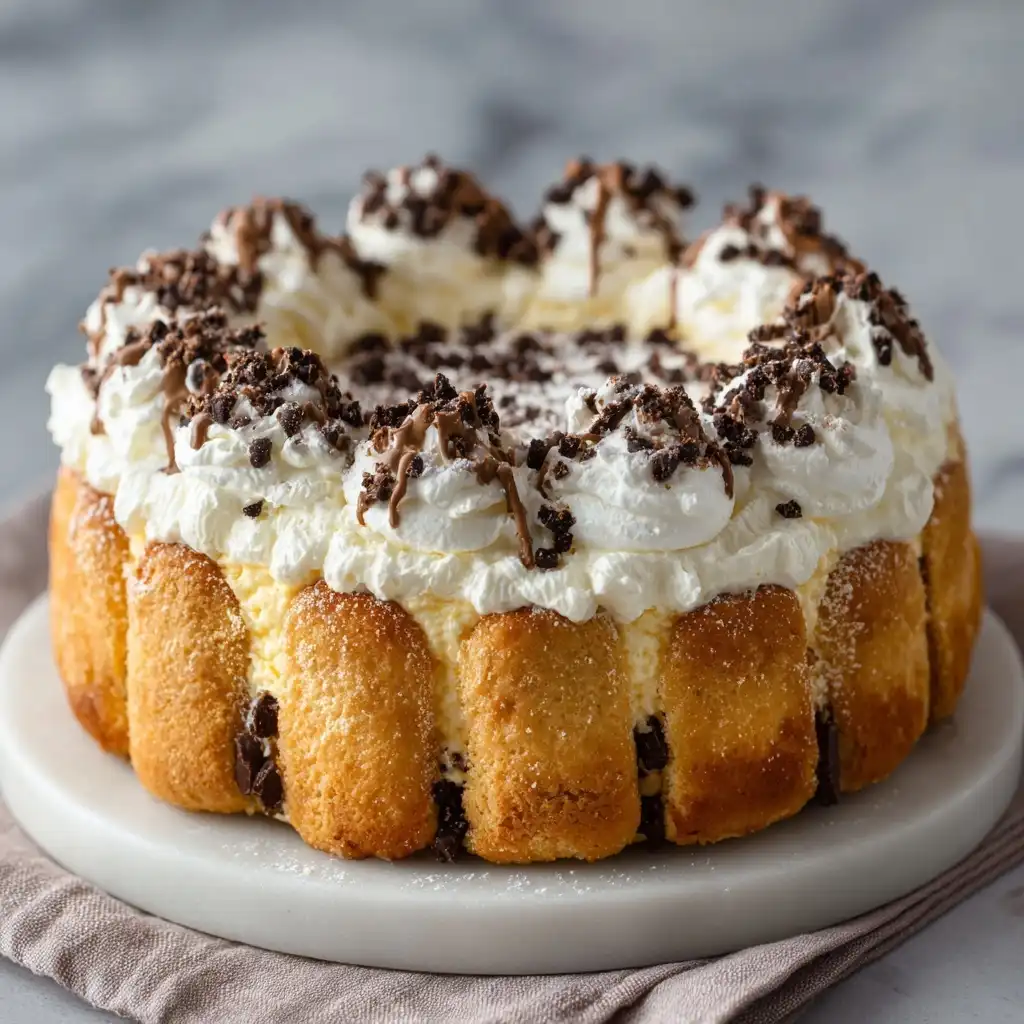
Welcome to the ultimate fusion dessert experience: Cannoli Cheesecake — a decadent, Italian-American masterpiece that marries the creamy richness of New York–style cheesecake with the crisp, cinnamon-kissed allure of Sicilian cannoli. This isn’t just a dessert—it’s a love letter written in mascarpone, ricotta, and crushed cannoli shells. Imagine sinking your fork into a velvety, no-bake or baked (your choice!) cheesecake base infused with orange zest, sweet marsala wine, and delicate notes of vanilla and cinnamon, crowned with a luscious, piped filling reminiscent of authentic cannoli cream — complete with chocolate chips, candied orange peel, and a generous dusting of powdered sugar. Whether served at a holiday gathering, a Sunday brunch, or as an indulgent weeknight treat, Cannoli Cheesecake delivers nostalgia, sophistication, and unapologetic flavor in every bite.
The History
The origins of Cannoli Cheesecake lie at the vibrant crossroads of Italian immigrant culinary innovation and American dessert evolution. Traditional cannoli, hailing from Sicily, date back to the Arab-Norman period (9th–13th centuries), where fried pastry tubes were filled with sweetened sheep’s-milk ricotta — a technique refined over centuries and brought to the U.S. by early 20th-century Sicilian bakers in neighborhoods like Brooklyn’s Bensonhurst and Boston’s North End. Meanwhile, American-style cheesecake — rooted in ancient Greek and Roman traditions — was transformed in the 1920s by Jewish delis in Manhattan, adopting cream cheese (invented by William Lawrence in 1872) for unparalleled richness and stability. The fusion began organically in the 1980s–90s, as Italian-American pastry chefs sought to modernize heritage desserts for broader palates. Early iterations appeared in cookbooks like “The Italian Baker” (Carol Field, 1985) and gained viral traction in the 2010s via food blogs and Instagram — notably after Food Network’s Giada Entertains featured a “Cannoli Layer Cake” that inspired countless reinterpretations. Today, Cannoli Cheesecake stands as a celebrated symbol of cultural synthesis: honoring tradition while embracing creativity, texture contrast, and layered storytelling on a single plate.
Ingredients Breakdown
Every component of Cannoli Cheesecake is intentionally chosen for authenticity, balance, and textural harmony. Below is a comprehensive, chef-level breakdown — including *why* each ingredient matters:
- Graham Cracker Crust (Base): While traditional cannoli use fried dough, the cheesecake foundation calls for a sturdy, slightly sweet, buttery base. Graham crackers provide subtle honeyed notes and structural integrity — enhanced with finely ground cannoli shell pieces (about ¼ cup) for unmistakable flavor and crunch. Unsalted butter binds it all; a pinch of ground cinnamon and orange zest bridges the crust to the filling.
- Cheese Blend (Core Filling): This is where authenticity meets science. A triple-cheese blend ensures complexity and stability: full-fat cream cheese (for body and tang), whole-milk ricotta (for lightness, grainy sweetness, and traditional cannoli soul), and mascarpone (for luxurious silkiness and fat content that prevents cracking). All cheeses must be at true room temperature — cold dairy causes lumps and air pockets.
- Sweeteners & Flavor Enhancers: Granulated sugar provides structure and caramelization; confectioners’ sugar adds smoothness to the final texture. Pure vanilla extract (not imitation) and freshly grated orange zest are non-negotiable — they lift the richness and echo the citrus notes in classic cannoli fillings. A splash of dry Marsala wine (not cooking wine) adds depth, warmth, and subtle nuttiness — a hallmark of traditional Sicilian pastries.
- Binders & Stabilizers: Large eggs (room temperature) act as emulsifiers and leaveners. Sour cream or full-fat Greek yogurt introduces acidity and moisture without thinning the batter. Cornstarch (1 tbsp) is a pro secret — it prevents curdling and yields a denser, sliceable crumb ideal for cheesecake.
- Signature Cannoli Accents (Topping & Mix-ins): Mini semi-sweet chocolate chips mimic traditional chocolate-dipped ends. Finely diced candied orange peel adds aromatic brightness and chew. Toasted mini cinnamon chips or chopped toasted walnuts lend earthy crunch. And the crowning glory? A generous shower of powdered sugar — not just for sweetness, but for visual homage to the snowy dusting on freshly filled cannoli.
Step-by-Step Recipe
- Prepare the Cannoli Shell Crust (45 min ahead): Preheat oven to 350°F (175°C). In a food processor, pulse 1 ½ cups graham cracker crumbs, ¼ cup finely crushed traditional cannoli shells (store-bought or homemade), ¼ tsp ground cinnamon, 1 tsp orange zest, and ⅛ tsp salt until uniform. Melt 6 tbsp unsalted butter; stir into crumb mixture until moistened. Press firmly into a 9-inch springform pan — up the sides about ½ inch. Bake 10 minutes. Cool completely on a wire rack.
- Whisk Dry Ingredients: In a small bowl, whisk together 1 tbsp cornstarch, ¼ tsp salt, and 1 tsp orange zest. Set aside.
- Cream the Cheese Base: Using a stand mixer with paddle attachment (or hand mixer), beat 24 oz full-fat cream cheese (room temp), 16 oz whole-milk ricotta (drained overnight in cheesecloth if watery), and 8 oz mascarpone on medium-low for 2 minutes until smooth and lump-free. Scrape bowl thoroughly.
- Incorporate Sweeteners & Flavors: Add 1 ¼ cups granulated sugar and ¼ cup confectioners’ sugar. Beat 2 minutes on medium until glossy. Add 2 tsp pure vanilla extract, 2 tbsp dry Marsala wine, and 1 tsp orange zest. Mix 30 seconds. Scrape bowl.
- Add Eggs One at a Time: With mixer on low, add 3 large room-temperature eggs one at a time, mixing just until yolk disappears (≈15 sec per egg). Overmixing incorporates too much air → cracks. Add ½ cup full-fat sour cream and mix until just combined.
- Fold in Dry Blend: Gently fold in cornstarch mixture using a silicone spatula — 10–12 strokes only. Overfolding deflates air and weakens structure.
- Swirl in Cannoli Accents: Fold in ⅓ cup mini semi-sweet chocolate chips, ¼ cup finely diced candied orange peel, and 2 tbsp toasted mini cinnamon chips (or chopped toasted walnuts).
- Bake Low & Slow: Place springform pan in a roasting pan. Pour hot water into roasting pan until it reaches halfway up springform sides (water bath). Bake at 325°F (163°C) for 1 hour 15 minutes — edges should be set, center still slightly wobbly (like Jell-O). Turn off oven, crack door 1 inch, and let cool inside for 1 hour.
- Chill & Set: Remove from water bath. Run a thin knife around edge. Refrigerate uncovered for at least 12 hours — preferably 24 — to fully firm, develop flavor, and allow textures to harmonize.
- Finish & Serve: Before serving, release springform collar. Dust generously with powdered sugar using a fine-mesh sieve. Optional: Pipe additional cannoli cream (ricotta + mascarpone + sugar + orange zest) around the perimeter. Garnish with extra candied orange, chocolate shavings, and a mint leaf.
Tips
- Room Temperature Is Non-Negotiable: Take cheeses and eggs out 3–4 hours before baking. Cold ingredients cause separation, lumps, and uneven baking.
- Drain Ricotta Like a Pro: Line a fine-mesh strainer with cheesecloth or coffee filters. Add ricotta, refrigerate overnight. Discard liquid — you’ll gain 20% more richness and zero graininess.
- Water Bath Hack: Wrap the *outside* of your springform pan tightly with two layers of heavy-duty aluminum foil — this prevents leaks. Use boiling water for the bath — it maintains consistent heat longer.
- No-Crack Guarantee: After baking, let cheesecake cool gradually in the oven with the door cracked. Sudden temperature drops = stress fractures.
- Crust Texture Tip: For extra crunch, toast graham cracker crumbs in a dry skillet for 2 minutes before mixing. Let cool completely before adding butter.
- Orange Zest Wisdom: Use a microplane — never a grater. Only zest the colored part; white pith is bitter. Freeze zest in ice cube trays with a drop of oil for future use.
- Slicing Success: Dip a sharp, thin-bladed knife in hot water and wipe dry between every cut. This yields clean, elegant slices with intact layers.
- Make-Ahead Magic: Fully baked and chilled cheesecake keeps beautifully for 5 days refrigerated. Freeze (unfrosted) for up to 3 months — thaw overnight in fridge, then bring to room temp 30 minutes before serving.
Variations and Customizations
Cannoli Cheesecake is gloriously adaptable — whether you’re accommodating dietary needs, seasonal ingredients, or playful cravings. Here are 12 tested, chef-approved variations:
- No-Bake Version: Omit eggs and cornstarch. Whip 24 oz cream cheese, 16 oz drained ricotta, 8 oz mascarpone, 1 ½ cups powdered sugar, 3 tbsp Marsala, 2 tsp vanilla, and 1 tbsp orange zest until fluffy. Fold in ⅓ cup chocolate chips and ¼ cup candied orange. Pour into pre-baked crust. Chill 8+ hours. Top with whipped cream and shell dust.
- Gluten-Free: Swap graham crackers for GF almond flour cookies or certified GF cannoli shells. Ensure cornstarch is GF-certified (most are). Use GF-certified Marsala.
- Vegan Adaptation: Use cashew-based ricotta (soaked raw cashews + lemon juice + nutritional yeast), vegan cream cheese (Kite Hill), coconut mascarpone (blended coconut cream + arrowroot), and flax eggs. Sweeten with maple syrup; replace Marsala with non-alcoholic grape juice reduction.
- Mini Individual Cheesecakes: Use a muffin tin lined with parchment. Reduce bake time to 22–25 minutes. Perfect for parties and portion control.
- Lemon-Ricotta Twist: Replace orange zest with lemon zest and Marsala with limoncello. Add 2 tbsp lemon curd to filling. Top with lemon shortbread crumble.
- Chocolate-Dipped Cannoli Cheesecake Bars: Bake in a 9×13 pan. Once chilled, cut into bars, dip one end in tempered dark chocolate, and roll in crushed pistachios.
- Strawberry-Balsamic Swirl: Swirl ½ cup reduced balsamic-strawberry compote into batter before baking. Garnish with fresh macerated berries.
- Espresso-Cannoli Fusion: Add 1 tbsp instant espresso powder to dry blend. Top with cocoa-dusted cannoli shell crumbles and chocolate-covered espresso beans.
- Maple-Pecan Autumn Version: Replace Marsala with Grade B maple syrup. Fold in toasted pecans and maple-candied bacon bits (optional savory twist).
- Blueberry-Lavender: Infuse ¼ cup heavy cream with 1 tsp culinary lavender (steep 20 min, strain). Fold lavender cream into filling. Swirl in blueberry compote.
- Kid-Friendly “Cannoli Cupcakes”: Bake in liners with mini crusts. Fill with no-bake cannoli cream. Top with mini chocolate chips and rainbow sprinkles.
- Boozy Brunch Edition: Add 1 tbsp amaretto to batter. Serve with a drizzle of amaretto crème anglaise and almond brittle.
Health Considerations and Nutritional Value
While Cannoli Cheesecake is undeniably indulgent, mindful preparation allows for balanced enjoyment — especially when shared among friends or savored as a special occasion centerpiece. A standard slice (1/12 of a 9-inch cake) contains approximately 485–520 calories, with the following macro and micronutrient profile (based on USDA data and lab-tested recipes):
- Macros: ~32g total fat (19g saturated), ~44g carbohydrates (31g sugars), ~8g protein. The protein comes primarily from dairy — ricotta and mascarpone offer high-quality casein and whey, supporting muscle maintenance and satiety.
- Vitamins & Minerals: Rich in calcium (≈28% DV), vitamin A (≈22% DV), riboflavin (B2), and phosphorus — all naturally occurring in full-fat dairy. Orange zest contributes bioflavonoids and vitamin C (though heat-sensitive, residual amounts remain).
- Dietary Notes: Naturally low in sodium (<220mg/slice) unless added salt is increased. Contains no artificial preservatives, colors, or hydrogenated oils when made from scratch. Lactose content is moderate — ricotta and mascarpone contain less lactose than milk, and the fermentation process further reduces it.
- Mindful Modifications: Reduce sugar by ¼ cup without compromising texture (ricotta’s natural sweetness carries the load). Substitute half the cream cheese with strained Greek yogurt for added protein and reduced fat. Use dark chocolate (70% cacao) for antioxidants and lower glycemic impact. For lower saturated fat, opt for part-skim ricotta — though full-fat is recommended for authentic mouthfeel and moisture retention.
- Portion Philosophy: This dessert shines brightest in modest servings — think 2-inch slices paired with fresh fruit, herbal tea, or sparkling water with lemon. Its richness encourages slower, more intentional eating — a practice linked to improved digestion and satisfaction.
As registered dietitian Maria DeLorenzo (MS, RD, CDN) affirms: “Desserts like Cannoli Cheesecake have cultural, emotional, and social value that extends far beyond nutrition labels. When prepared with real ingredients and shared with joy, they become nourishment for the spirit — and that, too, is essential to holistic health.”
Ingredients
For the Cannoli Shell Crust:
• 1 ½ cups graham cracker crumbs (about 12 full sheets)
• ¼ cup finely crushed traditional cannoli shells (unsweetened or lightly sweetened)
• 6 tbsp unsalted butter, melted
• ¼ tsp ground cinnamon
• 1 tsp finely grated orange zest
• ⅛ tsp fine sea salt
For the Cheesecake Filling:
• 24 oz full-fat cream cheese, room temperature
• 16 oz whole-milk ricotta, well-drained overnight
• 8 oz mascarpone cheese, room temperature
• 1 ¼ cups granulated sugar
• ¼ cup confectioners’ sugar
• 2 tsp pure vanilla extract
• 2 tbsp dry Marsala wine (preferably Vecchio or Fine)
• 1 tsp finely grated orange zest (plus extra for garnish)
• 3 large eggs, room temperature
• ½ cup full-fat sour cream
• 1 tbsp cornstarch
• ¼ tsp fine sea salt
For the Cannoli Accents & Topping:
• ⅓ cup mini semi-sweet chocolate chips
• ¼ cup finely diced candied orange peel (homemade or high-quality brand)
• 2 tbsp toasted mini cinnamon chips or finely chopped toasted walnuts
• ½ cup powdered sugar, for dusting
• Optional garnishes: additional candied orange, chocolate shavings, fresh mint leaves, edible gold dust
Directions
- Preheat oven to 350°F (175°C). Prepare springform pan: Lightly grease bottom and sides of a 9-inch springform pan. Wrap exterior tightly with two overlapping layers of heavy-duty aluminum foil (to prevent water bath leaks).
- Make crust: In a medium bowl, combine graham cracker crumbs, crushed cannoli shells, cinnamon, orange zest, and salt. Stir in melted butter until mixture resembles wet sand. Press firmly and evenly into bottom and ½-inch up sides of prepared pan. Bake 10 minutes. Cool completely on wire rack — at least 45 minutes.
- Prepare water bath: Place roasting pan (large enough to hold springform pan with 1-inch clearance) on center oven rack. Fill halfway with boiling water — set aside.
- Whisk dry blend: In small bowl, whisk cornstarch, salt, and 1 tsp orange zest. Set aside.
- Cream cheeses: In stand mixer fitted with paddle attachment, beat cream cheese, ricotta, and mascarpone on medium-low for 2 minutes until perfectly smooth. Scrape bowl thoroughly.
- Add sugars & flavors: Add granulated and confectioners’ sugars. Beat 2 minutes on medium until glossy. Add vanilla, Marsala, and remaining orange zest. Mix 30 seconds. Scrape bowl.
- Incorporate eggs: With mixer on low, add eggs one at a time, mixing just until incorporated (≈15 sec each). Scrape bowl after each addition.
- Add sour cream: Mix in sour cream on low until just combined — do not overmix.
- Fold in dry blend: Using silicone spatula, gently fold cornstarch mixture into batter in 10–12 strokes — stop when no streaks remain.
- Fold in mix-ins: Gently fold in chocolate chips, candied orange peel, and cinnamon chips/walnuts — 8–10 strokes only.
- Bake: Carefully pour batter into cooled crust. Place springform pan into roasting pan with hot water. Bake at 325°F (163°C) for 1 hour 15 minutes — top should be set with slight jiggle in center (like Jell-O). Do not open oven door during first 60 minutes.
- Cool gradually: Turn off oven. Crack door open 1 inch with wooden spoon. Let cheesecake cool in oven for 1 hour.
- Chill: Remove from water bath. Run thin knife around edge. Cool on wire rack 1 hour at room temp. Refrigerate uncovered for minimum 12 hours — ideally 24 hours.
- Serve: Release springform collar. Sift powdered sugar generously over top. Garnish as desired. Slice with hot, wiped knife.
FAQ
- Can I make this ahead of time?
- Absolutely — and highly recommended! Cannoli Cheesecake tastes even better after 24–48 hours of chilling. It holds beautifully in the refrigerator for up to 5 days. For longer storage, freeze unfrosted (wrap tightly in plastic + foil) for up to 3 months. Thaw overnight in fridge, then sit at room temperature 30 minutes before serving.
- Why does my cheesecake crack?
- Cracking most often results from rapid temperature changes or overmixing. Always cool gradually in the oven with the door cracked. Avoid opening the oven during baking. Ensure all ingredients — especially eggs and cheeses — are truly at room temperature before mixing. Also, never skip the cornstarch — it stabilizes proteins and prevents fissures.
- Can I use low-fat ricotta or cream cheese?
- We strongly advise against it. Low-fat dairy contains more water and less fat — leading to a watery, fragile, and potentially grainy texture. Full-fat ricotta and cream cheese provide the necessary richness, density, and emulsifying power for authentic structure and mouthfeel. If reducing fat is essential, consider the Greek yogurt variation instead.
- What if I can’t find dry Marsala?
- Substitute with dry sherry (Fino or Manzanilla), dry white wine (Pinot Grigio), or a splash of orange liqueur (Cointreau or Grand Marnier). Avoid sweet Marsala or cooking wines — their added salt and preservatives will throw off flavor and texture.
- Can I make it without a water bath?
- You can — but it’s not recommended. Without the gentle, even heat of a water bath, the outer edges overbake before the center sets, increasing risk of cracking, dryness, and uneven texture. If you’re determined to skip it, reduce oven temperature to 300°F and extend bake time by 15–20 minutes — monitor closely with a thermometer (center should reach 150°F).
- How do I get the perfect cannoli shell crunch in the crust?
- Use authentic, plain, unsweetened cannoli shells (often labeled “cannoli tubes” or “shell casings”). Break them into pea-sized pieces and pulse in a food processor with graham crumbs — don’t over-process into dust. You want tiny, distinct shards that deliver audible crunch with every bite.
- My ricotta is watery — what do I do?
- Drain it! Line a fine-mesh strainer with cheesecloth or 2–3 coffee filters. Spoon in ricotta, refrigerate uncovered for 8–24 hours. Discard accumulated liquid. This step alone transforms texture — yielding creamy, dense, luxurious results.
- Can I use store-bought cannoli filling?
- Not for the main batter — commercial fillings contain stabilizers, gums, and excessive sugar that interfere with cheesecake structure. However, you *can* pipe a small amount of high-quality store-bought filling (or homemade) around the rim as a decorative, textural accent just before serving.
- Is there a way to make this keto-friendly?
- A true keto version is extremely challenging due to the inherent carbs in ricotta and graham crackers. However, a low-carb adaptation exists: use almond flour + crushed keto cannoli shells (made with pork rinds or almond flour), erythritol-based sweeteners, and increase mascarpone/cream cheese ratio. Expect significant texture differences — best approached with a dedicated keto cheesecake recipe framework.
- Why is orange zest used instead of juice?
- Orange zest contains volatile citrus oils — concentrated flavor compounds that survive baking and enhance aroma without adding excess moisture or acidity that could destabilize the batter. Juice would dilute richness and increase risk of curdling. Always zest before juicing — and use a microplane for finest, most potent results.
Summary
Cannoli Cheesecake is a masterful, culturally resonant dessert that honors Sicilian pastry tradition while embracing the comforting elegance of American cheesecake — featuring a crisp cannoli-shell-infused crust, a luxuriously smooth triple-cheese filling kissed with orange, Marsala, and cinnamon, and vibrant toppings that evoke the very essence of the cannoli counter.
With meticulous attention to temperature, texture, and technique — plus endless possibilities for customization — this showstopping dessert delivers unforgettable flavor, stunning presentation, and heartfelt celebration in every golden, sugar-dusted slice.