Introduction
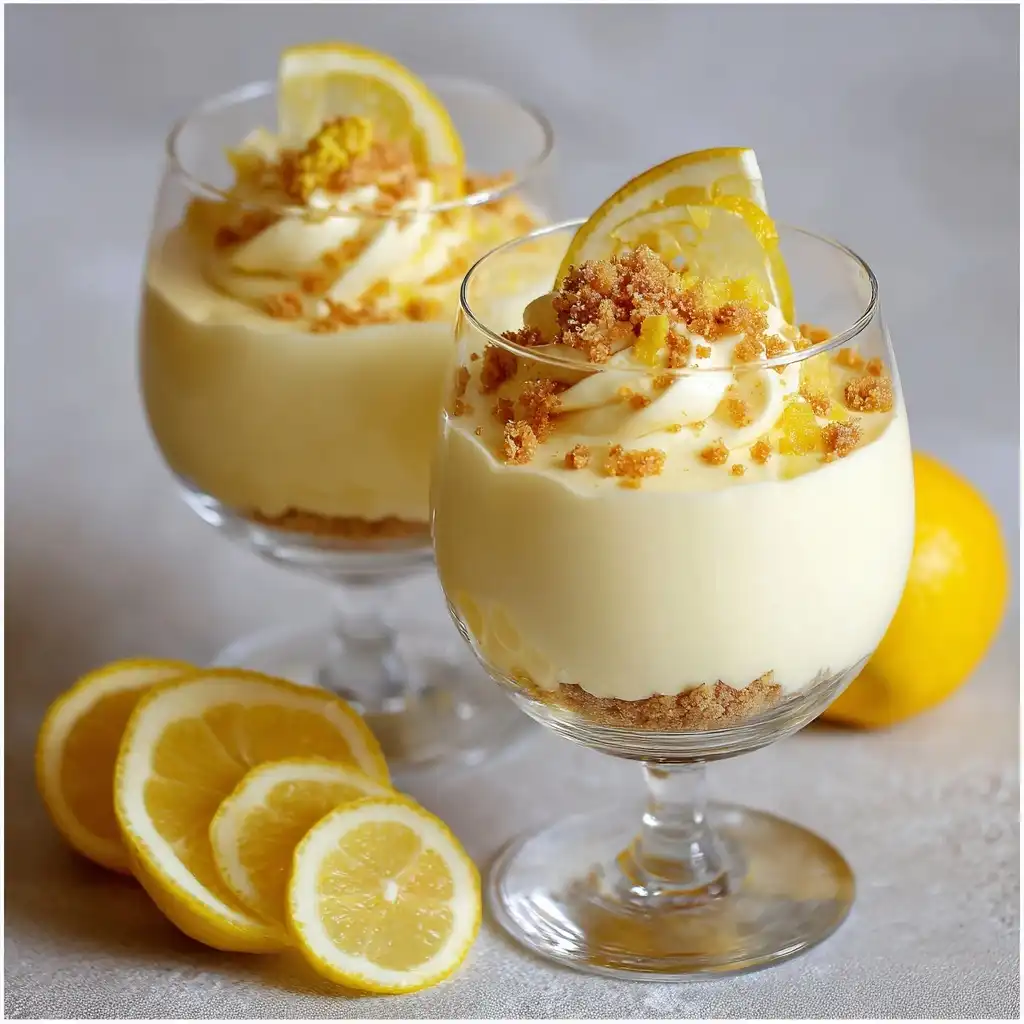
Indulge in the bright, velvety elegance of Lemon Cheesecake Mousse—a luscious fusion of classic New York cheesecake richness and the airy lightness of a French-style mousse. This no-bake dessert strikes the perfect balance between tart and sweet, creamy and refreshing, making it an ideal showstopper for spring brunches, summer soirées, or anytime you crave something sophisticated yet effortlessly simple to prepare. Unlike traditional baked cheesecakes that demand precision, water baths, and hours of cooling, this mousse delivers intense lemony brightness and luxurious texture in under 30 minutes of active preparation—plus chilling time. Its cloud-like consistency melts on the tongue, while the underlying tangy depth and subtle graham cracker warmth evoke all the nostalgia of beloved cheesecake—without the oven, without the stress, and without compromising on decadence.
The History
The evolution of Lemon Cheesecake Mousse is a delicious convergence of two iconic dessert lineages: the ancient roots of cheese-based sweets and the refined artistry of modern French mousse techniques. Cheesecake itself traces back over 2,000 years—to ancient Greece, where early versions made with fresh cheese, honey, and wheat were served to athletes at the first Olympic Games in 776 BCE. The Romans later adopted and adapted these desserts, spreading them across their empire. In America, cream cheese was invented in 1872 by William Lawrence in Chester, New York—giving rise to the dense, rich “New York style” cheesecake we know today.
Meanwhile, the concept of *mousse*—from the French word for “foam”—emerged in haute cuisine during the 18th century as chefs sought lighter, airier textures using whipped cream, egg whites, or gelatin. Early mousses were often savory (like fish or mushroom), but by the mid-20th century, sweet variations flourished—particularly chocolate and fruit-based versions. Lemon, with its vibrant acidity and aromatic oils, became a natural muse for mousse artisans seeking contrast to richness. The marriage of lemon and cheesecake flavors gained momentum in the 1980s and ’90s, as home cooks and restaurant pastry chefs alike began experimenting with no-bake formats—driven by convenience, food safety awareness (especially around raw eggs), and the growing popularity of stabilized, gelatin-free alternatives like whipped cream and cream cheese emulsions. Today’s Lemon Cheesecake Mousse represents the culmination of centuries of innovation: a globally inspired, pantry-friendly, visually stunning, and deeply satisfying dessert that honors tradition while embracing modern culinary flexibility.
Ingredients Breakdown
Every element in this Lemon Cheesecake Mousse serves a precise functional and flavor purpose—no ingredient is arbitrary. Below is a detailed, chef-level analysis of each component:
- Cream Cheese (full-fat, block-style, room temperature): The foundational structure and richness. Block cream cheese (not spreadable or low-fat) ensures optimal emulsification, preventing graininess. Room temperature allows smooth incorporation without overbeating, which can cause curdling or air pockets.
- Granulated Sugar: Not only provides sweetness to offset lemon’s sharpness, but also stabilizes the cream cheese emulsion and aids in dissolving fully into the base—critical for silkiness.
- Fresh Lemon Juice (preferably from unwaxed lemons): The soul of the recipe. Bottled juice lacks volatile citrus esters and contains preservatives that mute flavor and destabilize texture. Freshly squeezed juice contributes bright acidity and enzymatic liveliness that lifts the entire profile.
- Lemon Zest (finely grated, avoiding white pith): Contains essential oils concentrated in the yellow peel—responsible for 90% of lemon’s aromatic complexity. Zest adds floral, candied, and slightly floral notes impossible to replicate with juice alone.
- Heavy Whipping Cream (36–40% fat, very cold): Provides volume, lush mouthfeel, and stabilization when whipped to soft peaks. Cold temperature is non-negotiable—it ensures maximum air incorporation and prevents separation when folded into the denser base.
- Unflavored Gelatin (or high-quality agar-agar for vegan version): Acts as a gentle structural scaffold—preventing weeping, maintaining shape during serving, and ensuring clean sliceability without rubberiness. Bloomed properly, it disappears into the texture entirely.
- Vanilla Extract (pure, not imitation): A subtle bridge—enhancing dairy sweetness and rounding out lemon’s edge without overpowering. Mexican or Tahitian vanilla adds nuanced floral layers.
- Salted Butter (optional, for enhanced richness in some variations): Adds mouth-coating depth and gloss—especially effective when clarified or browned for a nuttier dimension.
- Graham Cracker Crumbs (for garnish or layered parfaits): Echoes the crust of traditional cheesecake, contributing toasted grain notes, textural contrast, and nostalgic familiarity. Honey-sweetened or cinnamon-spiced variants deepen complexity.
Optional enhancements include a whisper of citric acid (¼ tsp) for amplified tartness, a splash of limoncello for boozy brightness, or a touch of mascarpone for extra silk and tang.
Step-by-Step Recipe
- Prepare the Gelatin Bloom: In a small heatproof bowl, sprinkle 1 teaspoon unflavored gelatin over 2 tablespoons cold water. Let sit undisturbed for 5–7 minutes until it becomes spongy and opaque. Meanwhile, gently warm 2 tablespoons of lemon juice in a tiny saucepan or microwave-safe cup until steaming (do not boil). Pour warm juice over bloomed gelatin and whisk vigorously for 20 seconds until completely dissolved and clear. Set aside to cool slightly—but do not let it set.
- Cream the Base: In a large mixing bowl fitted with a paddle attachment (or using a hand mixer on medium speed), beat 16 oz (2 standard blocks) full-fat cream cheese at room temperature until completely smooth and glossy—about 90 seconds. Scrape down the bowl thoroughly. Add ¾ cup granulated sugar and continue beating for 2 minutes until pale, fluffy, and free of lumps. Add ¼ teaspoon fine sea salt and 1½ teaspoons pure vanilla extract; mix for 30 seconds.
- Incorporate Citrus: With mixer on low, slowly drizzle in ⅓ cup freshly squeezed lemon juice (strained to remove pulp/seeds) and 2 tablespoons finely grated lemon zest. Beat just until fully combined—no more than 45 seconds. Overmixing here can introduce excess air or cause slight separation. Scrape bowl once more.
- Integrate Gelatin: With mixer running on low, slowly pour the cooled, liquid gelatin mixture down the side of the bowl in a thin stream. Mix for exactly 1 minute—just until homogenous. Stop immediately. The mixture will now be thick, shiny, and slightly tacky—not runny, not stiff.
- Whip the Cream: In a separate, impeccably clean, chilled metal or glass bowl, combine 1½ cups very cold heavy whipping cream (at least 36% fat). Using chilled beaters or whisk, whip on medium-high until soft peaks form—about 2–3 minutes. Peaks should curl gently when beater is lifted; avoid overwhipping to stiff or grainy stages.
- Fold with Precision: Use a large silicone spatula. Add one-third of the whipped cream to the lemon-cheese base and fold gently with 10–12 slow, sweeping motions from bottom to top—cutting through center and lifting up—until mostly incorporated. Repeat twice more, adding remaining cream in two equal portions. Each fold should take ~15 seconds. Goal: uniform pale yellow color with zero streaks and preserved air bubbles. Do not stir, swirl, or rush—this preserves loft and delicacy.
- Chill & Set: Immediately divide mousse among 6–8 individual ramekins, wine glasses, or a single 7-cup trifle dish. Smooth tops with an offset spatula or the back of a spoon. Cover tightly with plastic wrap, pressing it directly onto the surface to prevent skin formation. Refrigerate for minimum 6 hours—but ideally 10–12 hours or overnight—for full structural integrity and flavor melding.
- Final Garnish & Serve: Just before serving, top each portion with a delicate dusting of graham cracker crumbs, a twist of lemon zest, a single edible violet or mint leaf, and/or a dollop of crème fraîche or lemon curd. For dramatic presentation, serve in martini glasses with a gold-dusted shortbread cookie “handle.”
Tips
- Temperature Is Everything: All dairy components must be at their ideal temperatures—cream cheese at true room temperature (68–72°F), heavy cream ice-cold (34–38°F). Even a 5-degree variance can cause splitting or poor aeration.
- No Substitutions for Gelatin Without Adjustment: Agar-agar requires different ratios (1 tsp agar powder = 1½ tsp gelatin) and must be boiled briefly to activate. Cornstarch or arrowroot won’t yield the same ethereal texture—they create pudding-like density.
- Zest First, Then Juice: Always zest lemons before juicing—they’re easier to handle and yield more oil-rich zest when firm and cold.
- Strain Your Juice: Even freshly squeezed lemon juice contains micro-pulp and membrane fragments that can create gritty texture. Pass through a fine-mesh sieve lined with cheesecloth for absolute smoothness.
- Whip Cream Separately—Never Into the Base: Adding cream directly to the mixer bowl and whipping everything together will overwork the cream cheese and deflate volume. Folding preserves both structure and air.
- Use a Light Touch When Folding: Rotate the bowl a quarter-turn after every 2–3 folds. Lift high and cut deep—never press down or stir in circles. If you see streaks, you’ve underfolded; if mixture looks grainy or deflated, you’ve overfolded.
- Pre-Chill Serving Vessels: Ramekins or glasses chilled for 15 minutes beforehand help maintain ideal serving temperature and prevent premature melting at the edges.
- Don’t Rush the Chill Time: While 6 hours is the technical minimum, 12+ hours allows lemon oils to bloom, acidity to mellow, and textures to harmonize. Overnight chilling yields markedly superior depth and cohesion.
- For Flawless Release (if using molds): Dip mold bottoms briefly in hot water (2 seconds), then invert onto plate. Wipe rim with damp cloth for polish.
- Make Ahead Friendly: Prepared mousse keeps beautifully refrigerated for up to 4 days—flavor actually improves on Days 2–3 as citrus notes integrate. Freeze only in airtight containers for up to 4 weeks (thaw overnight in fridge; stir gently before serving).
Variations and Customizations
This Lemon Cheesecake Mousse is inherently adaptable—serving as a canvas for seasonal, dietary, cultural, and creative expression. Explore these thoughtfully developed iterations:
- Blueberry Swirl: Fold in ⅓ cup homemade blueberry compote (simmered with lemon juice and a touch of balsamic) in ribbons just before chilling. Adds jewel-toned contrast and earthy-sweet balance.
- Lavender-Honey Infused: Steep 1 tsp culinary-grade dried lavender in warmed cream for 10 minutes before straining and whipping. Replace half the sugar with local wildflower honey. Elegant, floral, and subtly sophisticated.
- Vegan & Dairy-Free: Substitute cashew cream (soaked, blended, strained), coconut cream (chilled overnight, solid part only), silken tofu, and agar-agar. Add 1 tbsp lemon-infused olive oil for richness and 1 tsp apple cider vinegar for tang authenticity.
- Prosecco-Infused: Replace 2 tbsp lemon juice with chilled Prosecco added during folding. Delivers effervescent lift and celebratory nuance—best served within 24 hours.
- Matcha-Lemon Zen: Whisk 1 tsp ceremonial-grade matcha (sifted) into powdered sugar before adding to cream cheese. Earthy umami complements citrus brilliantly—garnish with black sesame and yuzu zest.
- Spiced Chai Version: Infuse cream with chai spices (cardamom, ginger, cinnamon, black pepper) before chilling and whipping. Add a pinch of ground cloves to the base. Warm, aromatic, and unexpectedly comforting.
- Passionfruit-Tahitian: Replace 2 tbsp lemon juice with vibrant passionfruit purée and add 1 tsp Tahitian vanilla bean paste. Tropical, fragrant, and luxuriously exotic.
- Layered Parfait Style: Alternate mousse with graham cracker crumb layer, lemon curd, and fresh raspberry coulis in tall glasses. Textural symphony with visual drama.
- Gluten-Free & Grain-Free: Use almond flour–coconut sugar crust crumbs or crushed macadamia nuts instead of graham crackers. Ensure all extracts and gelatin are certified GF.
- Kid-Friendly “Sunshine” Version: Reduce lemon juice by 1 tbsp, add 1 tbsp orange zest, and swirl in a ribbon of pastel-yellow mango coulis. Serve with lemon-shaped shortbread cookies.
Health Considerations and Nutritional Value
While Lemon Cheesecake Mousse is undeniably a treat, thoughtful formulation elevates its nutritional profile beyond typical desserts—and understanding its composition empowers informed enjoyment:
- Nutrient Highlights: Rich in calcium and vitamin A from dairy; bioavailable vitamin C and polyphenols (hesperidin, eriocitrin) from fresh lemon peel and juice—potent antioxidants linked to reduced inflammation and improved vascular health. Cream cheese offers conjugated linoleic acid (CLA), associated with metabolic support in clinical studies.
- Sugar Awareness: At approximately 16–18g added sugar per ½-cup serving (depending on lemon tartness), it falls well below USDA’s upper limit of 50g/day. Natural fructose from lemon contributes minimally to glycemic load due to fiber-free juice’s rapid metabolism and concurrent fat/protein content slowing absorption.
- Fat Profile: Predominantly unsaturated fats from cream and lemon oils, plus beneficial saturated fats that aid hormone synthesis and satiety signaling. No trans fats or hydrogenated oils when using pure ingredients.
- Dietary Accommodations: Naturally low in carbs (~5g net per serving), making it suitable for keto-aligned plans when sweetened with erythritol or monk fruit (adjust gelatin slightly for stability). Easily adapted for lactose intolerance via lactase-treated cream cheese and heavy cream—or fully dairy-free alternatives.
- Protein Contribution: ~4g high-quality complete protein per serving supports muscle maintenance and promotes prolonged fullness—unusual for a mousse.
- Food Safety Notes: Uses pasteurized dairy and no raw eggs—making it safe for pregnant individuals, young children, and immunocompromised persons. Gelatin further inhibits microbial growth during refrigeration.
- Mindful Indulgence: Portion control is built-in: elegant servings in small vessels naturally moderate intake. Pairing with fresh berries or mint enhances phytonutrient diversity without added sugar.
Remember: Nutrition is holistic. Enjoyed occasionally as part of a varied, whole-foods-based diet, this mousse contributes joy, ritual, and sensory nourishment—cornerstones of true wellness.
Ingredients
- 16 oz (2 standard 8-oz blocks) full-fat brick cream cheese, softened to true room temperature (68–72°F)
- ¾ cup granulated cane sugar (or organic evaporated cane juice)
- ⅓ cup freshly squeezed lemon juice (from approx. 4–5 medium organic lemons, strained)
- 2 tablespoons finely grated lemon zest (only yellow peel—avoid bitter white pith)
- 1 teaspoon pure vanilla extract (or 1 vanilla bean, seeds scraped)
- ¼ teaspoon fine sea salt (non-iodized)
- 1 teaspoon unflavored gelatin powder
- 2 tablespoons cold water (for blooming gelatin)
- 1½ cups heavy whipping cream (min. 36% fat, very cold)
- Optional garnishes: graham cracker crumbs, additional lemon zest, fresh mint or edible flowers, crème fraîche, lemon curd, shortbread cookie
Directions
- In a small heatproof bowl, sprinkle gelatin over 2 tablespoons cold water. Let bloom 5–7 minutes until spongy.
- Warm 2 tablespoons of the lemon juice in a tiny saucepan over low heat until steaming (120–130°F). Pour over bloomed gelatin and whisk 20 seconds until fully dissolved. Set aside to cool—not chill—to room temperature (~70°F).
- In a large bowl with electric mixer, beat cream cheese on medium until perfectly smooth and glossy (~90 sec). Scrape bowl. Add sugar and beat 2 minutes until pale and fluffy. Add salt and vanilla; mix 30 seconds.
- Reduce mixer to low. Slowly drizzle in lemon juice and zest. Beat just until combined (~45 sec). Scrape bowl.
- With mixer on low, slowly pour in cooled gelatin mixture in a thin stream. Mix exactly 1 minute—stop immediately when homogenous.
- In a separate chilled bowl, whip cold heavy cream to soft peaks (2–3 min). Peaks should curl gently—do not overwhip.
- Fold one-third of whipped cream into base with silicone spatula using 10–12 slow, deep strokes. Repeat twice more with remaining cream. Fold until uniform pale yellow with no streaks—approx. 45 sec per addition.
- Divide evenly into 6–8 chilled ½-cup ramekins or glasses. Smooth tops. Cover tightly with plastic wrap pressed directly onto surface.
- Refrigerate minimum 6 hours—but optimally 10–12 hours or overnight.
- Before serving, garnish with graham cracker crumbs, lemon zest, mint, or accompaniments of choice.
FAQ
- Can I make this without gelatin?
- Yes—with caveats. For best results, substitute 1 tablespoon unflavored agar-agar powder: bloom in ¼ cup cold water 10 min, then bring to gentle boil 1 minute before cooling and incorporating. Note: agar sets firmer and cooler than gelatin—texture becomes slightly more custard-like. Avoid cornstarch or flour—they produce gluey, opaque results.
- Why did my mousse split or look curdled?
- Most commonly due to temperature mismatch: cream cheese too cold or cream too warm. Also possible if lemon juice was added too quickly or base was overmixed after gelatin incorporation. To rescue: gently re-whip base on low 15 sec, then fold in freshly whipped cream.
- Can I use low-fat cream cheese or Neufchâtel?
- Not recommended. Reduced-fat versions contain added gums, stabilizers, and water—leading to graininess, weeping, and unstable emulsion. Full-fat block cream cheese is irreplaceable for texture integrity.
- How long will it keep?
- Refrigerated in airtight containers: up to 4 days. Flavor peaks on Day 2–3. Uncovered, it forms a skin within 2 hours. Frozen (in single-serving portions, wrapped in parchment + freezer bag): up to 4 weeks. Thaw overnight in fridge; stir gently before serving.
- Can I add alcohol? Which types work best?
- Absolutely. Limoncello (2–3 tbsp), elderflower liqueur (St-Germain), or dry sparkling wine (Prosecco, Cava—2 tbsp) integrate seamlessly. Add during gelatin integration step. Avoid high-proof spirits (>40% ABV) unless reducing first—they can “cook” dairy proteins.
- My lemon zest tastes bitter—what went wrong?
- You included the white pith—the bitter, spongy layer beneath the yellow zest. Always use a microplane grater and rotate lemon frequently, applying minimal pressure. Wash lemons well first to remove wax or residue.
- Can I make it ahead for a party?
- Yes! Prepare up to 3 days in advance. For best appearance, garnish no more than 2 hours before serving to prevent sogginess or wilting of fresh elements.
- Is there a way to make it lower in calories?
- You can reduce sugar to ½ cup (still balanced with lemon), use light cream cheese (with texture trade-offs), or swap half the cream with cold, full-fat Greek yogurt (adds tang and protein). Note: calorie reduction impacts mouthfeel and stability—test small batches first.
- Why does mine taste overly tart or sour?
- Lemons vary wildly in acidity based on variety, ripeness, and growing conditions. Next time, reduce juice by 1 tbsp and add zest from a 3rd lemon for aroma without extra acid. Taste base before folding in cream—you can always adjust with a pinch of sugar or drop of honey.
- Can I pipe this mousse?
- Yes—if chilled 12+ hours. Use a large star tip and pipe chilled mousse directly from refrigerator. For sturdier piping consistency, increase gelatin by ¼ tsp and chill 14+ hours.
Summary
Lemon Cheesecake Mousse is a masterclass in elegant simplicity—melding the bold, creamy soul of New York cheesecake with the featherlight grace of French mousse, all elevated by the sun-drenched vibrancy of fresh lemon zest and juice. It’s a no-bake marvel that delivers restaurant-worthy sophistication with pantry-staple ease, offering endless customization, thoughtful nutrition, and unforgettable sensory delight.
Whether served in delicate glasses at a garden party or tucked into lunchboxes as a bright afternoon treat, this mousse doesn’t just satisfy—it uplifts, refreshes, and reminds us that the most memorable desserts are those made with care, citrus, and just the right amount of cream.