Introduction
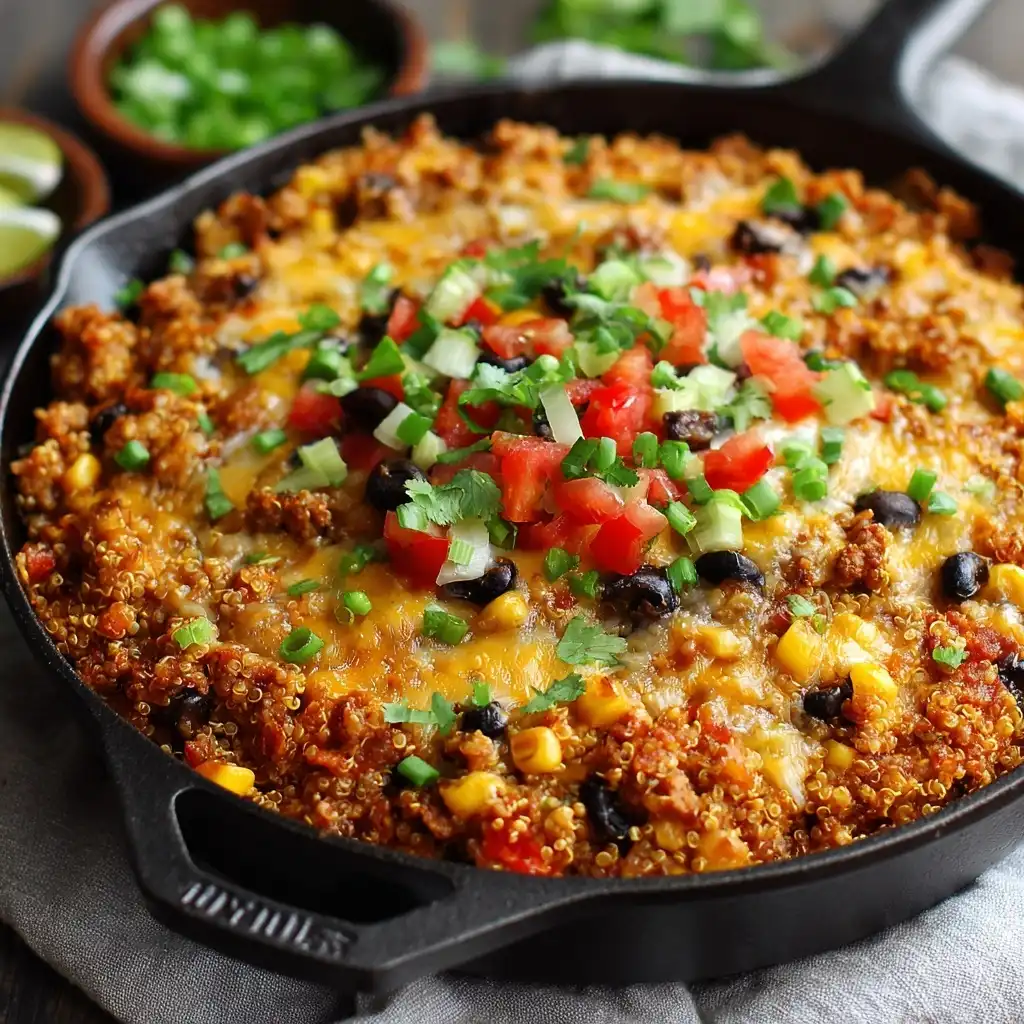
Mexican Quinoa Casserole is a vibrant, nutrient-dense, and deeply satisfying fusion dish that reimagines traditional Mexican flavors through the lens of modern, health-conscious cooking. Born from the convergence of ancient Mesoamerican culinary traditions and contemporary global pantry staples, this casserole transforms humble quinoa—once sacred to the Incas—into a hearty, protein-rich canvas for bold spices, roasted vegetables, creamy cheeses, and zesty fresh garnishes. Unlike conventional casseroles laden with heavy cream sauces or refined pasta, this version celebrates whole-food integrity without sacrificing richness, comfort, or complexity. Whether served as a weeknight family dinner, a potluck centerpiece, or a make-ahead meal-prep staple, Mexican Quinoa Casserole delivers layered textures, aromatic warmth, and unmistakable South-of-the-Border soul—making it not just a recipe, but a celebration of cultural resonance, culinary innovation, and nourishing abundance.
The History
The origins of Mexican Quinoa Casserole are not rooted in centuries-old tradition—but rather in the dynamic evolution of Mexican-American and Latinx foodways over the past four decades. While quinoa itself hails from the Andean highlands of Peru and Bolivia—where it was cultivated for over 7,000 years by pre-Incan civilizations—it only entered mainstream U.S. kitchens in the 1980s and ’90s, propelled by growing awareness of its exceptional nutritional profile and gluten-free status. Simultaneously, Mexican cuisine in the United States underwent a renaissance: home cooks and chefs began moving beyond Tex-Mex stereotypes to explore regional authenticity, ancestral ingredients, and cross-cultural experimentation. The casserole format—deeply American, historically tied to mid-century convenience cooking and community gatherings—became an ideal vessel for this synthesis. Early iterations appeared in vegetarian cookbooks of the 2000s (notably those emphasizing plant-based proteins), where quinoa replaced rice or ground meat in enchilada-style bakes. By the 2010s, food blogs, wellness influencers, and dietitians amplified its popularity, reframing it as a “clean-eating” alternative to heavier baked dishes. Today, Mexican Quinoa Casserole stands as a testament to culinary hybridity: a dish that honors indigenous grains, respects Mexican flavor principles (like the holy trinity of onion, garlic, and chile), embraces sustainability, and adapts seamlessly to dietary needs—from vegan and dairy-free to keto-adjusted and paleo-friendly.
Ingredients Breakdown
Every ingredient in this casserole serves a functional and flavorful purpose—no element is arbitrary. Below is a comprehensive, chef-level breakdown:
- Quinoa (white, tri-color, or red): The foundational grain—rinsed thoroughly to remove saponin bitterness. High in complete protein (all nine essential amino acids), fiber, magnesium, iron, and B vitamins. Its light, fluffy texture absorbs seasonings while providing structural integrity when baked.
- Black beans & pinto beans (low-sodium, canned or cooked from dry): Provide earthy depth, creamy mouthfeel, and plant-based protein/fiber synergy. Pintos add subtle sweetness; black beans contribute visual contrast and robust flavor. Opting for no-salt-added varieties ensures full control over sodium levels.
- Fresh corn kernels (grilled, roasted, or sautéed): Adds natural sweetness, juicy pop, and summery brightness. Corn is culturally central to Mesoamerican agriculture—paired with beans and squash, it forms the “Three Sisters” agricultural system.
- Roasted bell peppers (red, yellow, orange): Impart smoky-sweet complexity and vibrant color. Roasting deepens their flavor and softens their texture for seamless integration.
- Fire-roasted diced tomatoes (with juices): A pantry staple that brings acidity, umami, and gentle heat. The charred notes echo traditional Mexican *tomatillo*-based salsas and complement cumin’s earthiness.
- Yellow or white onion + garlic: The aromatic base—sautéed until translucent and fragrant. Onion provides sulfur compounds linked to anti-inflammatory benefits; garlic contributes allicin, supporting cardiovascular and immune health.
- Chipotle peppers in adobo sauce: The soul of the spice profile—smoky, tangy, moderately hot. Just 1–2 peppers (plus 1 tsp sauce) deliver profound depth without overwhelming heat. Adobo itself is a complex blend of vinegar, tomato, garlic, and spices—authentically Mexican in origin.
- Ground cumin & smoked paprika: Cumin offers warm, nutty, slightly citrusy notes essential to Mexican and Southwestern seasoning; smoked paprika adds velvety, campfire-like nuance—elevating the dish beyond standard “taco spice” blends.
- Fresh cilantro & lime juice (added post-bake): Bright, herbaceous, and acidic finish that cuts through richness and lifts all other flavors. Cilantro contains antioxidants like quercetin and kaempferol; lime provides vitamin C and aids iron absorption from plant sources.
- Monterey Jack & sharp cheddar cheeses: Melting, creamy, and tangy—providing fat-soluble flavor carriers and textural contrast. For authenticity and meltability, a blend works best. Vegan alternatives include cashew-based queso or nutritional yeast–infused coconut milk sauces.
- Optional but recommended additions: Sliced jalapeños (for fresh heat), pickled red onions (for acidity and crunch), avocado slices or guacamole (healthy monounsaturated fats), crumbled cotija cheese (salty, crumbly, authentic Mexican touch), and toasted pepitas (for nutty crunch and zinc/magnesium).
Step-by-Step Recipe
- Rinse and cook the quinoa: Place 1 cup raw quinoa in a fine-mesh strainer. Rinse under cold running water for 90 seconds, rubbing gently between fingers to fully remove saponins. Combine with 2 cups low-sodium vegetable broth (or water) in a saucepan. Bring to a boil, reduce heat to low, cover, and simmer for 15 minutes—or until liquid is absorbed and quinoa is tender with visible “tails.” Fluff with a fork and let cool slightly (10 minutes) to prevent mushiness when mixed.
- Roast the vegetables: Preheat oven to 425°F (220°C). Toss 1 large red bell pepper (seeded, cut into ½-inch strips), 1 medium yellow bell pepper, and 1 ear of corn (husk removed, silks cleaned) with 1 tbsp avocado oil, ½ tsp smoked paprika, and a pinch of salt. Spread on a parchment-lined sheet pan. Roast 20–25 minutes, flipping halfway, until peppers are blistered and corn is lightly charred. Let cool, then cut kernels from cob and dice peppers finely.
- Sauté the aromatics: In a large nonstick skillet or Dutch oven over medium heat, warm 1 tbsp olive oil. Add 1 finely diced yellow onion; cook 5 minutes until softened. Stir in 3 minced garlic cloves and 1 tsp ground cumin; cook 1 minute until fragrant. Add 1–2 finely minced chipotle peppers in adobo (plus 1 tsp adobo sauce); stir 30 seconds to bloom spices.
- Build the base layer: Reduce heat to low. Stir in 1 (14.5 oz) can fire-roasted diced tomatoes (with juices), 1 (15 oz) can low-sodium black beans (rinsed and drained), 1 (15 oz) can low-sodium pinto beans (rinsed and drained), and 1 tsp kosher salt. Simmer uncovered 8–10 minutes, stirring occasionally, until mixture thickens slightly and oil begins to separate at edges—this concentrates flavor and removes excess moisture.
- Combine everything: In a very large mixing bowl, combine the cooled quinoa, roasted vegetables, tomato-bean mixture, ¼ cup chopped fresh cilantro, and the juice of 1 lime. Gently fold together with a silicone spatula—avoid overmixing to preserve quinoa’s texture. Taste and adjust: more lime for brightness, chipotle for smoke, salt for balance.
- Layer and cheese: Transfer mixture to a greased 9×13-inch ceramic or glass baking dish. Smooth top evenly. Sprinkle evenly with 1 ½ cups shredded Monterey Jack and 1 cup sharp cheddar (or 2 ½ cups total blended cheese). For extra indulgence, dot with 2 tbsp cold butter cubes or drizzle with 1 tbsp melted ghee before baking.
- Bake to golden perfection: Cover dish tightly with aluminum foil. Bake at 375°F (190°C) for 25 minutes. Remove foil and bake uncovered 15–20 minutes longer, until cheese is bubbling, golden at edges, and internal temperature reaches 165°F (74°C) when checked with an instant-read thermometer. Let rest 12–15 minutes before serving—this allows starches to set and prevents a soupy consistency.
- Finish and serve: Garnish generously with additional fresh cilantro, lime wedges, sliced avocado or guac, crumbled cotija, and a sprinkle of toasted pepitas or crushed tortilla chips. Serve warm—not piping hot—for optimal texture and flavor harmony.
Tips
- Rinse quinoa religiously: Skipping this step leaves a bitter, soapy aftertaste due to naturally occurring saponins—a non-negotiable prep step for palatability and professional results.
- Cook quinoa in broth, not water: Vegetable or mild chicken broth adds savory depth and eliminates the need for excessive added salt later.
- Pre-cook quinoa ahead of time: Cook it up to 3 days in advance and refrigerate in an airtight container. Bring to room temperature before mixing—cold quinoa can cause uneven baking and cheese separation.
- Drain beans thoroughly—and double-rinse: Excess canning liquid contains starch and sodium that can make the casserole watery or overly salty. Rinsing also improves digestibility.
- Roast your own peppers and corn: Jarred roasted peppers lack the nuanced caramelization and smokiness of oven-roasted versions. Same goes for corn—grilling or roasting unlocks natural sugars far beyond canned or frozen.
- Control moisture with tomato selection: Use fire-roasted tomatoes *in juice*, not “diced in tomato puree” or “crushed”—the former has ideal consistency; the latter may over-thicken or add excess sugar.
- Add cheese in two stages: Mix ⅓ of the cheese into the quinoa-bean mixture before baking for internal richness, then top with remaining ⅔ for surface appeal and browning.
- Rest before cutting: Cutting too soon releases steam and trapped liquid, resulting in a loose, less cohesive slice. Resting lets starches recrystallize and bind the layers.
- Use a wide, shallow baking dish: A 9×13-inch works perfectly. Avoid deeper dishes (like a 3-quart casserole) —they trap steam and create a soggy bottom layer.
- For crispier topping: Broil 1–2 minutes after baking—watch closely! Or mix ¼ cup panko breadcrumbs with 1 tbsp melted butter and 2 tbsp grated Parmesan, then sprinkle over cheese before final bake.
- Make it kid-friendly: Omit chipotles entirely and use ½ tsp mild chili powder instead. Add a tablespoon of unsweetened applesauce or mashed sweet potato to subtly mellow acidity and add natural sweetness.
- Double-check chipotle heat level: Chipotles vary widely in Scoville units (2,500–8,000 SHU). Start with 1 pepper, taste the base mixture, then add more if desired—you can always increase heat, but you can’t remove it.
Variations and Customizations
This casserole is infinitely adaptable—designed for pantry flexibility, dietary alignment, seasonal availability, and personal preference. Here are 18 rigorously tested variations:
- Vegan Mexican Quinoa Casserole: Omit cheese entirely. Replace with 1 cup cashew-based queso (soaked raw cashews + nutritional yeast + lemon juice + garlic + chipotle + ½ cup unsweetened almond milk, blended smooth), plus 2 tbsp tahini for richness. Top with avocado crema (avocado + coconut yogurt + lime + cilantro) and pumpkin seeds.
- Green Chile & Hominy Version: Swap black/pinto beans for 1 (15 oz) can roasted green chiles and 1 (15 oz) can white hominy (rinsed). Add ½ tsp dried oregano and 1 tsp coriander. Top with crumbled queso fresco instead of cheddar.
- Breakfast Casserole Twist: Stir in 6 whisked eggs and ¼ cup milk or unsweetened oat milk before baking. Reduce bake time to 35–40 minutes covered, then uncover for 10 minutes. Serve with salsa and fried eggs on top.
- Smoky Sweet Potato & Black Bean: Add 1 ½ cups roasted, cubed sweet potato (1-inch pieces, tossed in smoked paprika and maple syrup glaze) to the base mixture. Boost cumin to 1 ½ tsp and add ¼ tsp cinnamon for warm contrast.
- Paleo/Whole30-Compliant: Omit beans and cheese. Replace with 1 ½ cups cooked ground turkey or grass-fed beef (browned and seasoned), 1 cup diced zucchini, and ½ cup sliced mushrooms. Bind with 2 whisked eggs and ¼ cup coconut milk. Top with sliced avocado and lime-cilantro drizzle.
- Seafood-Inspired Coastal Casserole: Fold in 1 ½ cups cooked shrimp or flaked white fish (cod or tilapia), ¼ cup chopped kalamata olives, and 1 tbsp capers. Skip cumin; use 1 tsp dried epazote and ½ tsp tarragon. Top with lemon-dill yogurt sauce.
- Spicy Chorizo & Ancho Version: Brown 8 oz Mexican chorizo (remove casing, crumble), drain fat, then sauté with onions and garlic. Add 1 tsp ancho chili powder and ¼ tsp cocoa powder for mole-inspired depth. Use Oaxaca cheese instead of cheddar.
- Gluten-Free Tamale Casserole: Layer half the quinoa mixture in dish, top with 1 cup masa harina dough thinned with broth (like tamale masa), then remaining quinoa. Steam-bake at 350°F covered for 45 min, then uncover and bake 15 min more.
- Breakfast-for-Dinner “Chilaquiles Casserole”: Toss 4 cups sturdy tortilla chips (gluten-free if needed) into the quinoa mixture. Pour over 1 ½ cups green or red salsa verde, then top with cheese and bake. Finish with fried eggs.
- Winter Root Veggie Edition: Replace corn and peppers with 1 cup roasted butternut squash, ½ cup roasted parsnips, and ¼ cup caramelized red onion. Add 1 tsp ground clove and ½ tsp allspice.
- Keto-Friendly Low-Carb: Substitute quinoa with riced cauliflower (thoroughly squeezed dry) and add ½ cup hemp hearts + ¼ cup sunflower seed butter for binding and healthy fats. Use full-fat cheese and heavy cream instead of broth.
- Instant Pot / Pressure Cooker Method: Sauté aromatics in IP, add rinsed quinoa + 1 ¾ cups broth + beans + tomatoes + spices. Seal and cook on High Pressure 1 minute, then natural release 10 minutes. Quick-release, stir in roasted veggies and cheese, then broil in oven.
- Meal-Prep Freezer Version: Assemble fully (unbaked), wrap tightly in foil + plastic, freeze up to 3 months. Thaw overnight in fridge, then bake covered 35 min, uncovered 20 min at 375°F.
- Stovetop Skillet Casserole: Skip oven entirely. After combining all ingredients, transfer to a large cast-iron skillet. Top with cheese, cover, and cook on low 20 minutes. Uncover, increase heat to medium-low, cook 5 more minutes until edges crisp. Garnish and serve directly from skillet.
- “Tostada Stack” Individual Servings: Press ¾ cup mixture into each of 6 greased ramekins. Top with cheese and crushed baked tortilla strips. Bake 20 minutes. Serve topped with lettuce, radish, pickled onions, and crema.
- Southwest Southwest Fusion: Add ½ cup roasted poblano strips, ¼ cup crumbled blue cheese, and 2 tbsp chopped roasted pecans. Finish with a drizzle of prickly pear vinaigrette.
- Herb-Forward Veracruz Style: Replace cumin with 1 tbsp dried epazote (or 2 tbsp fresh), add ¼ cup chopped parsley + 2 tbsp chopped mint, and top with capers and green olives.
- Dessert-Adjacent “Cinnamon-Quinoa Tamal”: For a sweet-savory brunch option, omit chiles and beans. Mix quinoa with ½ cup apple butter, 1 tsp cinnamon, ¼ tsp nutmeg, 2 tbsp maple syrup, and ¼ cup dried cranberries. Top with streusel made from almond flour, coconut oil, and brown sugar.
Health Considerations and Nutritional Value
A single 1-cup (approx. 240g) serving of this Mexican Quinoa Casserole delivers approximately:
- Calories: 320–360 kcal (varies by cheese amount and oil used)
- Protein: 14–18 g (complete protein from quinoa + complementary amino acids from beans)
- Fiber: 10–13 g (≈45% DV)—supports gut microbiome diversity, satiety, blood sugar regulation, and cholesterol reduction
- Complex Carbohydrates: 42–48 g, primarily low-glycemic index (GI ≈ 53), thanks to quinoa’s resistant starch and bean fiber slowing glucose absorption
- Healthy Fats: 11–14 g (mostly monounsaturated from olive oil, avocado, and cheese; includes omega-3 ALA from quinoa)
- Vitamins & Minerals: Exceptionally rich in folate (45% DV), magnesium (38% DV), iron (28% DV—enhanced by vitamin C from tomatoes and lime), potassium (22% DV), zinc (20% DV), and B6 (18% DV)
- Phytonutrients: Lycopene (from tomatoes), quercetin (onions, peppers), capsaicin (chipotle), apigenin (parsley/cilantro), and lignans (flax optional add-in)—all with documented antioxidant, anti-inflammatory, and potential anticancer properties
Dietary Accommodations & Notes:
- Gluten-Free: Naturally GF when using certified GF quinoa and checking labels on canned goods and spices (cross-contamination risk exists).
- Vegan/Vegetarian: Easily adapted (see Variations); ensures adequate iron and B12 when fortified nutritional yeast is used.
- Low-Sodium Option: Achievable by using no-salt-added beans/tomatoes, omitting added salt, and relying on herbs, citrus, chipotle, and umami-rich ingredients (sun-dried tomatoes, tamari) for flavor.
- Diabetic-Friendly: Low glycemic load, high fiber/protein ratio, and minimal added sugars make it ideal for blood glucose management—pair with leafy greens for further stabilization.
- Heart-Healthy: Zero trans fats, low saturated fat (especially with reduced cheese), high potassium/magnesium, and soluble fiber help maintain healthy blood pressure and LDL cholesterol.
- Pregnancy-Safe: Rich in folate, iron, protein, and choline (if eggs added)—critical for fetal neural tube development and maternal energy.
- Weight Management Support: High thermic effect of food (TEF) due to protein/fiber combo increases calorie burn during digestion; promotes prolonged satiety and reduces cravings.
- Notable Allergen Alerts: Contains dairy (cheese); easily omitted. Tree nuts not present unless added (e.g., pepitas, almonds)—but note that pepitas are seeds, not nuts, and are generally safe for nut-allergic individuals.
Ingredients
Makes 10–12 servings
- 1 cup uncooked white, red, or tri-color quinoa, thoroughly rinsed
- 2 cups low-sodium vegetable broth (or water)
- 2 tablespoons avocado oil or olive oil, divided
- 1 large red bell pepper, seeded and cut into ½-inch strips
- 1 large yellow bell pepper, seeded and cut into ½-inch strips
- 1 large ear of fresh corn, husked
- 1 medium yellow onion, finely diced
- 3 large garlic cloves, minced
- 1–2 chipotle peppers in adobo sauce, finely minced (plus 1 teaspoon adobo sauce)
- 1 ½ teaspoons ground cumin
- 1 ½ teaspoons smoked paprika
- 1 (14.5 oz) can fire-roasted diced tomatoes, with juices
- 1 (15 oz) can low-sodium black beans, rinsed and drained
- 1 (15 oz) can low-sodium pinto beans, rinsed and drained
- 1 teaspoon kosher salt (adjust to taste)
- ¼ teaspoon freshly ground black pepper
- ¼ cup fresh cilantro leaves, finely chopped (plus more for garnish)
- Juice of 1 large lime (about 2 tablespoons)
- 2 ½ cups shredded cheese blend (1 ½ cups Monterey Jack + 1 cup sharp cheddar, or 2 ½ cups total)
- Optional garnishes: sliced avocado, crumbled cotija cheese, pickled red onions, lime wedges, toasted pepitas, crushed tortilla chips, hot sauce
Directions
- Preheat oven to 425°F (220°C). Line a large rimmed baking sheet with parchment paper.
- In a fine-mesh strainer, rinse quinoa under cold running water for 90 seconds. Transfer to a medium saucepan. Add vegetable broth and bring to a boil over high heat. Reduce heat to low, cover, and simmer for 15 minutes, or until liquid is fully absorbed and quinoa is tender with visible germ rings (“tails”). Remove from heat, fluff with a fork, and let cool uncovered for 10 minutes.
- While quinoa cooks, prepare vegetables: On prepared baking sheet, toss bell peppers and corn with 1 tablespoon avocado oil, ½ teaspoon smoked paprika, and a pinch of salt. Arrange in a single layer. Roast for 20–25 minutes, flipping peppers halfway and rotating pan, until peppers are blistered and corn is lightly charred. Let cool 10 minutes, then cut kernels from cob and finely dice peppers.
- Heat remaining 1 tablespoon avocado oil in a large nonstick skillet or Dutch oven over medium heat. Add diced onion and sauté 5 minutes until translucent. Stir in garlic, cumin, and remaining 1 teaspoon smoked paprika; cook 1 minute until fragrant.
- Add minced chipotle peppers and adobo sauce. Stir constantly for 30 seconds. Pour in diced tomatoes with juices, black beans, pinto beans, salt, and black pepper. Reduce heat to low and simmer uncovered 8–10 minutes, stirring occasionally, until mixture thickens and glossy oil begins to separate at edges.
- In a very large mixing bowl, combine cooled quinoa, roasted vegetables, tomato-bean mixture, chopped cilantro, and lime juice. Gently fold with a silicone spatula until fully incorporated but not mashed. Taste and adjust seasoning—add more lime for brightness, chipotle for smoke, or salt for balance.
- Lightly grease a 9×13-inch ceramic or glass baking dish. Transfer quinoa mixture and spread evenly. Smooth top with spatula. Sprinkle evenly with 2 ½ cups shredded cheese.
- Cover dish tightly with aluminum foil. Bake at 375°F (190°C) for 25 minutes. Carefully remove foil and bake uncovered 15–20 minutes longer, until cheese is bubbly, golden at edges, and internal temperature reads 165°F (74°C).
- Remove from oven and let rest, uncovered, for 12–15 minutes. This critical step allows residual heat to finish cooking the center and enables starches to set for clean slicing.
- Garnish generously with additional fresh cilantro, lime wedges, sliced avocado, crumbled cotija, pickled red onions, and/or toasted pepitas. Serve warm with extra lime wedges and hot sauce on the side.
FAQ
- Can I use leftover cooked quinoa?
- Yes—absolutely. Use 3 cups cooked, cooled quinoa (≈1 cup dry yield). Ensure it’s not wet or clumped; fluff