Introduction
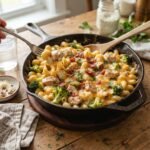
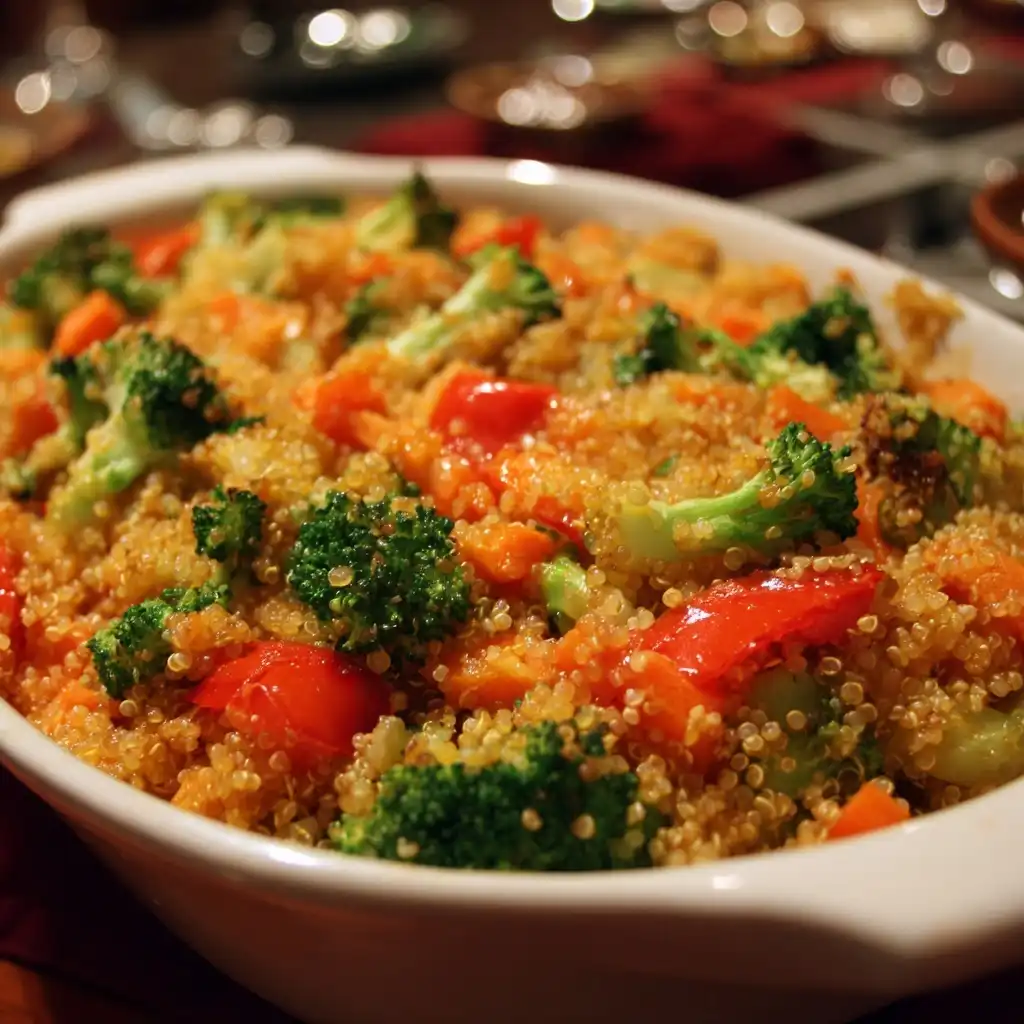
Quinoa Vegetable Casserole is a vibrant, nutrient-dense, and deeply satisfying baked dish that bridges the gap between wholesome comfort food and modern plant-forward cuisine. Far more than just a side dish, it serves as a complete, protein-rich main course—ideal for weeknight dinners, potlucks, holiday buffets, meal prep, or even elegant vegetarian entertaining. Its appeal lies in its remarkable versatility: hearty yet light, earthy yet bright, creamy yet texturally dynamic—thanks to the fluffy, slightly nutty quinoa, a colorful medley of seasonal vegetables, a velvety cheese or dairy-free binding sauce, and layers of aromatic herbs and spices. Whether you’re a seasoned home cook or new to whole grains, this casserole offers approachable technique with exceptional flavor payoff—and it’s naturally gluten-free, easily adaptable for vegan, dairy-free, low-sodium, or high-fiber diets.
The History
While casseroles have long been an American culinary staple—rooted in early 20th-century frugality, convenience cooking, and the rise of canned goods and oven-ready appliances—the incorporation of quinoa represents a relatively recent evolution reflecting global ingredient awareness and the growing popularity of ancient grains. Quinoa (pronounced KEEN-wah), native to the Andean highlands of Peru, Bolivia, and Ecuador, has been cultivated for over 7,000 years by Indigenous peoples like the Incas, who revered it as “chisaya mama” or “mother grain.” Though botanically a seed from the goosefoot family (Chenopodium quinoa), its complete protein profile—including all nine essential amino acids—earned it global recognition from the United Nations, which declared 2013 the “International Year of Quinoa.” As health-conscious cooking surged in the 2010s, home cooks and chefs began reimagining traditional casserole formats—replacing pasta or rice with quinoa for enhanced nutrition, texture, and culinary intrigue. The Quinoa Vegetable Casserole emerged organically from this movement: a fusion of ancestral grain wisdom, Mediterranean vegetable roasting traditions, French gratin techniques, and American baking pragmatism—transforming humble produce and pantry staples into a nourishing centerpiece worthy of any table.
Ingredients Breakdown
Understanding each component deepens both appreciation and mastery of this dish. Here’s an in-depth analysis of the core ingredients and their functional roles:
- Quinoa: Rinsed white, red, or tri-color quinoa serves as the structural and nutritional foundation. Its natural saponin coating must be thoroughly rinsed to prevent bitterness. When cooked properly, it delivers a delicate crunch and subtle nuttiness, while providing 8g of complete protein and 5g of fiber per cooked cup—plus magnesium, iron, B vitamins, and antioxidants.
- Aromatics (Onion, Garlic, Leeks): Sautéed until soft and sweet, they build foundational umami and depth. Yellow onions offer balance; red onions add color and mild sharpness; leeks lend a refined, gentle sweetness ideal for spring versions.
- Roasted Vegetables: A dynamic blend—such as zucchini, bell peppers (red/yellow/orange), eggplant, cherry tomatoes, broccoli florets, carrots, sweet potatoes, or cauliflower—adds moisture, sweetness, earthiness, and visual appeal. Roasting concentrates flavors, enhances caramelization, and prevents sogginess in the final bake.
- Fresh Herbs: Parsley, basil, thyme, oregano, dill, or chives contribute brightness, complexity, and freshness. Dried herbs work in a pinch but lack the volatile oils that elevate aroma—so fresh is strongly recommended for finishing.
- Cheese (or Dairy-Free Alternative): Gruyère, fontina, sharp cheddar, feta, goat cheese, or smoked gouda lend richness, saltiness, and meltability. For vegan versions, cashew-based ricotta, nutritional yeast–infused béchamel, or almond-miso “cheese” sauces provide savory depth and binding power.
- Liquid Binder: A combination of vegetable broth (for savory depth), unsweetened plant milk (almond, oat, or cashew), or full-fat dairy milk creates the creamy matrix. A touch of Dijon mustard or white wine vinegar adds brightness to cut richness.
- Thickener: A light roux (butter + flour), cornstarch slurry, or blended silken tofu ensures the sauce clings beautifully to quinoa and vegetables without pooling or drying out.
- Seasonings: Beyond salt and black pepper, smoked paprika adds warmth, turmeric lends golden hue and anti-inflammatory benefits, cumin evokes earthiness, and lemon zest provides aromatic lift.
- Topping Elements: Panko breadcrumbs (toasted in olive oil), crumbled feta or Parmesan, toasted pine nuts or pepitas, or a drizzle of herb-infused olive oil add textural contrast and visual polish before baking.
Step-by-Step Recipe
- Rinse & Toast Quinoa (10 min): Place 1½ cups uncooked quinoa in a fine-mesh strainer. Rinse under cold running water for 90 seconds, rubbing gently with fingers, until water runs clear. Drain thoroughly. Optional but highly recommended: Heat 1 tsp olive oil in a dry saucepan over medium-low heat. Add rinsed quinoa and toast 3–4 minutes, stirring constantly, until fragrant and lightly golden—enhancing nuttiness and reducing potential bitterness.
- Cook Quinoa (15–20 min): Add 3 cups low-sodium vegetable broth (or water) to toasted quinoa. Bring to a boil, reduce heat to lowest setting, cover tightly, and simmer 15 minutes. Remove from heat and let steam, covered, for 10 minutes. Fluff gently with a fork and spread on a parchment-lined sheet pan to cool completely—critical to prevent mushiness.
- Prep & Roast Vegetables (25–30 min): Preheat oven to 425°F (220°C). Chop 6–7 cups mixed vegetables into uniform ½-inch pieces. Toss with 3 tbsp olive oil, 1½ tsp sea salt, 1 tsp black pepper, 1 tsp dried oregano, and ½ tsp smoked paprika. Spread in a single layer on two large rimmed baking sheets. Roast 22–28 minutes, rotating pans halfway, until tender-crisp and caramelized at edges. Let cool slightly.
- Sauté Aromatics (8 min): In a large Dutch oven or heavy-bottomed skillet, heat 2 tbsp olive oil over medium heat. Add 1 large diced yellow onion and 3 minced garlic cloves; sauté 5 minutes until translucent. Stir in 2 finely chopped leeks (white/light green parts only) and cook 2 more minutes. Add 1 tsp grated fresh ginger and ½ tsp ground cumin; stir 1 minute until fragrant.
- Build Sauce (10 min): Whisk ¼ cup all-purpose flour (or gluten-free blend) into aromatics. Gradually whisk in 2½ cups warm vegetable broth and 1 cup unsweetened oat milk. Bring to a gentle simmer, whisking constantly, until thickened (3–4 min). Reduce heat to low. Stir in ¾ cup grated Gruyère, ¼ cup nutritional yeast (for umami), 2 tbsp Dijon mustard, 1 tbsp lemon juice, 1 tsp tamari (or soy sauce), and ½ tsp turmeric. Season with salt and white pepper to taste. Simmer 2 more minutes, then remove from heat.
- Combine & Layer (10 min): In a very large mixing bowl, combine cooled quinoa, roasted vegetables, sauce, ⅓ cup chopped fresh parsley, ¼ cup chopped fresh basil, and 2 tbsp chopped fresh thyme. Gently fold until evenly coated—avoid overmixing. Taste and adjust seasoning. Transfer mixture to a greased 9×13-inch ceramic or glass baking dish (or two 8×8-inch dishes for portion control).
- Top & Rest (5 min): Sprinkle top evenly with ¾ cup panko breadcrumbs tossed with 2 tbsp melted butter (or olive oil) and ¼ cup grated Parmesan. Optionally scatter 2 tbsp toasted pepitas and 1 tbsp lemon zest over top. Cover loosely with parchment-lined foil and refrigerate 30 minutes—this allows flavors to meld and prevents separation during baking.
- Bake (40–45 min): Preheat oven to 375°F (190°C). Bake covered for 25 minutes. Uncover and bake 15–20 minutes more, until top is deeply golden, edges bubble vigorously, and internal temperature reaches 165°F (74°C). Let rest uncovered for 15 minutes before serving—essential for proper setting and clean slicing.
Tips
- Rinse Relentlessly: Never skip rinsing—even “pre-rinsed” quinoa often retains residual saponins that impart a soapy, bitter aftertaste.
- Cool Completely: Warm quinoa absorbs excess liquid from sauce and vegetables, turning the casserole gummy. Spreading on a sheet pan speeds cooling and prevents clumping.
- Roast, Don’t Steam: Boiling or steaming vegetables releases too much water. Roasting dehydrates slightly and builds complex sugars—key to avoiding a soggy casserole.
- Underseason Early, Adjust Late: Quinoa and vegetables absorb salt differently. Season components individually, then taste the full mixture before baking—and remember flavors concentrate as it bakes.
- Use Room-Temp Sauce: Adding hot sauce to cool quinoa can cause uneven absorption. Let sauce cool 5 minutes off heat before combining.
- Rest Before Serving: Cutting too soon releases steam and causes collapse. That 15-minute rest lets starches set and bind everything together.
- Grease Strategically: Use a neutral oil or non-stick spray—not butter alone—as dairy solids can brown excessively and stick.
- Check Doneness Holistically: Don’t rely solely on time. Look for steady bubbling around edges, a firm-but-yielding center when gently pressed, and golden, crisp topping.
- Reheat Gently: To retain moisture, cover with damp parchment and warm at 325°F (160°C) for 20–25 minutes—not microwave, which makes quinoa rubbery.
- Freeze Smart: Freeze unbaked casserole (covered tightly in parchment + foil) up to 3 months. Thaw overnight in fridge, then bake as directed—add 5–10 extra minutes if still chilled.
Variations and Customizations
This casserole is a canvas—endlessly adaptable to seasons, dietary needs, pantry availability, and personal taste. Here are 15 thoughtfully crafted variations:
- Mediterranean Style: Add ½ cup kalamata olives, ¼ cup crumbled feta, 2 tbsp chopped sun-dried tomatoes (oil-packed), and 1 tsp dried oregano. Top with lemon-dill yogurt drizzle.
- Southwest Fiesta: Swap quinoa for tri-color, add black beans, corn, roasted poblano peppers, chipotle powder, lime zest, and top with avocado crema and pickled red onions.
- Harvest Autumn: Feature roasted butternut squash, caramelized apples, sage, walnuts, maple-glazed pecans, and crumbled blue cheese.
- Spring Garden: Use asparagus, English peas, baby carrots, fava beans, mint, and lemon thyme. Finish with fresh ricotta and edible flowers.
- Umami Bomb Vegan: Replace cheese with miso-tahini sauce, add shiitake mushrooms, tamari-roasted edamame, nori flakes, and toasted sesame seeds.
- Protein-Packed: Fold in 1½ cups cooked lentils, chickpeas, or shredded rotisserie chicken (add post-roasting to avoid drying).
- Low-Carb/Keto: Substitute riced cauliflower for half the quinoa, use almond milk and heavy cream, increase cheese and roasted veggies, omit breadcrumbs.
- Gluten-Free Certified: Use certified GF quinoa and tamari; replace flour with arrowroot or tapioca starch; ensure all broths and seasonings are GF-tested.
- Kid-Friendly: Finely dice veggies, omit strong herbs, add mild cheddar and hidden spinach purée, top with fun-shaped whole-grain crackers.
- Spicy Thai-Inspired: Infuse sauce with red curry paste, coconut milk, lime leaf, cilantro, and roasted red peppers. Garnish with crushed peanuts and lime wedges.
- Breakfast Casserole: Add scrambled eggs or tofu scramble, breakfast sausage crumbles, cheddar, and chives. Serve with hot sauce.
- Restaurant-Style Crust: Line dish with thin phyllo or puff pastry before adding filling—bake until golden and flaky.
- Deconstructed Individual Cups: Layer quinoa, veg, sauce, and cheese in muffin tins for portable, portion-controlled servings.
- Leftover Reinvention: Stir in roasted turkey, stuffing bits, cranberry relish, and sage for a post-holiday twist.
- Zero-Waste Version: Incorporate broccoli stems (julienned), carrot tops (blanched and chopped), beet greens, and herb stems (finely minced) into the sauté.
Health Considerations and Nutritional Value
A single 1-cup serving (approx. 320g) of standard Quinoa Vegetable Casserole delivers an impressive, balanced nutritional profile—especially when prepared mindfully:
- Calories: ~340–390 kcal (varies by cheese/oil content)
- Protein: 14–18g (complete, including lysine often missing in plant foods)
- Fiber: 7–9g (supports gut health, satiety, and blood sugar regulation)
- Healthy Fats: 12–16g (predominantly monounsaturated from olive oil and nuts; zero trans fats)
- Vitamins: Rich in Vitamin A (from carrots/sweet potatoes), Vitamin C (bell peppers/tomatoes), Vitamin K (leafy greens), folate (quinoa/leeks), and B6 (quinoa/garlic)
- Minerals: Excellent source of magnesium (quinoa/spinach), potassium (tomatoes/zucchini), iron (quinoa/mushrooms), zinc (pumpkin seeds), and calcium (fortified milk/cheese)
- Phytonutrients: Lycopene (tomatoes), anthocyanins (purple cabbage/red quinoa), lutein (zucchini/broccoli), quercetin (onions/apples)
Dietary Accommodations:
- Gluten-Free: Naturally GF when using certified grains and GF thickeners—ideal for celiac disease or gluten sensitivity.
- Vegan/Vegetarian: Easily adapted with plant-based cheeses, milks, and umami boosters—meets protein needs without animal products.
- Low-Sodium: Use no-salt-added broth, limit added salt, and emphasize herbs/spices for flavor—supports hypertension management.
- Diabetic-Friendly: Low glycemic index (quinoa: GI 53), high fiber, and healthy fats help stabilize post-meal glucose spikes.
- Heart-Healthy: High in potassium and magnesium, low in saturated fat (when using lean cheeses/oils), and rich in antioxidants shown to reduce arterial inflammation.
- Pregnancy-Safe: Excellent source of folate, iron, and protein—critical for fetal development and maternal energy.
Considerations: Those with oxalate-sensitive kidney stones may moderate high-oxalate veggies (spinach, beets, Swiss chard); those with IBS may prefer low-FODMAP swaps (swap onion/garlic for infused oil, use carrots/zucchini instead of broccoli/cauliflower).
Ingredients
Makes 10–12 servings (9×13-inch casserole)
- 1½ cups uncooked white or tri-color quinoa, rinsed and drained
- 3 cups low-sodium vegetable broth (or water)
- 6–7 cups mixed vegetables (e.g., 1 large zucchini, 1 red bell pepper, 1 yellow bell pepper, 1 small eggplant, 1 cup cherry tomatoes, 1½ cups broccoli florets, 1 large carrot), chopped into ½-inch pieces
- 5 tbsp extra-virgin olive oil, divided
- 1 large yellow onion, finely diced
- 3 garlic cloves, minced
- 2 leeks (white and light green parts only), finely sliced
- 1 tsp freshly grated ginger
- 1 tsp ground cumin
- 1 tsp smoked paprika
- 1½ tsp sea salt, plus more to taste
- 1 tsp freshly ground black pepper, plus more to taste
- ¼ cup all-purpose flour (or gluten-free 1:1 blend)
- 2½ cups warm low-sodium vegetable broth
- 1 cup unsweetened oat milk (or whole milk)
- ¾ cup grated Gruyère cheese
- ¼ cup nutritional yeast
- 2 tbsp Dijon mustard
- 1 tbsp fresh lemon juice
- 1 tsp tamari or low-sodium soy sauce
- ½ tsp ground turmeric
- ⅓ cup chopped fresh flat-leaf parsley
- ¼ cup chopped fresh basil
- 2 tbsp chopped fresh thyme leaves
- ¾ cup plain panko breadcrumbs
- ¼ cup grated Parmesan cheese
- 2 tbsp pepitas (pumpkin seeds), toasted
- 1 tbsp lemon zest
Directions
- Preheat oven to 425°F (220°C). Line two large rimmed baking sheets with parchment paper.
- In a fine-mesh strainer, rinse quinoa under cold water for 90 seconds until water runs clear. Drain well.
- In a medium saucepan, combine rinsed quinoa and 3 cups vegetable broth. Bring to a boil over high heat. Reduce heat to low, cover tightly, and simmer for 15 minutes. Remove from heat and let stand, covered, for 10 minutes. Fluff with a fork and spread onto a parchment-lined sheet pan to cool completely (about 30 minutes).
- Meanwhile, prepare vegetables: On prepared baking sheets, toss all chopped vegetables with 3 tbsp olive oil, 1 tsp salt, ½ tsp black pepper, 1 tsp smoked paprika, and ½ tsp cumin. Spread in single layers. Roast 22–28 minutes, rotating pans halfway, until tender and caramelized. Set aside to cool slightly.
- In a large Dutch oven or heavy-bottomed pot, heat remaining 2 tbsp olive oil over medium heat. Add onion and garlic; sauté 5 minutes until soft. Add leeks and cook 2 minutes more. Stir in ginger and cumin; cook 1 minute until fragrant.
- Sprinkle flour over aromatics and whisk constantly for 1 minute. Gradually whisk in warm vegetable broth and oat milk until smooth. Bring to a gentle simmer, whisking continuously, until thickened (3–4 minutes). Reduce heat to low.
- Stir in Gruyère, nutritional yeast, Dijon, lemon juice, tamari, and turmeric. Cook 2 minutes more, stirring. Season with salt and white pepper. Remove from heat and let cool 5 minutes.
- In a very large bowl, combine cooled quinoa, roasted vegetables, sauce, parsley, basil, and thyme. Gently fold until fully combined. Taste and adjust seasoning.
- Transfer mixture to a greased 9×13-inch baking dish. In a small bowl, mix panko, Parmesan, and 1 tbsp olive oil; sprinkle evenly over casserole. Top with pepitas and lemon zest.
- Cover dish tightly with parchment-lined aluminum foil. Refrigerate 30 minutes.
- Preheat oven to 375°F (190°C). Bake covered for 25 minutes. Remove foil and bake uncovered 15–20 minutes more, until top is golden brown and edges bubble vigorously.
- Let rest uncovered for 15 minutes before slicing and serving.
FAQ
- Can I make this ahead of time?
- Yes! Assemble up to 2 days ahead, cover tightly, and refrigerate unbaked. Add 5–10 minutes to initial covered bake time if going straight from fridge to oven. Fully baked casserole keeps refrigerated for 4 days and reheats beautifully.
- Why does my casserole turn out mushy?
- Most commonly due to: (1) Not rinsing quinoa thoroughly, (2) Using warm/hot quinoa when mixing, (3) Overcooking vegetables (they release water), or (4) Skipping the resting step before baking. Ensure quinoa is fully cooled and vegetables are roasted—not boiled.
- Can I freeze Quinoa Vegetable Casserole?
- Absolutely. Freeze unbaked (wrap tightly in parchment + double foil) for up to 3 months. Thaw overnight in fridge, then bake as directed—adding 5–10 minutes if still cool in center. Avoid freezing after baking, as repeated heating degrades quinoa texture.
- What’s the best cheese substitute for vegan version?
- Our top recommendation: Blend 1 cup raw cashews (soaked 4 hours), ½ cup water, 3 tbsp lemon juice, 3 tbsp nutritional yeast, 1 tsp white miso, ½ tsp garlic powder, and ½ tsp onion powder until ultra-smooth. Use in place of cheese sauce—it mimics richness, tang, and creaminess perfectly.
- Can I use leftover cooked quinoa?
- Yes—but only if it’s plain (no oil, salt, or acid) and fully chilled. Use 4½ cups cooked quinoa (equivalent to 1½ cups dry). Reduce broth in sauce by ½ cup to compensate for residual moisture.
- Is quinoa supposed to be crunchy?
- No—properly cooked quinoa should be tender with a slight, pleasant bite (al dente), not chalky or hard. If crunchy, it was undercooked or didn’t absorb enough liquid. If mushy, it was overcooked or stirred too vigorously while hot.
- How do I keep the top from burning?
- If browning too quickly, tent loosely with foil during last 10 minutes. Also ensure your oven rack is centered—not too close to top heating element. Using a light-colored metal or ceramic dish (not dark non-stick) helps prevent over-browning.
- Can I add meat or beans?
- Yes! Fold in 1½ cups cooked black beans, chickpeas, lentils, shredded chicken, ground turkey, or crumbled plant-based “sausage” after roasting vegetables but before adding sauce. Avoid raw proteins—they won’t cook through evenly in the casserole.
- What herbs pair best with quinoa?
- Quinoa’s mild flavor welcomes almost any herb—but especially resonant are lemony (dill, parsley, lemon thyme), earthy (rosemary, sage, oregano), and floral (basil, chives). Avoid overpowering anise notes (tarragon, fennel) unless intentionally pairing with Mediterranean flavors.
- My sauce broke—what do I do?
- If sauce appears separated or grainy: Immediately remove from heat, whisk in 1 tsp cold butter or 1 tbsp cold plant milk, and gently reheat while whisking constantly. Alternatively, blend 2 tbsp sauce with 1 tsp cornstarch slurry and stir back in.
Summary
Quinoa Vegetable Casserole is a masterclass in nutritious, flavorful, and adaptable home cooking—uniting ancient grain wisdom, seasonal produce abundance, and modern dietary consciousness into one golden, herb-flecked, deeply satisfying dish. Whether baked for a family dinner, prepped for weekly lunches, or elevated for guests with artisanal cheeses and toasted seeds, it delivers unmatched balance: protein-rich yet light, comforting yet vibrant, simple to prepare yet sophisticated in execution.