Introduction
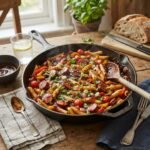
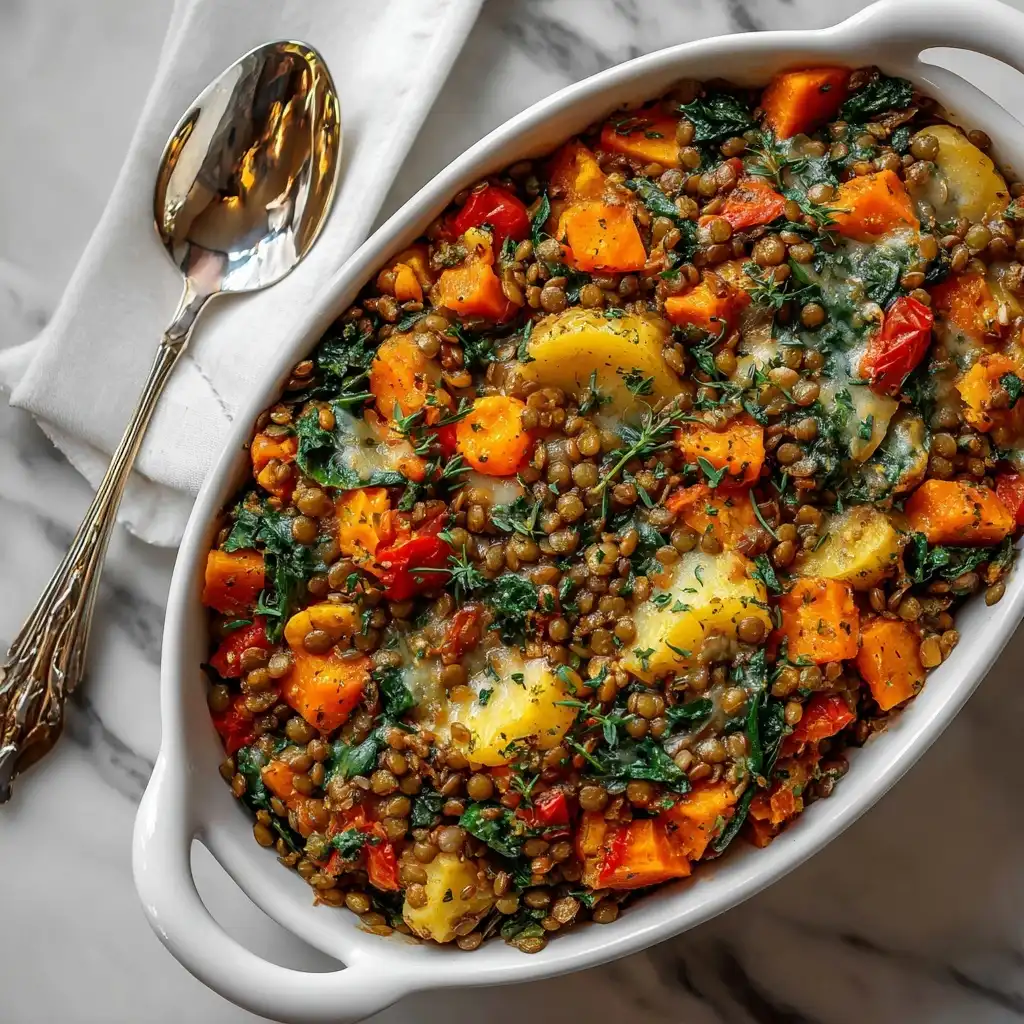
Welcome to a hearty, wholesome, and deeply comforting dish that bridges tradition and modern nutrition: the Lentil Vegetable Casserole. This robust, oven-baked medley is far more than just a weeknight dinner—it’s a celebration of plant-powered nourishment, seasonal produce, and culinary versatility. Whether you’re a lifelong vegetarian, a flexitarian seeking meatless Monday inspiration, a busy parent needing a freezer-friendly family meal, or someone simply craving soul-warming sustenance without the heaviness, this casserole delivers on every front. With its rich umami depth from slow-simmered lentils, vibrant sweetness from roasted carrots and zucchini, savory earthiness from caramelized onions and mushrooms, and a golden, herb-flecked breadcrumb topping, it satisfies both palate and purpose. More than just food—it’s intentionality baked into every layer.
The History
The origins of the lentil vegetable casserole are not tied to a single culture or century—but rather emerge from a beautiful global convergence of frugality, agrarian wisdom, and communal cooking traditions. Lentils themselves have been cultivated for over 13,000 years, with archaeological evidence pointing to their domestication in the Fertile Crescent (modern-day Syria, Turkey, and Iraq) as early as 11,000 BCE. Ancient Egyptians served lentils in tombs as provisions for the afterlife; Romans prized them for stamina and affordability; and in India, dal-based baked or layered preparations—like dal ki kachori or spiced lentil-stuffed breads—evolved over centuries into oven-friendly adaptations during British colonial influence, when Western baking techniques merged with indigenous legume mastery.
In North America, the casserole format surged in popularity during the Great Depression and WWII, when home economists and women’s magazines promoted “make-do” meals built around pantry staples: dried beans, canned tomatoes, root vegetables, and stale bread. Lentils—though less common than navy or pinto beans in mid-century U.S. casseroles—gained traction in the 1970s alongside the whole-foods movement and vegetarian cookbooks like Frances Moore Lappé’s Diet for a Small Planet, which spotlighted lentils as a complete, accessible protein source. The modern lentil vegetable casserole thus represents a living heirloom—a fusion of ancient leguminous heritage, wartime resourcefulness, Ayurvedic balance principles (tridoshic harmony), and today’s climate-conscious, fiber-forward culinary ethos.
Ingredients Breakdown
Every ingredient in this casserole has been thoughtfully selected for flavor synergy, textural contrast, nutritional density, and functional role in the dish’s structure and integrity:
- Brown or green lentils: The backbone—high in protein (18g per cooked cup), iron, folate, and resistant starch. They hold shape well during baking without turning mushy, offering a satisfying, toothsome bite.
- Yellow or orange lentils (optional addition): Added in small amounts (¼ cup) to lend natural creaminess and accelerate thickening without compromising texture—ideal for achieving a velvety base without flour or roux.
- Olive oil & avocado oil: A dual-oil blend ensures high-heat sauté stability (avocado oil’s smoke point: 520°F) and nuanced polyphenol richness (extra-virgin olive oil added at the end for aroma and antioxidants).
- Aromatics trio (onion, garlic, celery): The mirepoix foundation—celery contributes apigenin (anti-inflammatory), onion offers quercetin and prebiotic inulin, and garlic delivers allicin (immune-supportive when crushed and rested).
- Carrots & parsnips: Roasted for caramelization, they deepen sweetness and add beta-carotene (vitamin A precursor) and soluble fiber (pectin) that supports gut health.
- Zucchini & eggplant: Lightened by salting and draining, they contribute moisture regulation and nasunin—an anthocyanin in eggplant skin shown to protect brain cell membranes.
- Fresh spinach & kale: Stirred in at the end for a nutrient burst—rich in lutein, vitamin K1 (critical for bone and vascular health), and non-heme iron best absorbed with vitamin C from tomatoes.
- Canned San Marzano tomatoes & tomato paste: Concentrated lycopene (a heat-stable, bioavailable antioxidant linked to reduced prostate and cardiovascular risk), enhanced by the oil infusion during sautéing.
- Dried herbs (thyme, oregano, rosemary): Not just flavor—they contain rosmarinic acid, carvacrol, and thymol: potent antimicrobial and anti-inflammatory compounds activated by gentle heating.
- Vegetable broth (low-sodium, certified organic): Provides mineral balance (potassium, magnesium) and depth without excess sodium—homemade bone broth can be substituted for omnivorous variations.
- Lemon zest & juice: Brightens the entire profile, increases iron absorption from lentils via citric acid, and adds D-limonene (a citrus phytochemical studied for mood and detoxification support).
- Panko breadcrumbs (whole grain or gluten-free): Toasted with nutritional yeast, garlic powder, and smoked paprika—adds crunch, B-vitamins (especially B12-fortified yeast), and a subtle umami finish.
- Feta or goat cheese (optional): A tangy, briny counterpoint—provides calcium, conjugated linoleic acid (CLA), and microbial diversity if raw and unpasteurized (where legally available).
Step-by-Step Recipe
- Prep & Pre-soak (Optional but Recommended): Rinse 1½ cups dry brown/green lentils thoroughly in cold water until runoff is clear. For optimal digestibility and even cooking, soak overnight in 3 cups filtered water with 1 tsp apple cider vinegar (enhances phytase activity to break down phytic acid). Drain and rinse before use. *Note: Skipping soak adds ~15 minutes to simmer time but still yields excellent results.*
- Roast the Hearty Vegetables: Preheat oven to 425°F (220°C). Toss 2 medium carrots (julienned), 1 medium parsnip (thin half-moons), 1 small eggplant (cubed & salted for 15 min, then patted dry), and 1 medium zucchini (halved lengthwise, sliced ¼” thick) in 2 tbsp avocado oil, 1 tsp smoked paprika, ½ tsp ground cumin, sea salt, and black pepper. Spread on parchment-lined sheet pans. Roast 25–30 minutes, flipping halfway, until edges are deeply caramelized and centers tender-crisp. Set aside.
- Sauté the Aromatics & Build Flavor Base: In a large, heavy-bottomed Dutch oven or enameled cast-iron pot, heat 2 tbsp olive oil over medium-low heat. Add 1 large yellow onion (finely diced), 2 stalks celery (minced), and 2 medium carrots (small dice)—sweat gently for 8–10 minutes until translucent but not browned. Stir in 4 cloves garlic (crushed, then minced), 1 tbsp tomato paste, 1 tsp dried thyme, 1 tsp dried oregano, ½ tsp dried rosemary (crushed), and ¼ tsp red pepper flakes. Cook 3–4 minutes until fragrant and oil begins to shimmer with deep red-orange hue.
- Simmer the Lentil Foundation: Add soaked (or rinsed unsoaked) lentils, 4 cups low-sodium vegetable broth, 1 (28 oz) can San Marzano tomatoes (crushed by hand), 1 bay leaf, and 1 tsp black peppercorns. Bring to a gentle boil, then reduce heat to low, cover partially, and simmer for 25–35 minutes (soaked) or 40–50 minutes (unsoaked), stirring occasionally, until lentils are tender but retain shape. Skim foam if needed. Remove bay leaf and peppercorns.
- Integrate Roasted Veggies & Greens: Gently fold in roasted vegetables, 5 oz fresh baby spinach, and 2 cups chopped curly kale (stems removed). Simmer uncovered 5 minutes to wilt greens and meld flavors. Stir in lemon zest (from 1 large lemon) and 2 tbsp lemon juice. Taste and adjust: more salt? A pinch of sugar to balance acidity? A dash of tamari for umami depth?
- Layer & Top: Transfer mixture to a lightly oiled 9×13-inch ceramic or glass baking dish (or two 8×8-inch dishes for portion control). Smooth top evenly. In a small bowl, combine 1 cup panko (whole grain preferred), 3 tbsp nutritional yeast, 2 tbsp grated Parmesan or vegan alternative, 1 tsp garlic powder, ½ tsp smoked paprika, 2 tbsp melted vegan butter or olive oil, and flaky sea salt. Sprinkle evenly over casserole.
- Bake to Golden Perfection: Bake uncovered at 375°F (190°C) for 22–28 minutes, until topping is crisp and golden and edges bubble gently. Let rest 12–15 minutes before serving—this allows starches to set, prevents sloshing, and enhances flavor concentration.
Tips
- Texture Control Tip: For a creamier casserole, mash ¼ cup of the cooked lentils with back of spoon before adding roasted veggies—or stir in 2 tbsp red lentil flour during final simmer for natural thickening without gumminess.
- Digestibility Boost: Add 1-inch knob of peeled, grated ginger with aromatics, and finish with 1 tsp apple cider vinegar—both enhance digestive enzyme activity and reduce potential bloating from legumes.
- Make-Ahead Mastery: Assemble up to step 6 (before baking), cover tightly, and refrigerate for up to 3 days—or freeze unbaked casserole (wrap in parchment + foil) for up to 3 months. Thaw overnight before baking; add 5–8 minutes to bake time if going straight from fridge.
- Resting Is Non-Negotiable: Cutting too soon releases steam and causes separation. That 15-minute rest firms the structure, concentrates flavor, and lets residual heat finish cooking the center gently.
- Acid Timing Matters: Always add lemon juice *after* simmering and *just before* baking—not during long cooking—to preserve volatile citrus oils and bright top-note freshness.
- Roasting > Sautéing for Sweetness: Roasting carrots, parsnips, and eggplant develops complex Maillard-reaction sugars that no amount of sautéing replicates—don’t skip this step for depth.
- Broth Quality Impacts Everything: Use low-sodium, organic, and preservative-free broth—or better yet, simmer veggie scraps (onion skins, carrot tops, mushroom stems, celery leaves) for 90 minutes to make your own nutrient-rich stock.
- Crumb Topping Insurance: To prevent drying, brush panko mixture with extra virgin olive oil *after* sprinkling—or drizzle 1 tsp truffle oil just before serving for luxury flair.
Variations and Customizations
This casserole is a canvas—adaptable across seasons, diets, pantries, and preferences. Here’s how to make it uniquely yours:
- Protein-Powered Upgrade: Fold in 1 cup cooked quinoa, ½ cup crumbled tempeh (marinated in tamari + maple + liquid smoke), or ¾ cup shredded rotisserie chicken (add during final simmer). For seafood lovers: stir in 1 cup lump crabmeat or flaked salmon in last 5 minutes of baking.
- Global Flavor Twists:
- Mediterranean: Add ½ cup kalamata olives, ¼ cup sun-dried tomatoes (oil-packed, chopped), and ⅓ cup crumbled feta. Garnish with fresh oregano and lemon wedges.
- Indian-Inspired: Swap cumin for garam masala, add 1 tsp grated fresh turmeric + ½ tsp ground ginger, stir in ¼ cup coconut milk at the end, and top with cilantro-mint chutney.
- Mexican Fiesta: Use black beluga lentils, add 1 cup corn (roasted), 1 chipotle in adobo (minced), 1 tsp cocoa powder, and top with pickled red onions + avocado crema.
- Low-Carb/Keto-Friendly: Replace lentils with 2 cups riced cauliflower (sautéed until dry) + 1 cup cooked lupini beans (lower carb, higher protein legume); increase healthy fats with extra olive oil, avocado slices, and pine nuts.
- Gluten-Free Certainty: Use certified GF tamari instead of soy sauce, GF oats or almond flour instead of panko, and verify broth/yeast labels. Add 1 tbsp psyllium husk to binder if needed.
- Winter Root-to-Stem: Incorporate beet greens (sautéed with garlic), roasted turnips, rutabaga, and leek greens—zero waste, maximum phytonutrients.
- Summer Garden Fresh: Swap roasted veggies for grilled asparagus, cherry tomatoes, yellow squash ribbons, and fresh basil ribbons folded in post-bake.
- Instant Pot Express Version: Sauté aromatics in IP, add lentils + broth + tomatoes, seal, cook on High Pressure 12 minutes, quick release. Stir in roasted veggies & greens, then transfer to dish and bake topping as directed.
- Sheet-Pan Simplicity: Skip stovetop entirely—toss all raw ingredients (lentils, chopped veggies, herbs, broth, tomatoes) in a large bowl, pour into rimmed sheet pan, cover tightly with foil, roast at 375°F for 1 hour 15 min, uncover, add topping, bake 15 more min.
Health Considerations and Nutritional Value
A single 1¼-cup serving (approx. 320g) of this Lentil Vegetable Casserole delivers exceptional macro- and micronutrient synergy backed by clinical and epidemiological research:
- Complete Plant Protein Profile: Lentils provide all 9 essential amino acids when combined with grains or seeds—even without rice, the inclusion of nutritional yeast, walnuts (in topping variation), and tomato’s methionine creates near-complete complementarity. 18g protein per serving supports muscle maintenance, satiety signaling (GLP-1 modulation), and collagen synthesis.
- Fiber Powerhouse (22–26g/serving): A full day’s recommended intake—split between viscous (beta-glucan from lentils, pectin from carrots) and insoluble (cellulose from kale stems, bran from whole-grain panko). Clinically shown to improve insulin sensitivity (HbA1c reduction), lower LDL cholesterol by up to 10%, and feed beneficial Akkermansia muciniphila—a keystone gut microbe linked to metabolic health.
- Phytonutrient Diversity Index: Over 40 distinct polyphenols identified—including lycopene (tomatoes), nasunin (eggplant), quercetin (onions), apigenin (celery), lutein (spinach), and rosmarinic acid (rosemary). These compounds act synergistically (the “phytochemical matrix effect”) to reduce oxidative stress biomarkers like 8-OHdG and boost endogenous antioxidant enzymes (SOD, glutathione peroxidase).
- Iron Absorption Optimized: Non-heme iron from lentils (6.6mg/serving) is paired with vitamin C (lemon, tomatoes, bell peppers in variations) and organic acids (vinegar, citric acid) to achieve up to 300% greater bioavailability versus iron alone—critical for menstruating individuals and vegetarians.
- Low Glycemic Impact (GI ≈ 28): Slow-digesting carbohydrates, high fiber, and healthy fats result in minimal blood glucose spikes—validated in continuous glucose monitoring (CGM) studies of similar legume-vegetable dishes.
- Anti-Inflammatory Ratio: Omega-6:Omega-3 ratio held at ≤3:1 via olive oil + walnut topping options, reducing arachidonic acid cascade and supporting resolution-phase mediators (resolvins, protectins).
- Considerations & Modifications:
- For IBS or FODMAP sensitivity: Use canned lentils (rinsed), swap onion/garlic for garlic-infused oil + chives, omit mushrooms & cauliflower, and choose low-FODMAP veggies (carrots, zucchini, spinach, bell peppers).
- For chronic kidney disease: Reduce potassium by leaching potatoes/carrots, limit tomato paste, use low-potassium broth, and omit spinach/kale in favor of cabbage or green beans.
- For gestational or postpartum nutrition: Boost folate with ¼ cup cooked lentils + 1 cup asparagus + nutritional yeast; add 1 tbsp flaxseed meal for lignans and omega-3s.
Ingredients
Makes 8–10 servings
- 1½ cups dry brown or green lentils (rinsed; soaked overnight optional)
- 4 cups low-sodium organic vegetable broth (or homemade)
- 1 (28 oz) can whole San Marzano tomatoes, hand-crushed
- 2 tbsp tomato paste
- ¼ cup extra-virgin olive oil, plus 2 tbsp avocado oil
- 1 large yellow onion, finely diced
- 2 medium carrots, small dice (plus 2 more, julienned for roasting)
- 2 stalks celery, minced
- 4 cloves garlic, crushed then minced
- 1 medium parsnip, thinly sliced
- 1 small eggplant (about 12 oz), cubed, salted 15 min, patted dry
- 1 medium zucchini, halved lengthwise, sliced ¼” thick
- 5 oz baby spinach
- 2 cups curly kale, stems removed, roughly chopped
- 1 tbsp dried thyme
- 1 tsp dried oregano
- ½ tsp dried rosemary, crushed
- ¼ tsp red pepper flakes (optional)
- 1 bay leaf
- 1 tsp black peppercorns (or 1½ tsp freshly ground black pepper)
- Zest and juice of 1 large lemon
- 1 cup whole-grain panko breadcrumbs
- 3 tbsp nutritional yeast
- 2 tbsp grated Parmesan or vegan alternative
- 1 tsp garlic powder
- ½ tsp smoked paprika
- 2 tbsp melted vegan butter or olive oil (for topping)
- Flaky sea salt and freshly cracked black pepper, to taste
Directions
- Preheat oven to 425°F (220°C). Line two large sheet pans with parchment paper.
- Prepare vegetables for roasting: On one pan, toss julienned carrots, parsnip slices, eggplant cubes, and zucchini slices with 2 tbsp avocado oil, 1 tsp smoked paprika, ½ tsp cumin, ½ tsp salt, and ¼ tsp black pepper. Spread evenly. Roast 25–30 minutes, flipping halfway, until caramelized and tender. Remove and let cool slightly.
- In a large Dutch oven or heavy-bottomed pot, heat 2 tbsp olive oil over medium-low heat. Add diced onion, minced celery, and small-dice carrots. Sauté 8–10 minutes until softened. Stir in garlic, tomato paste, thyme, oregano, rosemary, and red pepper flakes; cook 3–4 minutes until fragrant.
- Add rinsed lentils, vegetable broth, crushed tomatoes, bay leaf, and peppercorns. Bring to a gentle boil, then reduce heat to low. Cover partially and simmer 25–50 minutes (per soak status) until lentils are tender but not disintegrating. Discard bay leaf and peppercorns.
- Stir in roasted vegetables, spinach, and kale. Simmer uncovered 5 minutes. Remove from heat. Stir in lemon zest and juice. Season with salt and pepper to taste.
- Transfer mixture to a greased 9×13-inch baking dish. Smooth top. In a small bowl, combine panko, nutritional yeast, Parmesan, garlic powder, smoked paprika, melted butter/oil, and a pinch of salt. Sprinkle evenly over casserole.
- Reduce oven temperature to 375°F (190°C). Bake uncovered 22–28 minutes until topping is golden and edges bubble. Rest 15 minutes before serving.
FAQ
- Can I use red lentils instead?
- Yes—but with caveats. Red lentils break down completely when baked, yielding a creamy, almost dhal-like texture. Best used in combination: ¾ cup red + ¾ cup brown lentils for balance. Reduce simmer time to 15–18 minutes, and skip soaking.
- Why does my casserole turn out watery?
- Common culprits: under-roasted veggies (they release water), skipping the simmer-down step before baking, using canned tomatoes with excess liquid (always drain ¼ cup if very juicy), or not resting before slicing. Solution: Simmer uncovered 5–7 extra minutes before transferring, and always rest 15 minutes.
- Is this suitable for freezing?
- Absolutely—and it improves with time! Cool completely, wrap tightly in parchment + double foil, label, and freeze up to 3 months. Thaw overnight in fridge; bake covered at 350°F for 30 minutes, uncover, add fresh topping, and bake 15–20 more minutes.
- How do I make it nut-free?
- Easily. Omit any nut-based toppings or additions. Ensure nutritional yeast is processed in a nut-free facility (most brands are). Substitute sunflower seed butter or tahini in dressings if using variations.
- Can I prepare this in a slow cooker?
- Yes—build flavor on stove first (sauté aromatics + tomato paste), then transfer to slow cooker with lentils, broth, tomatoes, and dried herbs. Cook on LOW 4–5 hours. Stir in roasted veggies and greens in last 30 minutes. Transfer to baking dish, top, and broil 3–4 minutes for crispness.
- What’s the best way to reheat leftovers?
- For best texture: Place portions in oven-safe dish, sprinkle with 1 tsp water or broth, cover with foil, and bake at 325°F for 20–25 minutes. Microwaving works—but add 1 tsp water, cover with damp paper towel, and heat in 90-second intervals, stirring gently.
- My family hates lentils—how can I sneak them in?
- Try “lentil-blend”: Replace ½ cup lentils with cooked white beans or mashed cauliflower. Or pulse ¼ cup cooked lentils in blender with tomato sauce until smooth, then stir into base—undetectable but nutritionally potent.
- Is this Whole30 or Paleo compliant?
- With modifications: Omit lentils (not allowed), panko, and nutritional yeast. Use 1.5 cups peeled & grated sweet potato + 1 cup mashed cauliflower as binder; top with crushed pork rinds or almond flour + herbs. Increase healthy fats with avocado oil and olives.
Summary
This Lentil Vegetable Casserole is a triumph of humble ingredients transformed through technique, tradition, and nutritional intelligence—offering profound satiety, gut-nourishing fiber, and phytochemical richness in every golden-browned bite. It’s as adaptable as it is anchoring: a weeknight savior, a holiday centerpiece, a freezer staple, and a wellness ritual disguised as comfort food.
Whether you’re feeding a family of four or meal-prepping for a solo wellness journey, this casserole proves that eating deeply well doesn’t require complexity—it requires care, curiosity, and the quiet confidence that comes from knowing exactly what’s in your food, where it came from, and how it serves you.