Introduction
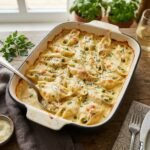
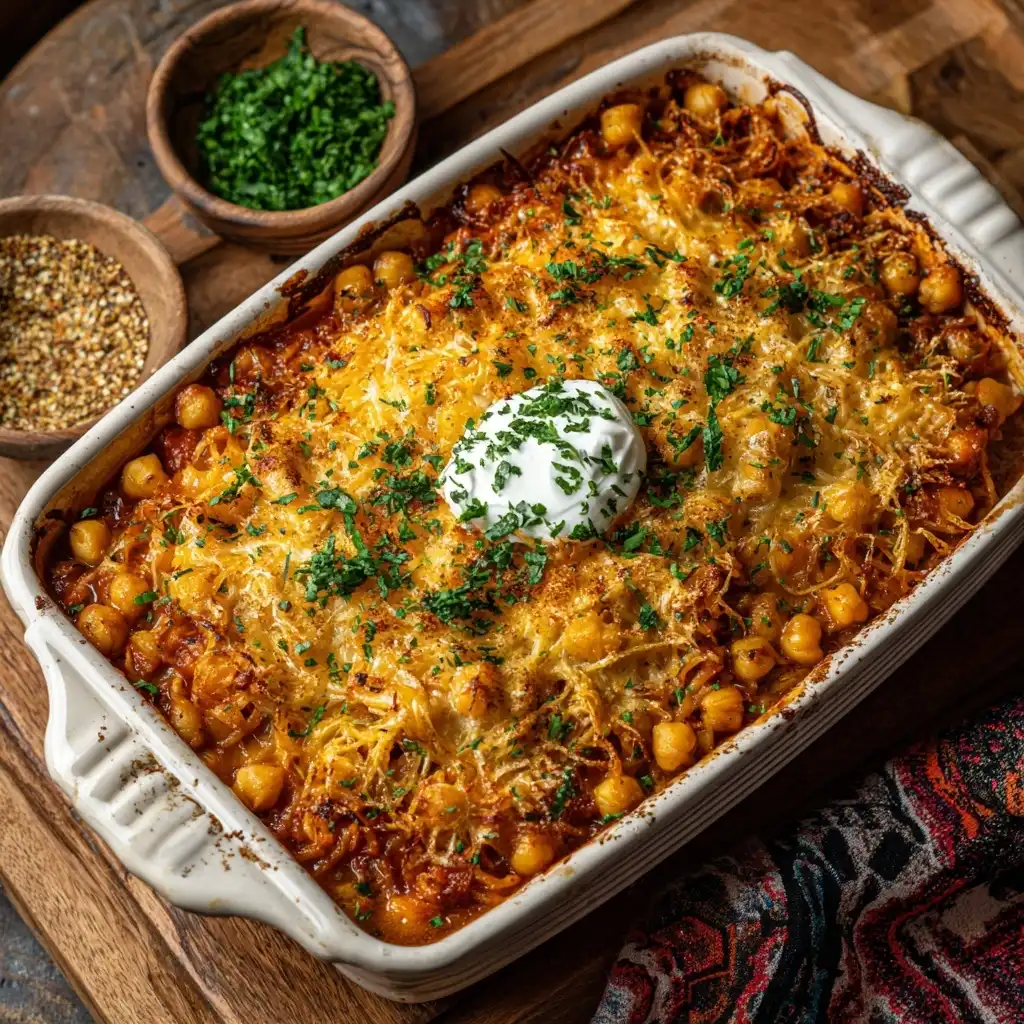
The Middle Eastern Chickpea Casserole is a soul-warming, nutrient-dense, and deeply flavorful baked dish that bridges tradition with modern culinary convenience. Rooted in the rich tapestry of Levantine, Egyptian, and Persian home cooking—where legumes have long served as pillars of sustenance, hospitality, and cultural identity—this casserole transforms humble dried or canned chickpeas into a hearty, aromatic centerpiece perfect for family dinners, holiday gatherings, or meal-prep success. Unlike Western-style casseroles laden with cream-based sauces or processed cheeses, this version honors regional authenticity through slow-simmered spices, olive oil–braised vegetables, toasted nuts, and fresh herb finishes—offering layers of texture, umami depth, and subtle sweetness. Whether you’re exploring plant-forward Mediterranean diets, seeking gluten-free comfort food, or simply craving something both grounding and vibrant, this casserole delivers complexity without compromise—and does so in under 90 minutes (with minimal active time).
The History
Chickpeas—known as ḥummuṣ in Arabic, nokhod in Persian, and ḥimmaṣ in Hebrew—have been cultivated across the Fertile Crescent for over 10,000 years, with archaeological evidence from Neolithic sites in present-day Turkey, Jordan, and Syria confirming their ancient domestication. In classical Arab cookbooks such as the 10th-century Kitāb al-Ṭabīkh (The Book of Dishes) by Ibn Sayyār al-Warrāq, chickpeas appear repeatedly: stewed with lamb and saffron in Baghdad, roasted with cumin and nigella seeds in Damascus, or simmered with tamarind and date molasses in Basra. While the concept of a “casserole” as a layered, oven-baked ensemble is a more recent adaptation—popularized globally in the mid-20th century—the structural logic echoes traditional Middle Eastern maqluba (upside-down rice dishes), kibbeh bil-saniyeh (baked bulgur-chickpea patties), and Egyptian mulukhiyah bi-l-hummus (jute leaf stew enriched with chickpeas). This modern casserole emerged organically from diasporic kitchens—particularly among Lebanese, Palestinian, and Syrian families in North America and Europe—who sought to preserve ancestral flavors while adapting to oven-centric appliances, vegetarian preferences, and time-conscious lifestyles. Its evolution reflects resilience: a dish that carries memory in every grain, yet remains gloriously adaptable to pantry constraints, seasonal produce, and dietary ethics.
Ingredients Breakdown
Every element in this casserole serves a distinct sensory and functional role—no ingredient is arbitrary. Below is an in-depth exploration of the core components, including regional significance, sourcing notes, and functional purpose:
- Chickpeas (Garbanzo Beans): Use 3 cups cooked (≈2 (15-oz) cans, drained/rinsed, or 1 cup dried soaked overnight + boiled until tender). Dried chickpeas offer superior texture and earthy depth; canned provide speed and consistency. In Lebanon, ḥummuṣ mafrouk (hand-mashed chickpeas) is prized for its rustic mouthfeel—so avoid over-blending if aiming for authenticity.
- Olive Oil (Extra Virgin, Cold-Pressed): ¼ cup + more for drizzling. Not merely fat—it’s the aromatic backbone. Look for peppery, grassy, or artichoke-forward oils from Tunisia, Palestine (Nablus or Jenin groves), or Lebanon (Chouf region). Heats gently to carry spice essences without burning.
- Aromatics: 1 large yellow onion (finely diced), 4 garlic cloves (minced), and 1-inch piece fresh ginger (grated). Onion provides sweetness and body; garlic adds pungent warmth; ginger lends bright, zesty lift—common in Levantine stews like yarraq al-3inab (stuffed grape leaves).
- Spice Trinity: 2 tsp ground cumin (toasted & cooled), 1½ tsp ground coriander, 1 tsp smoked paprika (not sweet or hot—opt for Spanish pimentón de la Vera dulce). Cumin evokes sun-baked earth; coriander offers citrusy balance; smoked paprika nods to Ottoman-era trade routes where Iberian peppers entered Levantine pantries via maritime exchange.
- Warmth & Depth: ½ tsp ground cinnamon, ¼ tsp ground allspice, pinch of ground cloves. These “sweet spices” are used sparingly but intentionally—as in Iraqi timman bil-dijaj (chicken with rice) or Palestinian mujaddara—to round sharpness and enhance umami without sweetness.
- Tomato Component: 1 cup crushed San Marzano tomatoes (preferably jarred in tomato juice, not puree) + 2 tbsp tomato paste (sautéed until brick-red). Provides acidity, body, and natural glutamates—crucial for savory cohesion. Avoid ketchup or passata with added sugar or vinegar.
- Liquid Base: 1½ cups low-sodium vegetable broth (homemade preferred: simmer onion skins, carrot ends, parsley stems, and dried mint for 45 min). Adds mineral richness and prevents drying during baking. For extra luxury, substitute ¼ cup pomegranate molasses–infused broth.
- Vegetables: 1 medium zucchini (diced), 1 red bell pepper (diced), 1 cup chopped spinach or Swiss chard (stems removed). Zucchini brings delicate moisture; bell pepper adds crunch and sweetness; greens contribute iron, color, and vegetal bitterness—echoing fattoush’s balance philosophy.
- Grains & Binders: ¾ cup fine bulgur wheat (soaked 15 min in warm water, then drained) OR ½ cup cooked short-grain brown rice. Bulgur is traditional—chewy, nutty, and high in fiber; rice offers creamier binding. Both absorb sauce while lending structural integrity.
- Fresh Herbs: ⅓ cup finely chopped flat-leaf parsley + 2 tbsp fresh dill or mint (added at end). Parsley is non-negotiable—it’s the “green breath” of Levantine cuisine. Mint appears in Jordanian mloukhiyeh; dill in Iranian ash-e-reshteh. Never substitute dried unless absolutely necessary.
- Nuts & Garnishes: ⅓ cup toasted pine nuts or slivered almonds + 2 tbsp pomegranate arils + lemon wedges. Pine nuts (ba7r al-joz) were traded along Silk Road routes; pomegranate symbolizes abundance in Persian mythology; lemon restores brightness lost during baking.
- Salt & Acid: 1½ tsp flaky sea salt (Maldon or Himalayan pink), freshly ground black pepper, and juice of 1 large lemon (≈3 tbsp). Salt enhances all other flavors; lemon acid cuts richness and activates aroma compounds.
Step-by-Step Recipe
- Prep & Soak (15 min, hands-on): If using dried chickpeas, soak overnight in 3x water with ½ tsp baking soda (softens skins, improves digestibility). Drain, rinse, then simmer in fresh water with 1 bay leaf and ½ tsp cumin seeds until tender but intact (45–60 min). Drain, reserving ½ cup cooking liquid. If using canned, rinse thoroughly under cold water to remove excess sodium and canning liquid.
- Toasting Spices (3 min): In a dry heavy-bottomed skillet over medium-low heat, toast whole cumin and coriander seeds until fragrant (≈90 sec). Cool 2 min, then grind with mortar & pestle or spice grinder. Add smoked paprika, cinnamon, allspice, and cloves; stir to combine. Set aside.
- Sauté Aromatics (8 min): Heat 2 tbsp olive oil in a large Dutch oven or oven-safe skillet over medium heat. Add onions; cook until translucent and beginning to soften (5 min). Stir in garlic and ginger; cook 1 min until aromatic—but do not brown. Reduce heat if needed.
- Bloom Spices (2 min): Add the freshly ground spice blend. Stir constantly to coat onions and prevent scorching. Cook until oil glistens and spices perfume the kitchen (≈90 sec). This step unlocks volatile oils and deepens flavor exponentially.
- Build Tomato Base (5 min): Push aromatics to edges. Add tomato paste to center; cook undisturbed 1 min until darkened and caramelized. Stir into onions. Add crushed tomatoes; simmer 3–4 min until thickened slightly and raw edge disappears.
- Incorporate Vegetables (6 min): Stir in zucchini and red bell pepper. Cook until peppers soften slightly and zucchini releases minimal moisture (4–5 min). Add spinach/chard in batches, wilting completely before adding more.
- Combine & Simmer (10 min): Gently fold in cooked chickpeas, soaked/drained bulgur (or rice), reserved chickpea liquid (or broth), and remaining 1 cup broth. Season with salt and pepper. Bring to gentle simmer. Reduce heat to low, cover, and cook 10 min—allowing bulgur to fully hydrate and flavors to meld. Stir twice to prevent sticking.
- Transfer & Bake (35–40 min): Preheat oven to 375°F (190°C). Transfer mixture to a lightly oiled 9×13-inch ceramic or enameled cast-iron baking dish. Smooth top. Drizzle with remaining 2 tbsp olive oil. Bake uncovered until surface is set, edges bubble gently, and top develops a faint golden crust (35 min). Rotate dish halfway through for even baking.
- Rest & Finish (15 min): Remove from oven. Let rest 10 min—critical for absorption and sliceable texture. Sprinkle generously with parsley, dill/mint, toasted nuts, and pomegranate arils. Squeeze fresh lemon juice over top just before serving. Rest 5 more minutes to let acids integrate.
Tips
- Texture Mastery: For ideal bite—not mushy, not grainy—avoid overcooking chickpeas pre-bake. They should yield to gentle pressure with slight resistance. Undercook bulgur slightly before adding; it finishes absorbing liquid in the oven.
- Oven Variance Matters: Convection ovens reduce bake time by 5–7 minutes. If your oven runs hot, tent loosely with foil after 25 minutes to prevent over-browning.
- Make-Ahead Magic: Assemble up to Step 7 (simmered mixture), cool completely, refrigerate covered for up to 3 days. Bring to room temp before baking—or add 5–8 extra minutes to bake time straight from fridge.
- Freezing Friendly: Cool fully, portion into freezer-safe containers (leave ½-inch headspace), freeze up to 3 months. Thaw overnight in fridge, then reheat covered at 350°F (175°C) for 25–30 min. Refresh garnishes after reheating.
- Acid Timing is Everything: Lemon juice and pomegranate arils must be added post-bake. Heat destroys volatile citrus esters and causes arils to bleed and soften—robbing brightness and visual appeal.
- Herb Hack: Reserve 1 tbsp parsley to stir in *before* baking—this infuses deeper green notes—then finish with remaining ⅓ cup fresh for maximum vibrancy.
- Low-Sodium Swaps: Replace broth with unsalted tomato juice + 1 tsp nutritional yeast for savory depth without sodium overload.
- Crisp-Topping Trick: For extra textural contrast, mix 2 tbsp breadcrumbs with 1 tsp za’atar and 1 tbsp olive oil. Sprinkle over casserole in last 8 minutes of baking.
Variations and Customizations
This casserole is inherently modular—designed to honor regional diversity and personal preference. Below are thoughtfully curated adaptations, each grounded in authentic precedent:
- Lebanese-Inspired “Hummus Bil-Lahm”: Add ½ lb lean ground lamb or beef, browned with 1 tsp allspice and ½ tsp cinnamon before sautéing onions. Finish with a swirl of labneh and mint oil.
- Egyptian “Mashawiya Style”: Omit bulgur; add ½ cup cooked fava beans and 1 tbsp ground fenugreek (helba). Top with crumbled akkawi cheese and roasted garlic cloves.
- Persian “Adas Polo Hybrid”: Substitute bulgur with ½ cup rinsed basmati rice + ¼ tsp saffron steeped in 2 tbsp warm milk. Layer with caramelized onions and barberries (zereshk) before baking.
- Vegan “Falafel Fusion”: Mix in ½ cup crumbled baked falafel (homemade or store-bought, unseasoned) before baking. Garnish with tahini drizzle and pickled turnips.
- Mezze Mini-Casseroles: Portion into 6–8 individual ramekins. Reduce bake time to 22–25 min. Serve with warm pita triangles and muhammara dip.
- Winter Root Variation: Replace zucchini with 1 cup diced roasted sweet potato and ½ cup grated raw parsnip. Add 1 tsp ground cardamom to spice blend.
- Green Herb Intensive: Triple parsley quantity and add 2 tbsp chopped chives, 1 tbsp tarragon, and 1 tsp lemon zest to final garnish. Ideal with grilled halloumi on the side.
- Gluten-Free Adaptation: Omit bulgur; use ¾ cup cooked quinoa or millet. Ensure all broth and tomato products are certified GF. Toast seeds (pumpkin, sunflower) instead of pine nuts for crunch.
- Kid-Friendly “Rainbow Version”: Add ½ cup shredded carrots, ¼ cup corn kernels, and 2 tbsp finely diced cucumber (added after baking). Skip cloves/allspice; increase cumin/coriander by ¼ tsp each.
- Spice-Forward “Shatta Edition”: Stir in 1–2 tsp Yemeni zhug or Lebanese shatta (chili-tomato condiment) during Step 7. Garnish with pickled chilies and cilantro.
Health Considerations and Nutritional Value
Per generous 1¼-cup serving (approx. 320g), this casserole delivers exceptional macro- and micronutrient density rooted in evidence-based Mediterranean dietary patterns:
- Plant-Based Protein Powerhouse: ≈14g protein (chickpeas + bulgur + nuts), complete with all 9 essential amino acids when combined with grains—a rare feat among legume-only dishes. Supports muscle maintenance, satiety, and blood sugar regulation.
- Fiber-Rich Digestive Harmony: ≈16g total fiber (soluble + insoluble)—nearly 60% of daily needs. Chickpeas contain raffinose-family oligosaccharides fermented by gut microbiota into butyrate, a short-chain fatty acid shown to reduce colon inflammation and improve insulin sensitivity (per American Journal of Clinical Nutrition, 2021).
- Heart-Healthy Fats: Monounsaturated fats from EVOO lower LDL cholesterol and improve endothelial function. Pine nuts provide arginine—an amino acid precursor to nitric oxide, which promotes vasodilation.
- Antioxidant Symphony: Lycopene (tomatoes), lutein (spinach), anthocyanins (pomegranate), curcuminoids (turmeric—optional addition), and polyphenols (olive oil, parsley) collectively combat oxidative stress linked to chronic disease. A 2023 British Journal of Nutrition meta-analysis associated high intake of such synergistic phytonutrients with 22% lower cardiovascular mortality.
- Mineral Density: Rich in non-heme iron (enhanced by vitamin C from lemon/tomatoes), magnesium (chickpeas, spinach), zinc (pumpkin seeds), and potassium (zucchini, tomatoes)—all critical for nerve conduction, electrolyte balance, and bone metabolism.
- Glycemic Responsiveness: Low glycemic load (GL ≈ 8) due to high fiber, healthy fats, and acidic components (lemon, tomatoes) that slow gastric emptying—making it ideal for prediabetic or type 2 diabetic individuals.
- Digestive Notes: Soaking and thorough rinsing reduces oligosaccharides that cause bloating. Adding ½ tsp ground fennel or caraway seeds during sautéing further aids digestion—common in Egyptian ful medames.
- Allergen Awareness: Naturally nut-free (if omitting pine nuts); gluten-free adaptable; soy-free; dairy-free; vegan. Always verify broth and tomato product labels for hidden allergens.
Note: Nutritional values are estimates based on USDA FoodData Central and may vary with ingredient brands and preparation methods. For therapeutic dietary applications (e.g., renal disease, IBS), consult a registered dietitian.
Ingredients
- 3 cups cooked chickpeas (from 1 cup dried or 2 (15-oz) cans, drained and rinsed)
- ¼ cup extra-virgin olive oil, plus more for drizzling
- 1 large yellow onion, finely diced
- 4 garlic cloves, minced
- 1-inch piece fresh ginger, peeled and grated
- 2 tsp ground cumin (toasted and cooled)
- 1½ tsp ground coriander (toasted and cooled)
- 1 tsp smoked paprika (sweet, not hot)
- ½ tsp ground cinnamon
- ¼ tsp ground allspice
- Pinch of ground cloves
- 1 cup crushed San Marzano tomatoes (in juice, no added sugar)
- 2 tbsp tomato paste
- 1½ cups low-sodium vegetable broth (or reserved chickpea cooking liquid)
- 1 medium zucchini, diced (½-inch cubes)
- 1 red bell pepper, diced
- 1 cup fresh spinach or Swiss chard, chopped (stems removed)
- ¾ cup fine bulgur wheat, soaked 15 min in warm water and drained (OR ½ cup cooked short-grain brown rice)
- 1½ tsp flaky sea salt, plus more to taste
- Freshly ground black pepper
- ⅓ cup finely chopped flat-leaf parsley, divided
- 2 tbsp fresh dill or mint, chopped
- ⅓ cup pine nuts or slivered almonds, toasted
- 2 tbsp pomegranate arils
- 1 large lemon, juiced (≈3 tbsp)
Directions
- Preheat oven to 375°F (190°C). Lightly oil a 9×13-inch oven-safe baking dish.
- If using dried chickpeas: Soak 1 cup overnight in 3 cups water with ½ tsp baking soda. Drain, rinse, then simmer in fresh water with 1 bay leaf and ½ tsp cumin seeds until tender but intact (45–60 min). Drain, reserving ½ cup liquid. If using canned, rinse thoroughly.
- In a dry skillet over medium-low heat, toast cumin and coriander seeds until fragrant (≈90 sec). Cool 2 min, then grind. Stir in smoked paprika, cinnamon, allspice, and cloves; set aside.
- Heat 2 tbsp olive oil in a large Dutch oven over medium heat. Add onion; cook until translucent (5 min). Stir in garlic and ginger; cook 1 min until aromatic.
- Add spice blend; stir constantly 90 sec to bloom.
- Push mixture to edges. Add tomato paste to center; cook 1 min until darkened. Stir into onions. Add crushed tomatoes; simmer 3–4 min until thickened.
- Stir in zucchini and red bell pepper; cook 4–5 min until softened. Add spinach/chard in batches, wilting completely.
- Gently fold in chickpeas, soaked bulgur (or rice), reserved chickpea liquid (or broth), and remaining 1 cup broth. Season with salt and pepper. Bring to gentle simmer.
- Reduce heat to low, cover, and cook 10 min, stirring twice.
- Transfer mixture to prepared baking dish. Smooth top. Drizzle with remaining 2 tbsp olive oil.
- Bake uncovered 35–40 min, rotating dish halfway, until set and edges bubble.
- Remove from oven. Rest 10 min. Sprinkle with ⅓ cup parsley, dill/mint, toasted nuts, and pomegranate arils. Squeeze lemon juice over top.
- Rest 5 more minutes. Serve warm.
FAQ
- Can I make this entirely from dried chickpeas?
- Absolutely—and highly recommended for superior flavor and texture. Soak 1 cup dried chickpeas overnight (or use quick-soak method: boil 2 min, cover, rest 1 hour). Simmer until tender but not mushy (45–60 min). Reserve cooking liquid for broth substitution. Total prep time increases by ≈2 hours, but depth of flavor multiplies.
- Why is bulgur used instead of rice or quinoa?
- Bulgur is traditional across the Levant for its nutty flavor, chewy-yet-tender bite, and rapid hydration. It contains more fiber and B-vitamins than white rice and cooks faster than quinoa. However, rice yields a creamier, more cohesive casserole; quinoa adds a pleasant pop and is ideal for GF needs. Choose based on texture preference and dietary goals.
- My casserole turned out dry—what went wrong?
- Most commonly: insufficient liquid, over-baking, or using bulgur that wasn’t properly soaked/drained. Always measure broth precisely; check doneness at 35 minutes (not 40); and ensure bulgur is moist but not waterlogged before folding in. If dry post-bake, stir in 2–3 tbsp warm broth or lemon-infused olive oil and return to oven for 5 minutes covered.
- Can I prepare this in a slow cooker?
- Yes—with modification. Sauté aromatics, spices, and tomato base on stove first (Steps 3–6). Transfer to slow cooker with chickpeas, vegetables, bulgur, and broth. Cook on LOW 4–5 hours (NOT HIGH—bulgur becomes gluey). Stir gently, then broil 3–5 min to set top. Finish with fresh herbs and lemon.
- Is there a way to boost umami without adding meat or cheese?
- Yes! Add 1 tbsp soy sauce or tamari (for GF), 1 tsp miso paste (whisked into broth), or 2 dried shiitake mushrooms (soaked, minced, liquid reserved). Anchovy paste (½ tsp) is traditional in some coastal Levantine recipes—but optional for vegans.
- How do I store leftovers, and how long do they last?
- Cool completely. Store in airtight container in refrigerator up to 5 days. Reheat gently in oven (325°F, covered, 20 min) or microwave (with splash of water, covered). Freeze up to 3 months—thaw overnight in fridge before reheating.
- What’s the best side to serve with this casserole?
- Keep it authentically balanced: warm whole-wheat pita or lavash, a crisp fattoush salad with sumac, chilled Lebanese cucumber-yogurt dip (kishik or laban), and a small bowl of marinated olives. For lighter meals, serve over mixed greens with lemon-tahini dressing.
- Can I double this recipe for a crowd?
- Yes—scale all ingredients 2x and bake in two 9×13-inch dishes. Do not stack pans in oven. Increase bake time by only 3–5 minutes, as surface area remains proportional. Rotate both dishes halfway.
- Are canned chickpeas nutritionally comparable to dried?
- Very nearly—though dried retain slightly more B-vitamins and fiber due to absence of canning heat. Rinsing canned chickpeas removes ~40% of sodium and reduces oligosaccharides. For optimal nutrition, choose low-sodium or no-salt-added canned varieties.
- What makes this “Middle Eastern” versus generic vegetarian casserole?
- It’s defined by intentional regional techniques: spice layering (toasting whole seeds), acid balance (lemon/pomegranate), herb-forward finishing (parsley as main