Introduction
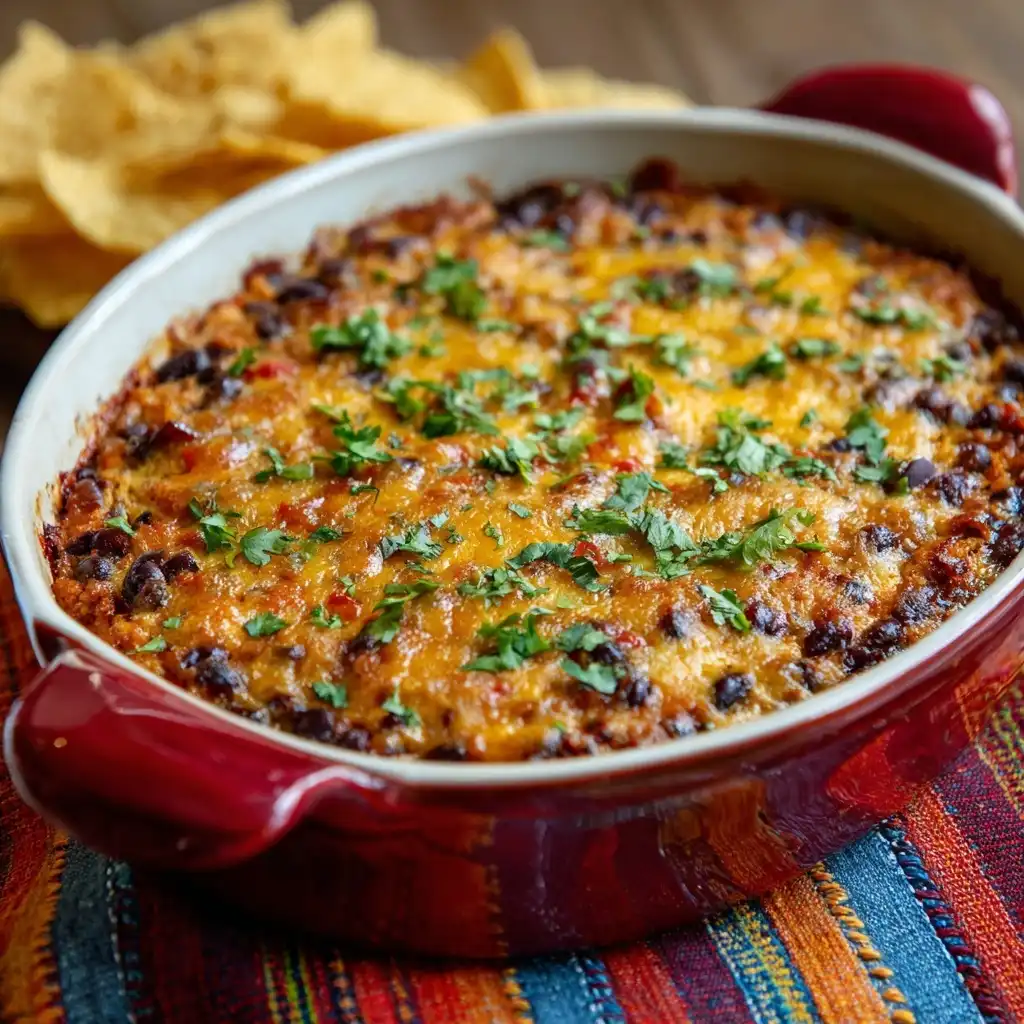
Welcome to the vibrant, bold, and deeply satisfying world of Southwest Black Bean Casserole — a hearty, plant-powered dish that embodies the sun-drenched flavors of the American Southwest. This casserole is more than just comfort food; it’s a celebration of cultural fusion, pantry staples, and smart, soul-nourishing cooking. Whether you’re feeding a hungry family after soccer practice, hosting friends for a casual get-together, or meal prepping for busy weekdays, this dish delivers robust flavor, rich texture, and wholesome nutrition in every bite. Its smoky-sweet-spicy profile — layered with earthy black beans, roasted corn, creamy cheese, zesty lime, and warm spices — makes it universally appealing: beloved by vegetarians and omnivores alike, adored by kids (especially when topped with crunchy tortilla chips!) and praised by health-conscious cooks for its fiber-rich, protein-packed foundation. Think of it as Tex-Mex meets Midwest casserole tradition — reimagined with integrity, authenticity, and zero compromise on taste.
The History
The origins of Southwest Black Bean Casserole are not tied to a single inventor or century-old recipe but rather emerge from the dynamic culinary evolution of the Southwestern United States — particularly Arizona, New Mexico, Texas, and Southern California — where Indigenous, Mexican, Spanish, and Anglo-American foodways have intertwined for over 400 years. Black beans themselves have been cultivated in Mesoamerica for over 7,000 years and were integral to pre-Columbian diets long before European contact. When Spanish colonizers introduced dairy, wheat, and livestock in the 16th century, new textures and techniques began to merge with native ingredients like chiles, tomatoes, squash, and beans. The “casserole” format — baked, layered, and served family-style — gained mainstream popularity in mid-20th-century America thanks to innovations like Pyrex bakeware, canned goods, and postwar home economics movements that championed convenient, economical, and crowd-pleasing dishes. By the 1980s and ’90s, as interest in vegetarianism, Southwestern cuisine, and “fusion” cooking surged, home cooks and chefs began adapting traditional refritos, salsas, and enchilada bakes into oven-friendly casseroles — often swapping lard for oil, adding roasted vegetables, and incorporating fresh herbs and citrus to brighten heavier preparations. Today’s Southwest Black Bean Casserole reflects this layered heritage: honoring ancestral legume wisdom while embracing modern values of accessibility, dietary inclusivity, and vibrant, vegetable-forward eating.
Ingredients Breakdown
Every ingredient in this casserole serves a distinct sensory and functional purpose — no filler, no afterthought. Let’s explore them in detail:
- Black Beans (3 cans, 15 oz each, low-sodium): The nutritional and textural backbone. Rich in soluble fiber (supports heart health and gut microbiota), plant-based protein (about 15g per cup), folate, iron, magnesium, and antioxidants like anthocyanins (responsible for their deep purple-black hue). Opt for BPA-free cans or cook dried beans from scratch for maximum control over sodium and texture.
- Fire-Roasted Diced Tomatoes (1 can, 14.5 oz): Adds acidity, sweetness, and subtle char — essential for balancing richness. Fire-roasting deepens umami and imparts a gentle smokiness without needing liquid smoke or chipotle powder.
- Frozen Corn Kernels (1.5 cups, thawed): Provides natural sweetness, juicy pop, and golden color contrast. Non-GMO organic corn is preferred; if using fresh off-the-cob in summer, blanch for 2 minutes to preserve crunch and sweetness.
- Yellow Onion (1 medium, finely diced): Builds aromatic depth. Sautéing until translucent (not browned) preserves its sweet, mellow base note without bitterness.
- Garlic (4 cloves, minced): Adds pungent warmth and antimicrobial compounds like allicin. Added late in sautéing to prevent burning and retain volatile flavor oils.
- Ground Cumin (2 tsp): Earthy, nutty, and slightly bitter — the quintessential Southwest spice. Toasting whole cumin seeds before grinding unlocks complex volatile oils; pre-ground works well when fresh and stored airtight.
- Smoked Paprika (1.5 tsp): Not just color — this is *the* secret for authentic smokiness. Choose “smoked” (not “sweet” or “hot”) paprika made from slow-smoked Pimentón de la Vera (Spain) for unparalleled depth. Avoid imitation “liquid smoke” versions.
- Chili Powder (1.5 tsp, blend-based): A custom or trusted brand blend (typically including ancho, cayenne, oregano, garlic, cumin). Provides balanced heat, fruitiness, and herbal nuance. Adjust up or down depending on your household’s spice tolerance.
- Dried Oregano (1 tsp, Mexican variety preferred): More citrusy and less musty than Mediterranean oregano — complements beans and tomatoes with bright, floral notes.
- Unsweetened Almond Milk (¾ cup) or Cashew Cream (for richer vegan version): Adds creaminess and moisture without dairy heaviness. Unsweetened and unflavored is critical — avoid vanilla or “original” varieties with added sugars.
- Fresh Lime Juice (3 tbsp, plus zest of 1 lime): Brightens the entire dish, cuts through richness, enhances perception of salt and spice, and boosts vitamin C absorption from iron-rich beans. Never skip the zest — it contains concentrated citrus oils.
- Sharp Cheddar Cheese (1.5 cups shredded, block-grated): Offers tang, meltability, and golden-brown crust potential. Use aged white cheddar for deeper flavor or pepper jack for extra kick. Pre-shredded cheeses contain anti-caking starches that hinder melting — always grate fresh.
- Monterey Jack Cheese (1 cup shredded): Milder, creamier, and superior meltability — creates a velvety, cohesive binding layer between beans and topping.
- Large Flour Tortillas (4–6, cut into 1-inch strips or crumbled): Adds structural contrast and nostalgic Southwestern texture. Use whole wheat or sprouted grain for extra fiber and nuttiness. Lightly toasted or air-fried before layering adds crunch and prevents sogginess.
- Avocado Oil or Avocado Oil Spray (for baking dish): High smoke point (520°F), neutral flavor, and heart-healthy monounsaturated fats make it ideal for both sautéing and greasing.
- Optional Garnishes: Sliced radishes (peppery crunch), pickled red onions (bright acidity), crumbled cotija (salty funk), fresh cilantro (herbal lift), microgreens, avocado slices, or a drizzle of chipotle crema.
Step-by-Step Recipe
- Preheat & Prep: Position oven rack in center position. Preheat oven to 375°F (190°C). Lightly grease a 9×13-inch ceramic or glass baking dish with avocado oil or spray. Gather all ingredients and equipment — mise en place is essential for seamless assembly.
- Sauté Aromatics: In a large nonstick skillet or Dutch oven over medium heat, warm 1 tbsp avocado oil. Add diced onion and sauté for 4–5 minutes until soft and translucent. Stir in minced garlic and cook 60 seconds until fragrant — do not brown. Reduce heat if needed.
- Bloom Spices: Push aromatics to one side. Add cumin, smoked paprika, chili powder, and dried oregano to the cleared space. Toast 45–60 seconds, stirring constantly, until spices are aromatic and deepen in color. Immediately combine with onions and garlic to prevent scorching.
- Build Base Layer: Stir in fire-roasted tomatoes (with juices), thawed corn, and drained/rinsed black beans. Gently fold to combine — avoid mashing beans. Simmer uncovered for 5–7 minutes, stirring occasionally, allowing excess liquid to reduce slightly and flavors to meld. Remove from heat.
- Season Thoughtfully: Stir in lime juice, lime zest, 1 tsp kosher salt (adjust to taste), and freshly ground black pepper (½ tsp). Taste and adjust: needs more acid? Add ½ tsp lime. Too mild? A pinch of cayenne. Too thick? Splash of almond milk. Let cool 5 minutes — crucial for cheese integration.
- Incorporate Cheeses: Fold in shredded Monterey Jack and 1 cup of sharp cheddar, reserving ½ cup cheddar for topping. Mix gently but thoroughly until evenly distributed and slightly creamy.
- Layer Tortillas: Spread half the bean mixture into the prepared baking dish. Arrange half the tortilla strips evenly over the surface in a single overlapping layer. Top with remaining bean mixture, then the rest of the tortilla strips. Press down lightly with spatula to nest layers.
- Add Final Cheese Topping: Sprinkle reserved ½ cup sharp cheddar evenly across the top. For extra indulgence, dot with 1 tbsp cold butter (optional, for richer browning).
- Bake with Precision: Place dish on center oven rack. Bake uncovered for 25–30 minutes, until edges bubble vigorously, top is golden, and internal temperature reaches 165°F (74°C) when checked with an instant-read thermometer at the center.
- Rest & Set: Remove from oven and let rest for 12–15 minutes before serving. This allows starches to settle, cheese to firm slightly, and flavors to harmonize — critical for clean, sliceable portions and optimal texture.
- Garnish & Serve: Just before serving, scatter with garnishes: cilantro, radish slices, pickled onions, avocado, and a final squeeze of lime. Serve warm with lime wedges and extra tortilla chips on the side.
Tips
- Bean Texture Matters: Over-mashing beans leads to gluey texture. Use a potato masher *very lightly* on just ¼ of the beans before mixing — this creates creaminess while preserving whole-bean integrity.
- Spice Freshness Check: Ground spices lose potency after 6 months. Smell yours — if aroma is faint or dusty, replace. Store in dark, cool cabinets (never above stove) in airtight tins.
- Cheese Grating Hack: Refrigerate block cheese for 30 minutes before grating — firmer texture yields finer, more even shreds that melt uniformly.
- Make-Ahead Magic: Assemble completely (through step 9) up to 24 hours ahead. Cover tightly and refrigerate. Add 5–7 minutes to bake time if going straight from fridge to oven.
- Freezer-Friendly Formula: Cool fully, wrap dish tightly in double layers of plastic + foil, freeze up to 3 months. Thaw overnight in fridge, then bake as directed (add 10 mins if still chilled).
- No-Soggy Tortillas: Lightly toast tortilla strips in a dry skillet or air fryer (350°F for 3–4 mins) before layering — removes surface moisture and enhances crisp-hold.
- Acid Timing: Always add lime juice *after* cooking — heat destroys volatile citrus compounds. Reserve 1 tsp to stir in right before baking for peak brightness.
- Oven Thermometer Essential: Many ovens run hot or cold. Use an inexpensive oven thermometer to verify accurate temperature — critical for proper cheese browning and bean setting.
- Resting Is Non-Negotiable: Cutting too soon releases steam and causes separation. Set timer — 15 minutes transforms texture from sloppy to sublime.
- Leftover Reinvention: Cold leftovers make incredible breakfast hash (sauté with eggs and peppers), taco filling, or blended into black bean soup with extra broth and chipotle.
Variations and Customizations
This casserole is a canvas — adaptable to seasons, pantries, dietary needs, and personal cravings. Here are 12 thoughtfully developed variations:
- Vegan Southwest Casserole: Swap cheeses for 1 cup raw cashew cream (soaked cashews + ½ cup water + 1 tsp nutritional yeast + ¼ tsp turmeric), ½ cup mashed silken tofu, and ¼ cup nutritional yeast. Top with crushed baked tortilla chips and pepitas instead of cheese.
- Gluten-Free Version: Use certified GF corn tortillas (cut into strips and toasted), GF tamari instead of soy sauce (if using), and verify chili powder is GF-certified (some blends contain wheat fillers).
- Protein-Packed “Power” Edition: Stir in 1 cup cooked quinoa or ½ cup rinsed TVP (textured vegetable protein) rehydrated in veg broth. Or add 1 cup crumbled tempeh bacon sautéed with maple and chipotle.
- Smoky Chipotle Twist: Add 1–2 minced chipotle peppers in adobo sauce + 1 tsp adobo sauce to the spice bloom. Reduce smoked paprika to 1 tsp to avoid overwhelming smoke.
- Roasted Vegetable Upgrade: Toss 1.5 cups diced sweet potato, zucchini, and red bell pepper in 1 tbsp avocado oil, salt, and cumin; roast at 425°F for 20 mins until tender-crisp. Fold in with beans.
- Green Chile & Hominy Style: Replace fire-roasted tomatoes with 1 can (4 oz) diced green chiles and 1 can (15 oz) white hominy (rinsed). Add ¼ cup chopped fresh epazote (traditional bean herb) if available.
- Breakfast Casserole Fusion: After baking, create wells in the surface and crack 6 eggs on top. Return to oven at 350°F for 12–15 mins until whites set. Top with salsa and crumbled queso fresco.
- Southwest “Lasagna” Layer: Alternate layers of bean mixture, thin corn tortillas (lightly fried or grilled), and cheese — like a deconstructed enchilada casserole. Finish with cheese and broil 2 mins for blistered edges.
- Herb-Forward Garden Version: Stir in ¼ cup chopped fresh oregano, 3 tbsp chopped epazote or marjoram, and 2 tbsp chopped mint along with lime juice for unexpected aromatic complexity.
- Low-Carb/Keto Adaptation: Replace tortillas with 2 cups riced cauliflower (sautéed until dry), top with sliced avocado and crumbled feta instead of cheddar, and increase healthy fats with 2 tbsp pumpkin seed oil drizzle before serving.
- Instant Pot Express Version: Sauté aromatics and spices in IP on Sauté mode. Add beans, tomatoes, corn, seasonings, and ¼ cup broth. Seal and cook on Manual/High Pressure for 8 minutes. Quick release, stir in cheeses and lime, then transfer to greased dish, top with tortillas/cheese, and broil 3–4 mins.
- Authentic Oaxacan-Inspired: Substitute black beans with heirloom Oaxacan black beans (if accessible), use asiento (Mexican pork lard) for sautéing, add 1 tbsp dried hoja santa leaf (crumbled), and finish with grated quesillo Oaxaca cheese.
Health Considerations and Nutritional Value
A single 1-cup serving (approx. 1/12th of the full recipe) delivers exceptional macro- and micronutrient density — making this casserole not just delicious, but clinically supportive for multiple aspects of wellness:
- Heart Health Champion: Black beans provide 15g fiber per cup (mostly soluble), shown in clinical trials to reduce LDL cholesterol by up to 10% when consumed daily. Combined with potassium-rich tomatoes and corn, and zero trans fats, this dish supports healthy blood pressure and vascular function.
- Gut Microbiome Nourishment: Resistant starch in cooled beans (even better if made 1 day ahead and gently reheated) feeds beneficial Bifidobacteria and Lactobacillus, improving digestion, immune modulation, and even mood regulation via the gut-brain axis.
- Plant-Based Protein Synergy: While beans alone are incomplete proteins, pairing with corn (rich in tryptophan) and cheese (complete protein) creates a high-biological-value protein profile — ideal for muscle maintenance, satiety, and blood sugar stabilization.
- Antioxidant Powerhouse: Lycopene in tomatoes (enhanced by cooking + fat), anthocyanins in black beans, vitamin C in lime, and capsaicin in chiles collectively combat oxidative stress linked to chronic inflammation, aging, and metabolic disease.
- Blood Sugar Balance: Low glycemic load (GL ≈ 8 per serving), high fiber, and healthy fats slow glucose absorption — making this suitable for prediabetes and type 2 diabetes management (consult RD for personalized carb counts).
- Nutrient Density Score: Per serving: ~320 kcal, 16g protein, 11g fiber (44% DV), 52g complex carbs, 12g fat (mostly unsaturated), 25% DV calcium, 20% DV iron (non-heme — enhance absorption with lime’s vitamin C), 45% DV folate, and significant magnesium, zinc, and B6.
- Dietary Accommodations: Naturally vegetarian and easily veganized; gluten-free adaptable; nut-free (with almond milk substitution); low-FODMAP option possible (use canned lentils instead of beans, omit onion/garlic, add garlic-infused oil).
- Considerations: Sodium content depends on canned goods — choose low-sodium beans/tomatoes and limit added salt. Those with IBS may prefer starting with smaller portions to assess tolerance. Individuals on blood thinners should monitor vitamin K intake (low here — safe).
Ingredients
- 3 (15 oz) cans low-sodium black beans, drained and rinsed well
- 1 (14.5 oz) can fire-roasted diced tomatoes, with juices
- 1.5 cups frozen corn kernels, thawed (or fresh, blanched)
- 1 medium yellow onion, finely diced (about 1 cup)
- 4 cloves garlic, minced
- 2 tsp ground cumin
- 1.5 tsp smoked paprika (Pimentón de la Vera recommended)
- 1.5 tsp chili powder (blend-based, not pure cayenne)
- 1 tsp dried Mexican oregano
- ¾ cup unsweetened plain almond milk (or cashew cream for vegan)
- 3 tbsp fresh lime juice (from ~1.5 limes)
- Zest of 1 lime
- 1.5 cups sharp cheddar cheese, freshly shredded (divided)
- 1 cup Monterey Jack cheese, freshly shredded
- 4–6 (6-inch) whole wheat or sprouted flour tortillas, cut into 1-inch strips
- 2 tbsp avocado oil (divided: 1 tbsp for sautéing, 1 tbsp for greasing)
- 1 tsp kosher salt (plus more to taste)
- ½ tsp freshly ground black pepper
Directions
- Preheat oven to 375°F (190°C). Lightly grease a 9×13-inch baking dish with 1 tbsp avocado oil.
- In a large skillet over medium heat, warm remaining 1 tbsp avocado oil. Add diced onion and sauté 4–5 minutes until soft and translucent. Stir in garlic and cook 1 minute until fragrant.
- Add cumin, smoked paprika, chili powder, and oregano. Toast 45–60 seconds, stirring constantly, until aromatic and deepened in color.
- Stir in fire-roasted tomatoes (with juices), corn, and black beans. Simmer uncovered 5–7 minutes, stirring occasionally, until slightly thickened.
- Remove from heat. Stir in lime juice, lime zest, salt, and black pepper. Let cool 5 minutes.
- Fold in Monterey Jack and 1 cup of the cheddar cheese until evenly distributed.
- Spread half the bean mixture into the prepared baking dish. Layer half the tortilla strips evenly over top. Top with remaining bean mixture, then remaining tortilla strips.
- Sprinkle reserved ½ cup cheddar evenly over top.
- Bake uncovered 25–30 minutes, until bubbling at edges and golden on top (internal temp 165°F).
- Let rest 12–15 minutes before serving. Garnish generously with fresh cilantro, radish slices, pickled red onions, avocado, and extra lime wedges.
FAQ
- Can I make this casserole ahead of time?
- Absolutely! Fully assemble (through step 8) up to 24 hours in advance. Cover tightly and refrigerate. When ready to bake, add 5–7 minutes to the total bake time. For longer storage, freeze unbaked casserole (well-wrapped) up to 3 months. Thaw overnight in fridge before baking.
- Why do you rinse canned beans?
- Rinsing removes excess sodium (up to 40% reduction), eliminates the starchy liquid that can cause digestive discomfort for some, and prevents unwanted gumminess in the final texture. It also improves flavor absorption.
- Can I use dried black beans instead of canned?
- Yes — and highly encouraged for superior flavor and texture! Soak 1.5 cups dried black beans overnight, then cook in unsalted water until tender (about 60–75 minutes). Drain and cool slightly before using. Yield: ~4.5 cups cooked beans.
- My casserole turned out dry — what went wrong?
- Most common causes: over-baking, skipping the almond milk/lime juice (which add moisture and acidity), using too many tortillas, or draining beans *too* thoroughly (a little residual liquid helps bind). Next time, add 2 tbsp extra almond milk and check doneness at 23 minutes.
- Is there a way to reduce the sodium significantly?
- Yes — use no-salt-added canned beans and tomatoes, omit added salt entirely, rely on lime, herbs, and spices for flavor, and choose low-sodium cheese (or reduce cheese by ¼ cup and boost umami with 1 tsp nutritional yeast).
- Can I cook this on the stovetop only?
- You can absolutely prepare it as a skillet bake: assemble in a large, oven-safe cast-iron or stainless skillet, top with cheese and tortillas, cover with lid, and simmer on low 15 minutes. Then uncover, sprinkle extra cheese, and broil 3–4 minutes until golden.
- What’s the best way to reheat leftovers?
- For best texture: cover with damp paper towel and microwave in 30-second intervals until warmed through. For restaurant-quality revival: reheat covered in a 325°F oven for 15–20 minutes, then uncover and broil 2 minutes for crispy top.
- Can I substitute kidney beans or pinto beans?
- Yes — though flavor and texture will shift. Kidney beans offer firmer bite and earthier taste; pintos are creamier and milder. Adjust spices slightly — pinto beans pair beautifully with extra cumin and a dash of cocoa powder for mole-like depth.
- How do I make it spicier?
- Gradually increase heat: add ½ tsp cayenne with spices, include 1 minced jalapeño (seeds removed) with onions, stir in 1 tsp chipotle purée, or serve with a fiery habanero-lime hot sauce on the side.
- Is this suitable for kids?
- Very much so — especially when built with mild spices and fun toppings like crushed tortilla chips, melted cheese, and creamy avocado. Many parents report success introducing black beans via this casserole due to its familiar, cheesy, comforting format.
Summary
Southwest Black Bean Casserole is a nutritionally dense, culturally resonant, and endlessly adaptable baked dish that transforms pantry staples into a vibrant, satisfying centerpiece — rich in fiber, plant protein, antioxidants, and bold, smoky-sweet-spicy flavor.
With make-ahead flexibility, freezer-friendly construction, and inclusive variations for vegan, gluten-free, low-carb, and allergy-conscious eaters, it’s not just a recipe — it’s a cornerstone of modern, mindful, joyful Southwest-inspired cooking.