Introduction
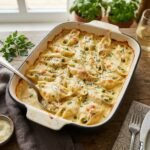
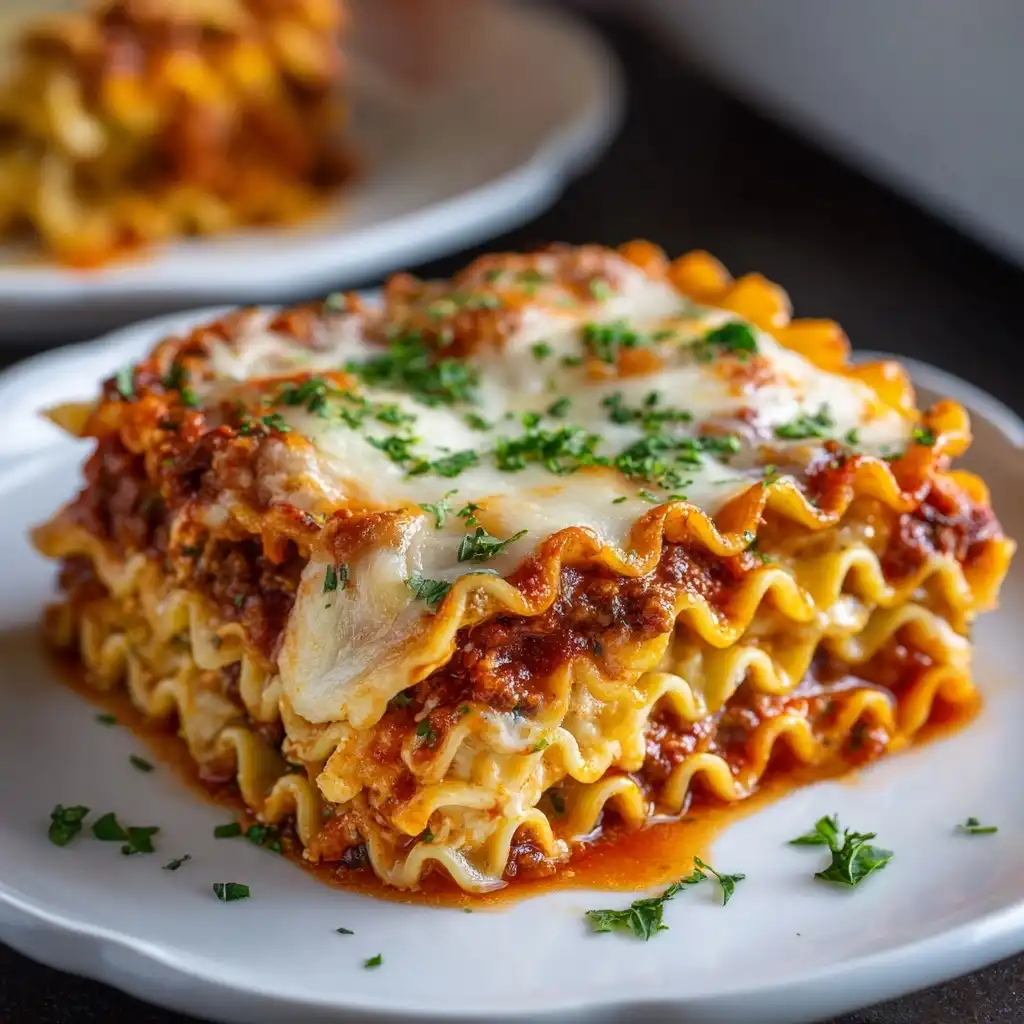
Vegetable Lasagna Casserole is a hearty, wholesome, and deeply satisfying twist on the classic Italian favorite—reimagined for modern home cooks who crave flavor, nutrition, and ease in equal measure. Unlike traditional lasagna that demands meticulous layering and precise noodle handling, this casserole version simplifies the process without sacrificing depth of taste or comforting texture. It’s a one-dish wonder that brings together roasted and sautéed seasonal vegetables, creamy ricotta and mozzarella cheeses, aromatic herbs, and tender oven-ready lasagna noodles—all baked to golden-bubbly perfection. Whether you’re feeding a family of four or prepping freezer-friendly meals for the week, Vegetable Lasagna Casserole delivers versatility, nourishment, and soul-warming appeal with minimal fuss and maximum reward.
The History
Lasagna’s roots stretch back over 700 years—to 13th-century Italy, where early versions appeared in the medieval cookbook Liber de Coquina, featuring sheets of dough layered with grated cheese and spices. Over centuries, lasagna evolved regionally: Emilia-Romagna claimed the iconic lasagne al forno with ragù, béchamel, and Parmigiano-Reggiano; Naples introduced rich meat sauces and fried eggplant variations; while Sicily wove in raisins, cinnamon, and ricotta for a sweet-savory contrast. The “casserole” adaptation emerged much later—in mid-20th-century America—as home cooks embraced convenience-driven cooking techniques. With the rise of oven-ready noodles (introduced by Barilla in 1996), simplified ricotta mixtures, and time-saving prep methods, lasagna transitioned from a Sunday project into a weeknight staple. Vegetable-forward versions gained momentum in the 1980s and ’90s alongside the natural foods movement, then surged again in the 2010s with plant-based eating trends, meal-prep culture, and increased demand for gluten-free, dairy-light, and high-fiber alternatives. Today’s Vegetable Lasagna Casserole honors this legacy—not as a shortcut, but as a thoughtful evolution: honoring tradition while embracing accessibility, dietary diversity, and seasonal abundance.
Ingredients Breakdown
Every ingredient in this Vegetable Lasagna Casserole plays a deliberate role—from building umami depth and textural contrast to enhancing moisture retention and nutritional synergy. Below is a detailed functional analysis:
- Oven-Ready Lasagna Noodles: Eliminate boiling and reduce water absorption variables. Their pre-gelatinized starch ensures even softening during baking while maintaining structural integrity—critical for casserole cohesion. Gluten-free options (brown rice or lentil-based) offer comparable performance when paired with adequate sauce hydration.
- Extra-Virgin Olive Oil: Used both for roasting and sautéing, it carries fat-soluble phytonutrients (e.g., oleocanthal, vitamin E) and prevents vegetable scorching. Its low smoke point makes it ideal for medium-heat applications—never for high-temp searing in this recipe.
- Zucchini & Yellow Squash: High-water-content summer squashes contribute subtle sweetness and tender-crisp bite. Salting and draining before roasting removes excess moisture, preventing a soggy casserole base and concentrating flavor.
- Eggplant: A Mediterranean staple rich in nasunin (a potent antioxidant in purple skin) and fiber. Roasting caramelizes natural sugars and transforms its spongy texture into velvety richness—eliminating bitterness without peeling required.
- Red Bell Pepper & Red Onion: Provide vibrant color, natural sweetness, and quercetin (anti-inflammatory flavonoid). Roasting deepens their complexity and reduces sharpness—essential for balanced layering.
- Fresh Spinach: Added raw at assembly, it wilts gently in residual heat, delivering iron, folate, and lutein without turning slimy. Baby spinach is preferred for tenderness and even distribution.
- Garlic & Fresh Herbs (Basil, Oregano, Thyme): Garlic imparts foundational savory depth; basil adds bright, peppery sweetness; oregano contributes earthy warmth; thyme lends subtle floral notes. Using fresh (not dried) herbs maximizes volatile oil release during baking.
- Ricotta Cheese: Whole-milk ricotta supplies creaminess, protein, and calcium. Draining excess whey (via cheesecloth or fine strainer) prevents pooling and ensures a cohesive, spoonable filling. Low-moisture ricotta works well but may require a splash of milk or lemon juice to restore pliability.
- Mozzarella (Low-Moisture, Shredded): Provides superior meltability and stretch due to casein structure and controlled moisture content (~45–50%). Part-skim offers lighter texture; whole-milk yields richer browning.
- Parmigiano-Reggiano: Aged minimum 24 months, it delivers salty, nutty umami and enzymatic complexity that amplifies other cheeses. Finely grated (not pre-shredded) ensures seamless integration and optimal browning.
- Marinara Sauce (Homemade or Premium Store-Bought): Must contain no added sugar or fillers. Ideal versions list tomatoes, olive oil, garlic, onion, and herbs only. Simmered 30+ minutes for concentrated flavor and reduced acidity. Canned San Marzano DOP tomatoes are highly recommended for authenticity.
- Spices & Seasonings (Crushed Red Pepper Flakes, Black Pepper, Sea Salt): Crushed red pepper adds gentle heat without overwhelming; freshly cracked black pepper enhances piperine bioavailability; flaky sea salt (e.g., Maldon) is added in layers—not just at the end—for dimensional seasoning.
Step-by-Step Recipe
- Preheat & Prep: Position rack in center of oven. Preheat to 375°F (190°C). Lightly grease a 9×13-inch ceramic or stainless steel baking dish (avoid dark nonstick for even browning). Line two large sheet pans with parchment paper.
- Roast Vegetables: In a large bowl, toss 2 medium zucchinis (½” dice), 2 medium yellow squash (½” dice), 1 medium eggplant (1″ cubes, unpeeled), 1 large red bell pepper (1″ dice), and 1 large red onion (¾” dice) with ¼ cup extra-virgin olive oil, 4 minced garlic cloves, 1 tsp crushed red pepper flakes, 1½ tsp sea salt, and 1 tsp freshly cracked black pepper. Spread evenly on sheet pans (do not overcrowd). Roast 30–35 minutes, rotating pans halfway, until edges are deeply caramelized and centers are fork-tender. Cool 10 minutes.
- Prepare Ricotta Mixture: In a medium bowl, combine 2 cups whole-milk ricotta (drained 15 min in cheesecloth), 1 large egg, ½ cup grated Parmigiano-Reggiano, ¼ cup chopped fresh basil, 2 tbsp chopped fresh oregano, 1 tbsp chopped fresh thyme, ½ tsp grated lemon zest, ½ tsp sea salt, and ¼ tsp white pepper. Whisk until smooth and airy—do not overmix.
- Layer Components: In prepared dish, spread 1 cup marinara sauce evenly across bottom (prevents sticking and steams noodles). Place 8 oven-ready lasagna noodles in single layer—slightly overlapping if needed (they’ll expand). Top with half the roasted vegetables, spreading evenly. Dollop ⅔ of ricotta mixture over vegetables; use an offset spatula to swirl gently—not fully smooth. Sprinkle with 1 cup shredded mozzarella and ¼ cup Parmigiano-Reggiano. Repeat layers: 1 cup sauce → 8 noodles → remaining vegetables → remaining ricotta → 1 cup mozzarella + ¼ cup Parmigiano. Finish with final 1 cup sauce, thinly drizzled to coat surface—then top with remaining ½ cup mozzarella and 2 tbsp Parmigiano.
- Bake Covered: Cover tightly with heavy-duty aluminum foil (tent slightly to prevent cheese from sticking). Bake 45 minutes.
- Bake Uncovered: Remove foil. Rotate dish. Continue baking 20–25 minutes until top is golden, edges bubble vigorously, and internal temperature reaches 165°F (74°C) when checked with instant-read thermometer inserted 2″ into center.
- Rest & Set: Remove from oven. Let stand uncovered 25–30 minutes—this allows starches to set, prevents sliding layers, and improves slice integrity. Do not skip resting; cutting too soon causes structural collapse.
- Garnish & Serve: Sprinkle generously with additional fresh basil ribbons, a drizzle of high-quality olive oil, and flaky sea salt. Serve warm with garlic-rubbed crostini or a crisp arugula salad dressed in lemon vinaigrette.
Tips
- Roasting Is Non-Negotiable: Sautéing alone won’t achieve the same depth or moisture control. Roasting concentrates sugars, develops Maillard reactions, and evaporates ~40% of vegetable water content—critical for casserole stability.
- Noodle Expansion Matters: Oven-ready noodles absorb ~2.5x their weight in liquid. Ensure every noodle is fully covered by sauce or ricotta mixture—exposed edges will dry out and harden.
- Drain Ricotta Like a Pro: Line a fine-mesh strainer with 2 layers of cheesecloth or coffee filters. Spoon ricotta in, refrigerate 15–30 minutes. Discard whey—don’t stir it back in.
- Layering Order = Structural Integrity: Always begin and end with sauce—not cheese or ricotta—to create steam barriers and buffer direct heat exposure to noodles.
- Avoid Over-Stirring Ricotta: Whisk just until combined. Overworking incorporates air unevenly and leads to graininess or separation during baking.
- Check Doneness Beyond Color: Visual cues can deceive. Insert thermometer into center: 165°F confirms safe consumption and optimal starch gelatinization.
- Cooling Is Part of Cooking: Resting isn’t passive—it’s active starch retrogradation. Cutting before 25 minutes guarantees soupy, separated layers.
- Reheat Without Ruining: To reheat leftovers, cover with damp paper towel and microwave in 45-second intervals. For oven reheating, add 1 tbsp water to dish, cover with foil, and bake at 325°F for 20–25 minutes.
- Freeze Smart: Assemble unbaked casserole (omit final cheese topping), wrap tightly in foil + plastic, freeze up to 3 months. Thaw overnight in fridge, add cheese, and bake as directed—adding 10 extra minutes covered.
- Texture Troubleshooting: If casserole seems watery post-bake, it’s likely under-roasted veggies or undrained ricotta. If dry, sauce was insufficient or noodles weren’t fully submerged.
Variations and Customizations
Plant-Based / Vegan Version
Replace ricotta with 2 cups blended silken tofu + 3 tbsp nutritional yeast + 2 tbsp lemon juice + 1 tsp white miso + ½ tsp Kala namak (black salt for eggy aroma). Swap mozzarella for cashew-based shreds (homemade or Miyoko’s) and Parmigiano for walnut-nutritional yeast “cheese.” Use oil-free roasting (steam-roast veggies with 2 tbsp veg broth) and tomato passata instead of oil-laden marinara.
Gluten-Free Adaptation
Substitute oven-ready brown rice or quinoa lasagna noodles (Barilla GF or Tinkyada). Increase sauce volume by ¼ cup to compensate for higher starch absorption. Add 1 tsp xanthan gum to ricotta mixture to enhance binding. Verify all cheeses are GF-certified (some mozzarellas use wheat starch).
Protein-Boosted (Pescatarian or Omnivore)
Add 1 cup cooked, flaked wild-caught salmon or lump crabmeat folded into ricotta mixture. Or layer 1½ cups cooked Italian turkey sausage (casings removed, crumbled and browned) between roasted veg and ricotta. For vegetarians seeking protein, fold in 1 cup cooked lentils or crumbled marinated tempeh.
Low-Carb / Keto-Friendly
Replace noodles entirely with 8 large blanched, pressed eggplant slices (½” thick, salted 15 min, patted dry). Reduce marinara to 2 cups total (choose sugar-free brand) and increase ricotta to 2½ cups. Add 2 tbsp almond flour to ricotta for binding. Top with extra mozzarella and broil 2 minutes for crisp finish.
Winter Root Vegetable Variation
Swap summer squash for 2 cups roasted diced sweet potato, 1 cup roasted parsnip, 1 cup roasted celery root, and ½ cup caramelized leeks. Increase oregano to 1 tbsp and add ½ tsp ground cinnamon to ricotta for warmth. Pair with sage-infused marinara.
Mediterranean Twist
Add ½ cup kalamata olives (pitted, halved), ⅓ cup crumbled feta, and 2 tbsp capers to ricotta mixture. Replace red pepper with roasted red peppers and add ¼ cup chopped sun-dried tomatoes (oil-packed, drained). Garnish with fresh oregano and lemon zest.
Spice-Forward / Global Fusion
Incorporate 1 tsp smoked paprika + ½ tsp cumin into roasted veg oil blend. Stir 2 tbsp harissa paste into marinara. Fold ¼ cup chopped cilantro and 1 finely minced jalapeño (seeds removed) into ricotta. Top with crumbled cotija instead of Parmigiano.
Health Considerations and Nutritional Value
This Vegetable Lasagna Casserole is engineered for holistic wellness—not just calorie counting, but phytonutrient density, digestive support, blood sugar balance, and anti-inflammatory action. Per standard serving (1/12 of recipe, approx. 1.5 cups):
- Calories: ~320–360 kcal (varies by cheese/noodle choice)
- Protein: 18–22g (complete profile from dairy + grain/noodle combo)
- Fiber: 8–10g (from 5+ vegetable types + whole-grain noodles if used)—meets 30–40% of daily needs, supporting satiety and microbiome diversity
- Vitamins & Minerals: Exceptionally high in Vitamin A (from red peppers, spinach, squash), Vitamin C (bell peppers, tomatoes), Folate (spinach, lentils if added), Potassium (eggplant, zucchini), and Calcium (ricotta, mozzarella, Parmigiano)
- Antioxidants: Nasunin (eggplant skin), lycopene (cooked tomatoes), lutein/zeaxanthin (spinach, squash), quercetin (onions, peppers), and polyphenols (olive oil, basil, oregano)
- Glycemic Impact: Low-to-moderate (GI ~50–55) due to high fiber, healthy fats, and acid from tomatoes—slows glucose absorption vs. plain pasta dishes
- Sodium Considerations: Naturally moderate (~480mg/serving) when using low-sodium marinara and limiting added salt—ideal for heart health and hypertension management
- Digestive Notes: Fermented cheeses (aged Parmigiano) provide natural probiotics; prebiotic fibers (onion, garlic, chicory root in some sauces) feed beneficial gut bacteria. For sensitive digestion, omit garlic or add ginger to ricotta.
- Allergen Awareness: Contains dairy (milk, whey, casein) and gluten (unless GF noodles used). Soy-free and nut-free by default—vegan version introduces soy or nuts depending on substitutes.
- Weight Management Support: High-volume, low-energy-density design promotes fullness with fewer calories. The 30-minute roast step enhances flavor without added fats—making portion control intuitive.
For those managing specific conditions: Diabetics benefit from the fiber-fat-protein trifecta stabilizing postprandial glucose. Hypertensive individuals appreciate the potassium:sodium ratio (>3:1). Those healing from inflammation (e.g., arthritis, IBS) gain from omega-9s (olive oil), polyphenols, and absence of refined sugar or processed additives.
Ingredients
- 2 medium zucchinis (about 12 oz), unpeeled, cut into ½-inch dice
- 2 medium yellow squash (about 12 oz), unpeeled, cut into ½-inch dice
- 1 medium globe eggplant (about 14 oz), unpeeled, cut into 1-inch cubes
- 1 large red bell pepper, seeded and cut into 1-inch dice
- 1 large red onion, peeled and cut into ¾-inch dice
- ¼ cup extra-virgin olive oil (plus more for drizzling)
- 4 large garlic cloves, minced
- 1 teaspoon crushed red pepper flakes
- 1½ teaspoons flaky sea salt (such as Maldon), plus more for finishing
- 1 teaspoon freshly cracked black pepper
- 2 (15-oz) containers whole-milk ricotta cheese (drained — see Tips)
- 1 large egg
- ¾ cup grated Parmigiano-Reggiano cheese (finely grated, not pre-shredded), divided
- ¼ cup fresh basil leaves, finely chopped (plus more for garnish)
- 2 tablespoons fresh oregano leaves, finely chopped
- 1 tablespoon fresh thyme leaves, finely chopped
- ½ teaspoon finely grated lemon zest
- ½ teaspoon white pepper
- 8 oven-ready (no-boil) lasagna noodles (regular or gluten-free)
- 3 cups high-quality marinara sauce (no added sugar; San Marzano-based preferred)
- 2 cups low-moisture part-skim mozzarella cheese, shredded (8 oz)
- Extra fresh basil, flaky sea salt, and high-quality olive oil for finishing
Directions
- Preheat oven to 375°F (190°C). Lightly grease a 9×13-inch baking dish. Line two large rimmed baking sheets with parchment paper.
- In a very large bowl, combine zucchini, yellow squash, eggplant, red bell pepper, and red onion. Add olive oil, minced garlic, crushed red pepper flakes, 1½ tsp sea salt, and 1 tsp black pepper. Toss thoroughly until vegetables are evenly coated. Spread in a single layer across both prepared baking sheets—do not crowd.
- Roast vegetables for 30–35 minutes, rotating pans halfway through, until deeply caramelized at edges and tender when pierced with a fork. Remove from oven and let cool for 10 minutes. Reduce oven temperature to 375°F if it rose above.
- While vegetables cool, prepare ricotta mixture: In a medium bowl, whisk together drained ricotta, egg, ½ cup grated Parmigiano-Reggiano, chopped basil, oregano, thyme, lemon zest, ½ tsp sea salt, and ½ tsp white pepper until smooth and homogeneous. Set aside.
- To assemble: Spread 1 cup marinara sauce evenly across bottom of prepared baking dish. Arrange 8 oven-ready noodles in a single layer over sauce—slightly overlapping is acceptable. Top noodles with half the roasted vegetables, spreading evenly. Dollop ⅔ of the ricotta mixture over vegetables, then use an offset spatula to gently swirl—not fully smooth—creating marbled texture. Sprinkle with 1 cup shredded mozzarella and ¼ cup Parmigiano-Reggiano.
- Repeat layer: Spread another 1 cup marinara over cheese. Add remaining 8 noodles. Top with remaining roasted vegetables. Dollop remaining ricotta mixture and swirl gently. Sprinkle with remaining 1 cup mozzarella and ¼ cup Parmigiano.
- Drizzle final 1 cup marinara sauce evenly over top layer—thinly, ensuring full coverage. Sprinkle with remaining ½ cup mozzarella and 2 tbsp Parmigiano-Reggiano.
- Cover dish tightly with heavy-duty aluminum foil (tent slightly to prevent cheese contact). Bake for 45 minutes.
- Remove foil. Rotate dish. Continue baking uncovered for 20–25 minutes, until top is deeply golden, edges bubble vigorously, and internal temperature reaches 165°F when measured at center with an instant-read thermometer.
- Remove from oven. Let rest uncovered for 25–30 minutes—this is essential for clean slicing and structural integrity.
- Just before serving, garnish generously with fresh basil ribbons, a light drizzle of extra-virgin olive oil, and a pinch of flaky sea salt. Serve warm.
FAQ
- Can I make this ahead of time?
- Absolutely. Assemble up to 24 hours in advance (cover tightly and refrigerate unbaked). Add 5–8 minutes to covered bake time. You may also fully bake, cool completely, refrigerate up to 4 days, and reheat covered at 325°F for 25–30 minutes.
- Why do I need to drain the ricotta?
- Excess whey dilutes flavor, creates pockets of liquid, and prevents the ricotta from binding properly with other ingredients. Draining ensures creaminess without sogginess—and improves slice retention.
- Can I substitute cottage cheese for ricotta?
- Yes—but with caveats. Use small-curd, full-fat cottage cheese. Blend until mostly smooth (leave slight texture), then drain 15 minutes. Expect milder flavor and looser set. Avoid low-fat or whipped varieties.
- My casserole turned out watery. What went wrong?
- Most commonly: vegetables weren’t roasted long enough (excess moisture remained), ricotta wasn’t drained, or noodles weren’t fully covered by sauce. Also check marinara thickness—runny sauces worsen pooling.
- Can I freeze Vegetable Lasagna Casserole?
- Yes! For best results, freeze unbaked: assemble completely (omit final cheese topping), wrap tightly in plastic + foil, label, and freeze up to 3 months. Thaw overnight in fridge, add cheese, and bake as directed—adding 10 minutes covered.
- Is there a way to make this lower in fat?
- You can use part-skim ricotta and mozzarella—but avoid non-fat versions (they separate and dry out). Reduce olive oil to 3 tbsp and roast on parchment (not oil-coated). Increase vegetables by 50% to maintain volume and satiety with fewer calories.
- What’s the best way to reheat leftovers?
- Oven method preserves texture best: place portion in oven-safe dish, add 1 tsp water or marinara, cover with foil, and bake at 325°F for 20–25 minutes. Microwave works for speed: cover with damp paper towel, heat in 45-second bursts until warmed through.
- Can I use no-boil noodles in a regular lasagna format (not casserole)?
- Yes—but they require significantly more liquid (minimum 4 cups sauce) and longer bake time (60+ minutes covered). The casserole method ensures consistent hydration and eliminates guesswork.
- How do I know when it’s done baking?
- Visual cues help—but rely on temperature: insert thermometer into center. 165°F confirms safety *and* optimal starch setting. Bubbling edges and golden top are secondary indicators.
- Can I add meat to this recipe?
- Yes. Brown 1 lb lean ground turkey, beef, or Italian sausage separately. Drain fat thoroughly. Layer between roasted vegetables and ricotta—or fold into ricotta mixture (reduce cheese by ¼ cup to balance moisture).
Summary
Vegetable Lasagna Casserole is a masterclass in smart, soulful cooking—transforming humble produce, pantry staples, and artisanal cheeses into a unified, oven-baked triumph that satisfies cravings, nourishes deeply, and adapts effortlessly to dietary needs and seasonal shifts.
With its layered depth of roasted sweetness, herb-kissed creaminess, and golden-cheese finish, it’s not just a meal—it’s a ritual of care, crafted to bring people together, simplify real food living, and celebrate vegetables in all their vibrant, textured, nutrient-dense glory.