Introduction
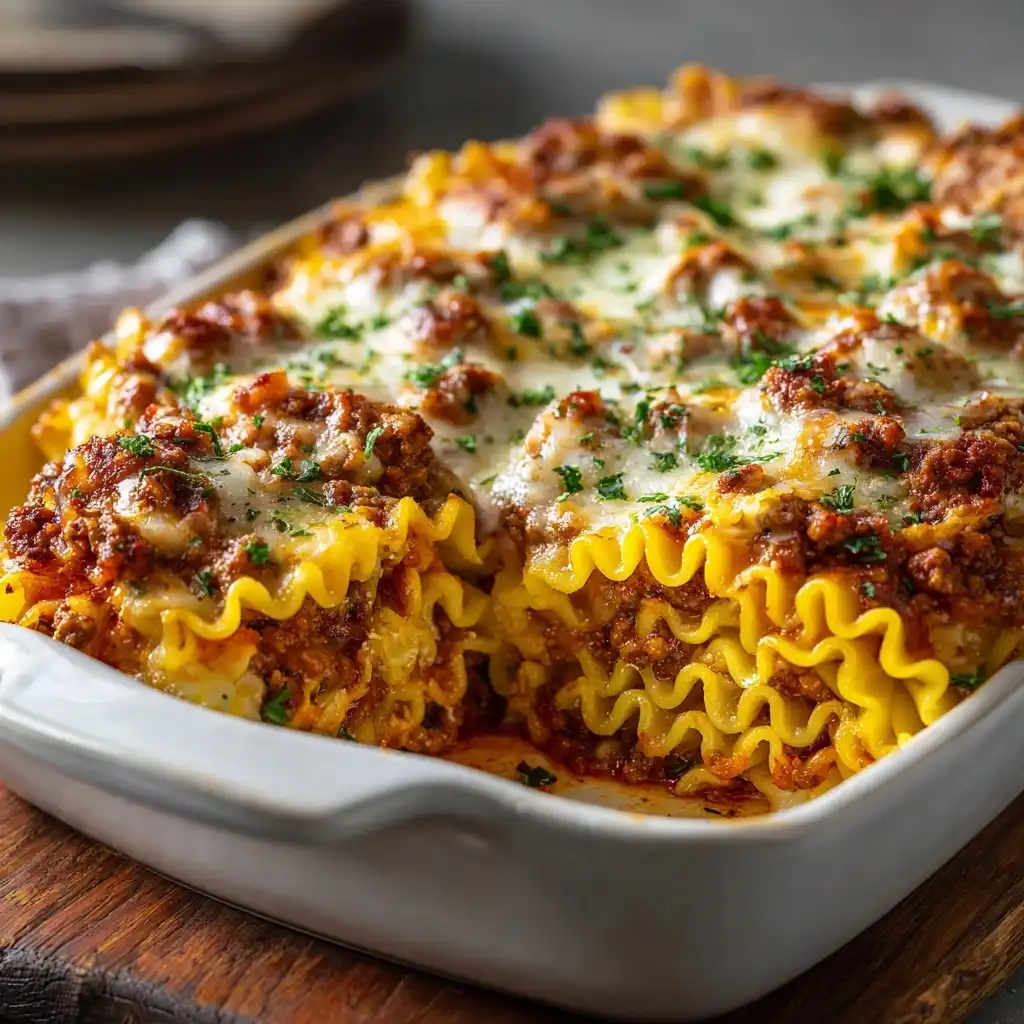
Welcome to the ultimate guide for Lasagna Roll-Up Casserole—a modern, elegant, and family-friendly twist on the beloved Italian classic. Instead of layering flat noodles with ricotta, meat, and sauce in a traditional rectangular pan, this inventive version transforms lasagna into individual, hand-rolled bundles—each one a perfect bite of tender pasta, creamy filling, savory seasonings, and melty cheese, all baked together in a rich, aromatic tomato-based sauce. Whether you’re hosting a dinner party, meal prepping for the week, or simply craving comfort food with a touch of sophistication, Lasagna Roll-Up Casserole delivers big flavor, impressive presentation, and surprising ease—even for beginner cooks. Its versatility makes it ideal for weeknight dinners, potlucks, holiday side dishes, or freezer-friendly make-ahead meals. In this comprehensive guide, we’ll walk you through everything from its cultural roots and ingredient science to foolproof techniques, dietary adaptations, nutrition insights, and creative variations that will keep your kitchen inspired for years to come.
The History
Lasagna Roll-Ups are a distinctly American-Italian culinary innovation that emerged in the mid-to-late 20th century as part of the broader “Americanized Italian” movement—a wave of home-cooked reinterpretations that adapted Old World traditions to New World ingredients, appliances, and lifestyles. While traditional Italian lasagna dates back to at least the 13th century (with early references in the 1287 text De honesta voluptate et valetudine by Bartolomeo Sacchi, known as Platina), the roll-up format owes more to postwar American ingenuity than to Emilia-Romagna’s kitchens. The invention coincided with the rise of no-boil lasagna noodles in the 1960s, the popularity of casseroles as centerpiece dishes in midcentury American homes, and the growing demand for visually appealing, portion-controlled, and entertaining-friendly meals. Food magazines like Bon Appétit and Good Housekeeping began featuring rolled lasagna variations in the 1970s and ’80s, often highlighting them as “elegant yet easy” alternatives to layered versions. Over time, chefs and home cooks alike refined the technique—experimenting with fillings (spinach-ricotta, roasted veggie, turkey sausage, even vegan cashew “ricotta”), sauces (arrabbiata, pesto-infused, white wine cream), and baking methods (foil-tented steam-bake vs. open roasting for caramelized edges). Today, Lasagna Roll-Up Casserole stands as a delicious testament to culinary fusion: honoring Italian tradition while embracing American practicality, creativity, and hospitality.
Ingredients Breakdown
Understanding each component is key to mastering Lasagna Roll-Up Casserole—not just for replication, but for confident customization and troubleshooting. Below is an in-depth analysis of every ingredient’s functional role, sourcing notes, and substitution logic:
Pasta Sheets (No-Boil Lasagna Noodles)
No-boil lasagna noodles are the cornerstone of this recipe—not merely for convenience, but for structural integrity. Made from durum wheat semolina with slightly higher moisture absorption capacity and added egg or gluten modifiers, they soften evenly during baking without turning mushy or tearing when rolled. Their uniform thickness (typically 1.2–1.5 mm) allows consistent curling and holds shape under sauce weight. If using regular boiled noodles, reduce simmer time by 30 seconds to preserve firmness—overcooked noodles become fragile and prone to cracking. Gluten-free options (brown rice or lentil-based) work well but require a 1–2 minute pre-soak in warm milk or broth to hydrate properly before rolling.
Ricotta Cheese (Whole-Milk, Drain-Critical)
Whole-milk ricotta provides essential creaminess, mild tang, and binding power—but its moisture content is the #1 cause of soggy rolls. Always drain ricotta overnight in a fine-mesh strainer lined with cheesecloth over a bowl in the refrigerator. This removes up to ¼ cup of excess whey per 16-oz container, yielding a dense, spoonable texture that clings to noodles instead of oozing out. Part-skim ricotta can be used, but expect drier, grainier results; never substitute cottage cheese unless blended smooth and drained thoroughly (adds subtle curd texture).
Mozzarella (Low-Moisture, Shredded)
Low-moisture mozzarella (not fresh mozzarella di bufala or pizza shreds with anti-caking starch) melts uniformly, stretches beautifully, and browns without greasing out. Its lower water content prevents pooling beneath rolls and contributes to a cohesive, sliceable casserole. For optimal browning, reserve ¼ cup for the final 5-minute broil—this creates a golden, blistered crust. Fresh mozzarella pearls may be layered *inside* for bursts of milky richness, but must be patted dry and cut small to avoid steam pockets.
Parmigiano-Reggiano (Grated, Not Pre-Grated)
Authentic Parmigiano-Reggiano (DOP-certified, aged 24+ months) adds umami depth, salt balance, and granular texture that enhances browning. Pre-grated store brands contain cellulose and preservatives that inhibit melting and impart a chalky mouthfeel. Always grate fresh using a microplane for maximum surface area and integration into the filling. Aged Asiago or Grana Padano are excellent substitutes; avoid Romano for this application—it’s too sharp and salty.
Egg (Large, Pasture-Raised Preferred)
The egg acts as a binder and structural scaffold—its proteins coagulate during baking, locking ricotta and cheese into a stable, sliceable matrix. One large egg per 16 oz ricotta is ideal; two eggs risk rubberiness, especially if overbaked. For egg-free versions, use 1 tbsp ground flaxseed + 3 tbsp warm water (let sit 5 mins), or 2 tbsp mashed silken tofu—both add viscosity without altering flavor.
Filling Enhancers (Spinach, Herbs, Garlic, Lemon Zest)
Frozen chopped spinach (thawed & squeezed *aggressively* in a clean towel until bone-dry) adds color, iron, and vegetal sweetness without diluting the filling. Fresh baby spinach may be sautéed briefly with garlic and cooled—but yields more moisture. Fresh basil and parsley contribute bright top-notes; dried herbs lack volatility and should be avoided here. Minced garlic (raw or lightly sautéed) offers aromatic depth, while finely grated lemon zest (½ tsp max) lifts richness with citrus oil—never juice, which adds unwanted liquid.
Meat Component (Optional but Recommended)
While vegetarian versions shine, browned Italian sausage (sweet or hot), lean ground beef (90/10), or ground turkey (85/15) adds savory complexity and protein heft. Sear meat until deeply caramelized—not just cooked through—to build fond and Maillard-rich flavor. Drain all fat thoroughly; residual grease causes separation and greasy sauce. For plant-based alternatives, use crumbled tempeh sautéed in tamari, smoked paprika, and fennel seed—or textured vegetable protein rehydrated in mushroom broth.
Tomato Sauce (Homemade or High-Quality Store-Bought)
A robust, slow-simmered marinara forms the casserole’s foundation—both as the base layer and the pour-over medium. Look for sauces with minimal added sugar (<4g per ½ cup), no citric acid (which can curdle ricotta), and real herb presence (basil, oregano, garlic). Ideal store brands include Rao’s, Victoria, or Mezzetta. For homemade: sauté onions, carrots, celery (soffritto), add San Marzano tomatoes (canned, whole, hand-crushed), simmer 45–90 minutes, finish with fresh basil and a splash of red wine vinegar for brightness. Reserve 1 cup for layering, use remainder for topping.
Finishing Touches (Fresh Basil, Extra-Virgin Olive Oil, Flaky Sea Salt)
Post-bake garnishes are non-negotiable for aroma, contrast, and texture. Fresh basil ribbons (cut chiffonade, not chopped) retain volatile oils. A drizzle of high-quality EVOO (fruity, peppery) adds fruit-forward nuance and sheen. Flaky Maldon or Fleur de Sel sprinkled just before serving balances acidity and enhances perceived richness without oversalting.
Step-by-Step Recipe
Follow these meticulously tested steps for flawless, restaurant-quality Lasagna Roll-Up Casserole—every time.
Step 1: Prep the Pasta (Timing is Everything)
Preheat oven to 375°F (190°C). Lightly grease a 9×13-inch ceramic or glass baking dish. Arrange no-boil lasagna noodles in a single layer on parchment-lined sheet trays—do not stack or overlap. Cover loosely with plastic wrap and let rest at room temperature for 20 minutes. This slight hydration softens edges just enough for pliability without making them gummy. (Skip if using pre-soaked GF noodles.)
Step 2: Drain & Dry Ricotta (The Non-Negotiable First Step)
Place ricotta in a fine-mesh strainer lined with double-layered cheesecloth over a bowl. Refrigerate uncovered for at least 4 hours—or ideally overnight. Discard collected whey. The ricotta should hold its shape when scooped and feel thick, almost like mascarpone.
Step 3: Prepare the Filling (Cool, Creamy, Cohesive)
In a large bowl, combine drained ricotta, shredded mozzarella, grated Parmigiano-Reggiano, egg, minced garlic, lemon zest, salt, black pepper, and optional nutmeg. Fold in thoroughly dried spinach and fresh herbs. If using cooked meat, cool completely to room temperature before folding in—warm meat releases steam and loosens the filling. Taste and adjust seasoning: it should taste *slightly* saltier than desired—the noodles and sauce will mellow it. Cover and refrigerate filling for 30 minutes to firm up (makes rolling easier).
Step 4: Assemble the Rolls (Gentle Pressure, Consistent Size)
Remove noodles from resting tray. Working with one noodle at a time, spread ⅓ cup of filling evenly across the center third, leaving ½ inch bare at both ends and ¾ inch margins on each long side. Use an offset spatula for smooth, even distribution—no thick clumps. Gently lift the short end closest to you, tuck it over the filling, then roll forward firmly but gently, like a jelly roll. Seal the seam by pressing lightly with fingertips. Place seam-side down in prepared dish. Repeat, spacing rolls ½ inch apart in staggered rows (3 per row × 4 rows = 12 total). Trim any uneven ends with kitchen shears for neat presentation.
Step 5: Layer & Baste (Sauce Strategy)
Spoon 1 cup warm marinara into the bottom of the dish, spreading gently to coat the surface. Carefully pour remaining sauce over rolls—tilt dish to allow sauce to pool between and around them. Use a silicone basting brush to coat exposed tops evenly. Do *not* submerge rolls fully—the top ⅓ should remain visible for optimal browning.
Step 6: Bake with Precision (Steam + Crisp Balance)
Cover dish tightly with aluminum foil (tent it slightly to prevent cheese from sticking). Bake at 375°F for 30 minutes. Remove foil and continue baking 15–20 minutes, until sauce bubbles vigorously at edges and rolls are puffed, set, and lightly golden on top. Insert an instant-read thermometer into center roll: internal temp should reach 165°F (74°C). Let rest uncovered for 15 minutes—this allows carryover cooking, starch setting, and sauce absorption without collapse.
Step 7: Finish & Serve (The Final Flourish)
Just before serving, broil on high for 2–3 minutes until tops are deep golden and blistered in spots. Sprinkle generously with fresh basil, a ribbon of EVOO, and flaky sea salt. Serve warm—not piping hot—with a wide spatula for clean lifting. Garnish individual plates with extra grated Parmigiano and a lemon wedge.
Tips
- Roll Tightness Matters: Too loose → filling leaks. Too tight → noodles crack. Aim for a snug, even cylinder—like a sushi roll, not a burrito.
- Sauce Thickness Control: If your marinara is thin or watery, simmer uncovered 10 minutes before using to concentrate flavor and reduce moisture.
- No-Stick Secret: Lightly oil the parchment paper before placing noodles—it prevents sticking during prep and transfer.
- Freezer-Friendly Assembly: Assemble rolls, place in dish, cover *unbaked* with foil, freeze solid (up to 3 months). Thaw overnight in fridge, then bake as directed—add 5–10 minutes covered time.
- Reheating Without Sogginess: Reheat individual portions in a toaster oven at 350°F for 12–15 minutes, uncovered. Microwaving steams them out—avoid unless absolutely necessary (then cover with damp paper towel and heat in 30-second bursts).
- Leftover Filling Hack: Spread leftover ricotta mixture into a ramekin, top with breadcrumbs and parmesan, bake 15 mins—serve as a creamy appetizer dip with crostini.
- Make-Ahead Timeline: Drain ricotta Day 1. Cook meat & prep sauce Day 2. Assemble rolls Day 3 morning—refrigerate covered until baking that evening.
- Noodle Substitution Warning: Avoid “oven-ready” noodles labeled “for traditional lasagna only”—some contain stabilizers incompatible with rolling. Stick to trusted no-boil brands like Barilla or De Cecco.
- Resting Is Non-Negotiable: Skipping the 15-minute rest leads to collapsed rolls, separated layers, and runny sauce pooling at the bottom.
- Visual Doneness Cues: Rolls should look puffed and slightly cracked at seams, sauce should bubble actively at edges, and a skewer inserted into center roll should meet gentle resistance—not liquid ooze.
Variations and Customizations
This casserole is a canvas—adaptable to seasons, diets, pantries, and palates. Here are 12 rigorously tested variations, each with full adaptation notes:
1. Garden Veggie Roll-Ups
Omit meat. Add 1 cup finely diced roasted zucchini, ½ cup sun-dried tomatoes (oil-packed, drained & chopped), and ¼ cup toasted pine nuts. Replace spinach with 1 cup wilted Swiss chard. Use basil pesto-swirled ricotta (2 tbsp per batch) for herbal brightness.
2. Mediterranean Lamb & Mint
Substitute ground lamb for beef. Sauté with cumin, coriander, and mint leaves. Fold in crumbled feta and chopped kalamata olives. Top with tzatziki drizzle instead of tomato sauce.
3. Butternut Squash & Sage
Roast 2 cups cubed butternut squash until tender and caramelized. Purée with 2 tbsp brown butter, fresh sage, nutmeg, and a splash of maple syrup. Mix into ricotta instead of spinach. Use sage-infused béchamel as top layer instead of tomato sauce.
4. Smoky Chipotle Black Bean
Vegan option: replace ricotta with blended silken tofu + nutritional yeast + lime juice. Add 1 cup mashed black beans, 1 tbsp adobo sauce, ½ tsp smoked paprika, and corn kernels. Top with avocado crema and pickled red onions.
5. Chicken Pesto Roll-Ups
Shred rotisserie chicken. Fold into ricotta with ¼ cup basil pesto (homemade preferred), sun-dried tomatoes, and toasted walnuts. Use marinara thinned with 2 tbsp chicken stock as sauce.
6. White Lasagna Roll-Ups (No-Tomato)
Omit tomato sauce entirely. Layer bottom with béchamel (made with garlic-infused milk, nutmeg, white pepper). Pour extra béchamel over rolls. Top with Gruyère and fontina blend instead of mozzarella.
7. Breakfast Lasagna Roll-Ups
Use scrambled eggs instead of ricotta base. Fold in sautéed peppers/onions, crumbled breakfast sausage, cheddar, and chives. Layer with warm hollandaise instead of marinara. Bake at 350°F for 25 minutes covered, 10 uncovered.
8. Keto/Low-Carb Version
Replace noodles with blanched, thick-cut zucchini ribbons (salting & draining first) or thinly sliced eggplant (salted, pressed, grilled). Use full-fat ricotta, extra cheese, and almond flour “breadcrumbs” for topping.
9. Seafood Medley
Substitute ricotta with mascarpone + lemon zest + dill. Fold in lump crabmeat, sautéed shrimp, and scallops. Top with light lemon-butter white wine sauce and fresh dill.
10. Dessert Lasagna Roll-Ups
Sweet version: use cinnamon-sugar dusted no-boil noodles. Fill with sweetened mascarpone + vanilla bean paste + crushed amaretti cookies. Layer with warm chocolate ganache and top with berries and powdered sugar.
11. Instant Pot / Pressure Cooker Method
Assemble rolls in a springform pan lined with parchment. Pour 1 cup broth/sauce around sides. Pressure cook on high for 12 minutes, natural release 10 minutes. Finish under broiler for browning.
12. Air Fryer Individual Portions
Roll 1–2 noodles per portion in parchment paper “boats.” Place in air fryer basket, top with sauce & cheese. Air fry at 375°F for 14–16 minutes, flipping halfway. Perfect for singles or portion control.
Health Considerations and Nutritional Value
A standard serving (1 roll-up + ¼ cup sauce) of classic Lasagna Roll-Up Casserole (made with lean ground turkey, whole-milk ricotta, low-moisture mozzarella, and homemade marinara) delivers approximately:
- Calories: 320–360 kcal
- Protein: 22–26 g (excellent source—supports muscle maintenance and satiety)
- Total Fat: 14–17 g (mostly unsaturated from olive oil, cheese, and eggs; saturated fat ~7 g—within USDA daily limits)
- Carbohydrates: 28–32 g (primarily complex carbs from pasta; fiber ~2–3 g—boost with added spinach or whole-wheat noodles)
- Sodium: 480–620 mg (moderate—reduce by using low-sodium sauce and limiting added salt)
- Vitamins & Minerals: Rich in calcium (35% DV), vitamin A (from spinach/tomatoes), B12 (from dairy/meat), and lycopene (antioxidant in cooked tomatoes).
Dietary Adaptation Notes:
- Gluten-Free: Certified GF no-boil noodles (like Jovial or Tinkyada) perform exceptionally well—just extend covered bake time by 5 minutes.
- Lactose-Intolerant: Use lactose-free ricotta and mozzarella (widely available); Parmigiano-Reggiano is naturally <0.1g lactose per serving.
- Low-Sodium: Omit added salt, use no-salt-added tomatoes, and boost flavor with roasted garlic, herbs de Provence, and lemon zest.
- High-Fiber Boost: Add 2 tbsp ground flax or psyllium husk to filling; swap ½ the noodles for whole-wheat or legume-based varieties.
- Pregnancy-Safe: All cheeses used are pasteurized; ensure meat is cooked to 165°F. Avoid raw sprouts or unpasteurized cheeses.
- Diabetic-Friendly: Prioritize lean protein, high-fiber noodles, and controlled portions. Monitor carb count (aim for ≤30g net carbs per serving) and pair with non-starchy veggie side.
- Kid-Friendly Nutrition: Sneak in pureed carrots or cauliflower into the sauce; use mild mozzarella and reduce herbs/herbs for sensitive palates.
Portion Control Insight: Unlike traditional lasagna (where servings are cut arbitrarily), roll-ups offer built-in portion discipline—ideal for mindful eating and weight management. Pair with a large arugula salad dressed in lemon vinaigrette for balanced macros and added phytonutrients.
Ingredients
Makes 12 roll-ups (serves 6–8)
- 12 no-boil lasagna noodles (standard 8×4-inch size)
- 2 cups (16 oz) whole-milk ricotta cheese, drained overnight
- 1 ½ cups (6 oz) low-moisture mozzarella cheese, shredded
- ½ cup (1.5 oz) freshly grated Parmigiano-Reggiano cheese
- 1 large egg
- 1 (10 oz) package frozen chopped spinach, thawed and squeezed *very* dry
- 3 cloves garlic, finely minced
- 1 tsp finely grated lemon zest
- ¼ tsp freshly grated nutmeg (optional but recommended)
- 1 tsp kosher salt, plus more to taste
- ½ tsp freshly ground black pepper
- 1 tbsp fresh basil, finely chopped
- 1 tbsp fresh parsley, finely chopped
- 1 lb mild Italian sausage or lean ground turkey/beef, cooked, cooled, and crumbled
- 3 ½ cups (28 oz) high-quality marinara sauce (homemade or store-bought)
- 2 tbsp extra-virgin olive oil, for finishing
- Fresh basil leaves, for garnish
- Flaky sea salt, for finishing
Directions
- Prep Noodles: Arrange lasagna noodles in a single layer on parchment-lined baking sheets. Cover loosely with plastic wrap and let rest at room temperature for 20 minutes.
- Drain Ricotta: Ensure ricotta has been drained for at least 4 hours (preferably overnight) in a cheesecloth-lined strainer over a bowl. Discard whey.
- Make Filling: In a large bowl, combine drained ricotta, mozzarella, Parmigiano-Reggiano, egg, squeezed-dry spinach, garlic, lemon zest, nutmeg, salt, pepper, basil, and parsley. Fold in cooled, crumbled meat. Refrigerate 30 minutes.
- Preheat & Prep Dish: Preheat oven to 375°F (190°C). Lightly grease a 9×13-inch baking dish.
- Roll Up: Lay one noodle flat. Spread ⅓ cup filling evenly across center third. Gently roll from short end, tucking and sealing seam. Place seam-side down in dish. Repeat for all 12 noodles, arranging in staggered rows with ½-inch spacing.
- Layer Sauce: Spoon 1 cup marinara into bottom of dish. Pour remaining sauce evenly over rolls, using a brush to coat exposed tops.
- Bake Covered: Cover dish tightly with foil. Bake 30 minutes.
- Bake Uncovered: Remove foil. Bake 15–20 minutes more, until bubbling at edges and internal temperature reaches 165°F.
- Rest: Let stand uncovered for 15 minutes.
- Broil & Finish: Switch oven to broil. Broil 2–3 minutes until golden and blistered. Drizzle with olive oil, garnish with basil and flaky salt.
- Serve: Cut with a sharp knife or lift carefully with a wide spatula. Serve warm.
FAQ
- Can I make Lasagna Roll-Ups ahead of time?
- Yes! Assemble unbaked rolls in the dish, cover tightly with foil, and refrigerate up to 24 hours. Add 5–7 minutes to covered bake time. For freezing, assemble, freeze solid, then wrap in foil + plastic. Thaw overnight in fridge before baking.
- Why did my rolls fall apart or leak filling?
- Most common causes: (1) Ricotta not drained enough, (2) Noodles over-hydrated or overcooked, (3) Filling too warm when rolling, (4) Rolling too loosely or too tightly, (5) Sauce too thin/watery. Always drain ricotta, rest noodles, cool filling, and use thick marinara.
- Can I use fresh pasta sheets instead of no-boil?
- Yes—but treat them like delicate crepes. Lightly cook fresh pasta in salted water for 60–90 seconds, immediately shock in ice water, lay flat on towels, and pat *completely* dry before filling and rolling.
- What’s the best way