Introduction
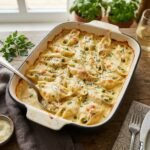
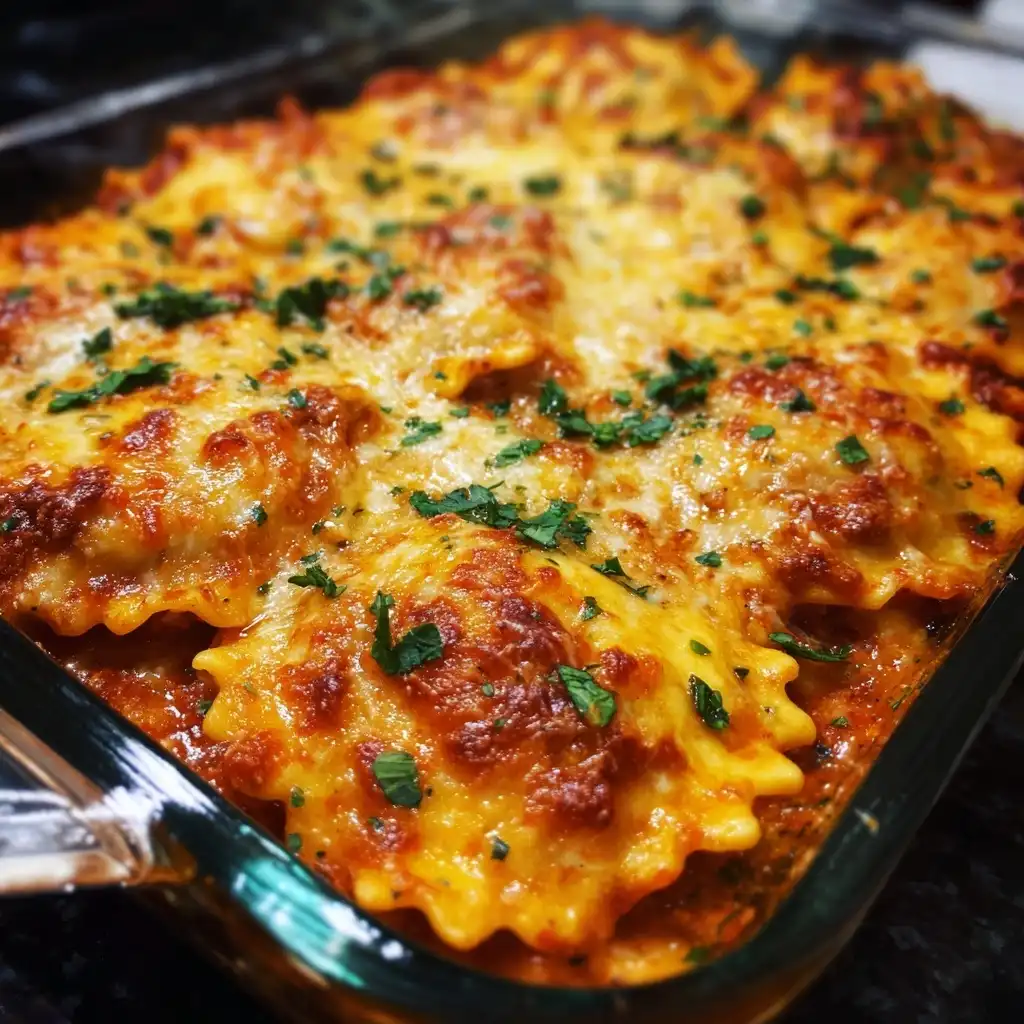
Baked Ravioli Casserole is a beloved, family-friendly comfort food that transforms humble, store-bought or homemade ravioli into a rich, layered, oven-baked masterpiece. Unlike traditional boiled ravioli served with sauce on the side, this casserole fuses pasta, cheese, meat (or plant-based alternatives), and robust tomato-based sauce into a cohesive, deeply flavorful dish with golden, bubbly edges and tender, saucy centers. Its appeal lies in its simplicity, versatility, and crowd-pleasing nature—perfect for weeknight dinners, potlucks, holiday side dishes, or make-ahead freezer meals. Whether you’re feeding picky eaters, hosting guests, or simply craving something hearty and nostalgic, Baked Ravioli Casserole delivers warmth, texture, and satisfaction in every forkful.
The History
While ravioli itself traces back to 14th-century Italy—with early references appearing in the writings of Florentine merchant Francesco di Marco Datini and even earlier Arabic-influenced pasta traditions—the baked casserole version is a distinctly American innovation born from mid-20th-century culinary pragmatism. As convenience foods gained popularity post-World War II, canned tomatoes, dried herbs, frozen ravioli (introduced commercially in the 1950s by brands like Chef Boyardee), and processed cheeses became pantry staples. Home cooks—especially busy mothers seeking one-dish meals—began experimenting by layering ravioli with ricotta, mozzarella, and marinara in baking dishes, then broiling or baking until golden. The dish evolved alongside regional preferences: Midwest versions often feature ground beef and cottage cheese; Southern adaptations sometimes include smoked gouda or pepper jack; and West Coast interpretations lean into fresh basil, heirloom tomatoes, and goat cheese. Though not “authentic” Italian in technique, it honors Italian-American culinary identity—resourceful, generous, and deeply rooted in intergenerational tradition. Today’s resurgence reflects a broader cultural return to nostalgic, shareable, low-fuss yet high-impact meals—especially amid rising interest in meal prep, freezer cooking, and adaptable vegetarian/vegan dining.
Ingredients Breakdown
Understanding each component ensures optimal texture, flavor balance, and structural integrity in your casserole:
- Ravioli: Typically 24–36 oz (680–1020 g) of refrigerated or frozen cheese, spinach-cheese, mushroom, or meat-filled ravioli. Fresh ravioli works best for tenderness; frozen should be partially thawed (not fully cooked) to prevent mushiness. Avoid “pre-cooked” shelf-stable varieties unless specified as oven-ready.
- Marinara Sauce: 3–4 cups (720–960 ml) of high-quality, low-sugar marinara—preferably with balanced acidity (tomatoes, garlic, oregano, basil) and minimal fillers. San Marzano-based sauces provide superior depth; homemade versions allow full control over sodium and sweetness.
- Cheese Blend: A strategic trio ensures melt, creaminess, and browning: 1½ cups (150 g) shredded low-moisture mozzarella (for stretch and golden crust), 1 cup (120 g) whole-milk ricotta (for richness and binding), and ½ cup (50 g) freshly grated Parmigiano-Reggiano or Pecorino Romano (for umami and salt complexity). Optional additions: ¼ cup crumbled feta for tang, or ⅓ cup shredded provolone for smokiness.
- Protein (Optional but Recommended): 1 lb (450 g) lean ground beef, Italian sausage (mild or hot), ground turkey, or plant-based crumbles. Browning with onions, garlic, and fennel seed enhances savory depth. For vegetarian versions, lentils, finely chopped walnuts, or sautéed mushrooms add satisfying heft.
- Aromatics & Seasonings: 1 medium yellow onion (finely diced), 4–5 garlic cloves (minced), 2 tbsp olive oil, 1 tsp dried oregano, 1 tsp dried basil, ½ tsp red pepper flakes (optional), salt and freshly ground black pepper to taste. Fresh herbs (basil, parsley) added at the end brighten the final dish.
- Binding & Moisture Agents: ¼ cup (60 ml) heavy cream or whole milk balances ricotta’s density; 1 large egg (optional but recommended for structure, especially with veggie-heavy versions); a splash of reserved ravioli water (if boiling first) helps emulsify the sauce.
- Finishing Touches: Extra shredded mozzarella and Parmesan for the top layer, fresh basil ribbons, a drizzle of high-quality extra-virgin olive oil, and a sprinkle of flaky sea salt just before serving.
Step-by-Step Recipe
- Preheat & Prep: Position oven rack in the center and preheat to 375°F (190°C). Lightly grease a 9×13-inch (23×33 cm) glass or ceramic baking dish with olive oil or nonstick spray. Gather all ingredients and measure seasonings precisely.
- Sauté Aromatics & Protein: In a large skillet over medium heat, warm olive oil. Add diced onion and cook until translucent (5–7 min). Stir in minced garlic and cook 1 minute until fragrant. Add ground meat (or plant crumbles), breaking it apart with a wooden spoon. Cook until no pink remains and fat renders (8–10 min). Drain excess grease if needed. Stir in oregano, basil, red pepper flakes, salt, and black pepper. Remove from heat and let cool slightly.
- Prepare Cheese Mixture: In a medium bowl, combine ricotta, 1 cup shredded mozzarella, grated Parmigiano-Reggiano, heavy cream, egg (if using), ½ tsp salt, and ¼ tsp black pepper. Whisk vigorously until smooth and creamy—no lumps. Fold in ¼ cup chopped fresh parsley if desired.
- Layer the Casserole (Critical Step): Spread 1 cup marinara sauce evenly across the bottom of the prepared dish. Arrange a single, snug layer of uncooked ravioli—slightly overlapping if necessary—to cover the sauce completely. Spoon half the meat mixture over ravioli, spreading gently. Dollop half the ricotta mixture in large spoonfuls, then use an offset spatula to spread lightly (don’t overwork). Repeat layers: another cup of marinara, remaining ravioli, remaining meat, remaining ricotta mixture. Top with remaining 1–2 cups marinara (ensuring all ravioli is fully covered to prevent drying).
- Final Cheese & Bake: Sprinkle generously with remaining ½ cup mozzarella and ¼ cup Parmigiano-Reggiano. Cover tightly with aluminum foil (tent it slightly to prevent cheese from sticking). Bake for 40 minutes. Carefully remove foil and bake uncovered for 15–20 more minutes, until top is deeply golden, edges are bubbling vigorously, and internal temperature reaches 165°F (74°C) when checked with an instant-read thermometer in the center.
- Rest & Serve: Let casserole rest for 15–20 minutes before cutting. This allows starches to set, prevents runny sauce, and improves sliceability. Garnish with fresh basil, a drizzle of olive oil, and flaky salt. Serve with garlic bread, a crisp green salad, or roasted vegetables.
Tips
- Don’t Skip the Rest: Cutting too soon causes separation and sauce pooling. Resting firms the structure and enhances flavor melding.
- Prevent Soggy Bottoms: Always start with a thin sauce base—and ensure ravioli is *completely* submerged in sauce during baking. If using frozen ravioli, do not boil first; their starch helps thicken the sauce naturally.
- Upgrade Your Marinara: Simmer store-bought sauce for 15 minutes with a splash of balsamic vinegar, a pinch of sugar (to balance acidity), and fresh herbs for restaurant-quality depth.
- Perfect Cheese Texture: Use whole-milk ricotta—not part-skim—as it’s creamier and less watery. Drain excess liquid from ricotta in a fine-mesh strainer for 10 minutes if it seems overly moist.
- Oven Variance Matters: Convection ovens reduce bake time by ~10–15%. Check at 35 minutes covered, then adjust uncovered time accordingly.
- Freeze Smart: Assemble unbaked casserole, wrap tightly in foil + plastic, and freeze up to 3 months. Thaw overnight in fridge before baking (add 10–15 min to covered time).
- Crust Control: For extra-crispy edges, brush exposed ravioli edges with melted butter before topping with cheese—or add a ¼-inch layer of panko mixed with melted butter and Parmesan around the perimeter.
- Acid Balance: A final squeeze of lemon juice or splash of white wine vinegar brightens richness without adding sourness—especially effective with heavier meat versions.
Variations and Customizations
This casserole is endlessly adaptable—here are chef-tested, crowd-approved iterations:
- Vegan Baked Ravioli: Use plant-based ravioli (cashew ricotta or tofu-based fillings), dairy-free mozzarella shreds (Miyoko’s or Violife), nutritional yeast instead of Parmesan, and lentil-walnut “meat” sautéed in tamari and smoked paprika. Replace heavy cream with unsweetened cashew cream.
- White Wine & Mushroom: Swap marinara for a creamy white wine sauce (sauté shallots, garlic, cremini mushrooms; deglaze with ½ cup dry white wine; stir in 1 cup warmed béchamel and ¼ cup grated Gruyère). Use mushroom or truffle ravioli and omit meat.
- Spicy Arrabbiata Style: Use Arrabbiata sauce (tomato + garlic + crushed red pepper), add 1 tbsp Calabrian chiles to the meat mixture, and top with crumbled spicy soppressata and fresh oregano.
- Breakfast Ravioli Bake: Use egg-and-cheese ravioli, replace marinara with roasted tomato gravy, layer with crumbled breakfast sausage and caramelized onions, and finish with sharp cheddar and chives.
- Greek-Inspired: Fill with feta-spinach ravioli; layer with tzatziki-thinned tomato sauce, crumbled feta, kalamata olives, and oregano. Top with dill and lemon zest.
- Low-Carb/Keto Option: Substitute ravioli with thinly sliced zucchini or eggplant “noodles” (salted, pressed, and blotted), or use keto-approved almond-flour ravioli. Boost cheese and cream, reduce tomato sauce volume, and increase herbs for flavor density.
- Seafood Medley: Use lobster or crab ravioli; layer with lemon-herb white sauce (beurre blanc base), sautéed shrimp, scallops, and dill. Finish with microgreens and lemon oil.
- Dessert Ravioli Casserole: A playful twist: use sweet ricotta-chocolate or cinnamon-apple ravioli; layer with spiced caramel sauce, toasted pecans, and mascarpone cream. Bake until warm and serve with vanilla gelato.
Health Considerations and Nutritional Value
A standard 12-serving Baked Ravioli Casserole (made with whole-wheat ravioli, lean ground turkey, low-sodium marinara, part-skim ricotta, and reduced-fat mozzarella) provides approximately 320–380 calories per 1-cup serving, with:
- Protein: 22–28 g (supporting muscle maintenance and satiety)
- Fiber: 4–6 g (from whole-grain pasta and vegetables—boost with added spinach or zucchini ribbons)
- Calcium: ~25% DV (from dairy cheeses and fortified ricotta)
- Vitamin A & C: From tomatoes and herbs—antioxidants vital for immunity and skin health
- Iron & Zinc: Especially with beef or lentils—critical for energy metabolism and immune function
Key Considerations:
- Sodium Watch: Store-bought sauces and cheeses contribute significantly. Opt for “no-salt-added” marinara and low-sodium cheeses; boost flavor with herbs, citrus zest, and roasted garlic instead of salt.
- Saturated Fat: Moderation is key. Choose lean proteins, limit full-fat cheeses, and incorporate heart-healthy fats (olive oil, nuts) instead of butter-heavy toppings.
- Gluten Sensitivity: Easily made gluten-free using certified GF ravioli (corn/rice/quinoa blends) and GF-certified sauces. Ensure all seasonings and cheeses are GF-labeled.
- Digestive Comfort: For sensitive stomachs, add digestive-friendly elements: fennel seeds in the meat, ginger-infused ricotta, or a side of fermented veggies (kimchi, sauerkraut).
- Blood Sugar Balance: Pair with non-starchy sides (roasted broccoli, arugula salad) and avoid sugary marinara. Whole-grain or legume-based ravioli increases fiber and slows glucose absorption.
- Pregnancy & Food Safety: Ensure all cheeses are pasteurized, meats fully cooked to 165°F, and casseroles reheated to steaming hot (165°F) if storing leftovers.
Consult a registered dietitian for personalized modifications—especially for conditions like hypertension, diabetes, or IBS.
Ingredients
- 24–36 oz (680–1020 g) refrigerated or frozen cheese, spinach-cheese, or meat-filled ravioli (see notes for GF/vegan options)
- 3–4 cups (720–960 ml) high-quality marinara sauce (low-sodium preferred)
- 1½ cups (150 g) shredded low-moisture mozzarella cheese
- 1 cup (120 g) whole-milk ricotta cheese
- ½ cup (50 g) freshly grated Parmigiano-Reggiano or Pecorino Romano
- 1 lb (450 g) lean ground beef, Italian sausage, turkey, or plant-based crumbles
- 1 medium yellow onion, finely diced
- 4–5 garlic cloves, minced
- 2 tbsp extra-virgin olive oil
- 1 tsp dried oregano
- 1 tsp dried basil
- ½ tsp red pepper flakes (optional)
- ½ tsp kosher salt (plus more to taste)
- ¼ tsp freshly ground black pepper
- ¼ cup (60 ml) heavy cream or whole milk
- 1 large egg (optional but recommended)
- ¼ cup chopped fresh flat-leaf parsley (optional)
- ¼ cup fresh basil leaves, torn (for garnish)
- Extra-virgin olive oil, for drizzling
- Flaky sea salt, for finishing
Directions
- Preheat oven to 375°F (190°C). Lightly grease a 9×13-inch baking dish.
- In a large skillet over medium heat, heat olive oil. Add onion and cook until soft and translucent, about 5–7 minutes. Add garlic and cook 1 minute more until fragrant.
- Add ground meat (or plant crumbles) and cook, breaking it apart, until fully browned and cooked through (8–10 minutes). Drain excess fat if needed. Stir in oregano, basil, red pepper flakes, salt, and black pepper. Remove from heat and let cool slightly.
- In a medium bowl, whisk together ricotta, 1 cup mozzarella, Parmigiano-Reggiano, heavy cream, egg (if using), parsley, ½ tsp salt, and ¼ tsp black pepper until smooth and creamy.
- Spoon 1 cup marinara sauce into the bottom of the prepared baking dish, spreading evenly.
- Arrange a single layer of ravioli over the sauce, covering completely (slight overlap is okay). Spoon half the meat mixture over ravioli, then dollop and gently spread half the ricotta mixture.
- Repeat layers: 1 cup marinara, remaining ravioli, remaining meat, remaining ricotta mixture.
- Pour remaining marinara sauce evenly over the top, ensuring all ravioli is fully covered. Sprinkle with remaining ½ cup mozzarella and ¼ cup Parmigiano-Reggiano.
- Cover tightly with aluminum foil (tent slightly). Bake for 40 minutes.
- Remove foil and bake uncovered for 15–20 minutes, until top is golden brown and bubbling at edges, and internal temperature reads 165°F (74°C).
- Let rest for 15–20 minutes before slicing. Garnish with fresh basil, a drizzle of olive oil, and flaky salt. Serve warm.
FAQ
- Can I use frozen ravioli without boiling it first?
- Yes—and it’s actually recommended! Uncooked frozen ravioli bakes perfectly in the sauce, releasing starch that thickens the casserole. Just ensure it’s fully covered with sauce to prevent drying. Do not pre-boil frozen ravioli—it will become mushy.
- Why did my casserole turn out watery?
- Common causes: using low-fat ricotta (higher water content), skipping the egg binder, not draining excess grease from meat, using too much thin sauce, or cutting too soon. Fix it next time by straining ricotta, adding egg, reducing sauce by simmering, and resting 20 minutes before serving.
- Can I prepare this ahead of time?
- Absolutely. Assemble up to 24 hours ahead, cover tightly, and refrigerate. Add 5–10 minutes to the covered bake time. For longer storage, freeze unbaked (up to 3 months)—thaw overnight before baking.
- What’s the best cheese substitute for someone with lactose intolerance?
- Lactose-free ricotta and mozzarella are widely available. Alternatively, use well-drained, blended silken tofu + lemon juice + nutritional yeast for ricotta, and Miyoko’s or Daiya for melty cheese. Aged cheeses like Parmigiano-Reggiano are naturally low in lactose and usually well-tolerated.
- Can I make this gluten-free?
- Yes. Use certified gluten-free ravioli (often made from rice, corn, or quinoa flour) and verify all sauces, spices, and cheeses are GF-certified. Cross-contamination is rare but possible—use clean utensils and pans.
- How do I reheat leftovers without drying them out?
- Individual portions: Microwave covered with a damp paper towel on medium power for 60–90 seconds. For the whole casserole: Cover with foil and bake at 350°F (175°C) for 20–25 minutes until heated through. Add 1–2 tbsp water or marinara to the dish before reheating if dry.
- Is it safe to leave baked ravioli at room temperature?
- No. Per USDA guidelines, cooked pasta dishes should not sit at room temperature for more than 2 hours (1 hour if above 90°F/32°C). Refrigerate within 2 hours and consume within 4–5 days.
- Can I air-fry individual servings?
- Yes! Place a portion in an air fryer-safe dish, cover loosely with foil, and air-fry at 350°F (175°C) for 8–10 minutes. Remove foil and air-fry 2–3 minutes more to crisp the top.
Summary
Baked Ravioli Casserole is a timeless, customizable, oven-baked comfort classic that marries tender pasta pockets with rich tomato sauce, creamy cheeses, and savory fillings—delivering restaurant-quality depth with pantry-friendly ease. Whether you’re feeding a family of four or prepping freezer meals for busy weeks, its forgiving technique, endless variations, and make-ahead flexibility make it a cornerstone of modern home cooking.