Introduction
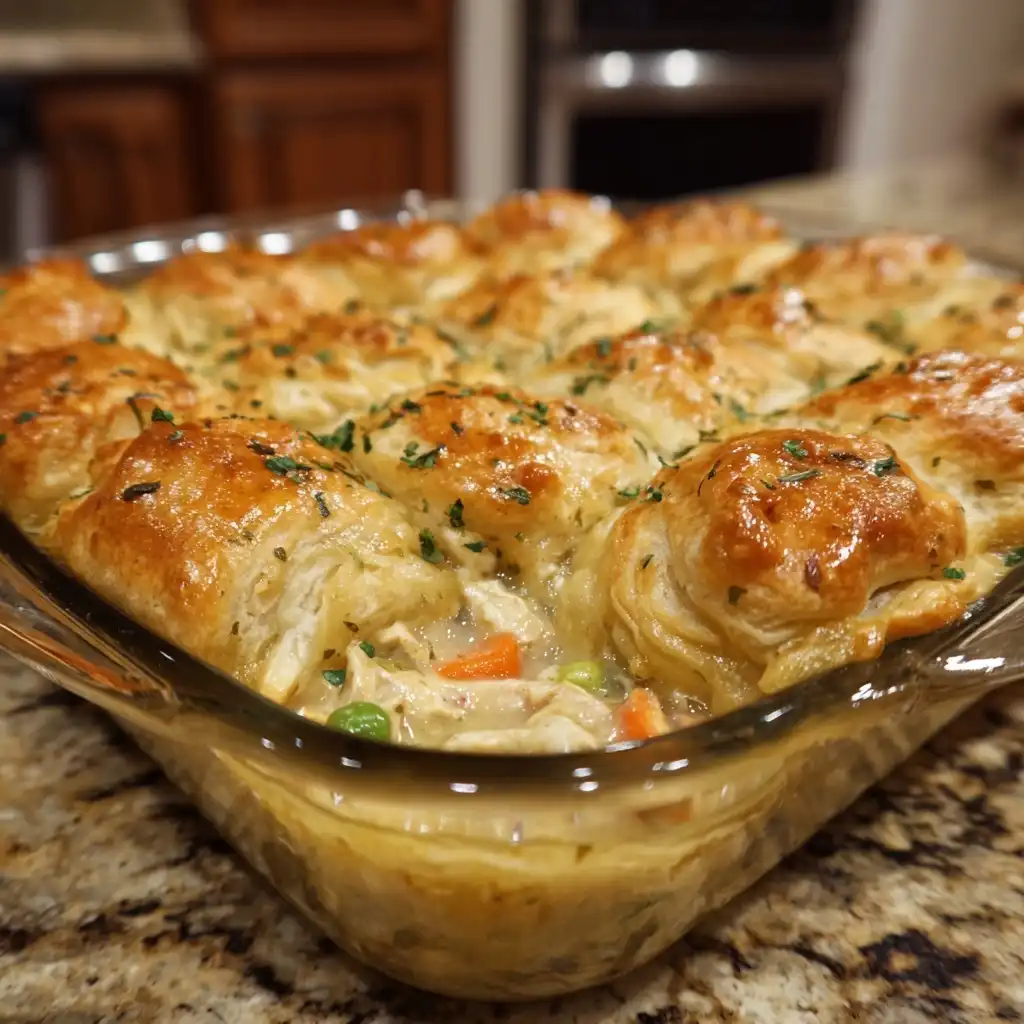
Chicken Pot Pie Casserole is the ultimate comfort food reimagined for modern kitchens—combining the soul-soothing richness of classic chicken pot pie with the effortless convenience, portion control, and oven-baked consistency of a casserole. Unlike traditional pot pies that require labor-intensive double-crust pastry work, this version delivers all the creamy, savory, herb-kissed goodness in a single, sturdy baking dish. It’s designed for weeknight efficiency without sacrificing depth of flavor: tender chunks of chicken mingle with garden-fresh vegetables in a velvety, golden-hued sauce, all crowned with a buttery, flaky, or even cheesy-topped crust alternative that bakes to golden perfection. Whether you’re feeding a busy family, meal prepping for the week, hosting a casual Sunday supper, or simply craving something deeply nourishing and nostalgic, this casserole bridges tradition and practicality—serving up warmth, texture, and hearty satisfaction in every forkful.
The History
The origins of chicken pot pie stretch back centuries, rooted in medieval European “coffins”—not sweet treats, but sturdy, inedible pastry shells used as cooking vessels for meats and broths. By the 17th century, English settlers brought evolving versions to North America, where resourcefulness shaped regional adaptations: New Englanders favored top-crust-only pies with biscuit-like dough, while Southern cooks often incorporated buttermilk biscuits or cornmeal crusts. The iconic American “double-crust” chicken pot pie solidified in the early 20th century, buoyed by home economics movements, standardized recipes in women’s magazines like Good Housekeeping, and the rise of commercial pie crusts and canned soups. The casserole transformation began mid-century, accelerated by postwar kitchen culture—think 1950s Jell-O molds and tuna noodle casseroles—where convenience met creativity. Home cooks started deconstructing the pie: swapping individual ramekins for a large baking dish, replacing finicky bottom crusts with simplified bases (or omitting them entirely), and embracing creamy, condensed-soup-thickened fillings for foolproof consistency. Today’s Chicken Pot Pie Casserole honors that legacy—not as a shortcut, but as a thoughtful evolution—preserving the essence of slow-simmered herbs, caramelized onions, and silken roux-based gravies, while optimizing for real-life constraints: one-dish cleanup, freezer-friendly layers, and customizable textures that suit dietary preferences without compromising on soul-deep satisfaction.
Ingredients Breakdown
Every exceptional Chicken Pot Pie Casserole begins with intentionality—not just listing ingredients, but understanding their roles in building layers of flavor, texture, and structural integrity:
- Chicken: Boneless, skinless chicken breasts or thighs (thighs preferred for superior moisture and richness). Fully cooked and diced—or raw, if using a longer bake time—this protein anchors the dish with savory umami and tender bite.
- Aromatics: Yellow or white onions (finely diced for sweetness and depth), celery (diced for subtle earthy crunch), and carrots (julienned or small dice for natural sweetness and color). These form the “holy trinity” of the base, sautéed until softened to unlock volatile oils and build foundational savoriness.
- Garlic & Fresh Herbs: Minced garlic added late in sautéing prevents bitterness; fresh thyme and parsley contribute floral brightness and grassy freshness—especially vital when balancing rich sauces. Dried thyme works in a pinch, but fresh elevates the entire profile.
- Thickener: All-purpose flour is most common for a classic roux (browned lightly with butter for nuttiness), though gluten-free alternatives like rice flour, cornstarch slurry (mixed cold before adding), or even pureed white beans offer seamless thickening without graininess.
- Liquid Base: A blend of low-sodium chicken broth (for clean, deep poultry flavor) and whole milk or half-and-half (for luxurious creaminess and body). Evaporated milk adds concentrated richness and stability during long baking; heavy cream introduces decadence but requires careful monitoring to avoid curdling.
- Vegetables: Frozen peas and green beans add pop, color, and sweetness—but fresh or roasted alternatives (zucchini ribbons, parsnip coins, leeks, or even roasted Brussels sprouts) introduce complexity and seasonal nuance. Corn kernels (frozen or grilled) lend subtle caramelized notes.
- Fat Component: Unsalted butter (for sautéing aromatics and building roux) and optional finishing butter drizzle enhance mouthfeel and aroma. Olive oil or ghee can substitute for dietary or flavor variation.
- Seasonings: Beyond salt and black pepper, consider a pinch of white pepper (for heat without visual specks), poultry seasoning (a balanced blend of sage, marjoram, thyme, rosemary), dry mustard (for tangy depth), or a splash of dry sherry or Madeira (added with broth for elegant acidity).
- Crust Alternatives: Not limited to pie dough—options include flaky buttermilk biscuits (homemade or high-quality refrigerated), golden puff pastry sheets (folded or cut into shapes), herb-infused cornbread crumble, crispy fried shallots, or even a Parmesan-panko-herb streusel for gluten-free crunch.
Each ingredient serves a purpose: structure, moisture retention, aromatic lift, textural contrast, or binding cohesion—and understanding those roles empowers confident customization.
Step-by-Step Recipe
- Prep & Preheat: Position oven rack in center position. Preheat oven to 375°F (190°C). Lightly grease a 9×13-inch ceramic or metal baking dish (or two 8×8-inch dishes for portion control). Gather all ingredients and equipment—measuring cups/spoons, large skillet or Dutch oven, wooden spoon, whisk, mixing bowls, and a sharp chef’s knife.
- Prepare Chicken: If using raw chicken, season generously with salt, pepper, and ½ tsp poultry seasoning. Heat 1 tbsp oil in skillet over medium-high heat. Sear chicken until golden and cooked through (165°F internal temp), ~5–7 minutes per side. Transfer to cutting board, rest 5 minutes, then dice into ¾-inch cubes. If using rotisserie or leftover cooked chicken, skip searing and proceed to dicing.
- Sauté Aromatics: In same skillet (add 1 tbsp butter if needed), melt 2 tbsp unsalted butter over medium heat. Add onions, carrots, and celery. Sauté 8–10 minutes, stirring occasionally, until vegetables are softened and onions turn translucent with faint golden edges. Stir in minced garlic and 1 tsp fresh thyme; cook 1 minute more until fragrant.
- Build Roux & Sauce Base: Sprinkle ⅓ cup all-purpose flour evenly over vegetables. Stir constantly for 2 minutes to cook out raw flour taste—mixture will thicken and turn pale gold. Gradually whisk in 2 cups warm low-sodium chicken broth, 1 cup whole milk (or evaporated milk), and ½ cup half-and-half. Whisk vigorously to eliminate lumps. Bring to gentle simmer, reduce heat to low, and stir continuously for 5–7 minutes until sauce thickens to coat the back of a spoon (nappe consistency). Season with 1½ tsp salt, 1 tsp black pepper, ¼ tsp white pepper, ½ tsp dry mustard, and optional 1 tbsp dry sherry.
- Combine Filling: Remove from heat. Gently fold in diced chicken, 1½ cups frozen peas, 1 cup frozen green beans (thawed and patted dry), and ¼ cup fresh parsley. Taste and adjust seasoning—add more salt, herbs, or a squeeze of lemon juice for brightness if needed. Let mixture cool slightly (5 minutes) to prevent crust melting.
- Transfer & Level: Pour warm filling into prepared baking dish. Spread evenly with spatula. Smooth surface and ensure corners are filled. Optional: dot top with 1 tbsp cold butter pieces for extra richness under crust.
- Apply Topping: For biscuit topping—drop 12–14 heaping tablespoons of buttermilk biscuit dough (or refrigerated dough) evenly across surface; gently press edges to seal gaps. For puff pastry—roll sheet to fit dish, trim excess, brush with egg wash (1 egg + 1 tbsp water), and score lightly. For crumble—combine 1 cup panko, ½ cup grated Parmesan, 3 tbsp melted butter, 1 tsp dried thyme, and ¼ tsp garlic powder; sprinkle evenly.
- Bake with Precision: Place dish on middle oven rack. Bake uncovered for 30 minutes. Then, tent loosely with foil if topping browns too quickly. Continue baking 15–25 minutes more—until filling bubbles vigorously at edges, internal temperature reaches 165°F, and topping is deeply golden and crisp (biscuits should spring back when touched; pastry fully puffed and bronzed). Total bake time: 45–55 minutes.
- Cool & Set: Remove from oven and let rest undisturbed for 15–20 minutes. This critical step allows starches to fully set, preventing a runny slice and letting flavors meld. Do not skip—it transforms texture from sloppy to sublime.
- Serve & Savor: Cut into generous squares or rectangles using a sharp, non-serrated knife dipped in hot water between cuts. Serve warm, garnished with extra parsley, flaky sea salt, or microgreens. Pair with simple green salad dressed in lemon-Dijon vinaigrette or roasted root vegetables.
Tips
- Prevent Soggy Bottoms: Always pat frozen vegetables *completely dry* with paper towels before folding in—excess moisture dilutes sauce and steams crust instead of crisping it.
- Boost Umami Depth: Deglaze the skillet after sautéing aromatics with 2 tbsp dry white wine or sherry before adding broth—scrape up browned bits (fond) for profound savoriness.
- Flavor Layering Secret: Toast spices (poultry seasoning, thyme, sage) in dry skillet 1 minute before adding to sauce—blooming releases essential oils and intensifies aroma.
- Crisp Crust Guarantee: Place baking dish on a preheated heavy baking stone or inverted sheet pan—it radiates steady heat upward, crisping bottoms and preventing gumminess.
- Freezer-Friendly Strategy: Assemble *unbaked*: Fill dish, cover tightly with plastic wrap + foil, freeze up to 3 months. Bake from frozen—add 25–30 minutes covered, then uncover and bake 15–20 minutes more until bubbly and golden.
- Make-Ahead Magic: Prepare filling up to 3 days ahead; store covered in fridge. Assemble and top day-of—cold filling helps crust hold shape.
- Texture Control: For ultra-creamy sauce, stir in 2 tbsp cream cheese or mascarpone at end of sauce cooking—melts seamlessly and adds luxurious silkiness.
- No-Stir Roux Hack: Use a “beurre manié”—knead 2 tbsp soft butter with 2 tbsp flour into paste; whisk in *after* sauce simmers, then cook 2 more minutes until thickened. Prevents lumps entirely.
- Herb Timing Matters: Add delicate herbs (parsley, chives, dill) *only* after sauce cools slightly or as garnish—heat destroys their bright flavor and color.
- Golden Crust Trick: Brush pastry or biscuits with *cold* heavy cream (not egg wash) for deeper browning and richer sheen. Sprinkle with flaky Maldon salt *immediately* after pulling from oven.
Variations and Customizations
This casserole is a canvas—not a rigid formula. Below are tested, chef-approved variations that maintain structural integrity while honoring diverse tastes, cultures, and needs:
- Global Fusion Twists:
- Mediterranean: Swap chicken for lemon-herb grilled shrimp; replace peas with artichoke hearts and kalamata olives; use feta-oregano biscuit topping and finish with tzatziki drizzle.
- Southwest: Use chipotle-seasoned shredded chicken; add black beans, roasted corn, red bell peppers, and poblano strips; top with crushed tortilla chips and cotija cheese.
- Asian-Inspired: Substitute chicken with teriyaki-glazed tofu or sesame-ginger turkey; use shiitake mushrooms, snow peas, and baby bok choy; thicken sauce with tamari and ginger-infused cornstarch; top with scallion-ginger crumble.
- Dietary Adaptations:
- Gluten-Free: Use certified GF flour blend or 3 tbsp cornstarch slurry; choose GF biscuits or almond-flour crust; verify broth and seasonings are GF-certified.
- Keto/Low-Carb: Replace flour with 2 tsp xanthan gum + 1 tbsp cream cheese; omit potatoes/carrots; bulk with cauliflower florets, radishes, and asparagus; top with almond-pecan crumble.
- Dairy-Free: Use olive oil or vegan butter; coconut milk (full-fat, unsweetened) + unsweetened almond milk blend; nutritional yeast instead of Parmesan; dairy-free biscuits or mashed cauliflower topping.
- Paleo/Whole30: Skip grains/dairy—thicken with blended cauliflower or arrowroot; use coconut aminos instead of soy; top with crispy bacon and herb-roasted sweet potato cubes.
- Protein Swaps: Ground turkey (browned with sage), pulled pork shoulder (in apple-cider gravy), flaked salmon (with dill and lemon), lentil-walnut “chicken” (for vegan), or tempeh “bacon” crumbles.
- Vegetable Rotations: Roasted butternut squash + kale + apples (autumn); cherry tomatoes + zucchini ribbons + basil (summer); leeks + parsnips + pearl onions (winter); broccolini + shiitakes + edamame (spring).
- Crust Innovations:
- Healthy Whole Grain: Oat-bran crumble with ground flax and maple syrup.
- Unexpected Elegance: Thin layer of mashed purple sweet potato swirled with goat cheese.
- Crunchy Contrast: Crushed kettle-cooked potato chips or wasabi peas.
- Brunch-Style: Scrambled eggs folded into filling + chive-biscuit topping.
- Time-Saving Hacks: Use rotisserie chicken + frozen mirepoix + pre-made biscuit dough; swap roux for 1 (10.5 oz) can reduced-sodium cream of mushroom soup + ½ cup milk (still delicious, less nuanced).
Health Considerations and Nutritional Value
A well-crafted Chicken Pot Pie Casserole can be both deeply satisfying and nutritionally balanced—far from the calorie-dense stereotype. A standard serving (1/6 of a 9×13-inch casserole with biscuit topping) typically provides approximately 420–480 calories, with 28–32g protein, 22–28g carbohydrates (of which 4–6g fiber), and 20–24g total fat (7–9g saturated). Key health considerations and optimization strategies include:
- Protein Powerhouse: Chicken breast offers lean, complete protein supporting muscle maintenance and satiety. Thigh meat adds monounsaturated fats and iron—ideal for energy metabolism. For plant-based versions, lentils or tempeh provide comparable protein plus prebiotic fiber.
- Vegetable Density: With 2–3 cups of mixed vegetables per batch (carrots, peas, green beans, celery), this dish delivers substantial vitamin A (vision/immunity), vitamin C (collagen synthesis/antioxidant), potassium (blood pressure regulation), and folate (cell repair). Roasting vegetables before adding boosts antioxidant bioavailability.
- Smart Fat Choices: Using unsalted butter in moderation contributes butyrate (gut health) and fat-soluble vitamin absorption. Substituting half the butter with olive oil reduces saturated fat while adding polyphenols. Avoiding excessive cheese or heavy cream keeps sodium and saturated fat in check.
- Sodium Awareness: Store-bought broths and seasonings are major sodium sources. Opt for low-sodium or no-salt-added broths, and rely on herbs, citrus zest, garlic, and onion for flavor instead of salt. One recipe revision can slash sodium by 400–600mg per serving.
- Glycemic Impact: Traditional versions using white flour and refined carbs have moderate glycemic load. Lowering impact: use whole-wheat or oat flour in roux; add resistant starch (cooled, reheated potatoes or lentils); pair with leafy greens to slow glucose absorption.
- Dietitian-Approved Upgrades: Stir in 1 cup chopped spinach at the end for iron and magnesium; add 2 tbsp ground flax or chia seeds to biscuit dough for omega-3s and fiber; top with pumpkin seeds for zinc and magnesium; use Greek yogurt instead of sour cream in creamy variations.
- Portion Wisdom: Serve alongside a large mixed-green salad with vinaigrette to increase volume, fiber, and micronutrients without excess calories—making the meal more nutritionally complete and digestion-friendly.
Ultimately, this casserole supports wellness when built with whole-food integrity: real ingredients, mindful proportions, and culinary techniques that maximize nutrient retention and bioavailability—not restriction, but reverence for food as functional fuel.
Ingredients
- 2 tbsp unsalted butter, plus additional for greasing dish
- 1 medium yellow onion, finely diced (about 1 cup)
- 2 medium carrots, peeled and julienned or finely diced (about 1 cup)
- 2 ribs celery, finely diced (about ¾ cup)
- 4 cloves garlic, minced
- ⅓ cup all-purpose flour (or gluten-free 1:1 blend)
- 2 cups low-sodium chicken broth
- 1 cup whole milk or evaporated milk
- ½ cup half-and-half or light cream
- 2 tsp fresh thyme leaves (or 1 tsp dried)
- 1½ tsp kosher salt (adjust to taste)
- 1 tsp freshly ground black pepper
- ¼ tsp freshly grated white pepper (optional, for depth)
- ½ tsp dry mustard
- 1 tbsp dry sherry or dry white wine (optional)
- 3 cups cooked, diced chicken (rotisserie or homemade; ~1 lb raw)
- 1½ cups frozen peas, thawed and patted dry
- 1 cup frozen cut green beans, thawed and patted dry
- ¼ cup fresh flat-leaf parsley, finely chopped
- For Biscuit Topping:
- 1½ cups all-purpose flour (or GF blend)
- 1 tbsp baking powder
- ¼ cup cold unsalted butter, cubed
- ¾ cup cold buttermilk (or milk + 1 tsp vinegar)
- 1 large egg, for egg wash (optional)
- Flaky sea salt, for finishing
Directions
- Preheat oven to 375°F (190°C). Grease a 9×13-inch baking dish with butter or non-stick spray.
- In a large skillet or Dutch oven over medium heat, melt 2 tbsp butter. Add onion, carrots, and celery. Sauté 8–10 minutes until softened and fragrant. Stir in garlic and thyme; cook 1 minute more.
- Sprinkle flour over vegetables. Cook, stirring constantly, for 2 minutes to remove raw flour taste.
- Gradually whisk in warm chicken broth, milk, and half-and-half until smooth. Bring to a gentle simmer. Reduce heat to low and cook, stirring frequently, for 5–7 minutes until thickened to a creamy gravy consistency.
- Stir in salt, black pepper, white pepper, dry mustard, and sherry (if using). Taste and adjust seasoning.
- Remove from heat. Fold in cooked chicken, peas, green beans, and parsley. Let cool 5 minutes.
- Pour mixture into prepared baking dish. Spread evenly.
- Make biscuits: In bowl, whisk flour, baking powder, and salt. Cut in cold butter until pea-sized crumbs form. Stir in buttermilk just until combined (do not overmix). Drop 12–14 rounded tablespoons over casserole filling.
- Optional: Whisk egg with 1 tbsp water; brush gently over biscuits. Sprinkle with flaky salt.
- Bake uncovered for 30 minutes. Tent loosely with foil if biscuits brown too quickly. Continue baking 15–25 minutes until filling bubbles at edges and biscuits are golden brown and cooked through (internal temp 200°F+).
- Let rest 15–20 minutes before slicing. Garnish with extra parsley.
FAQ
- Can I make this casserole ahead of time?
- Yes! Assemble the unbaked casserole (filling + uncooked biscuit topping), cover tightly with plastic wrap and foil, and refrigerate up to 24 hours. Bake directly from fridge—add 5–10 minutes to total time. For longer storage, freeze unbaked up to 3 months; bake from frozen (add 25–30 minutes covered, then uncover).
- Why is my filling watery?
- Most commonly due to excess moisture from frozen vegetables—always thaw and thoroughly pat dry. Also ensure your sauce simmers long enough to reach true nappe consistency (coats spoon thickly). If still loose after baking, let rest 20+ minutes—the starch continues setting off-heat.
- Can I use canned cream of chicken soup?
- You can—but it sacrifices depth and control. One 10.5-oz can replaces the roux + broth + milk base, though flavor will be simpler and sodium higher. For better results, combine 1 can soup + ½ cup milk + ½ cup broth, and add extra herbs and sautéed veggies for freshness.
- What’s the best way to reheat leftovers?
- Individual portions: Microwave covered at 50% power in 60-second intervals until warmed through (prevents rubbery chicken). Full dish: Cover with foil and bake at 325°F for 20–25 minutes until heated to 165°F internally. Add a splash of broth or milk before reheating to restore moisture.
- Can I omit the crust entirely?
- Absolutely—and it becomes a rich, creamy chicken and vegetable stew. Simply pour filling into dish, top with extra herbs or cheese, and bake 15–20 minutes to heat through and lightly set. Great for low-carb or keto diets.
- Is this casserole gluten-free friendly?
- Yes—with simple swaps: use certified gluten-free flour blend or cornstarch for thickening, GF-certified broth, and gluten-free biscuit mix or alternative topping (mashed potatoes, cauliflower mash, or seeded crumble). Always verify labels on pre-made items.
- My biscuits didn’t rise—what went wrong?
- Common culprits: expired baking powder (test by mixing 1 tsp with hot water—if no vigorous fizz, replace), overmixing batter (develops gluten, toughens), or using warm buttermilk/butter (activates leavening too soon). Ensure butter stays cold and buttermilk is chilled.
- Can I freeze leftovers?
- Yes—cool completely, portion into airtight containers (leave ½-inch headspace), and freeze up to 3 months. Thaw overnight in fridge before reheating. Sauce may separate slightly—stir well before serving; add a splash of cream or broth if needed.
- What sides pair best with this casserole?
- Keep it light and fresh: mixed green salad with lemon vinaigrette, roasted asparagus or broccoli, apple-walnut slaw, or simple steamed green beans with lemon zest. Avoid heavy starches—this dish already delivers ample comfort.
- How do I prevent the crust from burning?
- Rotate dish halfway through baking, tent with foil during last 10–15 minutes if browning too fast, and ensure your oven temperature is accurate (use oven thermometer). Placing dish on a preheated baking stone also promotes even heat distribution.
Summary
Chicken Pot Pie Casserole masterfully reinterprets a beloved American classic—swapping fussy pastry for streamlined, crowd-pleasing layers of herb-infused, velvety chicken and vegetable filling crowned with golden, flaky biscuits or creative crust alternatives.
It’s a versatile, make-ahead, freezer-friendly, and endlessly customizable dish that delivers nostalgic comfort, robust nutrition, and restaurant-worthy depth—all from your own kitchen, with minimal active effort and maximum