Introduction
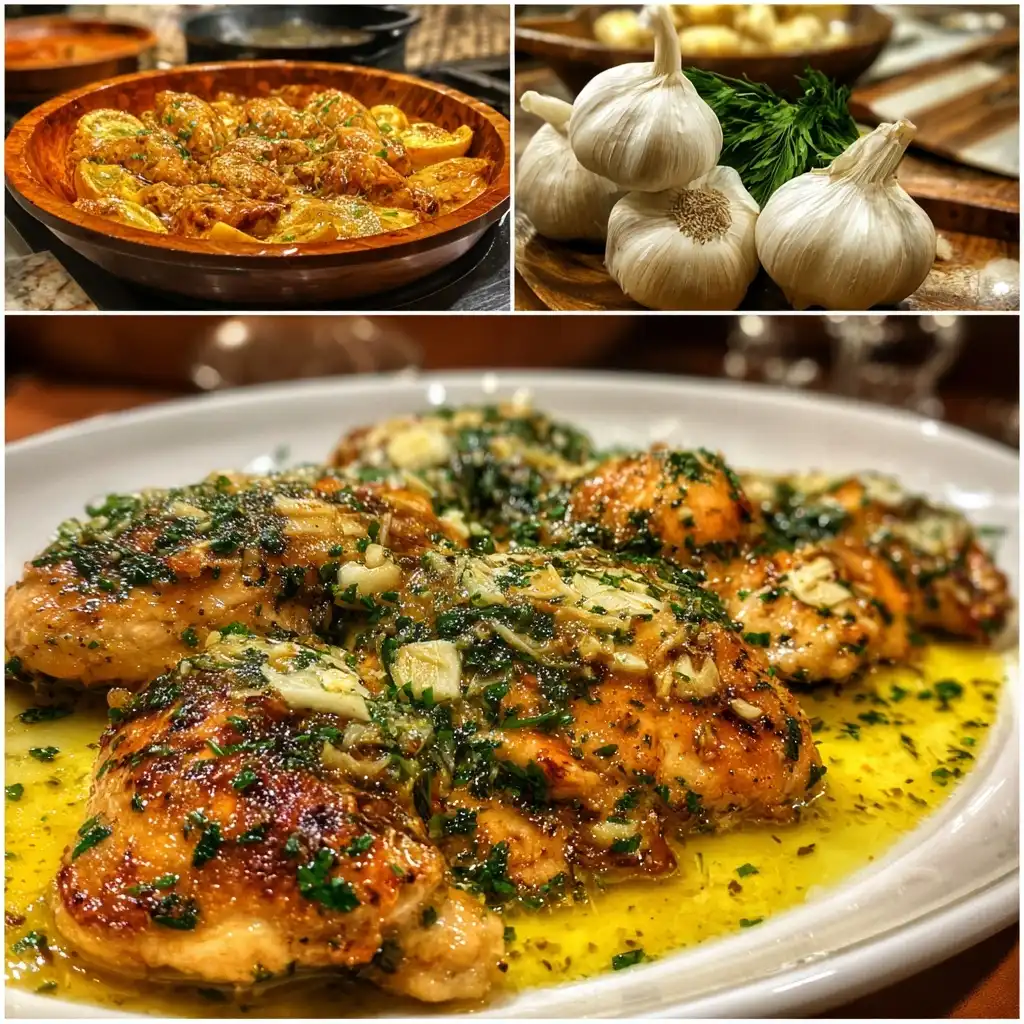
Garlic Butter Chicken Classic is a timeless, restaurant-worthy dish that brings comfort, elegance, and bold flavor to any dinner table—without requiring gourmet skills or hours in the kitchen. With its golden-brown seared chicken breasts nestled in a rich, aromatic sauce of melted butter, fresh garlic, herbs, and a hint of lemon, this dish strikes the perfect balance between rustic simplicity and refined taste. Whether served over fluffy mashed potatoes, creamy polenta, steamed jasmine rice, or tossed with al dente pasta, Garlic Butter Chicken Classic delivers deep umami, savory-sweet richness, and a lingering garlicky warmth that lingers in the best possible way. It’s the kind of meal that transforms weeknight dinners into cherished moments—inviting conversation, evoking nostalgia, and satisfying even the most discerning palates.
The History
While no single origin story defines Garlic Butter Chicken Classic, its roots are deeply embedded in centuries-old culinary traditions across Europe and the Mediterranean. Butter-based pan sauces date back to 17th-century French haute cuisine, where chefs perfected the art of fond—the caramelized bits left behind after searing meat—and deglazed them with wine, stock, or dairy to create luxurious, velvety finishes. Garlic, long revered for both its medicinal properties and pungent depth, was widely used across Southern European, Middle Eastern, and North African kitchens; in Italy, aglio e olio (garlic and oil) formed the soul of countless peasant dishes. The marriage of these two pillars—butter and garlic—gained mainstream popularity in mid-20th-century American home cooking, buoyed by post-war access to refrigerated butter, improved garlic cultivation in California, and the rise of “continental” recipes in women’s magazines like Bon Appétit and Good Housekeeping. By the 1970s and ’80s, Garlic Butter Chicken appeared regularly on diner menus, supper club buffets, and frozen dinner trays—though the homemade version remained superior in aroma, texture, and authenticity. Today, it endures as a global pantry staple: adapted in Korean kitchens with gochujang and sesame, reimagined in Indian homes with ghee and turmeric, and elevated in Michelin-starred restaurants using browned butter, aged balsamic, and micro herbs—all testaments to its remarkable versatility and enduring appeal.
Ingredients Breakdown
Every exceptional Garlic Butter Chicken Classic begins with intentionality—not just in measurement, but in selection and understanding. Below is a meticulous breakdown of each core ingredient, including why it matters, what to look for, and common pitfalls to avoid:
- Chicken Breasts (boneless, skinless): Opt for air-chilled, organic, or pasture-raised breasts when possible—they retain moisture better and carry richer flavor. Look for even thickness (about ¾ inch) to ensure uniform cooking; if uneven, gently pound between parchment paper to ½–⅝ inch. Avoid pre-brined or “enhanced” chicken labeled with sodium solutions, which can make the meat rubbery and oversalted.
- Unsalted Butter: The cornerstone of the sauce. Unsalted allows precise control over sodium levels and prevents accidental over-salting. European-style cultured butter (82–86% fat) yields superior mouthfeel and nuttier flavor when browned—but standard sweet cream butter works beautifully too. Never substitute margarine or spreads; their water and stabilizer content will break the sauce and mute richness.
- Fresh Garlic: Non-negotiable. Pre-minced jarred garlic lacks volatile aromatic compounds and often contains preservatives that impart bitterness. Use 4–6 plump, firm cloves—peeled and finely minced (not pressed), as pressing releases harsh sulfur compounds. For deeper complexity, reserve 1–2 cloves to slice thinly and sauté separately until golden before adding minced garlic.
- Dry White Wine (optional but recommended): A splash (¼ cup) of high-acid, unoaked wine—such as Sauvignon Blanc, Pinot Grigio, or dry Vermouth—adds brightness and cuts through butter’s richness. Avoid “cooking wine” (loaded with salt and preservatives) or sweet wines, which cause cloying imbalance. Substitute with low-sodium chicken broth + 1 tsp lemon juice if avoiding alcohol.
- Chicken Stock (low-sodium): Adds savory depth (umami) and body without overwhelming salt. Homemade stock is ideal; otherwise, choose a reputable low-sodium brand (like Swanson or Kitchen Basics) and reduce by half to concentrate flavor. Never use bouillon cubes unless dissolved in extra water and strained—they often contain MSG and gritty sediment.
- Fresh Herbs: Flat-leaf parsley is traditional for its clean, grassy finish—but tarragon adds anise-like sophistication, thyme lends earthy warmth, and chives contribute delicate onion sweetness. Always add herbs at the very end to preserve volatile oils and vibrant color.
- Lemon Juice & Zest: Freshly squeezed juice (½ lemon) provides essential acidity to lift the sauce and balance fat, while a pinch of zest introduces bright, citrusy top notes. Bottled juice lacks nuance and oxidizes quickly—never substitute.
- Heavy Cream (optional enrichment): A tablespoon stirred in at the end creates silkiness and rounds out sharp edges—especially helpful if your butter browns deeply or your stock is lean. Skip if dairy-free; replace with full-fat coconut milk (unsweetened) for lush texture and subtle sweetness.
- Seasonings: Fine sea salt and freshly ground black pepper are foundational. A tiny pinch of red pepper flakes (¼ tsp) adds gentle heat without distraction. Avoid garlic powder or onion powder here—they’re redundant and lack freshness.
Step-by-Step Recipe
Follow this proven, chef-tested method for foolproof results—each step designed to maximize browning, build layered flavor, and prevent common failures like soggy chicken or broken sauce:
- Prep & Season: Pat chicken breasts *extremely* dry with paper towels—moisture is the enemy of crust. Place on a cutting board and gently pound to even ½-inch thickness using a meat mallet or heavy skillet. Season *both sides* generously with salt and pepper (about ½ tsp salt per breast). Let rest 10 minutes at room temperature—this ensures even cooking and prevents gray, tight meat.
- Heat the Pan: Use a heavy-bottomed stainless steel or cast-iron skillet (nonstick works but won’t yield as much fond). Heat over medium-high until shimmering hot—test with a drop of water; it should skitter and evaporate instantly. Add 1 tbsp neutral oil (avocado, grapeseed, or light olive oil).
- Sear the Chicken: Carefully place chicken in the pan without crowding (work in batches if needed). Press gently with a spatula for 3 seconds to ensure full contact. Do *not move* for 5–6 minutes until a deep golden crust forms. Flip and cook another 4–5 minutes until internal temperature reaches 155°F (68°C) at the thickest part. Transfer to a clean plate, tent loosely with foil, and rest 5 minutes—carryover cooking will bring it to safe 165°F while retaining juices.
- Build the Fond: Reduce heat to medium. In the same skillet, add 1 tbsp butter and swirl until melted. Add sliced garlic (from 1–2 cloves) and cook 30 seconds until fragrant and pale gold—do not brown. Immediately add minced garlic and stir 15 seconds until aromatic but still pale.
- Deglaze: Pour in white wine (or broth-lemon mix), scraping vigorously with a wooden spoon to lift every bit of browned fond from the pan bottom. Simmer 1–2 minutes until reduced by half and alcohol smell dissipates.
- Enrich the Sauce: Whisk in remaining 3–4 tbsp cold butter, one piece at a time, letting each fully emulsify before adding the next. This creates a glossy, stable, velvety sauce—not greasy or separated. If sauce threatens to break, remove from heat and whisk in 1 tsp cold water or cream.
- Finish & Combine: Stir in lemon juice, zest, herbs, and a pinch of red pepper flakes. Taste and adjust: more salt? A drop more lemon? Now return rested chicken to the pan, spooning sauce over each piece. Warm gently for 1 minute—do not boil, or butter may separate. Garnish with extra parsley and lemon wedges.
Tips
- Temperature Control Is Key: Butter burns at 350°F—but garlic cooks at 300°F. That’s why we add garlic *after* the pan cools slightly and use cold butter at the end. Never add raw garlic to hot butter and walk away.
- The “Cold Butter Trick”: Chilling butter before whisking into the sauce ensures gradual melting and proper emulsification. Cut into small cubes and keep refrigerated until ready to use.
- Resting Is Non-Negotiable: Skipping the 5-minute rest leads to up to 30% juice loss when slicing. Cover loosely—tight wrapping causes steaming and softens the crust.
- Avoid Overcrowding: Crowded pans steam instead of sear. If making multiple servings, use two skillets or cook in timed batches—clean the pan between batches only if fond becomes overly dark/blackened.
- Sauce Consistency Rescue: Too thin? Simmer 30 seconds longer. Too thick? Whisk in warm broth, 1 tsp at a time. Broken? Remove from heat, add 1 tsp Dijon mustard or cold cream, and whisk vigorously—it’ll re-emulsify.
- Golden Crust Hack: For extra-crispy skinless chicken, dredge lightly in Wondra flour (a low-protein, instant-dissolving flour) before seasoning—it creates a delicate, shatteringly crisp layer without heaviness.
- Make-Ahead Friendly: Cook chicken up to 2 days ahead and chill covered. Reheat gently in sauce (not microwave) to preserve texture. Sauce base (fond + wine reduction) can be made 3 days ahead and refrigerated—just whisk in butter and lemon fresh.
- Pan Choice Matters: Stainless steel gives best fond; cast iron holds heat evenly; nonstick is fine for beginners but limits browning potential. Avoid aluminum—it reacts with acid and imparts metallic taste.
Variations and Customizations
This recipe is a canvas—not a cage. Explore these globally inspired adaptations, all tested for harmony and ease:
- Lemon-Herb Mediterranean: Add 2 tbsp capers and ½ cup halved cherry tomatoes in the last minute of sauce simmering. Finish with crumbled feta and kalamata olives.
- Herbes de Provence: Infuse melted butter with 1 tsp dried herbes de Provence before adding garlic. Stir in 1 tbsp tomato paste with the wine for subtle sweetness and depth.
- Ginger-Soy Umami Boost: Replace wine with 2 tbsp dry sherry + 1 tbsp low-sodium tamari. Add 1 tsp grated fresh ginger with the garlic and finish with toasted sesame oil and scallions.
- Spicy Calabrian: Sauté 1 tbsp chopped Calabrian chiles with the garlic. Stir in 1 tsp honey and 1 tbsp red wine vinegar at the end for sweet-heat balance.
- Dairy-Free / Vegan Version: Use vegan butter (Miyoko’s or Earth Balance) and full-fat coconut milk instead of cream. Replace chicken with extra-firm marinated tofu or seitan cutlets—pan-sear until deeply caramelized.
- One-Pan Sheet Bake: Arrange seasoned chicken on a parchment-lined sheet pan. Scatter minced garlic, lemon slices, and herb sprigs around it. Roast at 425°F for 20–22 minutes. Whisk together melted butter, lemon juice, and herbs; pour over hot chicken and broil 1 minute for gloss.
- Creamy Mushroom: After removing chicken, sauté 8 oz sliced cremini mushrooms in the same pan until deeply browned. Proceed with garlic and deglazing—mushrooms add meaty texture and glutamate-rich savoriness.
- Smoky Paprika: Rub chicken with 1 tsp smoked paprika before searing. Finish sauce with a dusting of the same—and a dollop of sour cream swirled in at the end.
Health Considerations and Nutritional Value
A single 6-ounce serving of Garlic Butter Chicken Classic (made with 4 tbsp butter, no cream, and ½ lemon) provides approximately:
- Calories: ~480 kcal
- Protein: 42g (excellent complete protein source—supports muscle repair, satiety, and metabolic health)
- Fat: 32g (of which ~18g saturated—primarily from butter; balanced by monounsaturated fats from olive oil used in searing)
- Carbohydrates: 2g (naturally low-carb and keto-friendly)
- Vitamin B6 & B12: High—critical for nerve function, red blood cell formation, and energy metabolism
- Selenium: ~45 mcg (over 80% DV)—a potent antioxidant supporting thyroid health and DNA repair
- Allicin (from raw garlic): Though heat degrades some allicin, cooked garlic retains beneficial organosulfur compounds linked to cardiovascular support and anti-inflammatory activity
Dietary Adaptations:
- Lower-Calorie Option: Use 2 tbsp butter + 2 tbsp low-sodium chicken broth + 1 tbsp nutritional yeast for “buttery” depth and umami. Total calories drop to ~340 with minimal flavor sacrifice.
- Heart-Healthy Swap: Replace half the butter with heart-smart avocado oil and finish with flaxseed oil (added off-heat) for omega-3s.
- Low-FODMAP: Use garlic-infused oil (garlic solids removed) instead of fresh garlic, and limit lemon juice to 1 tsp per serving. Certified low-FODMAP chicken broth is essential.
- Gluten-Free: Naturally GF—just verify broth and wine labels for hidden gluten (some wines use gluten-based fining agents; most major brands are safe).
- Diabetic-Friendly: Low glycemic index, high protein/fat ratio promotes steady blood sugar. Pair with non-starchy vegetables (asparagus, zucchini ribbons, roasted broccoli) instead of rice or potatoes.
Note: While butter has been unfairly vilified, modern research shows moderate intake—as part of a whole-food, plant-rich diet—does not increase heart disease risk for most people. Focus on quality (grass-fed butter), portion awareness, and overall dietary pattern—not isolated nutrients.
Ingredients
- 2 large boneless, skinless chicken breasts (about 1 lb / 450g), pounded to ½-inch thickness
- 1 tsp fine sea salt (plus more to taste)
- 1 tsp freshly ground black pepper
- 1 tbsp neutral high-heat oil (avocado, grapeseed, or light olive oil)
- 5 tbsp unsalted butter, divided (4 tbsp cold, cubed; 1 tbsp for sautéing)
- 4–6 large garlic cloves, peeled
- ¼ cup dry white wine (Sauvignon Blanc or Pinot Grigio) — or substitute ¼ cup low-sodium chicken broth + 1 tsp lemon juice
- ½ cup low-sodium chicken stock
- Zest and juice of 1 medium lemon (about 1 tbsp juice)
- ¼ cup fresh flat-leaf parsley, finely chopped
- ¼ tsp red pepper flakes (optional)
- Lemon wedges, for serving
Directions
- Pat chicken breasts completely dry with paper towels. Place between two sheets of parchment paper and gently pound to an even ½-inch thickness using a meat mallet or heavy-bottomed skillet. Season both sides generously with salt and pepper. Let sit at room temperature for 10 minutes.
- Heat a 12-inch stainless steel or cast-iron skillet over medium-high heat until shimmering. Add oil and swirl to coat. Once oil shimmers (not smoking), carefully place chicken in pan without overcrowding. Press down gently for 3 seconds. Cook undisturbed for 5–6 minutes until deeply golden and easily releases from pan. Flip and cook another 4–5 minutes until internal temperature reaches 155°F (68°C) at thickest part. Transfer to a clean plate, tent loosely with foil, and rest 5 minutes.
- Reduce heat to medium. Add 1 tbsp butter to same skillet and swirl until melted. Add 2 thinly sliced garlic cloves and cook 30 seconds until pale gold. Add remaining minced garlic and stir 15 seconds until fragrant but not browned.
- Pour in wine (or broth-lemon mixture), scraping vigorously with a wooden spoon to lift all browned bits (fond). Simmer 1–2 minutes until reduced by half and alcohol aroma disappears.
- Whisk in chicken stock and simmer 1 minute. Reduce heat to low. One at a time, whisk in cold butter cubes, allowing each to melt and emulsify fully before adding the next. Sauce should be glossy and thick enough to coat the back of a spoon.
- Remove from heat. Stir in lemon juice, lemon zest, parsley, and red pepper flakes (if using). Taste and adjust seasoning—add salt only if needed, as chicken and broth contribute sodium.
- Return rested chicken to skillet, spooning sauce over each piece. Gently warm for 60 seconds—do not boil. Serve immediately, garnished with extra parsley and lemon wedges. Optional: drizzle with additional high-quality olive oil just before serving.
FAQ
- Can I use chicken thighs instead of breasts?
- Absolutely—and many chefs prefer them! Boneless, skinless thighs are more forgiving, richer in flavor, and stay juicier. Adjust sear time to 6–7 minutes per side, aiming for 175°F (80°C) internal temp. They also absorb sauce beautifully due to higher fat content.
- Why does my garlic butter sauce break or look greasy?
- Sauce breaks when butter is added too quickly, at too high heat, or if liquid is too cold. Always use cold butter, low heat, and whisk constantly. If it separates, remove from heat, add 1 tsp cold water or cream, and whisk vigorously—the emulsion will reform.
- Can I make this ahead and reheat?
- Yes—with caveats. Cook chicken and store separately from sauce (refrigerate up to 3 days). Reheat chicken gently in oven or skillet; prepare fresh sauce (or reheat base, then whisk in cold butter at end). Never reheat finished sauce with butter multiple times—it will separate.
- Is there a way to make it crispy like restaurant versions?
- For extra crunch: lightly dredge pounded chicken in Wondra flour before seasoning—or finish under the broiler for 1–2 minutes after saucing. You can also shallow-fry in ¼ inch oil for ultimate crispness (drain on wire rack before saucing).
- What sides pair best with Garlic Butter Chicken Classic?
- Classic pairings include creamy mashed potatoes (soak up sauce), buttered egg noodles, risotto Milanese, or orzo pilaf. For lighter options: roasted asparagus, lemon-dill quinoa, garlic sautéed spinach, or a crisp arugula salad with shaved Parmesan and lemon vinaigrette.
- Can I freeze Garlic Butter Chicken?
- Freeze *unsauced* cooked chicken for up to 3 months. Thaw overnight in fridge, then reheat in fresh garlic butter sauce—freezing the finished dish causes butter to separate and herbs to discolor.
- My garlic tastes bitter—what went wrong?
- Bitterness comes from burning garlic. Always add minced garlic *after* the pan cools slightly, and never let it sizzle longer than 20–30 seconds over medium-low heat. Using garlic press (which ruptures cells excessively) or old, sprouted garlic also contributes bitterness.
- Can I double this recipe?
- Yes—but use two skillets or cook chicken in batches. Doubling the sauce ingredients in one pan risks overcrowding, lower temperature, and poor fond development. Better to scale sauce separately and combine at the end.
Summary
Garlic Butter Chicken Classic is a masterclass in minimalist luxury—where just a handful of premium, thoughtfully selected ingredients transform through precise technique into something profoundly comforting and deeply flavorful. Its brilliance lies not in complexity, but in reverence for fundamentals: the Maillard reaction on chicken, the aromatic bloom of fresh garlic, the silky emulsion of cold butter meeting warm pan sauce, and the bright punctuation of lemon and herbs.
Whether you’re reviving a childhood memory, impressing guests with effortless elegance, or simply craving a nourishing, soul-warming meal in under 30 minutes, this dish delivers—with grace, consistency, and endless room for personal expression across cuisines, diets, and occasions.