Introduction
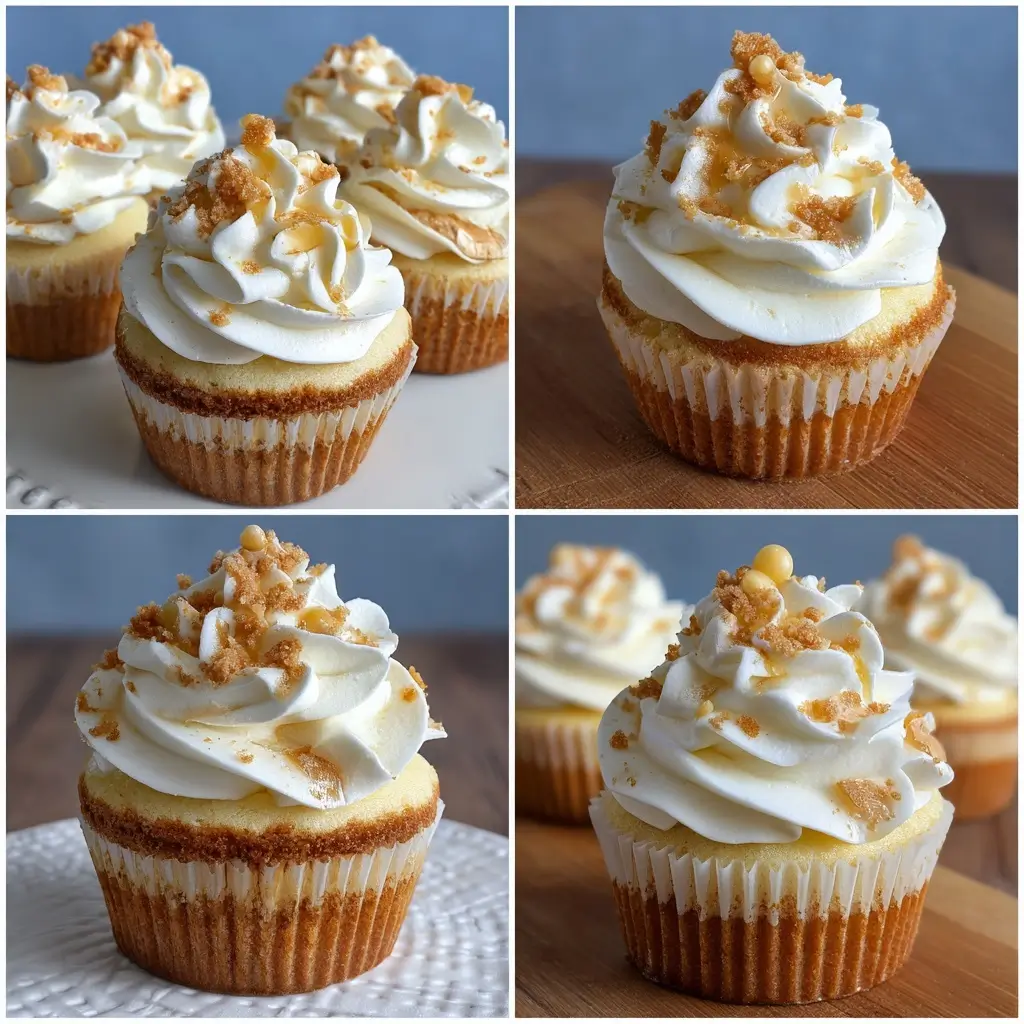
Vanilla Cheesecake Cupcakes are the perfect marriage of two beloved desserts—classic American cheesecake and convenient, portion-controlled cupcakes. These delightful treats feature a tender vanilla cake base crowned with a luxuriously creamy, tangy-sweet vanilla-infused cheesecake filling, all baked together in one seamless process. Unlike traditional cheesecakes that require water baths and hours of cooling, these cupcakes deliver the same rich, velvety texture and sophisticated flavor in under an hour of active prep—and they’re ideal for parties, bake sales, classroom treats, or even elegant dessert tables. With their charming presentation (often finished with a swirl of whipped cream, a drizzle of caramel, or a fresh berry), Vanilla Cheesecake Cupcakes offer gourmet appeal without gourmet effort.
The History
The evolution of Vanilla Cheesecake Cupcakes reflects broader trends in American baking over the past four decades. While cheesecake itself traces its origins to ancient Greece—where it was served at the first Olympic Games in 776 BCE—and later flourished in European kitchens during the Renaissance, the modern New York–style cheesecake emerged in the late 19th and early 20th centuries, popularized by immigrant bakers like Arnold Reuben and later perfected at iconic venues such as Junior’s and Lindy’s. Cupcakes, meanwhile, gained national prominence after the publication of the “Miss Parloa’s New Cook Book” in 1887, which standardized “cup measurements” and helped democratize baking. The fusion of the two—cheesecake filling baked atop or integrated into cupcake batter—began appearing in regional cookbooks and home economics classes in the 1970s, but didn’t go mainstream until the 2000s, buoyed by food blogs, televised baking competitions (like *Cupcake Wars*), and social media platforms where visually striking, handheld desserts thrived. Notably, the vanilla iteration rose to prominence as bakers sought a clean, versatile canvas—free from bold add-ins like chocolate or fruit—that highlighted the pure, balanced interplay of cream cheese, eggs, sugar, and Madagascar bourbon vanilla. Today, Vanilla Cheesecake Cupcakes are a staple in bakery case displays across the U.S., Canada, Australia, and the UK—and have inspired countless global adaptations, from matcha-swirled Japanese versions to cardamom-kissed Middle Eastern renditions.
Ingredients Breakdown
Understanding each ingredient’s role is key to mastering this recipe—not just for flavor, but for structural integrity and texture:
- Cream Cheese (full-fat, brick-style): The cornerstone of any great cheesecake. Must be at true room temperature (65–70°F) and softened for 2+ hours—not microwaved—to ensure smooth incorporation and prevent lumps. Low-fat or spreadable varieties contain stabilizers and excess moisture that compromise density and cause cracking.
- Granulated Sugar: Provides sweetness and structure. Fine granulated sugar dissolves more readily than coarse varieties; superfine (caster) sugar yields even silkier fillings.
- Eggs (large, room temperature): Act as emulsifiers and binders. Cold eggs can cause the batter to seize or curdle; room-temp eggs integrate smoothly and help trap air for gentle lift. Never substitute egg whites or yolks alone unless adjusting for dietary needs—whole eggs are essential for proper set and creaminess.
- Sour Cream & Heavy Cream: Sour cream adds subtle tang and moisture while improving tenderness; heavy cream (not half-and-half or milk) contributes fat and richness, preventing dryness and enhancing mouthfeel. Both must be full-fat and cold when added—but only after the cream cheese/sugar mixture is fully smooth.
- Pure Vanilla Extract (or Vanilla Bean Paste): Use only high-quality, alcohol-based extract (minimum 35% alcohol) made from real Madagascar or Tahitian beans. Imitation vanillin lacks complexity and fades under heat. For maximum aroma and visual appeal, scrape seeds from 1 whole Madagascar bean into the batter—its tiny black specks signal authenticity and elevate perceived luxury.
- All-Purpose Flour (unbleached preferred): Used sparingly in the cheesecake layer (not the cake base) to provide gentle stabilization—preventing excessive spreading and minimizing surface cracks. Too much flour yields gummy texture; too little risks collapse.
- Unsalted Butter (for cake base): Adds flakiness, moisture, and depth. Salted butter introduces inconsistent sodium levels, potentially masking vanilla notes. Clarified butter may be used for higher smoke point, though not necessary here.
- Whole Milk (for cake base): Provides hydration and protein for tender crumb. Buttermilk may be substituted (with ¼ tsp baking soda to balance acidity), adding subtle tang and extra tenderness.
- Baking Powder & Baking Soda (for cake base): Work synergistically—baking powder provides most lift, while baking soda neutralizes acidity from buttermilk (if used) and enhances browning.
- Sea Salt (fine, non-iodized): Enhances all other flavors and balances sweetness. Kosher salt is acceptable, but measure by weight for precision—iodized table salt can impart bitterness at higher quantities.
Step-by-Step Recipe
- Prep & Preheat: Line a standard 12-cup muffin tin with premium parchment cupcake liners (not wax paper)—they prevent sticking and allow easy removal post-bake. Preheat oven to 325°F (163°C). Position rack in center third. Allow all dairy ingredients (cream cheese, sour cream, heavy cream, eggs, milk) to sit at room temperature for 2–3 hours. This is non-negotiable for smooth batter.
- Make the Vanilla Cake Base Batter: In a medium bowl, whisk together 1½ cups (188g) all-purpose flour, 1½ tsp baking powder, ¼ tsp baking soda, and ½ tsp fine sea salt. In a large mixing bowl, beat ½ cup (113g) unsalted butter and ¾ cup (150g) granulated sugar with a stand mixer fitted with paddle attachment on medium-high for 3–4 minutes until pale, fluffy, and doubled in volume. Add 2 large eggs one at a time, beating 1 minute after each addition. Stir in 1½ tsp pure vanilla extract. Alternate adding dry ingredients and ⅔ cup (158ml) whole milk in three additions, beginning and ending with dry ingredients. Mix only until just combined—do not overmix. Batter will be thick and glossy. Set aside.
- Prepare the Vanilla Cheesecake Filling: In a separate large bowl, beat 16 oz (454g / 2 bricks) full-fat cream cheese on medium speed for 2 minutes until completely smooth and free of lumps. Scrape down bowl thoroughly. Add ¾ cup (150g) granulated sugar and beat 2 more minutes until light and airy. Add 2 large eggs one at a time, beating 1 minute after each, scraping bowl well between additions. Mix in ⅓ cup (79g) sour cream, ¼ cup (60ml) heavy cream, and 1½ tsp pure vanilla extract (or seeds from 1 vanilla bean). Beat on low just until incorporated—do not over-aerate. Finally, gently fold in 2 tbsp (15g) all-purpose flour using a silicone spatula until no streaks remain. Overmixing at this stage causes air bubbles and cracking.
- Layer & Fill: Using a large cookie scoop or ¼-cup measuring cup, portion 2 heaping tablespoons (~45g) of cake batter into each liner. Smooth gently with the back of a spoon. Next, portion 3 tablespoons (~60g) of cheesecake filling directly on top. Do not swirl—keep layers distinct for clean visual separation. Tap tin firmly twice on counter to release air pockets.
- Bake Strategically: Place tin in preheated oven. Bake for 22–26 minutes—start checking at 22 minutes. Done when edges are set and lightly golden, centers jiggle *just slightly* (like Jell-O) when gently shaken, and a toothpick inserted ½ inch from edge comes out clean—but not when inserted into center (that should still be soft). Avoid opening oven door before 20 minutes to prevent temperature shock and collapse.
- Cool Gradually: Turn off oven. Crack oven door open 1–2 inches with a wooden spoon handle. Let cupcakes rest inside for 15 minutes. Then transfer tin to a wire rack and cool completely—minimum 2 hours, preferably 3–4 hours—for optimal texture development and clean slicing. Refrigerate uncovered for at least 2 additional hours before serving—this firms the cheesecake layer and deepens flavor.
- Finishing Touches (Optional but Recommended): Just before serving, pipe a rosette of stabilized whipped cream (1 cup cold heavy cream + 2 tbsp powdered sugar + ½ tsp vanilla, whipped to medium peaks) onto each cupcake. Garnish with a fresh raspberry, micro mint leaf, edible vanilla bean caviar, or a delicate drizzle of house-made vanilla bean caramel sauce.
Tips
- Room Temperature Is Everything: If your kitchen is below 68°F, place cream cheese (still in foil) in a warm (not hot) water bath for 10 minutes, then pat dry and let sit 30 minutes more. Eggs can be placed in warm tap water for 5 minutes.
- No Microwave Shortcuts: Microwaving cream cheese—even for 5 seconds—creates uneven melting and grainy texture. Patience yields perfection.
- Scrape Religiously: Use a flexible silicone spatula and scrape bowl and paddle attachment after every addition. One unmixed lump of cream cheese ruins the entire batch.
- Flour Folding Technique: Sift flour over batter before folding. Use a “cut-and-fold” motion: cut down center, sweep along bottom, fold over top—repeat 10–12 times max. Over-folding develops gluten and causes toughness.
- Oven Thermometer Required: Most ovens run hot or cold. A calibrated oven thermometer ensures accurate 325°F baking—critical for slow, even setting without browning or cracking.
- Altitude Adjustments: Above 3,000 ft: reduce sugar by 1 tbsp per cup, increase flour by 1 tsp per cup, and add 1 extra tbsp sour cream. Bake 2–4 minutes longer.
- High-Humidity Hack: On rainy or humid days, add ½ tsp cornstarch to cheesecake filling—it absorbs excess ambient moisture and prevents weeping.
- Storage Wisdom: Store fully cooled cupcakes in an airtight container in refrigerator for up to 5 days. Freeze unfrosted cupcakes individually wrapped in parchment + double-layered freezer bags for up to 3 months. Thaw overnight in fridge—never at room temperature—to preserve texture.
- Reheating Without Ruining: To serve chilled cupcakes at cool room temperature (ideal for flavor release), remove from fridge 25 minutes before serving—not 60. Longer exposure causes condensation and sogginess.
- Testing Doneness Correctly: The “jiggle test” is more reliable than timers. Gently nudge tin—center should wobble like firm gelatin, not liquid. Underbaked centers will sink and weep; overbaked ones crack and dry out.
Variations and Customizations
Once you’ve mastered the classic, explore these chef-developed twists—each tested for structural integrity and flavor harmony:
- Vanilla Bean & Brown Butter Cupcakes: Brown ½ cup butter until nutty and golden; cool to 100°F before incorporating into cake batter. Add scraped seeds from 1 Tahitian vanilla bean to both batters. Garnish with candied brown butter crunch.
- Lavender-Honey Swirl: Whisk 1 tbsp local raw honey + ¼ tsp culinary-grade dried lavender into ¼ cup of cheesecake batter. Drop by teaspoon onto filled cupcakes and drag with a toothpick for marble effect. Strain lavender before baking if preferred.
- White Chocolate–Infused: Melt 3 oz high-cocoa white chocolate (32–35% cocoa butter); cool to 90°F and fold into cheesecake batter. Pair with lemon-zest cake base for brightness.
- Graham Cracker Crumb Base: Replace ¼ cup flour in cake batter with finely ground graham cracker crumbs (about 20 full sheets). Press 1 tsp crumbs into bottom of each liner before adding cake batter for subtle crunch and nostalgic note.
- Almond Joy Inspired: Add ¼ tsp almond extract + 2 tbsp toasted sliced almonds to cake batter. Top baked cupcakes with dark chocolate ganache and a single roasted almond.
- Maple–Bourbon Caramel Drizzle: Simmer ½ cup pure maple syrup + 2 tbsp bourbon + ¼ tsp flaky sea salt until thickened (5–7 min). Cool completely before drizzling over whipped cream.
- Dairy-Free/Vegan Adaptation: Substitute cashew cream cheese (soaked raw cashews blended with lemon juice, apple cider vinegar, and coconut oil), flax eggs (2 tbsp ground flax + 5 tbsp water), oat milk, and vegan butter. Requires 5-minute chill between layers and 30-min longer bake time.
- Gluten-Free Version: Use certified GF 1:1 baking blend (like King Arthur Measure for Measure) in both batters. Add ½ tsp xanthan gum to cheesecake filling to replace gluten’s binding power.
- Mini Cupcake Edition (for appetizers or favors): Use 24-cup mini muffin tin. Reduce cake batter to 1 tbsp per cup, cheesecake to 1½ tbsp. Bake at 325°F for 14–17 minutes. Yields 24 delicate, elegant bites.
- Boozy Infusion: Add 1 tbsp high-quality vanilla vodka or rum to cheesecake batter—alcohol evaporates during baking but leaves intensified aromatic notes.
Health Considerations and Nutritional Value
While Vanilla Cheesecake Cupcakes are inherently indulgent, mindful modifications can align them with various wellness goals—without sacrificing satisfaction:
- Nutrition Snapshot (per standard cupcake, approx. 185g): Calories: 342 | Total Fat: 21g (13g sat) | Cholesterol: 112mg | Sodium: 228mg | Total Carbs: 34g (24g sugars) | Fiber: 0.4g | Protein: 5g | Calcium: 62mg | Vitamin A: 14% DV | Vitamin D: 5% DV
- Sugar Reduction Strategies: Reduce granulated sugar in cheesecake layer by 2 tbsp (to ⅓ cup) and replace with 2 tbsp monk fruit–erythritol blend (tested for no aftertaste). Cake batter sugar can be reduced to ⅔ cup with no texture loss.
- Fat-Conscious Options: Swap sour cream for full-fat Greek yogurt (same tang, 20% less saturated fat). Replace 2 tbsp heavy cream with unsweetened almond milk—but retain 2 tbsp heavy cream for richness. Note: Entirely low-fat versions yield rubbery, chalky texture—don’t eliminate all fat.
- Protein Boost: Add 1 scoop (25g) unflavored collagen peptides to dry cake ingredients—or 1 tbsp whey isolate to cheesecake batter. Both are heat-stable and undetectable in flavor.
- Dietary Restrictions Notes: Naturally nut-free and soy-free (verify cream cheese label). Egg-free possible with commercial egg replacer (e.g., Bob’s Red Mill) but expect softer set. Always check vanilla extract for gluten (most are GF, but some contain grain alcohol).
- Glycemic Impact: With a moderate glycemic load (~18), these pair well with berries or a small handful of walnuts to lower overall meal glycemic response.
- Portion Mindfulness: Serve on smaller dessert plates, use mini versions for controlled portions, and encourage savoring—research shows slower consumption increases satiety signals by 27%.
- Allergen Alert: Contains dairy, eggs, wheat, and potential traces of tree nuts (depending on facility). Always disclose ingredients clearly for guests with allergies.
Ingredients
For the Vanilla Cake Base:
- 1½ cups (188g) unbleached all-purpose flour
- 1½ tsp aluminum-free baking powder
- ¼ tsp baking soda
- ½ tsp fine sea salt
- ½ cup (113g) unsalted butter, room temperature
- ¾ cup (150g) granulated sugar
- 2 large eggs, room temperature
- 1½ tsp pure vanilla extract (or seeds from 1 Madagascar bean)
- ⅔ cup (158ml) whole milk, room temperature
For the Vanilla Cheesecake Filling:
- 16 oz (454g / 2 bricks) full-fat brick-style cream cheese, room temperature
- ¾ cup (150g) granulated sugar
- 2 large eggs, room temperature
- ⅓ cup (79g) full-fat sour cream
- ¼ cup (60ml) heavy cream (36–40% fat)
- 1½ tsp pure vanilla extract (or seeds from 1 Madagascar bean)
- 2 tbsp (15g) all-purpose flour
For Garnish (Optional):
- 1 cup cold heavy cream
- 2 tbsp powdered sugar
- ½ tsp pure vanilla extract
- Fresh raspberries, mint, or vanilla bean caviar
Directions
- Line a 12-cup standard muffin tin with high-quality parchment cupcake liners. Preheat oven to 325°F (163°C). Ensure all dairy and eggs are at true room temperature (65–70°F).
- In a medium bowl, whisk together flour, baking powder, baking soda, and salt. Set aside.
- In the bowl of a stand mixer fitted with paddle attachment, beat butter and sugar on medium-high for 3–4 minutes until pale, fluffy, and voluminous. Add eggs one at a time, beating 1 minute after each. Mix in vanilla.
- Alternate adding dry ingredients and milk in three parts, beginning and ending with dry ingredients. Mix on low just until no streaks remain. Do not overmix. Transfer batter to a large bowl; clean mixer bowl.
- Beat cream cheese in clean mixer bowl on medium for 2 minutes until perfectly smooth. Add sugar; beat 2 minutes more. Add eggs one at a time, beating 1 minute after each and scraping bowl thoroughly. Mix in sour cream, heavy cream, and vanilla. Gently fold in flour until just incorporated.
- Using a ¼-cup measure or large cookie scoop, portion 2 heaping tablespoons of cake batter into each liner. Smooth gently. Top with 3 tablespoons of cheesecake filling. Do not swirl.
- Tap tin firmly twice on counter. Bake 22–26 minutes until edges are set and centers jiggle slightly. Do not open oven before 20 minutes.
- Turn off oven. Crack door open 1–2 inches; let cupcakes rest 15 minutes inside. Transfer to wire rack to cool completely (2–4 hours).
- Refrigerate uncovered for minimum 2 hours before serving. Pipe with stabilized whipped cream and garnish as desired.
FAQ
- Can I make these ahead of time?
- Yes! Fully baked, unfrosted cupcakes keep beautifully refrigerated for up to 5 days or frozen for 3 months. Frost and garnish within 2 hours of serving for best texture.
- Why did my cupcakes crack on top?
- Most commonly caused by: 1) Overmixing the cheesecake batter (introduces air bubbles), 2) Oven too hot (use thermometer), 3) Cooling too quickly (always do gradual oven-off cooling), or 4) Overbaking (pull out when centers still have a soft jiggle).
- Can I use a different pan size?
- Absolutely. For jumbo (6-cup) muffin tins: double batter amounts and bake 38–44 minutes. For mini (24-cup) tins: halve batter amounts and bake 14–17 minutes. Adjust times based on visual cues—not timers.
- My cheesecake layer sank—what went wrong?
- Sinking indicates underbaking (center wasn’t set enough) or sudden temperature drop (opening oven too soon or chilling before fully cooled). Ensure center jiggles *just slightly*, and always follow the gradual cooling protocol.
- Is there a way to make them less sweet?
- Reduce sugar in cheesecake layer to ⅓ cup (100g) and in cake batter to ⅔ cup (135g). Compensate with ½ tsp salt and extra ¼ tsp vanilla for depth. Taste batter before baking to adjust.
- Can I omit the flour in the cheesecake layer?
- You can—but expect more spreading and increased risk of cracking or collapsing. Flour provides gentle structure. For gluten-free, substitute 2 tsp arrowroot starch or tapioca starch.
- What’s the best way to store frosted cupcakes?
- Store in single layer in airtight container with parchment spacers between layers. Refrigerate up to 3 days. Whipped cream will soften but remain safe—garnish with fresh berries just before serving.
- Why use room-temperature ingredients?
- Room-temperature fats and eggs emulsify properly, trapping air for lift and preventing curdling. Cold ingredients cause batter to seize, resulting in dense, greasy, or separated layers.
- Can I add fruit to the filling?
- Fresh berries or compote may be swirled in—but reduce sour cream by 1 tbsp to offset added moisture. Avoid watery fruits like melon or citrus segments—they bleed and destabilize the batter.
- How do I get tall, domed cheesecake tops?
- Fill liners ¾ full (not ½). Use a slightly warmer oven (335°F) for first 8 minutes to encourage rapid rise, then reduce to 325°F for remainder. Do not open oven during initial rise.
Summary
Vanilla Cheesecake Cupcakes are an elegant, foolproof fusion dessert that delivers the luxurious texture of classic cheesecake with the convenience and charm of a cupcake—featuring a tender vanilla cake base crowned with a silky, tangy-sweet vanilla-infused cream cheese filling, all baked to golden perfection in under 30 minutes.
With meticulous attention to ingredient temperature, gentle mixing, precise baking, and thoughtful cooling, these treats reward patience with stunning visual appeal, balanced flavor, and crowd-pleasing versatility—making them ideal for everything from holiday buffets and bridal showers to weekday treats enjoyed with quiet intention.