Introduction
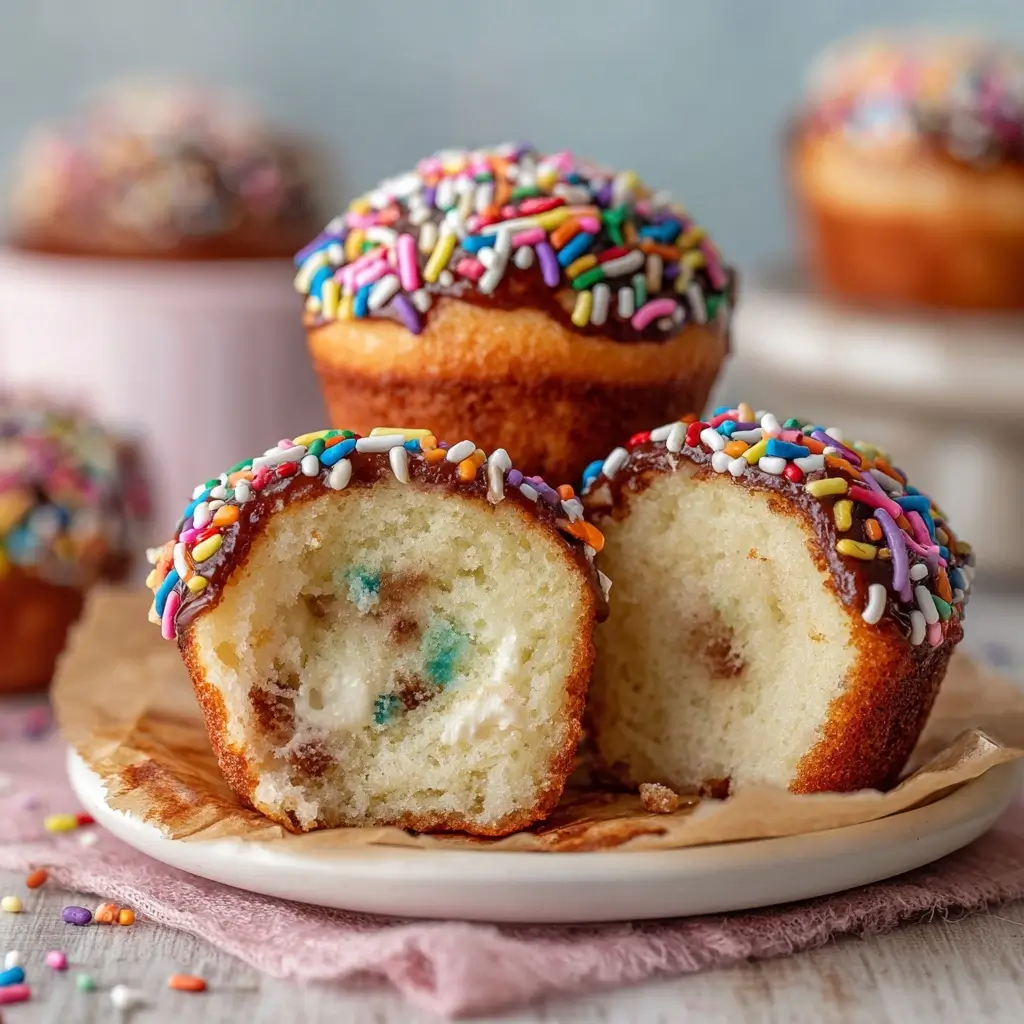
Donut Stuffed Cupcakes are the ultimate fusion dessert—a whimsical, indulgent marriage of two beloved American classics: the tender, moist cupcake and the rich, ring-shaped donut. Imagine biting into a perfectly baked vanilla or chocolate cupcake only to discover a hidden, soft-centered donut nestled snugly within—glazed, sprinkled, or dusted with cinnamon sugar. This isn’t just a dessert; it’s an edible surprise party in every bite. Designed for bakers who crave creativity, nostalgia, and over-the-top flavor, Donut Stuffed Cupcakes deliver visual drama, textural contrast (airy cake meets chewy-yet-tender donut), and layered sweetness that satisfies both casual treat-lovers and serious dessert connoisseurs. Whether served at birthday parties, bake sales, bridal showers, or Sunday brunches, these cupcakes consistently become the centerpiece—sparking delight, double-takes, and immediate requests for the recipe.
The History
The origin of Donut Stuffed Cupcakes is a delicious case study in culinary evolution—born not from a single inventor but from the organic cross-pollination of trends in 21st-century baking culture. While traditional cupcakes have existed since the mid-19th century (evolving from “cup cakes” baked in small earthenware cups), and donuts trace back centuries across Dutch, German, and Native American influences, their intentional union emerged prominently around the early 2010s. Social media platforms—particularly Instagram and Pinterest—catalyzed the trend as food bloggers and home bakers began experimenting with “hidden center” desserts: molten lava cakes, surprise-filled muffins, and “inside-out” treats. The viral success of “donut hole cupcakes” (where mini donuts were placed atop cupcakes) soon inspired bakers to go deeper—literally—embedding whole miniature donuts *inside* the batter before baking. By 2014–2015, high-profile bakeries like Georgetown Cupcake and Voodoo Doughnut collaborated on limited-edition versions, while Food Network stars such as Duff Goldman and Christina Tosi featured variations on shows like *Ace of Cakes* and *Dessert Games*. The concept gained further traction during the pandemic baking boom, when home cooks sought playful, shareable projects that combined comfort, skill-building, and theatrical presentation. Today, Donut Stuffed Cupcakes symbolize modern dessert innovation—honoring tradition while daring to reimagine structure, texture, and surprise.
Ingredients Breakdown
Creating exceptional Donut Stuffed Cupcakes requires thoughtful ingredient selection—not just for flavor, but for structural integrity, moisture balance, and seamless integration of the donut core. Below is a comprehensive breakdown of each component, including functional roles and premium substitutions:
Cupcake Base Ingredients
- All-Purpose Flour (2 ½ cups): Provides gluten structure without toughness. For enhanced tenderness, substitute up to ¼ cup with cake flour—or use a blend of 2 cups AP + ½ cup pastry flour. Avoid bread flour (too much gluten) or 100% whole wheat (density interferes with lift).
- Granulated Sugar (1 ¾ cups): Sweetens, tenderizes, and aids browning and moisture retention. Organic cane sugar yields a subtler molasses note; superfine sugar dissolves faster for smoother batter.
- Baking Powder (2 ½ tsp) & Baking Soda (½ tsp): Dual-leavening system ensures reliable rise *around* the donut without collapsing. Baking powder provides initial lift; soda reacts with acidic ingredients (buttermilk, brown sugar) for secondary expansion and fine crumb.
- Unsalted Butter (1 cup, softened): Adds richness, flavor, and emulsification. European-style butter (82–86% fat) enhances mouthfeel. Clarified butter may be used for higher smoke point if pre-baking donuts, but reduces dairy flavor.
- Large Eggs (3, room temperature): Binders and leaveners—yolks add fat and emulsifiers; whites contribute structure. Cold eggs can cause batter to seize; always bring to room temp (20–30 min out of fridge).
- Whole Milk (1 cup) + Buttermilk (½ cup): Acidic buttermilk activates baking soda and tenderizes gluten; whole milk balances acidity and adds creaminess. Substitute buttermilk with ½ cup milk + 1 ½ tsp white vinegar or lemon juice, rested 5 minutes.
- Pure Vanilla Extract (2 tsp): Use Madagascar Bourbon or Tahitian vanilla for complex floral notes. Imitation extract lacks depth and can taste artificial under heat.
- Sea Salt (1 tsp): Enhances all flavors and balances sweetness. Fine sea salt dissolves evenly; flaky salt is reserved for finishing.
Donut Core Ingredients (Mini Yeast-Raised or Cake Donuts)
- Yeast Donut Dough (Homemade or High-Quality Frozen): Preferred for authentic chew and airy crumb. Requires proofing time but delivers superior texture. Key: dough must be *fully cooled* before stuffing to prevent melting batter.
- Cake Donut Batter (Quick Alternative): Made with 1 ¼ cups flour, 1 cup sugar, 1 ½ tsp baking powder, ¼ tsp salt, ½ cup buttermilk, ¼ cup melted butter, 1 egg, 1 tsp vanilla. Pipe 1 tbsp per cupcake into liners *before* adding cake batter.
- Frying Oil (Peanut, Canola, or Avocado): Neutral flavor and high smoke point (>400°F). Never reuse oil more than 2–3 times—degraded oil imparts bitterness and greasiness.
- Glazes & Toppings (Post-Fry): Classic glaze (2 cups powdered sugar + ¼ cup milk + 1 tsp vanilla + pinch salt); maple glaze (add 2 tbsp pure maple syrup); chocolate ganache (½ cup heavy cream + 8 oz chopped dark chocolate); or cinnamon-sugar (1 cup sugar + 2 tbsp cinnamon, applied while warm).
Optional Enhancements
- Infused Simple Syrup Brush (1–2 tsp per cupcake): Made with brown sugar, bourbon, espresso, or citrus zest—brushed onto baked cupcakes before frosting to boost moisture and complexity.
- Crunch Elements: Toasted pecans, crushed pretzels, or candied bacon bits folded into batter or sprinkled on top for savory-sweet contrast.
- Food-Safe Decorative Elements: Edible gold leaf, hand-piped royal icing details, or freeze-dried fruit powder for vibrant color without artificial dyes.
Step-by-Step Recipe
This meticulously tested method ensures flawless execution—from donut prep to final garnish—with zero sinking, splitting, or dryness. Yield: 12–14 Donut Stuffed Cupcakes.
Phase One: Prepare the Donut Cores (Do This First — 2–3 Hours Ahead)
- Make or thaw donut dough. If using yeast dough: knead until smooth, let rise 1 hour covered at room temp, punch down, roll to ½-inch thickness, cut 2-inch rounds with floured cutter, proof 30–45 minutes until puffy. If using cake donut batter: mix as directed, chill 30 minutes for easier handling.
- Fry to perfection. Heat oil to 350–360°F (use candy thermometer). Fry donuts 45–60 seconds per side until golden. Drain on wire rack over parchment-lined sheet pan. Cool *completely* (minimum 1 hour)—warm donuts will melt batter and steam inside cupcakes.
- Glaze and set. Dip warm donuts halfway into glaze, tap off excess, place on rack to set (15–20 min). Optional: sprinkle with toppings while glaze is tacky. Store uncovered at room temp until ready to use.
Phase Two: Bake the Cupcakes
- Preheat & prep. Preheat oven to 350°F (convection off). Line standard muffin tin with *double-layered* paper liners (prevents sticking and supports weight) or grease-and-flour cups. Set aside.
- Cream butter & sugar. In stand mixer with paddle attachment, beat softened butter and granulated sugar on medium-high 4–5 minutes until pale, fluffy, and nearly doubled in volume. Scrape bowl twice.
- Incorporate eggs. Add eggs one at a time, beating 1 minute after each addition until fully emulsified. Add vanilla and mix 30 seconds. Batter should be smooth, glossy, and homogeneous.
- Dry-wet alternation. In separate bowl, whisk together flour, baking powder, baking soda, and salt. In another, combine milk and buttermilk. With mixer on low, add ⅓ dry mix → mix 15 sec → ½ wet mix → mix 15 sec → remaining dry → mix 15 sec → remaining wet → mix *just until combined* (do not overmix—lumps are okay). Overmixing develops gluten = tough cupcakes.
- Portion & stuff. Fill each liner ⅓ full with batter (~3 tbsp). Gently press *one cooled, glazed donut* (flat side down) into center of batter until ~⅔ submerged. Top with remaining batter to cover donut completely (~2 tbsp more), smoothing surface with offset spatula. Ensure no donut edges protrude—exposed glaze will burn.
- Bake with precision. Place tin in center rack. Bake 22–26 minutes (start checking at 22 min). Cupcakes are done when tops spring back when lightly touched, a toothpick inserted *beside* (not through) the donut comes out clean or with moist crumbs, and edges pull slightly from liner. Rotate tin halfway through for even baking.
- Cool strategically. Let cupcakes cool in tin 10 minutes—this sets structure around donut. Then transfer to wire rack to cool *completely* (1.5–2 hours) before frosting. Rushing causes condensation, soggy liners, and glaze melting.
Phase Three: Frost & Finish
- Choose your frosting style. Classic vanilla buttercream (1 cup softened butter, 4 cups powdered sugar, 2–3 tbsp heavy cream, 1 tsp vanilla, pinch salt); cream cheese swirl (beat 4 oz softened cream cheese into half the buttercream); or maple-pecan (add 3 tbsp maple syrup + ½ cup toasted pecans).
- Frost generously. Using large open-star tip (#1M), pipe tall, dramatic swirls. For elegance, use French piping technique with rosettes and shells.
- Garnish with intention. Press mini donut holes, rainbow jimmies, edible flowers, or a dusting of freeze-dried strawberry powder onto wet frosting. Drizzle with contrasting glaze (e.g., chocolate over vanilla) using squeeze bottle.
- Rest before serving. Refrigerate frosted cupcakes 30 minutes to set frosting—especially important in warm climates. Serve at cool room temp (15 min out of fridge) for optimal texture.
Tips
- Donut Size Matters: Use 2-inch diameter donuts (not larger). Oversized donuts disrupt batter ratio, cause uneven baking, and increase risk of sinking or cracking.
- Chill Your Donuts: Even if cooled, refrigerate donuts 15 minutes before stuffing. Cold cores minimize thermal shock to batter and prevent premature activation of leaveners.
- Use a Scale for Consistency: Weigh batter portions (65g base + 35g top) for uniform height and bake time. Digital kitchen scale is non-negotiable for professional results.
- Prevent Liner Lift: Spray *outside* of paper liners with non-stick spray before filling—creates grip so liners stay put during baking and cooling.
- Fix a Sinking Donut: If donut sinks too deep during baking, gently reposition with toothpick *immediately after removing from oven* (while still hot and pliable), then return to oven 1–2 minutes.
- Strengthen the Crumb: Replace 2 tbsp of milk with sour cream or Greek yogurt—adds acidity and protein for tighter, more resilient crumb that hugs the donut.
- Avoid Oven Hot Spots: Use an oven thermometer—many ovens run 25°F+ off. Rotate tin front-to-back *and* top-to-bottom at 12-minute mark.
- Batch Smart: Bake cupcakes in two batches if your oven can’t fit tin centered. Crowding causes steam buildup = dense cupcakes.
- Frosting Temperature is Critical: Buttercream must be 68–72°F. Too cold = gritty and tears cake; too warm = slides off. Chill bowl and beaters 10 minutes before whipping.
- Storage Hack: Unfrosted cupcakes freeze beautifully for up to 3 months—wrap individually in plastic, then place in ziplock. Thaw overnight in fridge, then bring to room temp before frosting.
Variations and Customizations
The Donut Stuffed Cupcake is a canvas for boundless creativity—adaptable to seasons, celebrations, dietary needs, and global flavors. Here’s an exhaustive catalog of proven, crowd-pleasing variations:
Flavor Themes
- Maple-Bacon Donut Cupcakes: Maple-glazed mini donuts + maple brown sugar cupcake batter + brown butter frosting + crumbled applewood-smoked bacon.
- Blueberry-Lemon Donut Cupcakes: Lemon-glazed donuts filled with blueberry compote + lemon zest-infused vanilla cake + lemon curd buttercream + fresh blueberries.
- Red Velvet Donut Cupcakes: Cream cheese-glazed donuts + classic red velvet batter (cocoa + buttermilk + vinegar) + ermine frosting + white chocolate drizzle.
- Churro-Cinnamon Roll Cupcakes: Cinnamon-sugar donuts rolled in extra spice + spiced brown sugar cake + dulce de leche buttercream + caramel drizzle + flaky sea salt.
- Strawberry Shortcake Donut Cupcakes: Vanilla donuts dipped in strawberry glaze + strawberry-infused sponge cake + whipped mascarpone frosting + fresh hulled strawberries.
Dietary Adaptations
- Gluten-Free: Use certified GF 1:1 flour blend (like King Arthur or Bob’s Red Mill) + xanthan gum (½ tsp per cup flour). For donuts, choose GF yeast dough or cake-style GF donut mix. Verify all glazes/toppings are GF-certified.
- Vegan: Substitute butter with vegan butter (Miyoko’s or Earth Balance), eggs with flax eggs (1 tbsp ground flax + 2.5 tbsp water per egg), milk with oat milk, and use vegan donuts (many store-bought brands now offer them). Frost with coconut milk–based buttercream.
- Low-Sugar/Keto: Use almond flour + erythritol/monk fruit blend for cake; keto donuts made with pork rind flour or lupin bean flour; sweeten glaze with powdered erythritol + vanilla + nut milk. Note: Texture differs—expect denser crumb.
- Protein-Packed: Add 2 scoops unflavored whey or collagen peptides to dry ingredients; use Greek yogurt instead of some milk; fill donuts with protein powder–enhanced glaze (blend 1 scoop with glaze ingredients).
Occasion-Specific Twists
- Wedding Tier: Miniature versions (made in muffin top pans) with edible flower–topped fondant donuts and champagne-infused buttercream.
- Holiday Edition: Gingerbread donuts + eggnog-spiked cake + rum buttercream + crystallized ginger + gold-dusted cranberries.
- Kids’ Party: Confetti donuts (batter with rainbow sprinkles) + funfetti cupcake base + rainbow buttercream + popping candy on top.
- Breakfast Brunch: Maple-glazed donuts + pumpkin spice cupcake + brown butter–maple frosting + toasted pepitas + cinnamon dust.
- Decadent Dessert Bar: Chocolate stout donuts + black cocoa cupcake + salted caramel ganache + smoked sea salt + candied orange peel.
Global Inspirations
- Japanese Mochi Donut Cupcakes: Chewy mochi donuts (glutinous rice flour-based) + matcha cake + yuzu curd frosting + black sesame crunch.
- Mexican Concha Cupcakes: Sweet pink “concha”-style donuts (with sugary shell pattern) + piloncillo-spiced cake + cajeta (goat’s milk caramel) buttercream.
- Italian Bomboloni Cupcakes: Ricotta-stuffed bomboloni (fried Italian donuts) + lemon-ricotta cake + limoncello glaze + candied lemon zest.
- German Berliner Cupcakes: Jam-filled Berliners + cardamom-vanilla cake + apricot-almond glaze + sliced almonds.
- Indian Gulab Jamun Cupcakes: Mini gulab jamun (milk-solid donuts in rose syrup) + saffron-cardamom cake + pistachio-rose buttercream + edible silver leaf (varq).
Health Considerations and Nutritional Value
While Donut Stuffed Cupcakes are inherently indulgent, understanding their nutritional profile empowers informed enjoyment—and opens doors for mindful modifications. A standard version (vanilla cupcake + glazed yeast donut + vanilla buttercream, ~4 oz total) contains approximately:
- Calories: 520–680 kcal (varies by donut size, frosting thickness, and glaze type)
- Total Fat: 24–32g (12–18g saturated; primarily from butter, shortening in donut fry oil, and buttercream)
- Carbohydrates: 72–95g (65–85g sugars—including 35–55g added sugars from glaze, frosting, and batter)
- Protein: 5–7g (modest; from eggs, milk, flour)
- Fiber: <1g (unless whole grain or added fiber sources included)
- Sodium: 320–480mg (from baking soda, salt, and processed glaze ingredients)
Key Health Notes:
- Sugar Awareness: One cupcake often exceeds the FDA’s recommended daily limit for added sugars (≤25g for women, ≤36g for men). Opt for reduced-sugar glazes (using monk fruit or stevia), less frosting, or fruit-based compotes instead of syrup-heavy glazes.
- Fat Quality: Prioritize unsaturated fats—substitute half the butter with avocado oil or walnut oil in batter; use air-fried or baked donuts (though texture changes); choose olive oil–based glazes.
- Portion Control: Bake in mini-muffin tins (yields 24–30) to reduce calorie load per serving while preserving fun factor.
- Nutrient Density Boosters: Add 2 tbsp ground flax or chia seeds to dry ingredients (omega-3s + fiber); fold in ¼ cup mashed banana or unsweetened applesauce (natural sweetness + potassium); use whole wheat pastry flour (25–50% substitution).
- Allergen Transparency: Clearly label if containing common allergens (nuts, dairy, eggs, soy, wheat). Offer dedicated GF/Vegan batches at events to ensure inclusivity.
- Mindful Indulgence: These are celebratory foods—not everyday snacks. Pair with herbal tea or sparkling water to slow consumption and enhance satisfaction. Savor slowly—research shows mindful eating increases perceived fullness and reduces post-indulgence guilt.
Consult a registered dietitian for personalized adaptations, especially for medical conditions like diabetes, celiac disease, or hypertension.
Ingredients
Makes 12–14 cupcakes
For the Mini Donuts:
- 1 batch yeast-raised donut dough (or 12–14 store-bought mini yeast donuts, ~2 inches wide)
- Vegetable, peanut, or avocado oil for frying (enough to fill pot 2–3 inches deep)
- For Glazing: 2 cups powdered sugar, ¼ cup whole milk or plant-based milk, 1 tsp pure vanilla extract, pinch of fine sea salt
- Optional Toppings: Rainbow sprinkles, crushed nuts, cinnamon-sugar (1 cup sugar + 2 tbsp ground cinnamon), toasted coconut
For the Cupcake Batter:
- 2 ½ cups (315g) all-purpose flour (spooned & leveled)
- 1 ¾ cups (350g) granulated sugar
- 2 ½ tsp aluminum-free baking powder
- ½ tsp baking soda
- 1 cup (227g) unsalted butter, softened to 65–68°F
- 3 large eggs, room temperature
- 1 cup (240ml) whole milk
- ½ cup (120ml) full-fat buttermilk
- 2 tsp pure vanilla extract
- 1 tsp fine sea salt
For the Vanilla Buttercream Frosting:
- 1 cup (227g) unsalted butter, softened
- 4 cups (480g) powdered sugar, sifted
- 2–3 tbsp heavy cream or whole milk
- 1 tsp pure vanilla extract
- ¼ tsp fine sea salt
Equipment:
- Stand mixer or hand mixer
- Large mixing bowls
- Wire cooling racks
- Deep heavy-bottomed pot or Dutch oven (for frying)
- Candy/deep-fry thermometer
- 2-inch round donut cutter or biscuit cutter
- Standard 12-cup muffin tin
- Double-layered cupcake liners (or grease-and-flour method)
- Offset spatula & large piping bag with #1M tip
Directions
- Prepare the donuts first. Make donut dough according to recipe (or use quality frozen mini donuts). Fry at 350–360°F until golden (45–60 sec/side). Drain on wire rack. Cool completely (1+ hour). Meanwhile, prepare glaze: whisk powdered sugar, milk, vanilla, and salt until smooth. Dip donuts halfway, tap off excess, place on rack to set. Sprinkle with toppings while tacky. Let glaze harden (15–20 min).
- Preheat oven to 350°F. Line muffin tin with double paper liners. Set aside.
- Cream butter and sugar. In stand mixer with paddle, beat butter and sugar on medium-high 4–5 min until light and fluffy. Scrape bowl.
- Add eggs and vanilla. Add eggs one at a time, beating 1 min after each. Add vanilla; mix 30 sec.
- Alternate dry and wet ingredients. Whisk flour, baking powder, baking soda, and salt. In another bowl, whisk milk and buttermilk. With mixer on low, add ⅓ dry → mix 15 sec → ½ wet → mix 15 sec → remaining dry → mix 15 sec → remaining wet → mix *just until combined*.
- Fill and stuff. Spoon 3 tbsp batter into each liner. Gently press 1 cooled, glazed donut (flat side down) into center until ~⅔ submerged. Top with 2 tbsp more batter, smoothing surface.
- Bake. Place tin in center oven rack. Bake 22–26 minutes, rotating at 12 min, until tops spring back and toothpick beside donut comes out clean. Do not open oven before 20 min.
- Cool completely. Let sit in tin 10 min. Transfer to wire rack. Cool 1.5–2 hours—no exceptions.
- Make frosting. Beat butter until creamy. Gradually add powdered sugar. Add cream, vanilla, and salt. Beat 3–4 min until light and fluffy. Adjust consistency with more cream (too thick) or sugar (too thin).
- Frost and garnish. Fit piping bag with #1M tip. Pipe generous swirls. Garnish immediately with sprinkles, nuts, or edible glitter. Refrigerate 30 min to set. Serve at cool room temperature.
FAQ
- Q