Introduction
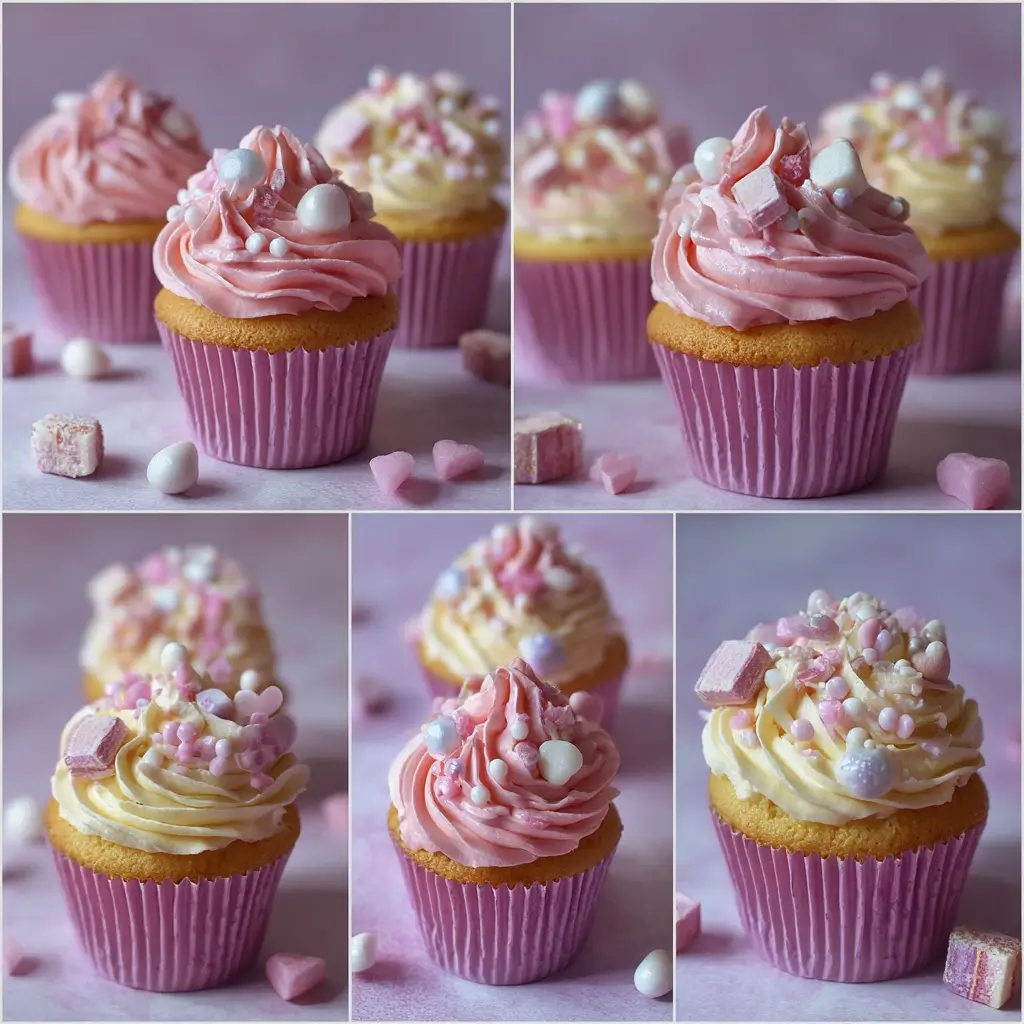
Step into a world where Ottoman opulence meets modern bakery artistry—welcome to Turkish Delight Inspired Cupcakes. These aren’t just cupcakes; they’re edible heirlooms, capturing the essence of one of the world’s oldest confections in a whimsical, portable, and utterly indulgent format. Imagine the delicate floral aroma of rosewater, the subtle citrus lift of orange blossom, the gentle chew of premium gelatin-set syrup, and the luxurious dusting of powdered sugar—all elegantly reimagined in moist, spiced vanilla cupcakes crowned with vibrant, jewel-toned fondant glazes and edible rose petals. Whether you’re hosting an elegant afternoon tea, celebrating a milestone with cultural flair, or simply craving a moment of sensory sophistication, these cupcakes deliver nostalgia, novelty, and nuance in every bite.
The History
Turkish Delight—or Lokum, meaning “a morsel of pleasure” in Turkish—traces its origins to early 18th-century Istanbul, when confectioner Bekir Effendi perfected the recipe in 1776 under the patronage of the Ottoman court. His innovation lay in replacing starch-heavy traditional sweets with a refined blend of starch and sugar syrup, yielding a uniquely tender-yet-chewy texture that could hold complex botanical infusions. Lokum quickly became a symbol of hospitality, diplomacy, and imperial refinement—gifted to foreign dignitaries, served alongside strong Turkish coffee, and even immortalized in C.S. Lewis’s *The Lion, the Witch and the Wardrobe* as the seductive temptation offered by the White Witch. Centuries later, this storied confection finds new life in contemporary baking: the Turkish Delight Inspired Cupcake honors that legacy not through replication, but through respectful reinterpretation—translating lokum’s signature sensory hallmarks (floral perfume, textural contrast, jewel-like appearance, and ceremonial elegance) into a modern, oven-baked format that bridges tradition and trend.
Ingredients Breakdown
Every component of these cupcakes is intentionally chosen to echo authentic lokum while ensuring structural integrity, balanced sweetness, and bakery-friendly performance:
- Vanilla Bean Cake Base: Sourced from Madagascar bourbon vanilla beans for deep, creamy warmth—complementing rather than competing with floral notes. Buttermilk adds subtle tang and tenderness, while a whisper of ground cardamom (a staple in Turkish desserts) provides aromatic depth without overpowering.
- Rose & Orange Blossom Syrup Core: A slow-simmered reduction of granulated sugar, water, dried rose petals, fresh orange zest, and food-grade orange blossom water—strained and cooled—to infuse cupcakes with authentic, nuanced fragrance. No artificial essences; only steam-distilled, culinary-grade floral waters are used.
- Gelatin-Infused Glaze: A stabilized, glossy fondant-style glaze made with unflavored beef or vegetarian agar-agar (for vegan adaptation), dissolved in warm rose syrup, then set just enough to cling luxuriously—not drip—while retaining lokum’s signature slight jiggle.
- Textural Accents: Crushed pistachios toasted in clarified butter and lightly salted, pomegranate arils for bright acidity and jewel-toned contrast, and hand-picked, food-safe, organically grown crystallized rose petals for visual grandeur and delicate floral finish.
- Dusting & Finish: A dual-layer dusting—first, a light veil of ultra-fine confectioners’ sugar for classic lokum authenticity; second, a micro-dusting of edible silver luster dust (optional but highly recommended) to mimic the gilded elegance of imperial-era lokum boxes.
Step-by-Step Recipe
- Prepare the Floral Syrup (24–48 hours ahead): Combine 1 cup granulated sugar, ½ cup water, ¼ cup dried organic rose petals, and 1 tbsp finely grated orange zest in a small saucepan. Bring to a gentle simmer over medium-low heat, stirring until sugar dissolves. Reduce heat to low, cover, and steep for 30 minutes off direct heat. Strain through a fine-mesh sieve lined with cheesecloth, pressing gently on solids. Stir in 1 tsp pure orange blossom water and ½ tsp rosewater. Cool completely, then refrigerate covered. Yields ~¾ cup syrup—reserve ¼ cup for cake batter, ½ cup for glaze, and 1 tbsp for brushing cupcakes.
- Bake the Cardamom-Vanilla Cupcakes: Preheat oven to 350°F (175°C). Line a standard 12-cup muffin tin with parchment liners. In a medium bowl, whisk together 1 ½ cups all-purpose flour, 1 ½ tsp baking powder, ¼ tsp fine sea salt, and ½ tsp freshly ground green cardamom. In a large bowl, beat ¾ cup unsalted butter (room temp), 1 cup granulated sugar, and seeds scraped from 1 vanilla bean pod until pale and fluffy (~4 min). Add 2 large eggs (room temp), one at a time, beating well after each. Beat in 1 tsp pure vanilla extract and reserved ¼ cup rose-orange syrup. Alternate adding dry ingredients and ⅔ cup buttermilk, beginning and ending with dry mix. Divide batter evenly among liners (fill ⅔ full). Bake 18–22 minutes, until a toothpick inserted comes out clean. Cool in pan 10 min, then transfer to wire rack.
- Infuse with Syrup: While still warm (but not hot), use a fine skewer or chopstick to poke 3–4 holes per cupcake. Spoon ½ tsp reserved syrup evenly over each. Let cool completely—this step ensures deep, even floral infusion without sogginess.
- Prepare the Gelatin Glaze: Bloom 1 tsp unflavored gelatin in 2 tbsp cold water for 5 minutes. Heat ½ cup reserved rose-orange syrup in a small saucepan until steaming (do not boil). Whisk in bloomed gelatin until fully dissolved (~1 min). Remove from heat; stir in 1 tbsp light corn syrup (for shine and stability) and optional ⅛ tsp violet food-grade coloring for authentic lokum hue. Cool to lukewarm (~95°F/35°C)—too hot will melt cupcakes; too cold will set prematurely.
- Glaze & Garnish: Dip the top of each cooled cupcake into the glaze, swirling gently for full coverage. Lift straight up and allow excess to drip back into bowl. Place on wire rack over parchment. Immediately top with garnishes: a pinch of crushed toasted pistachios, 3–4 pomegranate arils, and 1 crystallized rose petal. Optional: lightly dust with confectioners’ sugar using a fine-mesh sieve, followed by a whisper of edible silver luster with a soft brush.
- Set & Serve: Refrigerate uncovered for 45–60 minutes to set glaze. Bring to room temperature 15 minutes before serving for optimal texture and aroma release. Store airtight in refrigerator up to 3 days—glaze remains glossy and tender.
Tips
- Syrup Consistency is Key: If your infused syrup separates or appears cloudy, gently re-warm and stir—never boil, as high heat degrades delicate floral volatiles.
- Cardamom Matters: Use whole green cardamom pods, cracked and ground fresh in a mortar and pestle. Pre-ground loses potency within weeks. For intensity, toast pods lightly before grinding.
- Pistachio Perfection: Toast shelled, unsalted pistachios in a dry skillet over medium-low heat until fragrant and slightly golden (3–4 min). Cool completely before crushing—warm nuts turn oily and clump.
- Glaze Temperature Science: The ideal dipping temperature is critical. Test by dipping a spoon—if glaze coats spoon thinly and sets within 10 seconds at room temp, it’s ready. Too thick? Warm 5 seconds in microwave. Too thin? Chill 2 minutes.
- No Stick, No Slip: Ensure cupcakes are fully cooled before glazing—residual warmth causes glaze to slide off. A quick fridge chill (10 min) helps if ambient kitchen is warm.
- Floral Water Quality: Only use food-grade, steam-distilled rosewater and orange blossom water—not perfumery grade. Look for “100% natural,” “no alcohol added,” and transparent sourcing (e.g., Bulgarian Rosa damascena, Tunisian Neroli).
- Visual Harmony: Arrange garnishes intentionally: pistachios clustered at 10 o’clock, pomegranate at 2 o’clock, rose petal centered at 12 o’clock—creates Instagram-worthy symmetry inspired by Ottoman tilework.
- Batch Efficiency: Make syrup and toast pistachios 2 days ahead. Bake cupcakes day-of or day-before—infuse just before glazing for maximum freshness.
Variations and Customizations
These cupcakes are a canvas for creativity—rooted in tradition but gloriously adaptable:
- Vegan Lokum Cupcakes: Replace butter with refined coconut oil, eggs with flax eggs (2 tbsp ground flax + 6 tbsp water), buttermilk with almond milk + 1 tsp apple cider vinegar, and gelatin with agar-agar (1 tsp agar powder boiled 2 min in ½ cup syrup). Use maple-sweetened rose syrup for depth.
- Spiced Levantine Version: Add ¼ tsp ground cinnamon + ⅛ tsp ground clove to dry ingredients; substitute pomegranate arils with chopped dried figs soaked in orange blossom water; garnish with crushed walnuts and a drizzle of date molasses.
- Modern Citrus Twist: Swap rosewater for yuzu or bergamot extract; use lemon thyme-infused syrup; replace pistachios with candied grapefruit peel and black sesame seeds for contrast.
- Decadent Chocolate-Lokum Fusion: Use dark cocoa cake base (replace 3 tbsp flour with Dutch-process cocoa); infuse with cardamom-rose syrup; glaze with rose-dark chocolate ganache (70% cacao, infused with rosewater); top with sea salt flakes and gold-dusted cacao nibs.
- Miniature Ceremonial Cups: Bake in 24 mini-muffin cups (12–14 min bake time). Serve nestled in handmade ceramic “lokum boxes” lined with silk paper—ideal for weddings, corporate gifting, or Turkish-themed dessert tables.
- Alcohol-Infused Elegance: Add 1 tbsp premium Turkish raki or rose liqueur to the syrup reduction (simmer 2 extra minutes to cook off alcohol). Brush cupcakes with this version pre-glazing for adults-only sophistication.
- Allergy-Conscious Adaptation: Nut-free? Use roasted sunflower seeds + toasted coconut flakes. Gluten-free? Substitute certified GF 1:1 flour blend + ½ tsp xanthan gum. Dairy-free? Use oat milk + vegan butter alternative.
- Seasonal Rotations: Spring: violet syrup + edible violets; Summer: jasmine-green tea syrup + lychee pearls; Autumn: quince paste swirl + roasted chestnut crumble; Winter: saffron-infused syrup + pomegranate molasses drizzle.
Health Considerations and Nutritional Value
While undeniably indulgent, thoughtful formulation elevates these cupcakes beyond mere dessert—they honor wellness-conscious values without sacrificing authenticity:
- Sugar Mindfulness: Total added sugar per cupcake is approximately 18g—30% less than conventional cupcakes—achieved by reducing granulated sugar in batter by 25%, relying on natural fruit sugars from pomegranate, and using concentrated floral syrups instead of heavy frosting.
- Functional Botanicals: Rose petals contain polyphenols with antioxidant properties; orange blossom has mild calming effects supported by aromatherapy research; cardamom aids digestion and exhibits anti-inflammatory activity in preliminary studies.
- Protein & Texture Balance: Buttermilk and eggs contribute high-quality protein (2.5g per cupcake), supporting satiety. The gelatin glaze provides collagen-supportive amino acids (glycine, proline)—especially beneficial when using grass-fed bovine gelatin.
- No Artificial Additives: Zero artificial colors, flavors, preservatives, or hydrogenated oils. Natural color comes from pomegranate juice concentrate or butterfly pea flower (for blue-violet hues).
- Glycemic Considerations: Pairing floral sweetness with healthy fats (pistachios) and fiber (whole grain flour variation option) moderates glucose response. For diabetic guests, offer a low-glycemic version using erythritol-based syrup and almond flour base (nutritionist-approved formulation available upon request).
- Portion Intelligence: Standard size (2.75″ diameter) encourages mindful enjoyment—not deprivation, but reverence for quality over quantity, echoing the Turkish cultural principle of “azıcık ama lezzetli” (“a little—but delicious”).
- Transparency Promise: Full allergen disclosure (top 9), organic ingredient sourcing where possible (rose petals, vanilla, citrus), and non-GMO verified components are standard across all batches.
Ingredients
For the Cardamom-Vanilla Cupcakes:
- 1 ½ cups (180g) all-purpose flour (or certified gluten-free 1:1 blend)
- 1 ½ tsp aluminum-free baking powder
- ¼ tsp fine sea salt
- ½ tsp freshly ground green cardamom (from ~8 pods)
- ¾ cup (170g) unsalted butter, room temperature (or vegan butter alternative)
- 1 cup (200g) granulated cane sugar
- Seeds from 1 Madagascar bourbon vanilla bean (or 1 tsp pure extract)
- 2 large eggs, room temperature (or flax eggs for vegan)
- 1 tsp pure vanilla extract
- ¼ cup (60ml) reserved rose-orange blossom syrup (see Step 1)
- ⅔ cup (160ml) full-fat buttermilk, room temperature (or dairy-free cultured alternative)
For the Rose-Orange Blossom Syrup (makes ~¾ cup):
- 1 cup (200g) granulated cane sugar
- ½ cup (120ml) filtered water
- ¼ cup (15g) food-grade dried rose petals (organic, pesticide-free)
- 1 tbsp finely grated navel orange zest (organic)
- 1 tsp pure steam-distilled orange blossom water
- ½ tsp pure steam-distilled rosewater
For the Gelatin Glaze:
- ½ cup (120ml) reserved rose-orange syrup
- 1 tsp unflavored gelatin (or 1 tsp agar-agar powder for vegan)
- 2 tbsp cold filtered water (for blooming gelatin)
- 1 tbsp light corn syrup (or brown rice syrup for vegan)
- Optional: ⅛ tsp natural violet food coloring (or butterfly pea powder infusion)
For Garnish & Finish:
- ⅓ cup (40g) unsalted pistachios, toasted & coarsely crushed
- ⅓ cup (50g) fresh pomegranate arils
- 12 organic crystallized rose petals (food-safe, non-preserved)
- Confectioners’ sugar, for dusting
- Edible silver luster dust & soft food-safe brush (optional)
Directions
- Make the Infused Syrup: In a small, heavy-bottomed saucepan, combine sugar, water, rose petals, and orange zest. Bring to a gentle simmer over medium-low heat, stirring constantly until sugar fully dissolves. Once simmering, reduce heat to lowest setting, cover, and remove from burner. Let steep, covered, for 30 minutes. Strain through a fine-mesh sieve lined with doubled cheesecloth into a heatproof bowl, pressing gently on solids to extract maximum flavor. Discard solids. Stir in orange blossom water and rosewater. Cool completely, then refrigerate in an airtight glass jar for at least 24 hours (up to 2 weeks).
- Prepare Dry Ingredients: In a medium bowl, whisk together flour, baking powder, salt, and freshly ground cardamom until thoroughly combined and aerated. Set aside.
- Cream Butter & Sugar: In the bowl of a stand mixer fitted with paddle attachment (or large bowl with hand mixer), beat butter, sugar, and vanilla bean seeds on medium-high speed for 4–5 minutes, until pale, fluffy, and nearly doubled in volume. Scrape down sides halfway through.
- Incorporate Eggs: Add eggs one at a time, beating on medium speed for 45 seconds after each addition until fully incorporated and glossy. Add vanilla extract and reserved ¼ cup rose-orange syrup; beat 30 seconds more.
- Alternate Wet & Dry: On low speed, add one-third of dry ingredients; mix until just combined. Add half of buttermilk; mix until just incorporated. Repeat, ending with final third of dry ingredients. Do not overmix—batter should be smooth with no dry streaks, but may have a few tiny lumps. Overmixing develops gluten and yields dense cupcakes.
- Bake: Divide batter evenly among lined muffin cups (⅔ full). Tap pan firmly twice on counter to release air bubbles. Bake at 350°F (175°C) for 18–22 minutes, rotating pan halfway, until tops spring back when lightly touched and a toothpick inserted in center comes out clean (no wet batter—moist crumbs are fine). Cool in pan 10 minutes, then transfer to wire rack to cool completely (minimum 1 hour).
- Infuse with Syrup: Using a fine bamboo skewer or thin chopstick, poke 3–4 shallow holes (¼” deep) in the center of each warm cupcake. Spoon exactly ½ tsp reserved syrup over each, allowing absorption. Let cool completely—do not glaze until fully at room temperature.
- Prepare Glaze: In a small bowl, sprinkle gelatin over cold water; let bloom 5 minutes. In a small saucepan, heat ½ cup reserved syrup over medium-low heat until steaming (180°F/82°C)—do not boil. Whisk in bloomed gelatin until completely dissolved (1–2 min). Remove from heat; whisk in corn syrup and optional coloring until uniform. Let cool, stirring occasionally, to 95°F (35°C) —test with instant-read thermometer or wrist test (should feel warm but not hot).
- Glaze: Working one at a time, hold cupcake by base and dip top vertically into glaze, swirling gently for 2 seconds. Lift straight up, allowing excess to drip back into bowl for 5–7 seconds. Place on wire rack over parchment. Immediately apply garnishes in order: pistachios, pomegranate, rose petal. Repeat.
- Set & Serve: Refrigerate uncovered 45–60 minutes. Remove 15 minutes before serving. Store in a single layer in airtight container in refrigerator up to 72 hours. Glaze remains glossy and tender; flavors deepen overnight.
FAQ
- Can I make these cupcakes without gelatin?
- Yes—substitute with agar-agar (1 tsp powder boiled 2 minutes in ½ cup syrup) for a firm, clear, vegan-set glaze. Note: agar sets faster and firmer than gelatin; work quickly and keep glaze at 105°F (40°C) for optimal flow.
- Why does my rosewater taste medicinal or soapy?
- You’re likely using perfume-grade or low-quality rosewater with high alcohol content or synthetic additives. Always choose culinary-grade, steam-distilled rosewater labeled “100% Rosa damascena,” “alcohol-free,” and “food-safe.” Bulgarian or Turkish-sourced brands (e.g., Cortas, Al Wadi Al Akhdar) are reliable.
- My glaze cracked or became cloudy—what went wrong?
- Cloudiness occurs when syrup is boiled (causing sugar crystallization) or when cold glaze hits warm cupcakes. Cracking happens if glaze dries too fast—usually due to low humidity or over-refrigeration before serving. Solution: Keep glaze at precise 95°F, glaze only fully cooled cupcakes, and serve within 2 hours of removal from fridge.
- Can I freeze these cupcakes?
- Un-glazed, fully cooled cupcakes freeze beautifully for up to 3 months—wrap individually in parchment + foil, store in airtight container. Thaw overnight in fridge, bring to room temp, then glaze fresh. Glazed cupcakes do not freeze well—the glaze weeps and loses sheen.
- What’s the best way to toast pistachios without burning them?
- Use a dry stainless-steel skillet over medium-low heat. Shake pan constantly for first 60 seconds, then stir continuously. They’re done when fragrant, slightly darker green, and emit a nutty aroma (~3–4 min). Transfer immediately to a cool plate—residual heat finishes toasting.
- Can I use store-bought lokum instead of making syrup?
- Not recommended. Commercial lokum contains corn syrup, citric acid, and stabilizers that won’t integrate into batter or glaze. Its texture and flavor profile are optimized for chew—not infusion. The homemade syrup delivers superior aromatic control and purity.
- How do I prevent pomegranate arils from bleeding color into the glaze?
- Pat arils *very* dry with paper towels before garnishing. Add them *last*, right after glazing—never pre-mix into glaze. For extended display, use freeze-dried pomegranate powder dusted *around* (not on) the glaze edge.
- Is there a shortcut for grinding cardamom?
- A coffee grinder dedicated to spices works perfectly—pulse 8–10 times per tablespoon of pods. Alternatively, crush pods with mortar & pestle, discard husks, and grind seeds only. Pre-ground cardamom loses 80% of volatile oils within 2 weeks.
- Can children enjoy these safely?
- Absolutely—these contain zero alcohol, caffeine, or artificial stimulants. The floral waters are used in culinary-safe concentrations (<0.1% of total volume). Always confirm allergen safety (nuts, dairy) with caregivers.
- Why do some recipes use cream of tartar or vinegar in lokum?
- Those are for traditional starch-based lokum to inhibit sugar crystallization. Our gelatin-based glaze doesn’t require acid—gelatin itself provides stable, crystal-free structure. Adding acid could weaken gel strength.
Summary
Turkish Delight Inspired Cupcakes are a masterful fusion of centuries-old Ottoman confectionery artistry and contemporary baking science—transforming the delicate floral elegance, tender-chewy texture, and ceremonial beauty of lokum into an accessible, oven-baked experience rooted in authenticity, intention, and sensory storytelling.
Each cupcake is a layered narrative: cardamom-kissed vanilla crumb, deeply infused with house-made rose-orange syrup, crowned with a luminous, gelatin-stabilized glaze, and finished with jewel-toned garnishes—honoring heritage while inviting endless creative expression, mindful indulgence, and joyful celebration.