Introduction
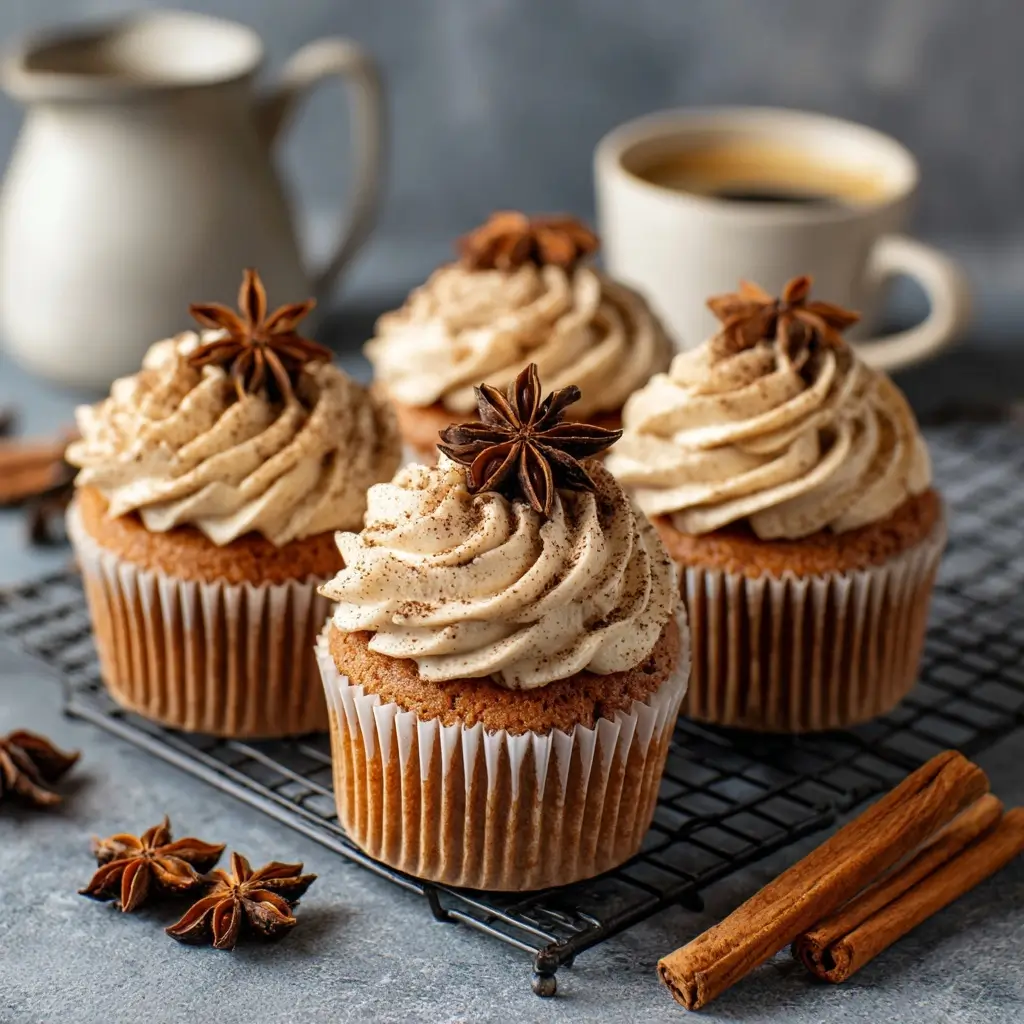
Chai Spice Cupcakes are a warm, aromatic, and deeply comforting fusion of classic American baking and the rich, layered tradition of Indian spiced tea. These cupcakes capture the soul-soothing essence of masala chai—think notes of cardamom, cinnamon, ginger, cloves, and black pepper—transformed into tender, moist, spiced cakes crowned with velvety chai-infused buttercream or a luscious maple-cream cheese frosting. Unlike generic “spice cupcakes,” Chai Spice Cupcakes honor the intentional balance and complexity of authentic chai: not just sweet and spicy, but floral, earthy, slightly bitter, and warmly numbing—all harmonized within a delicate vanilla-cake crumb. Whether served at a cozy autumn gathering, a festive Diwali dessert table, or simply as a mindful afternoon treat, these cupcakes invite pause, nostalgia, and sensory delight. They’re more than baked goods—they’re edible storytelling, bridging continents, generations, and rituals through every bite.
The History
The origins of Chai Spice Cupcakes lie at the crossroads of culinary adaptation and cultural exchange. Masala chai—literally “spiced tea” in Hindi—has been brewed across the Indian subcontinent for over 5,000 years, initially as an Ayurvedic herbal decoction (kadha) used for digestion, immunity, and vitality. Black tea joined the blend only in the early 20th century, following British colonial promotion of tea plantations in Assam and Darjeeling. As chai migrated globally via diaspora communities, students, backpackers, and café culture, its flavor profile captivated Western palates—leading to chai lattes, syrups, and eventually, innovative dessert applications. The first documented chai-spiced cake recipes appeared in progressive food magazines and indie baking blogs in the mid-2000s, notably inspired by chefs like Floyd Cardoz (who elevated Indian spices in fine dining) and home bakers experimenting with chai concentrate in muffins and loaf cakes. By 2012–2014, artisanal bakeries in Portland, Brooklyn, and Toronto began offering Chai Spice Cupcakes as seasonal staples—often featuring house-blended spice mixes and locally sourced dairy. Today, they represent a broader trend of “global comfort baking”: honoring tradition while embracing accessibility, customization, and modern dietary sensibilities—from vegan adaptations using cold-brew chai milk to gluten-free versions with teff and sorghum flours. Their rise mirrors a growing appreciation for layered, functional flavors—not merely sweetness, but intentionality, wellness, and heritage on a cupcake liner.
Ingredients Breakdown
Every ingredient in Chai Spice Cupcakes plays a precise, synergistic role—no element is arbitrary. Below is a meticulous breakdown of function, sourcing nuance, and substitution rationale:
- All-Purpose Flour (2 ¼ cups / 280g): Provides structure and tenderness. For optimal crumb, use unbleached, low-protein flour (like King Arthur or Bob’s Red Mill). Bleached flour may yield excessive softness; high-gluten flours risk toughness. For gluten-free versions, a 1:1 GF blend with xanthan gum is essential—or combine 1¾ cups brown rice flour + ¼ cup tapioca starch + ¼ cup potato starch + 1 tsp xanthan gum.
- Baking Powder (2 tsp) & Baking Soda (½ tsp): A dual-leavening system ensures reliable rise without metallic aftertaste. Baking powder provides initial lift; baking soda neutralizes acidity from buttermilk and brown sugar while enhancing browning and tenderness. Always use aluminum-free baking powder for cleaner flavor.
- Granulated Sugar (1 cup / 200g) & Light Brown Sugar (¾ cup / 150g, packed): Granulated sugar aerates batter during creaming; brown sugar contributes moisture, acidity (from molasses), and caramel depth. Dark brown sugar intensifies molasses notes—ideal for richer chai profiles—but may darken crumb excessively. Organic cane sugar adds subtle mineral complexity.
- Unsalted Butter (¾ cup / 170g), softened to 65°F (18°C): Critical for emulsification and flavor. European-style butter (82–86% fat) yields superior richness and flakiness in crumb. Avoid margarine or spreads—water content disrupts structure. For vegan versions, use cultured coconut oil-based sticks (e.g., Miyoko’s) or high-fat soy-based butter with added lecithin.
- Eggs (2 large, room temperature): Bind, leaven, and enrich. Cold eggs cause batter to seize; aged eggs (3–5 days old) whip more voluminously. Pasture-raised eggs impart deeper yellow crumb and nuanced flavor. Flax or chia “eggs” work only in modified recipes with added stabilizers (e.g., psyllium husk).
- Whole Milk (½ cup / 120ml) & Full-Fat Buttermilk (½ cup / 120ml): Buttermilk’s lactic acid activates baking soda and tenderizes gluten; whole milk balances acidity and adds creaminess. For buttermilk substitute: add 1½ tsp white vinegar or lemon juice to ½ cup whole milk; let sit 10 minutes until curdled. Avoid low-fat or plant milks unless acidified and heated to mimic buttermilk’s protein behavior.
- Pure Vanilla Extract (2 tsp): Madagascar Bourbon vanilla grounds the spices and amplifies warmth. Imitation extract lacks depth and can clash with cardamom. For alcohol-free versions, use vanilla bean paste (1 tsp) or vanilla-infused coconut milk.
- Chai Spice Blend (2 tbsp + 1 tsp total): This is the heart—and demands precision. Use freshly ground whole spices for maximum potency (pre-ground loses 60% volatile oils within 2 weeks). Ideal ratios per ¼ cup blend: 12 green cardamom pods (seeds only, crushed), 1 tbsp cinnamon (Ceylon preferred—milder, less coumarin), 2 tsp peeled fresh ginger (grated fine + squeezed dry), 1½ tsp whole cloves (not ground—grind just before use), 1 tsp black peppercorns (cracked, not powdered), ½ tsp fennel seeds (optional, for licorice lift), and a tiny pinch of star anise (¼ tsp, steeped then removed). Toast spices lightly in a dry skillet before grinding to unlock rosinous, caramelized notes. Avoid pre-mixed “pumpkin pie spice”—it lacks ginger’s pungency and cardamom’s floral top note.
- Finely Grated Fresh Ginger (1 tbsp, drained well): Adds bright, zesty heat that commercial ground ginger cannot replicate. Grate on a microplane, then press pulp in cheesecloth to remove excess water—prevents batter separation.
- Strong Brewed Chai Tea (¼ cup / 60ml, cooled): Not instant mix—real brewed tea. Steep 2 heaping tsp loose-leaf Assam or Nilgiri black tea + 1 tsp homemade chai spice blend in ½ cup boiling water for 5 minutes. Strain, cool completely, and measure precisely. This infuses tannic backbone and authentic tea aroma. Over-steeping creates bitterness; under-steeping yields weak impact.
Optional but transformative: a pinch of flaky sea salt (Maldon) in the batter enhances all other flavors, and 1 tsp dark rum or bourbon (added with wet ingredients) deepens caramel and spice complexity without detectable alcohol post-baking.
Step-by-Step Recipe
- Prepare Your Workspace & Ingredients: Preheat oven to 350°F (177°C). Line two standard 12-cup muffin tins with premium parchment liners (not paper—these prevent sticking and absorb less grease). Weigh all dry ingredients; measure liquids in clear glass measuring cups at eye level. Bring butter and eggs to true room temperature (65–70°F)—test by pressing butter; it should yield gently without crumbling. Chill brewed chai tea in freezer for 5 minutes if still warm.
- Toast & Grind Spices: In a small dry skillet over medium-low heat, toast cardamom pods, cloves, peppercorns, and fennel seeds for 90 seconds until fragrant and lightly crackling. Cool 2 minutes. Transfer to a spice grinder with cinnamon and ginger pieces; pulse 12–15 times until uniformly fine (no visible shards). Sift twice to remove coarse bits. Measure 2 tbsp + 1 tsp for batter; reserve remainder for garnish and frosting.
- Make Chai Concentrate: While spices cool, brew chai: Heat ½ cup water to 208°F (just below boil). Pour over 2 tsp loose black tea and 1 tsp reserved chai spice blend in a ceramic teapot or French press. Steep 4 minutes 30 seconds—set timer! Strain through fine-mesh sieve, pressing solids. Cool to room temp, then refrigerate 10 minutes. Measure exactly ¼ cup.
- Cream Butter & Sugars: In a stand mixer fitted with paddle attachment, beat butter on medium for 1 minute until smooth. Add granulated and brown sugars. Beat on medium-high for 4 minutes—scrape bowl twice—until pale, fluffy, and nearly tripled in volume. Texture should resemble whipped cream, not grainy sand. Under-creaming = dense cupcakes; over-creaming = greasy, collapsed crumb.
- Incorporate Eggs & Vanilla: Add eggs one at a time, beating 1 minute after each addition until fully emulsified (no streaks). Add vanilla and beat 30 seconds. Batter should be homogenous, glossy, and slightly thickened.
- Dry-Wet Alternation (Critical!): In a separate bowl, whisk together flour, baking powder, baking soda, salt, and the 2 tbsp + 1 tsp chai spice blend. In another bowl, combine buttermilk, whole milk, and cooled chai tea. With mixer on low, add ⅓ of dry mix → beat 15 seconds. Add ½ of wet mix → beat 15 seconds. Repeat (dry, wet, dry), ending with dry mix. Never beat beyond 15 seconds per addition. Scrape bowl thoroughly with flexible spatula after each step. Batter will be thick, smooth, and pourable—not runny.
- Fold in Fresh Ginger: Gently fold in drained grated ginger using a silicone spatula with 12 figure-eight motions—just until dispersed. Overmixing develops gluten = tunnels and toughness.
- Fill & Bake: Use a #20 scoop (3 tbsp) to portion batter evenly—fill liners ⅔ full (≈ 3.5 oz each). Tap tins sharply 3 times on counter to release air bubbles. Bake on center rack for 18 minutes—rotate tins front-to-back at 9 minutes. Cupcakes are done when tops spring back to light touch and a toothpick inserted ½ inch from edge comes out clean (center may show moist crumbs—this is ideal). Do NOT open oven before 16 minutes.
- Cool Strategically: Let cupcakes cool in tins on wire racks for 12 minutes—this sets structure. Then, carefully lift each liner and transfer cupcakes directly onto racks. Cool completely (≥ 90 minutes) before frosting. Warm cupcakes melt frosting and steam inside liners, causing sogginess.
Tips
- Spice Freshness is Non-Negotiable: Buy whole spices from reputable sources (e.g., The Spice House, Kalustyan’s, or local Indian grocers). Store in airtight amber jars away from heat/light. Replace cardamom and cloves every 4 months; cinnamon and ginger every 6 months. Stale spices taste dusty and flat—ruining the entire profile.
- Butter Temperature Mastery: Too cold = curdled batter; too warm = greasy separation. If butter softens too much, chill bowl + paddle 10 minutes. If too hard, cut into ½-inch cubes and microwave 3 seconds per cube—stir between bursts.
- Acid Balance Matters: Buttermilk’s pH must be ~4.5. Test with pH strips if baking fails repeatedly. If too alkaline, add ¼ tsp cream of tartar to dry mix.
- Altitude Adjustments: Above 3,000 ft: Reduce sugar by 1 tbsp, increase liquid by 1 tbsp, raise oven temp to 360°F, and reduce baking powder by ¼ tsp.
- Prevent Dome Collapse: After removing from oven, immediately invert cupcakes onto a cooling rack for 10 seconds—this releases steam trapped under crust, preventing sinkholes.
- Frosting Adhesion Hack: Before piping, brush cooled cupcakes with simple syrup (1:1 sugar:water, cooled) infused with ¼ tsp chai spice. Creates a tacky base for flawless frosting grip.
- Batch Consistency: Use a kitchen scale for all ingredients—even “1 cup flour” varies 25g by spoon-and-level method. Digital scales ($25) eliminate 90% of recipe failures.
- Freezing Success: Unfrosted cupcakes freeze beautifully for 3 months. Wrap individually in parchment + double-layer foil. Thaw overnight in fridge, then bring to room temp 2 hours before frosting. Never freeze frosted cupcakes—the condensation ruins texture.
Variations and Customizations
Chai Spice Cupcakes are a canvas for creativity—rooted in authenticity but endlessly adaptable. Explore these thoughtfully developed variations:
- Vegan Chai Cupcakes: Replace butter with ¾ cup refined coconut oil (solid at room temp); eggs with 2 “flax eggs” (2 tbsp ground flax + 6 tbsp warm chai tea); buttermilk with ½ cup unsweetened oat milk + 1½ tsp apple cider vinegar; and granulated sugar with organic cane sugar. Add 1 tsp psyllium husk powder to dry mix for binding. Bake at 340°F—coconut oil melts faster.
- Gluten-Free Chai Cupcakes: Use certified GF 1:1 blend (with xanthan gum). Increase chai tea to ⅓ cup (GF flours absorb more liquid). Add 1 tsp apple cider vinegar to batter for extra lift. Bake 1–2 minutes longer—GF batters set slower.
- Chai-Spiced Carrot Cupcakes: Fold in 1 cup finely grated carrot (squeezed dry) and ¼ cup chopped toasted walnuts or pistachios. Reduce chai spice to 1½ tbsp—carrots mute spice intensity. Frost with chai-spiced cream cheese icing.
- Chai Chai Cupcakes (Double-Chai): Infuse batter with both brewed chai *and* chai-spiced brown butter: Cook ¾ cup butter until nutty and golden, strain, cool, then use in place of regular butter. Intensifies caramelized, toasty depth.
- Black Tea–Infused Chai Cupcakes: Replace 2 tbsp flour with finely ground Assam tea leaves (pulse in spice grinder). Adds tannic structure and umami richness—pairs exquisitely with dark chocolate ganache.
- Chai Latte Cupcakes: Substitute chai tea with ¼ cup chilled, strong cold-brew chai latte (made with oat milk + espresso shot). Adds coffee’s bitter-sweet counterpoint—ideal for adult gatherings.
- Mini Chai Cupcakes: Fill mini muffin tins ¾ full. Bake at 350°F for 11–13 minutes. Perfect for tasting menus, weddings, or portion control. Yield: 48 mini cupcakes.
- Chai-Spiced Basbousa Cupcakes: A Middle Eastern fusion: Replace ½ cup flour with semolina, add 2 tbsp rosewater, and soak cupcakes post-bake in light chai-simple syrup (½ cup sugar, ¼ cup water, 1 tsp chai spice, simmered 5 min). Top with crushed pistachios.
For celebrations: Pipe frosting in swirls, then garnish with candied ginger, edible dried rose petals, crushed cardamom pods, or a dusting of gold luster powder. For holidays: Press a whole clove into the center of each cupcake before baking—it emerges beautifully roasted and aromatic.
Health Considerations and Nutritional Value
A single Chai Spice Cupcake (standard size, unfrosted) contains approximately 210–230 calories, 30g carbohydrates (18g sugars), 8g fat (5g saturated), 2g protein, and 1g fiber. While not a “health food,” its nutritional narrative is far more nuanced than typical cupcakes—thanks to intentional, functional ingredients:
- Anti-Inflammatory Spices: Ginger and turmeric (if added) contain gingerols and curcumin—clinically shown to reduce oxidative stress and joint inflammation. Cloves boast the highest ORAC (antioxidant) rating of any food. Cardamom supports digestive enzyme secretion and may modestly lower blood pressure.
- Tea-Derived Benefits: Black tea catechins (especially theaflavins) improve endothelial function and LDL cholesterol oxidation. Brewing chai with real tea—not flavorings—delivers measurable polyphenols.
- Reduced Refined Sugar Potential: Brown sugar’s molasses provides trace minerals (calcium, potassium, iron). Substituting 25% of granulated sugar with date paste or monk fruit blend maintains texture while lowering glycemic load.
- Gut-Friendly Adaptations: Using cultured buttermilk or adding 1 tsp raw apple cider vinegar introduces probiotics. GF versions with teff flour add prebiotic fiber and complete plant protein.
- Cautions: Those with GERD should limit black tea and cloves (may relax LES). Cinnamon (cassia) contains coumarin—excess intake risks liver toxicity; Ceylon cinnamon is safer for daily use. Pregnant individuals should consult providers before consuming large amounts of clove or black pepper.
- Nutritionist Tip: Serve with a small dollop of plain Greek yogurt instead of heavy frosting—adds protein, probiotics, and tangy contrast without excess sugar.
Ultimately, Chai Spice Cupcakes exemplify “mindful indulgence”: celebrating flavor complexity, cultural wisdom, and botanical benefits—not despite their sweetness, but because of how thoughtfully their elements are chosen and balanced.
Ingredients
- 2 ¼ cups (280g) unbleached all-purpose flour
- 2 tsp aluminum-free baking powder
- ½ tsp baking soda
- 1 tsp fine sea salt
- 1 cup (200g) granulated sugar
- ¾ cup (150g) light brown sugar, firmly packed
- ¾ cup (170g) unsalted butter, softened to 65°F
- 2 large eggs, room temperature
- 2 tsp pure Madagascar vanilla extract
- ½ cup (120ml) whole milk, room temperature
- ½ cup (120ml) full-fat buttermilk, room temperature
- ¼ cup (60ml) strongly brewed, cooled chai tea (see Step-by-Step)
- 2 tbsp + 1 tsp freshly ground chai spice blend (see Ingredients Breakdown)
- 1 tbsp finely grated fresh ginger, drained well
Directions
- Preheat oven to 350°F (177°C). Line two 12-cup muffin tins with parchment cupcake liners.
- In a small skillet over medium-low heat, toast cardamom pods, cloves, black peppercorns, and fennel seeds for 90 seconds until fragrant. Cool 2 minutes, then grind with cinnamon and dried ginger until fine. Sift twice. Measure 2 tbsp + 1 tsp for batter; reserve remainder.
- Brew chai: Steep 2 tsp loose black tea + 1 tsp chai spice blend in ½ cup near-boiling water for 4 minutes 30 seconds. Strain, cool, refrigerate 10 minutes. Measure exactly ¼ cup.
- In a stand mixer, beat butter on medium 1 minute. Add sugars; beat medium-high 4 minutes until pale and fluffy. Scrape bowl.
- Add eggs one at a time, beating 1 minute after each. Add vanilla; beat 30 seconds.
- In a bowl, whisk flour, baking powder, baking soda, salt, and 2 tbsp + 1 tsp chai spice blend.
- With mixer on low, add ⅓ dry mix → beat 15 sec. Add ½ wet mix → beat 15 sec. Repeat (dry, wet, dry), ending with dry. Scrape bowl each time.
- Gently fold in drained fresh ginger with 12 figure-eight motions.
- Portion 3 tbsp batter per liner (⅔ full). Tap tins sharply 3 times.
- Bake 18 minutes—rotate at 9 minutes—until tops spring back and toothpick at edge comes out clean.
- Cool in tins 12 minutes, then transfer to wire racks. Cool completely (≥90 min) before frosting.
FAQ
- Can I make these ahead?
- Yes! Bake cupcakes up to 2 days ahead. Store unfrosted, covered at room temperature. Frost day-of. For longer storage, freeze unfrosted cupcakes up to 3 months—thaw overnight in fridge, then bring to room temp.
- Why did my cupcakes sink in the middle?
- Sinking is usually caused by under-baking, opening the oven too early, over-creaming butter/sugar, or expired leaveners. Ensure toothpick test is done at the edge—not center—and verify baking powder/soda freshness (they bubble vigorously in hot water).
- Can I use store-bought chai concentrate?
- Not recommended. Most contain corn syrup, artificial flavors, and preservatives that mute spice nuance and add unwanted sweetness. Real brewed tea delivers authentic tannins and volatile oils critical for depth.
- My batter looks curdled—did I ruin it?
- No. Curdling often occurs when cold eggs hit warm butter or acidic buttermilk. As long as you continue mixing per instructions and don’t overbeat, it will emulsify into a smooth batter by the end of the dry/wet alternation.
- What’s the best frosting pairing?
- Chai Swiss Meringue Buttercream is gold-standard: 1 cup pasteurized egg whites, 2 cups sugar, 2 cups butter, 3 tbsp chai tea reduction, 1 tsp chai spice. For simplicity, Chai Cream Cheese Frosting (8 oz full-fat cream cheese, ½ cup butter, 3 cups powdered sugar, 2 tbsp chai tea, 1 tsp spice) is luxuriously tangy and stable.
- Can I make these nut-free?
- Absolutely. All core ingredients are naturally nut-free. Just ensure your spices and baking powder are processed in nut-free facilities if allergies are severe.
- Why use both baking powder AND baking soda?
- Baking powder provides primary lift; baking soda neutralizes the acidity from buttermilk and brown sugar, preventing sourness while boosting browning and tenderness. Omitting either compromises texture and flavor balance.
- How do I fix overly spicy cupcakes?
- If spice heat overwhelms, brush cooled cupcakes with honey-chai glaze (¼ cup honey, 1 tsp chai tea, ¼ tsp spice) before frosting—it adds sweetness and mellowing floral notes.
Summary
Chai Spice Cupcakes are a masterful alchemy of ancient Ayurvedic wisdom and modern baking science—transforming the ritual of masala chai into tender, spiced cakes layered with cardamom’s perfume, ginger’s zing, and black tea’s robust soul.
With meticulous attention to spice freshness, temperature control, and balanced leavening, they deliver not just dessert, but a multisensory journey—one that honors heritage, embraces customization, and invites mindful celebration in every perfectly spiced bite.