Introduction
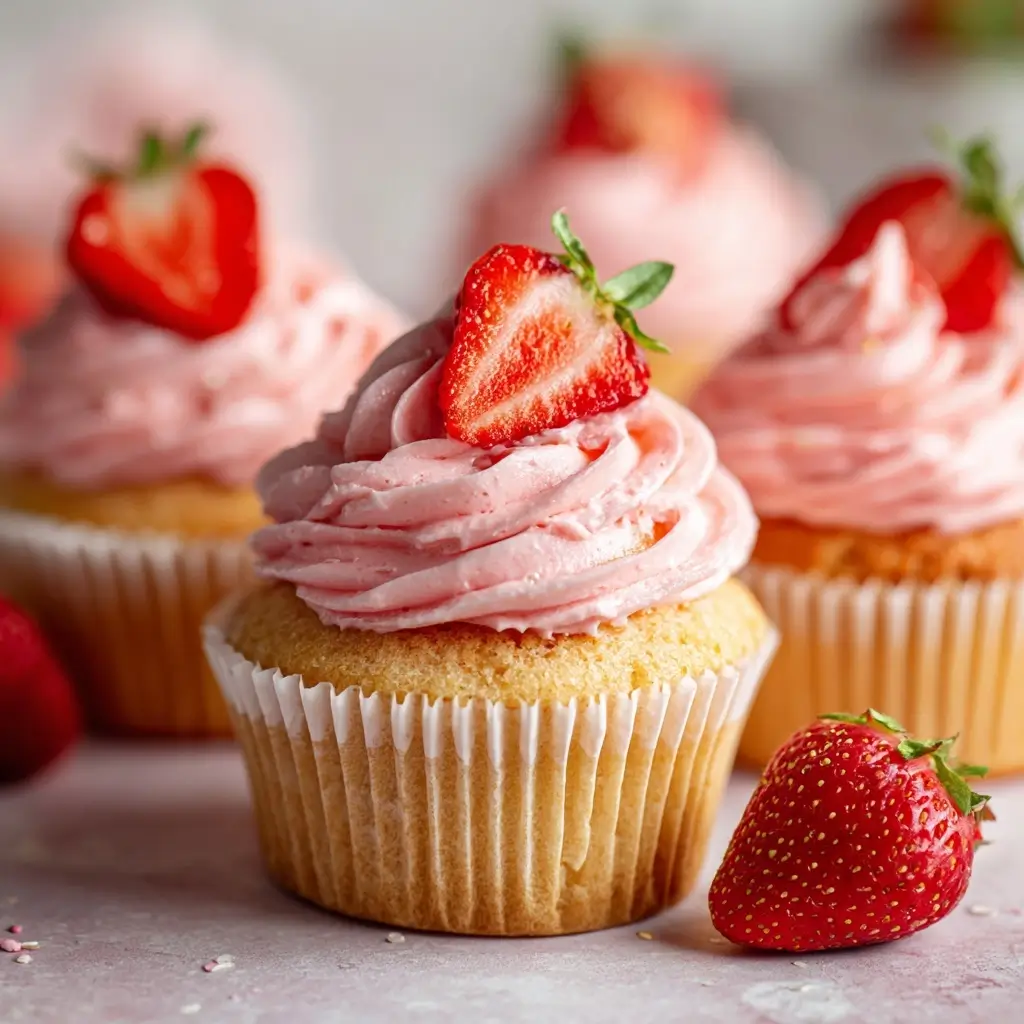
Dairy-free strawberry cupcakes are a vibrant, tender, and irresistibly fragrant treat that brings the essence of summer to every bite—without a trace of milk, butter, cream, or other dairy derivatives. Perfect for those with lactose intolerance, milk allergies, vegan lifestyles, or anyone seeking lighter, plant-based indulgence, these cupcakes deliver rich strawberry flavor, moist crumb structure, and delightful lift—all while remaining 100% dairy-free. Unlike traditional recipes that rely on butter and buttermilk for richness and tenderness, this version harnesses the natural emulsifying power of plant-based fats, the acidity of apple cider vinegar, and the concentrated sweetness of real strawberries to achieve exceptional texture and depth. Whether you’re baking for a birthday, classroom celebration, potluck, or simply treating yourself mindfully, these cupcakes prove that compassion, inclusivity, and culinary excellence go hand in hand.
The History
The evolution of dairy-free baking parallels broader societal shifts toward dietary awareness, ethical consumption, and medical necessity. While cupcakes themselves trace back to 19th-century American “cup cakes”—so named because ingredients were measured by the cup rather than weight—their dairy-free iteration emerged more recently, gaining momentum in the early 2000s alongside rising diagnoses of lactose intolerance (affecting an estimated 65% of the global population) and cow’s milk protein allergy (the most common food allergy in infants). The vegan movement further accelerated innovation, as bakers sought alternatives to butter, milk, and sour cream—not just as substitutes, but as functional, flavorful ingredients in their own right. Early dairy-free attempts often yielded dense, greasy, or bland results due to inadequate fat structure or poor acid-alkali balance; however, breakthroughs in plant-based emulsifiers (like aquafaba), improved non-dairy milks (oat, soy, and coconut varieties with optimized fat content), and refined understanding of starch gelatinization transformed dairy-free baking from compromise to craft. Strawberry, long beloved for its bright acidity and aromatic esters (notably ethyl butyrate and furaneol), became a natural flagship flavor—its vibrancy cutting through the potential heaviness of oil-based batters and complementing creamy dairy-free frostings. Today, dairy-free strawberry cupcakes represent not just accommodation—but celebration: a testament to how constraint can inspire creativity, and how simple fruit, thoughtful technique, and inclusive intention can yield something truly joyful.
Ingredients Breakdown
Every ingredient in this dairy-free strawberry cupcake recipe is intentionally selected for both function and flavor—no filler, no afterthoughts. Here’s why each component matters:
- Unsweetened Almond Milk (or Soy/Oat Milk): Provides liquid structure and subtle nuttiness (almond) or creaminess (soy/oat). Must be unsweetened and unflavored to avoid competing sweetness and off-notes. Soy milk is especially recommended for its higher protein content, which aids in batter stability and rise.
- Apple Cider Vinegar + Baking Soda: This dynamic duo creates an instant, gentle leavening reaction—producing carbon dioxide bubbles that lift the batter without metallic aftertaste. Vinegar also slightly curdles plant milk, mimicking buttermilk’s tenderizing effect on gluten.
- Refined Coconut Oil (or Cold-Pressed Avocado Oil): Solid at room temperature and stable when melted, refined coconut oil delivers the richness and mouthfeel of butter without coconut flavor. It contributes to a velvety crumb and helps retain moisture longer than many neutral oils. Avocado oil offers a similarly high smoke point and neutral profile, with added monounsaturated fats.
- Organic Cane Sugar (or Coconut Sugar for lower glycemic impact): Granulated sugar isn’t just for sweetness—it aerates the batter during creaming (even without butter), stabilizes air bubbles, and caramelizes during baking for golden crust development. Coconut sugar adds molasses-like depth and reduces glycemic load, though it yields a slightly denser, darker crumb.
- Flour Blend (All-Purpose + Cornstarch or Gluten-Free 1:1 Blend): For gluten-containing versions, adding 2 tbsp cornstarch per cup of all-purpose flour mimics cake flour’s low protein content, yielding ultra-tender crumb. For gluten-free bakers, a certified GF 1:1 blend containing xanthan gum ensures proper binding and elasticity—critical when dairy’s natural binding proteins are absent.
- Fresh, Ripe Strawberries (not frozen or canned): The heart of the recipe. Only peak-season, deeply red, fragrant berries will deliver authentic floral-sweet complexity. Underripe berries lack sugar and volatile aromatics; overripe ones introduce excess water, diluting flavor and compromising structure. Hull and finely dice (¼-inch pieces) to distribute evenly without sinking.
- Vanilla Bean Paste (not extract alone): Contains real scraped vanilla seeds suspended in thickened extract—adding visual speckling, robust aroma, and lingering warmth that balances strawberry’s brightness. Pure extract works, but paste elevates the sensory experience significantly.
- Sea Salt (fine, non-iodized): Enhances sweetness, suppresses bitterness, and harmonizes all flavors. Iodized salt can impart a medicinal note, especially in delicate fruit-forward bakes.
Step-by-Step Recipe
- Prep & Preheat: Line a standard 12-cup muffin tin with high-quality parchment liners (avoid wax-coated paper, which may melt or stick). Preheat oven to 350°F (175°C). Position rack in center third of oven for even heat circulation. Allow all wet ingredients (milk, oil, mashed strawberries) to reach room temperature—cold ingredients inhibit proper emulsion and lead to uneven mixing.
- Prepare “Vegan Buttermilk”: In a small bowl, whisk together 1 cup unsweetened almond milk and 1 tbsp apple cider vinegar. Let sit 5–7 minutes until slightly thickened and curdled. This step is non-negotiable—it activates the leavening chemistry before batter assembly begins.
- Combine Dry Ingredients: In a medium bowl, sift together 1 ½ cups all-purpose flour (or GF 1:1 blend), ½ cup organic cane sugar, 1 ½ tsp baking powder, ½ tsp baking soda, and ¼ tsp fine sea salt. Sifting prevents clumping and ensures even distribution of leaveners—critical for consistent rise and avoiding bitter pockets.
- Process Fresh Strawberries: Using a food processor or sharp knife, finely dice 1 cup (150g) hulled, ripe strawberries into uniform ¼-inch pieces. Then pulse *just once* to create a coarse purée—do not over-process into liquid. You want visible flecks of berry and a thick, jammy consistency that will suspend in batter without weeping.
- Cream Wet Base: In a large mixing bowl, whisk ¾ cup refined coconut oil (melted but cooled to 85–90°F), ½ cup granulated sugar, and 1 tsp vanilla bean paste until smooth and glossy—about 1 minute. This brief “creaming” incorporates micro-bubbles essential for lift and tenderness, even without dairy fat.
- Incorporate Dairy-Free Buttermilk & Strawberry Purée: Gradually add the prepared buttermilk mixture in three parts, whisking thoroughly after each addition until fully emulsified. Then fold in the strawberry purée with a silicone spatula using gentle, figure-eight motions—just until streaks disappear. Overmixing develops gluten (in wheat versions) or causes GF blends to become gummy.
- Integrate Dry Ingredients: Add dry mixture in two additions, folding with spatula after each until *just combined*. Batter will be thick, glossy, and studded with ruby-red specks. A few faint flour streaks are preferable to overworking. Let batter rest 10 minutes—this allows starches to hydrate fully and gluten (if present) to relax, resulting in more even bake and finer crumb.
- Fill & Bake: Use a 2-tablespoon ice cream scoop or measuring spoon to portion batter evenly—fill cups ⅔ full (≈¼ cup each). Gently tap tin twice on counter to release trapped air bubbles. Bake 18–22 minutes, rotating pan halfway through, until a toothpick inserted in center emerges with *moist crumbs* (not wet batter, not completely clean—clean indicates overbaking and dryness). Internal temperature should read 205–210°F (96–99°C).
- Cool Strategically: Let cupcakes cool in pan for exactly 5 minutes—long enough to set structure, short enough to prevent steam condensation that causes soggy bottoms. Then transfer carefully to a wire rack using an offset spatula. Cool completely (minimum 1 hour) before frosting. Warm cupcakes will melt frosting and absorb condensation.
Tips
- Strawberry Selection is Everything: Taste your berries raw before baking. If they’re bland or tart, macerate them first: toss diced berries with 1 tbsp sugar and ½ tsp lemon juice, let sit 15 minutes, then drain *all* liquid (reserve for syrup or smoothies). This concentrates flavor and removes excess moisture.
- Oil Temperature Matters: Melted coconut oil above 95°F can scramble the emulsion when mixed with cooler liquids. If it solidifies mid-mixing, gently re-warm bowl in warm water bath for 10 seconds—then whisk vigorously to re-emulsify.
- Don’t Skip the Rest: That 10-minute batter rest isn’t passive—it’s active hydration. Flour absorbs liquid, starches swell, and leaveners begin slow activation. Skipping it leads to tunnels, doming, or uneven crumb.
- Rotate & Monitor: Ovens lie. Use an oven thermometer. Rotate pans at 12 minutes—not just halfway—to counter hot spots. Start checking at 17 minutes; ovens vary wildly.
- Cooling Is Part of Baking: Trapped steam = dense, gummy centers. Never cover warm cupcakes with plastic or store in airtight containers. Let air circulate freely on a wire rack.
- Frosting Adhesion Hack: For flawless frosting application, chill completely cooled cupcakes in freezer for 10 minutes before piping. Cold surface prevents melting and provides “grip” for buttercream or whipped coconut cream.
- Freeze for Freshness: Unfrosted, fully cooled cupcakes freeze beautifully for up to 3 months. Wrap individually in parchment + foil, then place in airtight freezer bag. Thaw overnight in fridge, then bring to room temp before frosting.
Variations and Customizations
Flavor Twists
- Lemon-Strawberry Swirl: Add 1 tsp finely grated lemon zest + ½ tsp lemon juice to batter. Swirl in 2 tbsp lemon curd (dairy-free) before baking for marbled tang.
- Balsamic Reduction Glaze: Simmer ½ cup balsamic vinegar + 2 tbsp maple syrup until reduced by half and syrupy. Cool completely, then brush lightly over frosted cupcakes for sophisticated sweet-tart finish.
- White Chocolate–Strawberry: Fold in ⅓ cup dairy-free white chocolate chips (e.g., Enjoy Life or Pascha) along with strawberries. Top with white chocolate shavings post-frosting.
Dietary Adaptations
- Gluten-Free: Use certified GF 1:1 blend (Bob’s Red Mill or King Arthur). Add ½ tsp xanthan gum if blend doesn’t include it. Increase bake time by 1–2 minutes—GF batters often need extra set time.
- Refined Sugar-Free: Substitute coconut sugar 1:1, or use ⅔ cup date paste (blend 1 cup pitted dates + ⅓ cup warm water until smooth). Reduce added liquid by 2 tbsp to compensate.
- Oil-Free (Whole-Food Plant-Based): Replace coconut oil with ⅓ cup unsweetened applesauce + 2 tbsp almond butter. Expect denser, moister crumb—ideal for mini cupcakes or muffin-style servings.
Texture & Presentation Upgrades
- Stuffed Center: Place ½ tsp seedless raspberry jam or dairy-free strawberry compote in center of each cup before baking for molten surprise.
- Crunch Element: Mix ¼ cup crushed freeze-dried strawberries + 1 tbsp granulated sugar; sprinkle over batter pre-bake for vibrant color and crisp-tender contrast.
- Mini Cupcakes: Fill mini muffin tin ¾ full; bake 10–12 minutes. Yields ~36 delicate bites—perfect for parties or portion control.
Health Considerations and Nutritional Value
While cupcakes are inherently a treat—not a meal replacement—this dairy-free version offers meaningful nutritional advantages over conventional counterparts:
- No Cholesterol or Lactose: Naturally free of dietary cholesterol and lactose, making them safe for individuals with hypercholesterolemia, lactose intolerance, or cow’s milk allergy (CMA). Note: Always verify all ingredients (e.g., vanilla paste, baking powder) are certified dairy-free, as some brands use lactose as a filler.
- Heart-Healthy Fats: Refined coconut oil provides medium-chain triglycerides (MCTs) readily metabolized for energy, while avocado oil contributes oleic acid (a monounsaturated fat linked to reduced LDL cholesterol). Both lack trans fats and inflammatory omega-6 overload common in generic vegetable oils.
- Antioxidant-Rich Fruit: Fresh strawberries deliver vitamin C (149% DV per cup), folate, potassium, and anthocyanins—the pigments responsible for their red hue—which demonstrate anti-inflammatory, neuroprotective, and cardiovascular benefits in clinical studies.
- Lower Glycemic Impact Options: Using coconut sugar (GI ~35 vs. cane sugar’s ~65) or date paste slows glucose absorption. Pairing with fiber-rich GF flours (oat, teff, or sorghum-based blends) further moderates blood sugar response.
- Reduced Additives: Homemade versions avoid artificial colors (Red #40), preservatives (calcium propionate), and hydrogenated oils found in commercial dairy-free cupcakes—supporting cleaner label preferences and gut health.
- Nutritional Snapshot (per standard cupcake, unfrosted): ≈ 165 kcal | 7g fat (5g sat) | 24g carbs (14g sugars) | 2g protein | 0mg cholesterol | 115mg sodium | 1g fiber | 75mg vitamin C. Frosting adds variable calories—opt for coconut whip (≈35 kcal/tbsp) or cashew cream (≈60 kcal/tbsp) to keep totals mindful.
Important Note: Those with tree nut allergies should substitute oat or soy milk and sunflower seed butter for oil where needed. Always consult a registered dietitian or allergist when adapting recipes for medical diets.
Ingredients
- 1 cup (240ml) unsweetened almond milk (or soy/oat milk)
- 1 tablespoon apple cider vinegar
- 1 ½ cups (180g) all-purpose flour (or certified gluten-free 1:1 baking blend)
- ½ cup (100g) organic cane sugar (or coconut sugar)
- 1 ½ teaspoons aluminum-free baking powder
- ½ teaspoon baking soda
- ¼ teaspoon fine sea salt
- ¾ cup (170g) refined coconut oil, melted and cooled to 85–90°F
- 1 teaspoon pure vanilla bean paste (or 1 ½ tsp pure vanilla extract)
- 1 cup (150g) fresh, hulled, finely diced ripe strawberries, processed to coarse purée (see Step-by-Step)
Directions
- Preheat oven to 350°F (175°C). Line a 12-cup muffin tin with parchment cupcake liners.
- In a small bowl, whisk almond milk and apple cider vinegar. Let sit 5–7 minutes until curdled.
- In a medium bowl, sift together flour, sugar, baking powder, baking soda, and salt.
- Finely dice strawberries, then pulse once in food processor to coarse purée (do not liquefy).
- In a large bowl, whisk melted coconut oil, sugar, and vanilla paste until smooth and glossy (~1 min).
- Gradually whisk in the “buttermilk” mixture in three parts, fully incorporating between each.
- Fold in strawberry purée until just combined.
- Add dry ingredients in two parts, folding gently with spatula until *just* no dry streaks remain. Do not overmix.
- Let batter rest 10 minutes at room temperature.
- Fill lined cups ⅔ full (~¼ cup batter each). Tap pan firmly twice on counter.
- Bake 18–22 minutes, rotating pan at 12 minutes, until toothpick shows moist crumbs.
- Cool in pan 5 minutes, then transfer to wire rack. Cool completely (≥1 hour) before frosting.
FAQ
- Can I use frozen strawberries?
- Not recommended for the batter—they release too much icy water, diluting flavor and causing tunneling. However, thawed, well-drained frozen berries work *excellently* for dairy-free strawberry compote used in fillings or swirls.
- Why did my cupcakes sink in the center?
- Most common causes: (1) Underbaking—pull them too soon; (2) Opening oven door before 16 minutes; (3) Too much liquid—over-puréed berries or undrained “buttermilk”; (4) Expired leaveners—test baking powder in hot water (should fizz vigorously).
- My frosting is runny—what went wrong?
- Dairy-free frostings rely on precise fat-to-sugar ratios and temperature. Coconut cream must be chilled overnight and only the solid cream scooped (discard liquid). Cashew cream requires thorough soaking and high-speed blending. If too soft, chill bowl and beaters 15 minutes, then re-whip with 1 tbsp powdered sugar to stabilize.
- Can I make these egg-free too?
- Absolutely—they already are! This recipe contains zero eggs. The leavening relies entirely on vinegar + baking soda + baking powder, and structure comes from properly hydrated flour and emulsified oil. It’s naturally vegan.
- How do I store leftovers?
- Unfrosted cupcakes: Store airtight at room temperature up to 2 days, or refrigerate up to 5 days. Frosted cupcakes: Refrigerate up to 4 days—bring to room temp 30 minutes before serving for best texture. Freeze unfrosted cupcakes up to 3 months (see Tips section).
- Can I use strawberry extract instead of fresh berries?
- You can—but it won’t replicate the nuanced flavor, moisture, or visual appeal. If using, reduce liquid by 2 tbsp and add 1 ½ tsp high-quality strawberry extract *with* 2 tbsp freeze-dried strawberry powder for depth and color. Fresh is always superior.
- Why is my crumb dense or gummy?
- Overmixing is the #1 culprit—it develops excess gluten (in wheat versions) or over-activates gums in GF blends. Also check: expired leaveners, too-cold ingredients inhibiting emulsion, or inaccurate flour measurement (use kitchen scale: 1 cup AP flour = 120g).
Summary
Dairy-free strawberry cupcakes are a masterclass in plant-powered baking—delivering lush strawberry flavor, tender crumb, and joyful vibrancy without a drop of milk, butter, or cream. Through smart ingredient synergy (vinegar-activated leavening, refined coconut oil richness, and fresh berry integrity), they honor tradition while embracing inclusivity, nutrition, and uncompromised delight.
Whether you’re navigating dietary restrictions, choosing compassionate eating, or simply craving a brighter, fresher dessert, these cupcakes prove that limitation is the birthplace of innovation—and that the sweetest moments are often the most thoughtfully crafted.