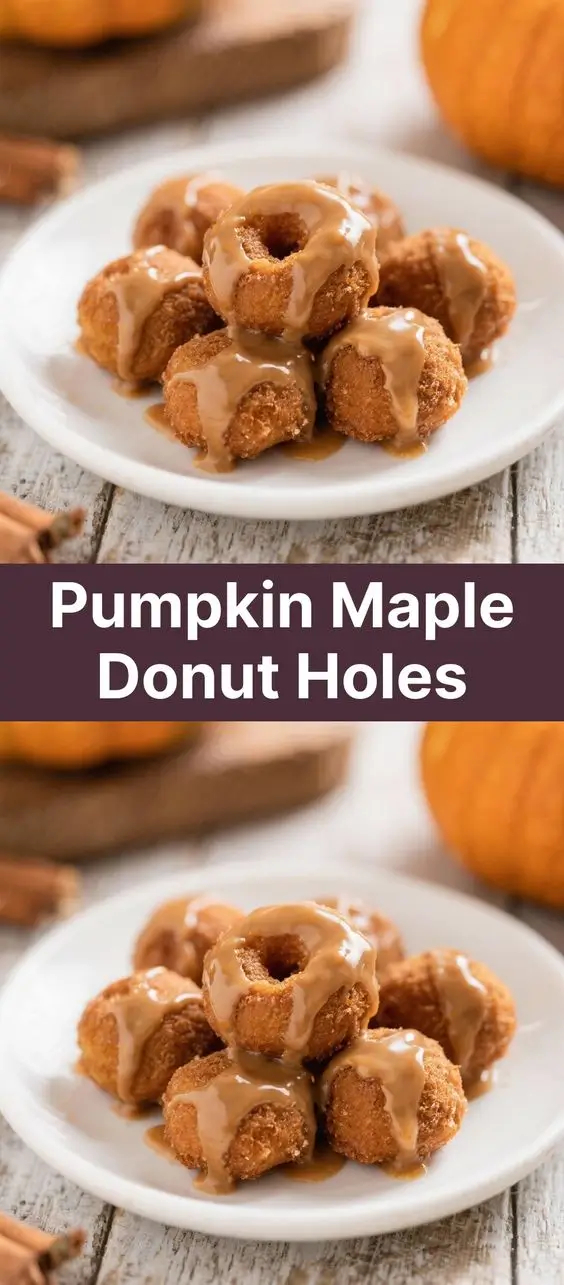
Pumpkin Maple Donut Holes: A Cozy Fall Treat You Can’t Resist
The History of Pumpkin Maple Donut Holes
The story of pumpkin maple donut holes begins at the intersection of American culinary traditions—where New England’s love for maple syrup meets the fall obsession with pumpkin. While deep-fried dough treats have existed for centuries, originating in ancient Rome and spreading across Europe through Dutch oliebollen and German Berliners, the modern American donut took shape in the 19th century. The innovation of spherical donut holes followed as bakers sought to use up scraps or simply offer a bite-sized version of their creations.
Enter pumpkin—a staple of Native American agriculture and a key ingredient in early American pies and breads. By the late 1800s, canned pumpkin became widely available, making it easier than ever to incorporate into baked goods. Meanwhile, maple syrup, harvested from sugar maple trees during early spring, has been used by Indigenous peoples of North America for generations. It wasn’t until the 20th century that pumpkin and maple began appearing together in recipes, especially as seasonal flavors gained popularity in cafes and home kitchens alike.
Pumpkin maple donut holes emerged more recently, likely inspired by the seasonal menu trends at artisanal bakeries and coffee shops in the 2000s. With the rise of pumpkin spice lattes and autumn-themed pastries, creative bakers began experimenting with combining moist pumpkin cake batter and rich maple glaze in small, fried packages. These bite-sized delights quickly became a favorite at farmers markets, brunch spreads, and holiday gatherings—offering all the warmth of fall in one sweet, pillowy morsel.
Ingredients Breakdown: What Makes This Recipe Shine
The magic of pumpkin maple donut holes lies not just in their flavor, but in the thoughtful combination of wholesome ingredients that create a tender crumb, vibrant color, and aromatic richness. Let’s dive deep into each component:
- Canned Pumpkin Puree: Not to be confused with pumpkin pie filling, pure pumpkin puree adds moisture, body, and earthy sweetness. It’s packed with fiber and vitamin A, giving these donut holes both texture and nutrition.
- All-Purpose Flour: Provides the structural foundation. Some bakers substitute part of it with whole wheat or gluten-free flour blends for dietary needs.
- Granulated Sugar & Brown Sugar: Granulated sugar lightens the texture, while brown sugar contributes molasses notes and enhances moisture retention thanks to its hygroscopic nature.
- Baking Powder & Baking Soda: Leavening agents work together—baking powder offers lift, while baking soda reacts with acidic components (like buttermilk and pumpkin) for extra fluffiness.
- Spices – Cinnamon, Nutmeg, Ginger, Allspice, Clove: This quintessential “pumpkin spice” blend warms the palate and complements both pumpkin and maple. Freshly ground spices yield the best aroma and depth.
- Salt: Balances sweetness and enhances overall flavor complexity.
- Eggs: Bind ingredients together, add richness, and contribute to structure through protein coagulation during frying.
- Buttermilk: Adds tanginess and activates baking soda for better rise. Its acidity also tenderizes gluten strands for a softer texture.
- Vanilla Extract: Deepens the flavor profile with warm, floral undertones.
- Unsalted Butter (melted): Enriches the batter with a luxurious mouthfeel and subtle dairy richness.
- Vegetable Oil (for frying): Neutral-flavored oils like canola or peanut oil ensure even cooking without overpowering the delicate spices.
For the glaze:
- Pure Maple Syrup: Use Grade A or B—Grade B offers a deeper, more robust flavor ideal for baking. Avoid pancake syrups full of corn syrup; they lack authentic maple character.
- Powdered Sugar: Forms the base of the glaze, dissolving smoothly into a glossy finish.
- Milk or Cream: Thins the glaze to dipping consistency. Heavy cream adds extra silkiness.
- Maple Extract (optional): Intensifies the maple flavor if your syrup is mild.
- Salted Butter (melted, optional in glaze): Adds sheen and balances sweetness.
Step-by-Step Recipe: How to Make Perfect Pumpkin Maple Donut Holes
Follow this detailed guide to achieve golden-brown, tender donut holes with a silky maple glaze coating every curve.
Ingredients
For the Donut Holes:
- 1 cup (240g) canned pumpkin puree (not pie filling)
- 1 ½ cups (190g) all-purpose flour
- ¾ cup (150g) granulated sugar
- ¼ cup (50g) brown sugar, packed
- 2 tsp baking powder
- ½ tsp baking soda
- 1 ½ tsp ground cinnamon
- ½ tsp ground nutmeg
- ¼ tsp ground ginger
- ¼ tsp ground allspice
- ⅛ tsp ground cloves
- ½ tsp salt
- 2 large eggs
- ⅓ cup (80ml) buttermilk
- 1 tsp vanilla extract
- ¼ cup (60g) unsalted butter, melted and cooled
- Vegetable oil, for frying (about 4–6 cups, depending on pot size)
For the Maple Glaze:
- 1 ½ cups (180g) powdered sugar, sifted
- ¼ cup (60ml) pure maple syrup
- 2–3 tbsp milk or heavy cream
- 1 tsp maple extract (optional)
- 1 tbsp unsalted butter, melted (optional)
- Pinch of salt
Directions
- Prepare Equipment: Set up a deep, heavy-bottomed pot (Dutch oven works well) with at least 3 inches of space above the oil line. Attach a deep-fry thermometer to monitor temperature. Line a baking sheet with paper towels and place a wire rack on top for draining.
- Heat the Oil: Pour about 2–3 inches of vegetable oil into the pot. Heat over medium heat until it reaches 350°F (175°C). Maintaining this temperature is crucial—too hot, and the outside burns before the inside cooks; too cool, and the donuts absorb excess oil.
- Mix Dry Ingredients: In a large mixing bowl, whisk together flour, granulated sugar, brown sugar, baking powder, baking soda, cinnamon, nutmeg, ginger, allspice, cloves, and salt. Ensure spices are evenly distributed.
- Combine Wet Ingredients: In another bowl, beat eggs lightly. Add pumpkin puree, buttermilk, vanilla extract, and melted butter. Stir until smooth and fully combined.
- Create the Batter: Gradually pour the wet mixture into the dry ingredients. Gently fold using a spatula until just incorporated. Do not overmix—lumps are okay! Overworking develops gluten and leads to tough donuts.
- Fill the Piping Bag: Transfer the thick batter into a piping bag fitted with a large round tip (about ½ inch wide). Alternatively, use a resealable plastic bag with one corner snipped off.
- Fry the Donut Holes: Carefully pipe the batter directly into the hot oil, cutting each stream with kitchen scissors or a knife to release 1-inch rounds. Fry 5–6 donut holes at a time, depending on pot size. Cook for 2–3 minutes per side, turning once, until puffed and golden brown.
- Drain and Cool: Remove with a slotted spoon or spider strainer and place on the wire rack over paper towels. Let cool slightly while you fry the remaining batches. Replenish oil as needed and allow temperature to stabilize between batches.
- Make the Glaze: While donuts cool, prepare the glaze. In a medium bowl, whisk powdered sugar, maple syrup, 2 tablespoons milk, maple extract (if using), melted butter, and salt. Add more milk, one teaspoon at a time, until the glaze reaches a smooth, dip-able consistency—not too runny, not too thick.
- Glaze the Donuts: Once donut holes are warm but not hot (about 5–10 minutes after frying), dip each one into the glaze, swirling gently to coat evenly. Allow excess to drip off, then place back on the wire rack to set.
- Serve: Enjoy immediately while still soft and fragrant. For extra flair, sprinkle with crushed pecans, cinnamon sugar, or edible gold dust before the glaze hardens.
Tips for Success: Mastering Your Donut Game
- Temperature Control Is Key: Invest in a reliable deep-fry thermometer. Fluctuating oil temps ruin texture. If donuts brown too fast, lower the heat. If they float but don’t brown, raise it slightly.
- Don’t Overcrowd the Pot: Adding too many donuts at once drops the oil temperature dramatically, leading to greasy results.
- Use Fresh Leavening Agents: Baking powder loses potency after 6 months. Test yours by mixing 1 tsp with 1/3 cup hot water—if it doesn’t fizz vigorously, replace it.
- Room Temperature Ingredients: Cold eggs or buttermilk can cause the batter to seize or curdle when mixed with melted butter. Let them sit out for 30 minutes first.
- Consistent Size Matters: Uniform donut holes cook evenly. Aim for 1-inch diameter puffs. Too large, and centers stay raw; too small, and they dry out.
- Glaze When Slightly Warm: Warm donuts help the glaze adhere better without melting completely. Fully cooled donuts may not hold the glaze as well.
- Double Glaze for Extra Shine: After the first layer sets (about 10 minutes), dip again for a thicker, restaurant-quality finish.
- Sift the Powdered Sugar: Prevents lumps in the glaze for a perfectly smooth coating.
Variations and Customizations: Make It Your Own
While classic pumpkin maple donut holes are heavenly, feel free to experiment with flavors, textures, and dietary preferences.
Flavor Twists:
- Bourbon Maple Glaze: Add 1–2 tbsp bourbon to the glaze for a sophisticated, smoky-sweet kick.
- Spiced Chai Glaze: Infuse warm milk with chai tea bags, then strain and use in the glaze. Add cardamom and black pepper for intrigue.
- Toasted Pecan Crunch: Roll glazed donuts in finely chopped toasted pecans for added texture and Southern flair.
- Dark Chocolate Drizzle: Melt dark chocolate and drizzle over set maple glaze for a decadent contrast.
Dietary Modifications:
- Gluten-Free: Substitute all-purpose flour with a high-quality 1:1 gluten-free blend containing xanthan gum. Add an extra ½ tsp baking powder for lift.
- Dairy-Free: Replace buttermilk with almond milk + 1 tsp vinegar (let sit 5 minutes), and use coconut oil instead of butter. Use oat or soy milk in the glaze.
- Vegan Option: Use flax eggs (2 tbsp ground flaxseed + 5 tbsp water, let gel for 10 mins), plant-based butter, and dairy-free milk. Fry in neutral oil and ensure sugar is vegan-certified.
- Lower Sugar: Reduce sugars in the batter by 25%, and use monk fruit sweetener in the glaze. Note: texture may be less tender.
Cooking Methods:
- Baked Donut Holes: Pipe into greased mini muffin tin and bake at 375°F (190°C) for 10–12 minutes. Less crispy, but healthier and easier.
- Air Fryer Version: Spray formed balls lightly with oil and air fry at 350°F (175°C) for 6–8 minutes, shaking halfway. Best for reheating, not original texture.
- Mini Donut Maker: Use a dedicated appliance for quick, consistent shapes with minimal mess.
Health Considerations and Nutritional Value
While undeniably indulgent, pumpkin maple donut holes do offer some nutritional benefits—especially when made with care.
Nutrition Per Serving (Approximate, 3 donut holes without extras):
- Calories: ~280 kcal
- Total Fat: 12g (mostly from frying oil and butter)
- Saturated Fat: 4g
- Cholesterol: 55mg
- Sodium: 220mg
- Total Carbohydrates: 40g
- Dietary Fiber: 2g (from pumpkin and whole grains if substituted)
- Sugars: 28g (including natural and added)
- Protein: 4g
- Vitamin A: Over 100% DV (thanks to pumpkin)
- Calcium & Iron: Moderate amounts from enriched flour and egg
Health Notes:
- Pumpkin Power: Rich in beta-carotene (converted to vitamin A), antioxidants, and fiber, which supports eye health and digestion.
- Maple Syrup vs. Refined Sugar: Contains trace minerals like manganese and zinc, though still high in sucrose. Moderation is key.
- Fried Foods: High in calories and fat due to oil absorption. Baking reduces fat content by up to 60%.
- Portion Awareness: Serve 2–3 per person as a treat, not a meal. Pair with Greek yogurt or apple slices for balance.
- Allergens: Contains eggs, dairy, wheat, and tree nuts (if using pecans). Always label accordingly for guests.
FAQ: Frequently Asked Questions
Can I make the batter ahead of time?
Yes, refrigerate the batter in an airtight container for up to 24 hours. Stir gently before piping, as separation may occur.
How long do pumpkin donut holes last?
Best eaten the day they’re made. Store leftovers in an airtight container at room temperature for up to 2 days. Reheat briefly in toaster oven to refresh.
Can I freeze them?
Yes! Freeze unglazed donut holes on a tray, then transfer to freezer bags. Keep for up to 2 months. Thaw and reheat before glazing.
Why did my donut holes come out dense?
Likely causes: expired leavening agents, overmixed batter, oil too cold, or underproofed. Check each step carefully.
Can I use fresh pumpkin instead of canned?
Yes, but roast and puree it first, then strain through cheesecloth to remove excess water. Canned is more concentrated and convenient.
What oil is best for frying?
Choose oils with high smoke points and neutral taste: peanut, canola, safflower, or vegetable oil. Avoid olive oil (low smoke point, strong flavor).
Can kids help make these?
Absolutely! Let them mix batter, operate the piping bag (with supervision), or decorate with glaze and toppings. A fun fall family activity!
Are there any substitutes for buttermilk?
Yes: mix 1 tbsp lemon juice or white vinegar with 1 cup milk and let sit 5 minutes. Or use plain yogurt thinned with milk.
Summary
Pumpkin maple donut holes bring together the cozy essence of fall—warm spices, velvety pumpkin, and rich maple—in a delightful, bite-sized package perfect for sharing or savoring solo.
Fried to golden perfection and draped in a luscious homemade glaze, these treats are sure to become a seasonal favorite in your home.