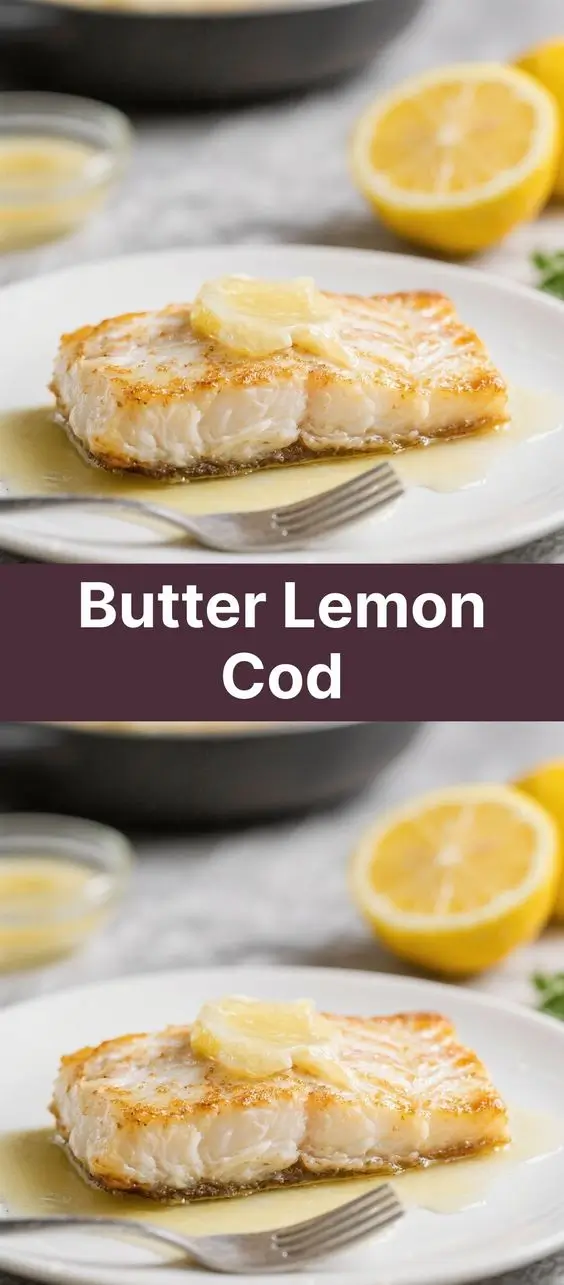
Butter Lemon Cod: A Delicate Symphony of Flavors
Butter Lemon Cod is a culinary masterpiece that marries the natural tenderness of cod fish with the bright, zesty notes of lemon and the rich creaminess of butter. Revered by seafood lovers and home cooks alike, this dish stands as a testament to the beauty of simplicity in cooking. With its flaky white flesh and mild flavor, cod serves as the perfect canvas for the bold yet balanced combination of citrus and dairy. Whether you’re preparing a romantic dinner, hosting guests, or simply treating yourself to a gourmet-style meal at home, Butter Lemon Cod delivers elegance without complexity.
The History of Butter Lemon Cod
The roots of Butter Lemon Cod can be traced back to coastal European cuisines, particularly those of France, Italy, and Portugal, where fresh seafood has long been celebrated. In French cuisine, dishes like Poisson au Beurre Blanc laid the foundation for using butter and acid (often vinegar or wine) to create luscious sauces that enhance rather than overpower delicate fish. Over time, home chefs began simplifying these techniques, replacing complex reductions with fresh lemon juice and browned butter for quicker, more approachable meals.
Lemon has historically been used not only for flavor but also as a method of preserving and tenderizing fish, especially before refrigeration was widely available. Mediterranean cultures frequently paired lemon with olive oil and herbs, while Northern European traditions leaned toward butter-based preparations due to the availability of dairy. The fusion of these culinary philosophies gave rise to modern recipes like Butter Lemon Cod—a harmonious blend of rustic charm and refined taste.
In recent decades, the dish has gained popularity worldwide thanks to the global emphasis on healthy, flavorful, and quick-to-prepare meals. Its presence on restaurant menus and food blogs reflects its status as a go-to recipe for both novice and experienced cooks who appreciate clean ingredients and vibrant flavors.
Ingredients Breakdown: What Makes This Dish Shine?
The magic of Butter Lemon Cod lies in its minimalism—each ingredient plays a crucial role in building layers of flavor and texture. Let’s examine them in detail:
- Cod Fillets: Fresh, sustainably sourced Atlantic or Pacific cod is ideal. It has a firm yet flaky texture that holds up well during cooking without falling apart. Look for fillets that are translucent, moist, and have a clean ocean scent.
- Unsalted Butter: Using unsalted butter allows control over the salt content. When browned, it develops nutty, caramelized notes known as beurre noisette, which elevate the dish significantly.
- Fresh Lemons: Both the zest and juice are essential. Zest provides aromatic oils bursting with citrus fragrance, while freshly squeezed juice adds acidity that cuts through the richness of the butter.
- Garlic: Adds depth and warmth. Minced or thinly sliced garlic gently sautéed in butter infuses the entire dish with savory complexity.
- Extra Virgin Olive Oil: Used to coat the fish or aid in searing, it contributes a fruity undertone and helps prevent sticking.
- Fresh Herbs: Parsley is classic, but dill, chives, or thyme can also complement the fish beautifully. They add freshness and color, especially when added at the end.
- Salt and Pepper: Sea salt enhances natural flavors, while freshly cracked black pepper brings subtle heat and aroma.
- Dry White Wine (optional): Deglazes the pan and adds acidity and fruitiness to the sauce. Sauvignon Blanc or Pinot Grigio work best.
- Shallots (optional): For a sweeter, milder onion flavor, finely diced shallots can be sautéed before adding butter and lemon.
Step-by-Step Recipe: How to Make Perfect Butter Lemon Cod
- Prepare the Cod: Remove the cod from the refrigerator 15–20 minutes before cooking to bring it closer to room temperature. Pat each fillet dry with paper towels—this ensures proper browning. Season both sides lightly with sea salt and freshly ground black pepper.
- Preheat the Pan: Heat a large non-stick or stainless steel skillet over medium heat. Add 1 tablespoon of olive oil and swirl to coat the bottom evenly.
- Sear the Fish: Place the cod fillets in the pan, skin-side down if they have skin. Cook undisturbed for 4–5 minutes until golden brown and slightly crisp. Use a thin spatula to carefully flip the fillets and cook for another 3–4 minutes on the other side. The internal temperature should reach 145°F (63°C), and the flesh should flake easily with a fork. Transfer to a plate and cover loosely with foil to keep warm.
- Make the Lemon Butter Sauce: Reduce the heat to low. In the same pan (to capture all the flavorful browned bits), add 3 tablespoons of unsalted butter. Once melted, stir in 1–2 minced garlic cloves and cook for 30 seconds until fragrant—do not let it burn.
- Add Liquid Elements: Pour in ¼ cup of dry white wine (optional) and simmer for 1–2 minutes to reduce slightly. Then, add the juice of half a lemon (about 2 tablespoons). Stir gently.
- Brown the Butter (Optional for Extra Flavor): Increase the heat slightly and continue cooking the butter mixture until it turns golden-brown and emits a nutty aroma—this takes about 2–3 minutes. Watch closely to avoid burning.
- Finish the Sauce: Remove from heat and stir in 1 teaspoon of lemon zest and 1–2 tablespoons of chopped fresh parsley. For extra richness, swirl in an additional tablespoon of cold butter off the heat to create a silky emulsion.
- Plate and Serve: Spoon the warm lemon butter sauce generously over the cooked cod fillets. Garnish with additional lemon slices, fresh herbs, and a sprinkle of zest for presentation.
Pro Tips for Success
- Don’t Overcook the Cod: Cod is lean and cooks quickly. Overcooking leads to dry, rubbery texture. Err on the side of slight underdoneness—it will continue to cook slightly after removal from the pan.
- Dry the Fish Thoroughly: Moisture is the enemy of searing. Wet fillets steam instead of brown, so drying them well is essential for achieving a golden crust.
- Use Fresh Lemon Juice Only: Bottled lemon juice lacks brightness and often contains preservatives that alter the taste. Always opt for fresh lemons.
- Baste the Fish: During the last minute of cooking, tilt the pan and spoon hot butter over the top of the fillets for even more flavor and moisture.
- Rest Before Serving: Letting the fish rest for 2–3 minutes after cooking allows juices to redistribute, resulting in a moister bite.
- Choose Sustainable Cod: Look for MSC-certified or responsibly farmed cod to support environmental sustainability.
Variations and Customizations
One of the greatest strengths of Butter Lemon Cod is its adaptability. Here are several creative twists to suit different tastes and dietary needs:
- Mediterranean Style: Add capers, kalamata olives, sun-dried tomatoes, and oregano to the sauce for a briny, bold twist inspired by Greek and Italian coasts.
- Herb-Crusted Cod: Before searing, coat the fillets with a mixture of breadcrumbs, parsley, dill, lemon zest, and a touch of Dijon mustard for a crunchy crust.
- Spicy Kick: Infuse the butter with red pepper flakes or add a dash of cayenne for a gentle heat that contrasts beautifully with the citrus.
- Creamy Lemon Butter Sauce: Stir in 2–3 tablespoons of heavy cream or crème fraîche for a richer, velvety sauce—perfect for serving over rice or pasta.
- Asian-Inspired Fusion: Replace some lemon juice with yuzu or rice vinegar, add ginger, soy sauce, and a drizzle of sesame oil for an umami-rich variation.
- Oven-Baked Version: Arrange seasoned cod fillets in a baking dish, pour lemon butter sauce over them, and bake at 375°F (190°C) for 12–15 minutes for a hands-off approach.
- Grilled Butter Lemon Cod: Marinate the fish in lemon juice, olive oil, garlic, and herbs for 20 minutes, then grill over medium heat for smoky, charred notes.
- Dairy-Free Option: Substitute butter with high-quality olive oil or vegan butter alternative. Add a bit of nutritional yeast for depth.
- Low-Sodium Version: Use reduced-sodium seasonings and increase herbs, lemon, and spices to maintain flavor without excess salt.
Health Considerations and Nutritional Value
Butter Lemon Cod isn’t just delicious—it’s also packed with nutritional benefits, making it an excellent choice for health-conscious eaters.
Nutrient Highlights:
- High-Quality Protein: A 6-ounce serving of cod contains approximately 35–40 grams of protein, supporting muscle repair, satiety, and overall metabolic function.
- Low in Calories and Fat: Cod itself is very lean, with only about 120 calories per 6 oz. The addition of butter increases fat content, but primarily unsaturated fats when prepared mindfully.
- Rich in Omega-3 Fatty Acids: While not as high as fatty fish like salmon, cod still provides beneficial EPA and DHA, which support heart and brain health.
- Vitamin B12: Essential for nerve function and red blood cell formation—one serving covers over 100% of daily needs.
- Selenium: A powerful antioxidant mineral found abundantly in cod, supporting thyroid health and immune defense.
- Phosphorus and Iodine: Important for bone health and proper thyroid hormone production, respectively.
Considerations:
- Butter Content: While flavorful, excessive butter can increase saturated fat intake. To balance, use moderate amounts and consider finishing with olive oil.
- Lemon Acidity: Those with acid reflux or sensitive stomachs may need to reduce lemon juice or consume with complex carbohydrates to buffer acidity.
- Sodium Levels: Control salt carefully, especially for individuals managing hypertension. Use herbs and citrus for flavor instead of relying on salt.
- Allergens: Contains fish and dairy (if using butter). Always inform guests of potential allergens.
Complete Ingredients List
- 4 fresh cod fillets (about 6 oz each), skin-on or skinless
- 3 tbsp unsalted butter (divided)
- 1 tbsp extra virgin olive oil
- 2 cloves garlic, minced
- Juice of 1 large lemon (about 3–4 tbsp)
- 1 tsp lemon zest (from one lemon)
- ¼ cup dry white wine (e.g., Sauvignon Blanc or Pinot Grigio) – optional
- 2 tbsp fresh parsley, finely chopped
- ½ tsp sea salt (or to taste)
- Freshly ground black pepper to taste
- Lemon slices and extra herbs for garnish
Detailed Directions
- Bring cod fillets to room temperature by removing from the fridge 15–20 minutes prior to cooking. Pat dry thoroughly with paper towels.
- Season both sides of each fillet with sea salt and freshly ground black pepper.
- Heat a large skillet over medium heat. Add olive oil and swirl to coat the pan.
- Place cod fillets in the pan, ensuring they are not touching. Sear for 4–5 minutes on the first side until golden and releases easily from the pan.
- Carefully flip using a thin spatula and cook for another 3–4 minutes until opaque throughout and flaky when tested with a fork.
- Transfer cooked cod to a serving platter and cover lightly with foil.
- Reduce heat to low. In the same skillet, melt 2 tablespoons of butter.
- Add minced garlic and sauté for 30 seconds until fragrant but not browned.
- If using, pour in white wine and simmer for 1–2 minutes until slightly reduced.
- Add lemon juice and simmer gently for another minute.
- For beurre noisette, increase heat slightly and cook butter until it turns golden-brown and nutty—about 2–3 minutes. Monitor closely.
- Remove from heat. Stir in lemon zest, chopped parsley, and remaining 1 tablespoon of cold butter to finish the sauce.
- Taste and adjust seasoning with salt and pepper if needed.
- Drizzle the warm lemon butter sauce over the cod fillets.
- Garnish with lemon slices, fresh herbs, and a sprinkle of zest.
- Serve immediately with sides such as steamed vegetables, quinoa, roasted potatoes, or crusty bread to soak up the sauce.
Frequently Asked Questions (FAQ)
Can I use frozen cod?
Yes, but thaw it completely in the refrigerator overnight. Never cook frozen cod directly—it will release too much water and won’t sear properly. After thawing, pat dry thoroughly before seasoning.
What can I substitute for cod?
Haddock, pollock, halibut, or tilapia make excellent substitutes. All are mild, white fish with similar textures.
Can I make this ahead of time?
The sauce is best made fresh, but you can prep ingredients (chop herbs, mince garlic, juice lemon) ahead of time. Assemble and cook just before serving for optimal texture.
Is this recipe keto-friendly?
Absolutely! With no carbs in the base ingredients (except trace amounts in lemon), this dish fits perfectly into a ketogenic diet, especially when served with low-carb sides like sautéed spinach or cauliflower rice.
Why did my fish stick to the pan?
This usually happens if the pan wasn’t hot enough or the fish wasn’t dry. Ensure the skillet is properly preheated and the fillets are patted dry before placing them in the oil.
Can I reheat leftovers?
Reheat gently in a covered skillet over low heat with a splash of water or broth to prevent drying out. Microwave reheating is not recommended as it can make the fish rubbery.
How do I know when cod is fully cooked?
Cooked cod turns opaque white and flakes easily with a fork. The internal temperature should read 145°F (63°C) on a food thermometer.
Can I use margarine instead of butter?
It’s not recommended. Margarine has a higher water content and artificial flavors that don’t deliver the same rich, creamy result. Stick to real butter for authentic taste and texture.
Can children eat this dish?
Yes, it’s an excellent source of protein and nutrients for kids. You may want to reduce the amount of garlic or lemon juice depending on their taste preferences.
Is Butter Lemon Cod safe during pregnancy?
Yes, cod is low in mercury and considered safe for consumption during pregnancy in moderation (2–3 servings per week). Just ensure it’s fully cooked to 145°F.
Summary
Butter Lemon Cod is a light, elegant dish that combines flaky cod with a rich, citrus-infused brown butter sauce for a restaurant-quality meal in under 30 minutes. Packed with protein, omega-3s, and vibrant flavors, it’s both nutritious and deeply satisfying.