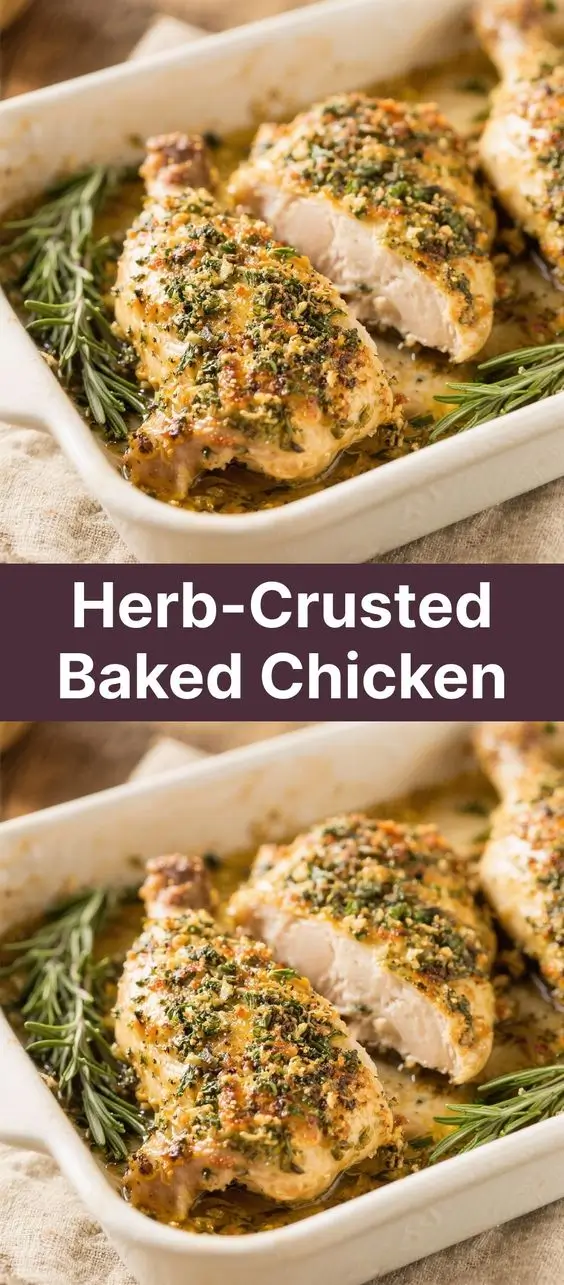
Herb-Crusted Baked Chicken: A Flavorful, Healthy Delight
The History of Herb-Crusted Baked Chicken
While chicken has been a staple in human diets for thousands of years, the concept of herb-crusted baked chicken is a relatively modern culinary innovation that reflects the growing appreciation for rustic, flavorful, and health-conscious cooking. Rooted in European gastronomy—particularly French and Mediterranean cuisines—this dish draws inspiration from traditional preparations like poulet rôti (roast chicken) and Italian-style pollo al forno. Chefs and home cooks alike began experimenting with herb-based coatings in the 20th century as a way to enhance flavor without relying on heavy sauces or frying.
The use of breadcrumbs and fresh herbs as a crust can be traced back to dishes such as escalope de poulet à la provençale, where chicken is topped with a mixture of parsley, garlic, and breadcrumbs before baking. Over time, this technique evolved into what we now recognize as herb-crusted chicken—a lighter alternative to fried chicken that emphasizes texture and aroma. As global interest in plant-forward eating and clean-label ingredients increased in the late 20th and early 21st centuries, herb-crusted baked chicken gained popularity in households, restaurants, and even meal-prep communities for its simplicity, elegance, and balanced nutrition.
Ingredients Breakdown: What Makes This Dish Shine
The magic of herb-crusted baked chicken lies in its carefully selected ingredients, each contributing to a symphony of taste, texture, and aroma. Let’s explore the role of each component:
- Chicken breasts or thighs: Boneless, skinless chicken breasts are most commonly used for their lean profile and uniform shape, making them ideal for even cooking. However, bone-in, skin-on thighs can be used for a juicier, more flavorful result—the key is adjusting cook times accordingly.
- Fresh herbs: Parsley, thyme, rosemary, and oregano are staples. Fresh herbs offer a bright, aromatic quality that dried versions cannot fully replicate. They not only add flavor but also contribute antioxidants and phytonutrients.
- Breadcrumbs: Panko breadcrumbs are preferred for their light, airy crunch, though regular or whole wheat breadcrumbs work too. Gluten-free options include almond flour, crushed cornflakes, or gluten-free panko for those with sensitivities.
- Garlic and onion powder: These provide depth and savory umami notes, enhancing the overall complexity without overpowering the herbs.
- Olive oil: High-quality extra virgin olive oil binds the crust together while adding richness and helping the coating brown beautifully in the oven.
- Lemon zest: A small amount adds brightness and cuts through the richness, elevating the entire flavor profile.
- Eggs or Dijon mustard: Used as a binding agent to help the herb crust adhere to the chicken. Mustard adds a subtle tang that complements the herbs perfectly.
- Salt and pepper: Essential seasonings that bring balance and enhance all other flavors.
Step-by-Step Recipe: How to Make Perfect Herb-Crusted Baked Chicken
Follow these detailed steps to achieve tender, juicy chicken with a crisp, golden-brown herb crust every time.
- Preheat the oven to 400°F (200°C). Line a baking sheet with parchment paper or lightly grease it with olive oil to prevent sticking.
- Prepare the chicken: Pat 4 boneless, skinless chicken breasts dry with paper towels. Moisture is the enemy of browning, so thorough drying ensures a better crust. If the breasts are uneven in thickness, place them between plastic wrap and gently pound them to an even ¾-inch thickness using a meat mallet or rolling pin.
- Create the herb mixture: In a medium bowl, combine ½ cup panko breadcrumbs, ¼ cup finely chopped fresh parsley, 1 tablespoon chopped fresh thyme, 1 tablespoon chopped fresh rosemary, 1 teaspoon garlic powder, 1 teaspoon onion powder, 1 teaspoon lemon zest, ½ teaspoon salt, and ¼ teaspoon black pepper. Mix well.
- Set up a breading station: Prepare three shallow dishes. In the first, beat 2 large eggs. In the second, spread the herb-breadcrumb mixture. Optionally, add a thin layer of flour in the first dish for extra adhesion if desired.
- Dredge the chicken: Dip each chicken breast first into the beaten eggs, allowing excess to drip off, then press firmly into the herb mixture, coating both sides evenly. For maximum crust adherence, gently press the crumbs into the chicken.
- Place on baking sheet: Arrange the coated chicken breasts on the prepared baking sheet. Drizzle the tops lightly with 1–2 tablespoons of olive oil to encourage browning and crispiness.
- Bake: Place in the preheated oven and bake for 20–25 minutes, or until the internal temperature reaches 165°F (74°C) when measured at the thickest part with a meat thermometer. The crust should be golden brown and crisp.
- Rest and serve: Remove from the oven and let the chicken rest for 5 minutes before serving. This allows juices to redistribute, ensuring moist meat.
Pro Tips for Success
- Don’t skip the drying step: Dry chicken = better browning. Wet surfaces steam instead of sear, leading to a soggy crust.
- Use fresh herbs whenever possible: While dried herbs can be substituted (use ⅓ the amount), fresh herbs deliver superior aroma and flavor.
- Press, don’t toss: When applying the breadcrumb mixture, press the chicken into the crumbs rather than tossing it around. This creates a denser, more durable crust.
- Avoid overcrowding: Space chicken breasts at least 1 inch apart on the baking sheet to ensure proper air circulation and even cooking.
- For extra crispiness: Lightly spray the tops with cooking spray or brush with additional olive oil halfway through baking.
- Check temperature, not time: Ovens vary, and chicken thickness affects cooking time. Always rely on a meat thermometer for accuracy.
- Add Parmesan cheese: For a richer, nuttier crust, mix ¼ cup grated Parmesan into the breadcrumb mixture.
Variations and Customizations
One of the greatest strengths of herb-crusted baked chicken is its adaptability. Here are some creative twists to suit different tastes and dietary needs:
- Mediterranean Style: Add crumbled feta cheese, sun-dried tomatoes, and oregano to the crust. Serve with tzatziki sauce and a Greek salad.
- Lemon-Garlic Herb: Increase lemon zest to 1 tablespoon and add 2 minced garlic cloves to the egg wash for a zesty kick.
- Spicy Kick: Mix in ½ teaspoon smoked paprika, cayenne pepper, or chili flakes for heat lovers.
- Italian-Inspired: Use basil, marjoram, and oregano with added grated Romano cheese and a sprinkle of red pepper flakes.
- Gluten-Free Version: Substitute panko with gluten-free breadcrumbs, crushed pork rinds, or a blend of almond flour and ground flaxseed.
- Keto-Friendly: Replace breadcrumbs with crushed pork rinds or keto-approved almond meal and increase Parmesan content.
- Dairy-Free Option: Skip cheese additions and use mustard or aquafaba (chickpea brine) as a binder instead of egg.
- With Mustard Crust: Spread a thin layer of Dijon or whole-grain mustard on the chicken before applying the herb mixture for enhanced tang and adhesion.
- Stuffed Chicken: Butterfly the chicken breasts, fill with spinach and goat cheese or sun-dried tomato pesto, then close and coat with the herb crust before baking.
Health Considerations and Nutritional Value
Herb-crusted baked chicken is not only delicious but also a nutritious choice for health-conscious eaters. Here’s why:
Nutritional Highlights (per serving, based on 4 oz chicken breast with herb crust):
- Calories: Approximately 230–280 kcal
- Protein: 30–35g – supports muscle repair and satiety
- Fat: 8–12g (mostly unsaturated from olive oil)
- Carbohydrates: 10–15g (depending on breadcrumb type)
- Fiber: 1–2g (higher if using whole grain or nut-based crumbs)
- Sodium: 400–600mg (adjustable by reducing added salt)
Health Benefits:
- Lean Protein Source: Chicken breast is low in saturated fat and high in essential amino acids.
- Heart-Healthy Fats: Olive oil provides monounsaturated fats linked to improved cardiovascular health.
- Antioxidant-Rich Herbs: Rosemary, thyme, and parsley contain polyphenols and flavonoids with anti-inflammatory properties.
- Digestive Support: Fresh herbs like parsley aid digestion and may help neutralize odors.
- No Deep Frying: Baking eliminates excess oil, reducing calorie and fat content significantly compared to fried versions.
Dietary Notes:
- This recipe can be adapted for low-carb, keto, gluten-free, and dairy-free diets with simple substitutions.
- To reduce sodium, use low-sodium breadcrumbs and limit added salt, relying on herbs and spices for flavor.
- For increased fiber, pair with roasted vegetables, quinoa, or a leafy green salad.
Full Ingredient List
- 4 boneless, skinless chicken breasts (about 6 oz each)
- 2 large eggs, beaten
- ½ cup panko breadcrumbs (or substitute of choice)
- ¼ cup finely chopped fresh parsley
- 1 tbsp chopped fresh thyme
- 1 tbsp chopped fresh rosemary (or 1 tsp dried)
- 1 tsp garlic powder
- 1 tsp onion powder
- 1 tsp lemon zest (about 1 lemon)
- ½ tsp sea salt
- ¼ tsp freshly ground black pepper
- 2 tbsp extra virgin olive oil (plus more for drizzling)
Detailed Directions
- Preheat oven to 400°F (200°C). Line a large baking sheet with parchment paper or lightly coat with non-stick spray or olive oil.
- Pat chicken breasts dry with paper towels. Trim any excess fat or tendons. Place between two sheets of plastic wrap and gently pound to an even thickness using a meat mallet or heavy skillet.
- In a medium bowl, combine panko breadcrumbs, parsley, thyme, rosemary, garlic powder, onion powder, lemon zest, salt, and pepper. Stir until evenly mixed.
- Set up a breading station: Place beaten eggs in one shallow dish and herb-breadcrumb mixture in another.
- Dip one chicken breast into the beaten eggs, letting excess drip off. Then press firmly into the breadcrumb mixture, coating both sides completely. Repeat for all pieces, pressing crumbs gently to adhere.
- Arrange coated chicken on the baking sheet. Drizzle tops with olive oil to promote browning.
- Bake for 20–25 minutes, rotating the pan halfway through for even cooking, until the internal temperature reaches 165°F (74°C) and the crust is golden brown.
- Remove from oven and let rest for 5 minutes. This helps retain moisture and improves texture.
- Serve hot with your favorite sides—such as roasted vegetables, mashed potatoes, wild rice, or a fresh garden salad.
Frequently Asked Questions (FAQ)
Can I make herb-crusted chicken ahead of time?
Yes! You can bread the chicken up to 24 hours in advance and store it covered in the refrigerator. Just let it sit at room temperature for 15–20 minutes before baking for even cooking.
Can I freeze herb-crusted baked chicken?
Absolutely. After baking, let cool completely, then wrap individually in foil or place in freezer-safe containers. Freeze for up to 3 months. Reheat in a 350°F oven until warmed through (about 20–25 minutes).
Why is my crust falling off?
This usually happens if the chicken wasn’t dried properly, the egg wash was too thin, or the crumbs weren’t pressed on firmly. Chilling the breaded chicken for 15–30 minutes before baking can help the coating set.
Can I use chicken thighs instead?
Yes. Boneless skinless thighs work well but may require 5–10 extra minutes of baking time. Monitor internal temperature closely.
Is this recipe kid-friendly?
Definitely! Kids love the crunchy texture. You can reduce strong herbs like rosemary and add a little Parmesan or mild paprika for a more familiar flavor.
Can I cook this in an air fryer?
Yes! Preheat air fryer to 375°F. Cook for 12–15 minutes, flipping halfway, until golden and cooked through. Spray lightly with oil for crispiness.
What sides go well with herb-crusted chicken?
Excellent pairings include garlic mashed potatoes, steamed broccoli, quinoa pilaf, ratatouille, grilled asparagus, or a Caprese salad.
Summary
Herb-crusted baked chicken is a versatile, nutritious, and elegant dish that brings bold flavors and satisfying textures to the dinner table without the need for frying. With simple ingredients and easy techniques, it’s perfect for weeknight meals or weekend entertaining.