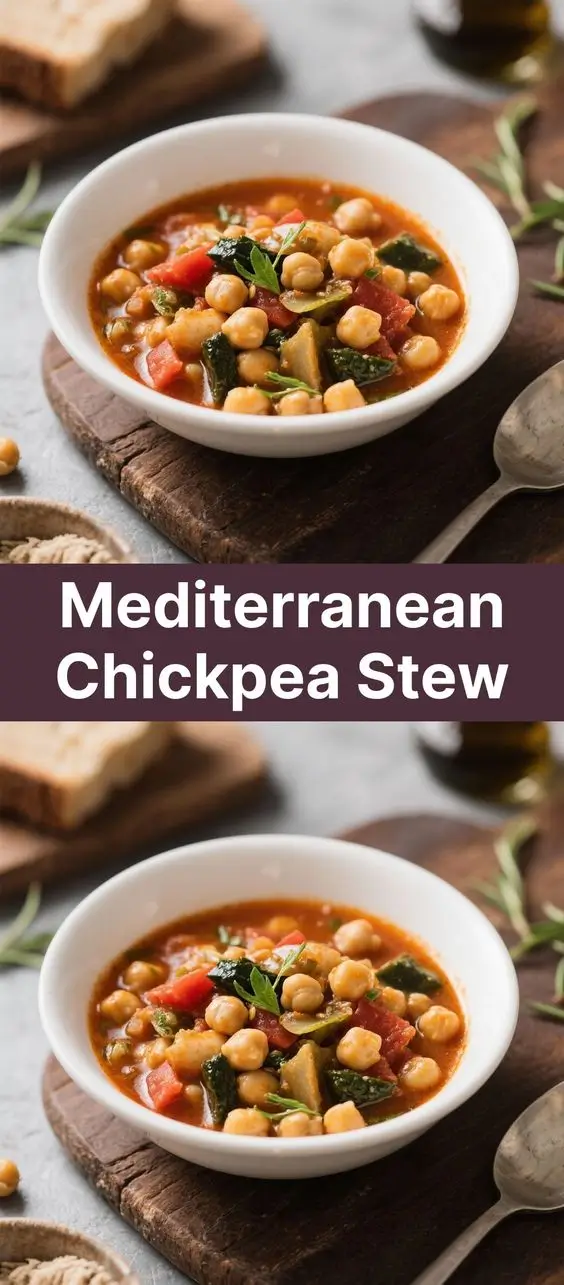
Mediterranean Chickpea Stew: A Flavorful Journey Through Tradition and Nutrition
The Mediterranean diet is celebrated around the world for its vibrant flavors, heart-healthy ingredients, and emphasis on plant-based nutrition. At the heart of this culinary tradition lies a humble yet profoundly satisfying dish — the Mediterranean Chickpea Stew. This hearty, aromatic stew combines protein-rich chickpeas with sun-kissed vegetables, fragrant herbs, and a medley of spices to create a meal that’s both comforting and nourishing. Whether served over fluffy couscous, nestled in warm pita bread, or enjoyed straight from the bowl, this stew embodies the soul of Mediterranean cuisine.
The History
Chickpeas have been a staple in the Mediterranean region for thousands of years, dating back to ancient civilizations such as the Greeks, Romans, and Egyptians. Archaeological findings suggest that chickpeas were cultivated as early as 7,500 years ago in the Fertile Crescent, an area that includes parts of modern-day Turkey, Syria, Lebanon, and Israel. These legumes quickly spread across the Mediterranean due to their adaptability, nutritional value, and long shelf life.
In traditional Mediterranean households, chickpeas were often used in stews, soups, and salads, serving as a vital source of protein, especially during religious fasts when meat was forbidden. Over time, regional variations emerged — from the Spanish potaje de garbanzos to the North African chorba frik, and the Levantine hammus bi zeit. The version we now recognize as Mediterranean Chickpea Stew evolved from these ancestral recipes, incorporating tomatoes, bell peppers, onions, garlic, and olive oil — all hallmarks of the modern Mediterranean pantry.
Today, this stew stands as a symbol of sustainable eating, cultural fusion, and culinary simplicity. It reflects centuries of trade, migration, and agricultural wisdom, making it not just a meal, but a living piece of history simmering in every pot.
Ingredients Breakdown
The magic of Mediterranean Chickpea Stew lies in its balance of simple, whole ingredients. Each component contributes flavor, texture, and nutritional benefits:
- Chickpeas (Garbanzo Beans): The star ingredient, rich in plant-based protein, fiber, and essential minerals like iron and folate. Canned chickpeas offer convenience, while dried ones provide superior texture when properly soaked and cooked.
- Olive Oil: Extra virgin olive oil is central to Mediterranean cooking. It adds richness, enhances flavor absorption, and delivers heart-healthy monounsaturated fats and antioxidants.
- Onions and Garlic: These aromatics form the flavor base. Onions add sweetness when sautéed, while garlic brings pungency and depth.
- Tomatoes: Fresh ripe tomatoes or high-quality canned diced tomatoes provide acidity, moisture, and natural sweetness. They’re also a prime source of lycopene, a powerful antioxidant.
- Bell Peppers: Red, yellow, or orange peppers contribute color, crunch, and a mild sweetness. They’re packed with vitamin C and other phytonutrients.
- Carrots: Sliced or diced carrots add subtle sweetness and earthiness, along with beta-carotene for eye health.
- Vegetable Broth: Enhances the savory backbone of the stew. Using homemade or low-sodium store-bought broth ensures control over salt content.
- Herbs and Spices: Dried oregano, cumin, smoked paprika, and bay leaves are commonly used. Fresh parsley or cilantro is added at the end for brightness.
- Lemon Juice: A splash of fresh lemon juice brightens the entire dish, cutting through the richness and enhancing other flavors.
- Kalamata Olives (optional): Adds a briny, tangy note typical of Greek cuisine.
- Spinach or Kale (optional): Leafy greens boost the nutrient profile and add color and texture.
Step-by-Step Recipe
Ingredients
- 2 tablespoons extra virgin olive oil
- 1 large yellow onion, finely chopped
- 4 cloves garlic, minced
- 1 red bell pepper, diced
- 1 yellow bell pepper, diced
- 2 medium carrots, sliced into rounds
- 1 can (15 oz) diced tomatoes (preferably fire-roasted)
- 3 cans (15 oz each) chickpeas, drained and rinsed (or 5 cups cooked from dry)
- 4 cups vegetable broth (low sodium preferred)
- 1 tablespoon ground cumin
- 1 teaspoon smoked paprika
- 1 teaspoon dried oregano
- 2 bay leaves
- Salt and freshly ground black pepper to taste
- 2 cups fresh spinach or chopped kale
- Juice of 1 large lemon
- ¼ cup chopped fresh parsley
- ½ cup pitted Kalamata olives (optional)
- Crushed red pepper flakes (optional, for heat)
Directions
- Sauté the Aromatics: In a large, heavy-bottomed pot or Dutch oven, heat the olive oil over medium heat. Add the chopped onion and sauté for 5–7 minutes until translucent and beginning to caramelize. Stir in the garlic and cook for another 1 minute until fragrant.
- Add Vegetables: Stir in the diced bell peppers and sliced carrots. Cook for 6–8 minutes, stirring occasionally, until the peppers soften slightly.
- Build Flavor Base: Add the diced tomatoes (with their juices), cumin, smoked paprika, oregano, bay leaves, salt, and black pepper. Stir well and let the mixture simmer for 5 minutes to allow the spices to bloom and meld.
- Incorporate Chickpeas and Broth: Add the drained chickpeas and pour in the vegetable broth. Stir to combine, then bring the stew to a gentle boil.
- Simmer: Reduce the heat to low, cover the pot, and let the stew simmer for 25–30 minutes. This allows the flavors to deepen and the vegetables to become tender.
- Add Greens and Final Touches: Stir in the spinach or kale and cook for 3–4 minutes until wilted. Remove the bay leaves. Stir in the lemon juice, chopped parsley, and Kalamata olives (if using). Taste and adjust seasoning — more salt, pepper, lemon, or a pinch of red pepper flakes for heat.
- Serve: Ladle the stew into bowls. Serve hot with crusty whole-grain bread, over couscous, quinoa, or bulgur wheat. Garnish with additional parsley, a drizzle of olive oil, or a sprinkle of crumbled feta cheese for a creamy contrast.
Tips
- Soak Dried Chickpeas Overnight: If using dried chickpeas instead of canned, soak them in water for at least 8 hours or overnight. Then boil for 60–90 minutes until tender before adding to the stew. This reduces gas-causing compounds and improves digestibility.
- Layer the Spices: Toasting spices in oil for 30 seconds before adding liquids enhances their aroma and complexity. Don’t skip this step!
- Use Fire-Roasted Tomatoes: They add a subtle smokiness that complements the paprika and deepens the overall flavor.
- Let It Rest: Like many stews, this dish tastes even better the next day after the flavors have had time to marry. Reheat gently on the stove.
- Freeze for Later: This stew freezes exceptionally well. Store in airtight containers for up to 3 months. Thaw overnight in the refrigerator before reheating.
- Boost Umami: For a deeper savory flavor, add a tablespoon of tomato paste during the sauté phase or a splash of soy sauce or miso paste (ensure gluten-free if needed).
- Texture Control: For a creamier stew, mash a portion of the chickpeas against the side of the pot with a wooden spoon before adding the greens.
Variations and Customizations
Mediterranean Chickpea Stew is incredibly versatile and adapts beautifully to personal taste, seasonal produce, and dietary preferences:
- Protein Boost: Add cubed tofu, tempeh, seitan, or shredded rotisserie chicken for extra protein. For a seafood twist, stir in cooked shrimp or mussels during the last few minutes.
- Spicy Version: Add harissa paste, chili garlic sauce, or fresh diced jalapeños for a North African or Middle Eastern kick.
- Creamy Option: Stir in a dollop of plain Greek yogurt or tahini sauce just before serving for a rich, velvety finish.
- Grain-Inclusive: Turn it into a one-pot meal by adding rinsed quinoa, barley, or farro along with the broth. Adjust liquid as needed for proper grain cooking.
- Roasted Vegetable Twist: Roast the bell peppers, onions, and carrots before adding them to the stew for a deeper, caramelized flavor.
- Vegan “Cheese” Swirl: Add a dairy-free cashew cream or almond milk reduction for a luxurious touch without animal products.
- Herb Variations: Swap parsley for mint, dill, or cilantro depending on regional inspiration — mint pairs wonderfully with lamb (if added), while dill gives it a Greek flair.
- Dry Spice Alternatives: Try ras el hanout, za’atar, or herbes de Provence for a unique aromatic profile.
Health Considerations and Nutritional Value
Mediterranean Chickpea Stew isn’t just delicious — it’s a powerhouse of nutrition aligned with some of the most researched healthy diets in the world. Here’s why it deserves a regular spot in your weekly rotation:
- Heart Health: Olive oil, chickpeas, and vegetables contribute to improved cholesterol levels and reduced inflammation, lowering the risk of cardiovascular disease.
- Fiber-Rich: With over 10 grams of fiber per serving, this stew supports digestive health, promotes satiety, and helps regulate blood sugar levels.
- Plant-Based Protein: Chickpeas provide approximately 15 grams of protein per cup, making this stew a satisfying option for vegetarians and vegans.
- Low Glycemic Index: The combination of complex carbs, fiber, and healthy fats results in a slow release of energy, preventing blood sugar spikes.
- Antioxidant Abundance: Tomatoes (lycopene), bell peppers (vitamin C), garlic (allicin), and olive oil (polyphenols) all deliver potent antioxidants that combat oxidative stress.
- Weight Management: High-volume, low-calorie density makes this stew ideal for those managing weight. It fills you up without packing on excess calories.
- Gluten-Free Friendly: Naturally gluten-free when made with certified ingredients, suitable for those with celiac disease or gluten sensitivity (verify broth and spice labels).
- Allergen Notes: This recipe is free of common allergens like dairy, nuts, eggs, and soy — unless optional add-ins are used. Always customize based on individual needs.
Nutritional Estimate (per serving, serves 6):
- Calories: ~320
- Protein: 14g
- Fat: 10g (mostly unsaturated)
- Carbohydrates: 48g
- Fiber: 12g
- Sugar: 8g (naturally occurring)
- Sodium: ~600mg (varies with broth and added salt)
- Iron: 25% DV | Folate: 70% DV | Vitamin A: 80% DV | Vitamin C: 150% DV
FAQ
Can I make this stew in a slow cooker?
Yes! Sauté the onions, garlic, peppers, and spices first, then transfer to a slow cooker. Add remaining ingredients except greens, lemon juice, and parsley. Cook on low for 6–8 hours or high for 3–4 hours. Stir in greens and finishing touches before serving.
Is canned chickpea safe to use? How do I reduce sodium?
Absolutely. Choose low-sodium or no-salt-added canned chickpeas and rinse them thoroughly under running water to remove up to 40% of the sodium.
How long does this stew keep in the fridge?
It stays fresh for 5–6 days in an airtight container. The flavors deepen over time, making leftovers even tastier.
Can I make it oil-free?
Yes. Replace olive oil with water or vegetable broth for sautéing. The stew will be lighter but still flavorful, especially with robust spices and lemon.
Why did my chickpeas turn out mushy?
Overcooking or using older canned beans can cause mushiness. To preserve texture, add chickpeas later in the process or use firmer varieties like desi chickpeas.
Can I add potatoes or sweet potatoes?
Definitely. Cubed potatoes or sweet potatoes add heartiness and absorb flavors beautifully. Add them with the broth and extend cooking time by 10–15 minutes until tender.
Is this stew kid-friendly?
Yes! Its mild, slightly sweet flavor profile appeals to children. Serve with whole-grain bread or over rice to make it more familiar. You can blend part of the stew for younger eaters.
Summary
Mediterranean Chickpea Stew is a nourishing, flavorful, and adaptable dish rooted in ancient culinary traditions and backed by modern nutrition science. Packed with plant-based protein, fiber, and vibrant vegetables, it’s a celebration of health, sustainability, and taste.
Easy to customize, perfect for meal prep, and beloved across cultures, this stew brings the sun-drenched shores of the Mediterranean straight to your table — one delicious spoonful at a time.