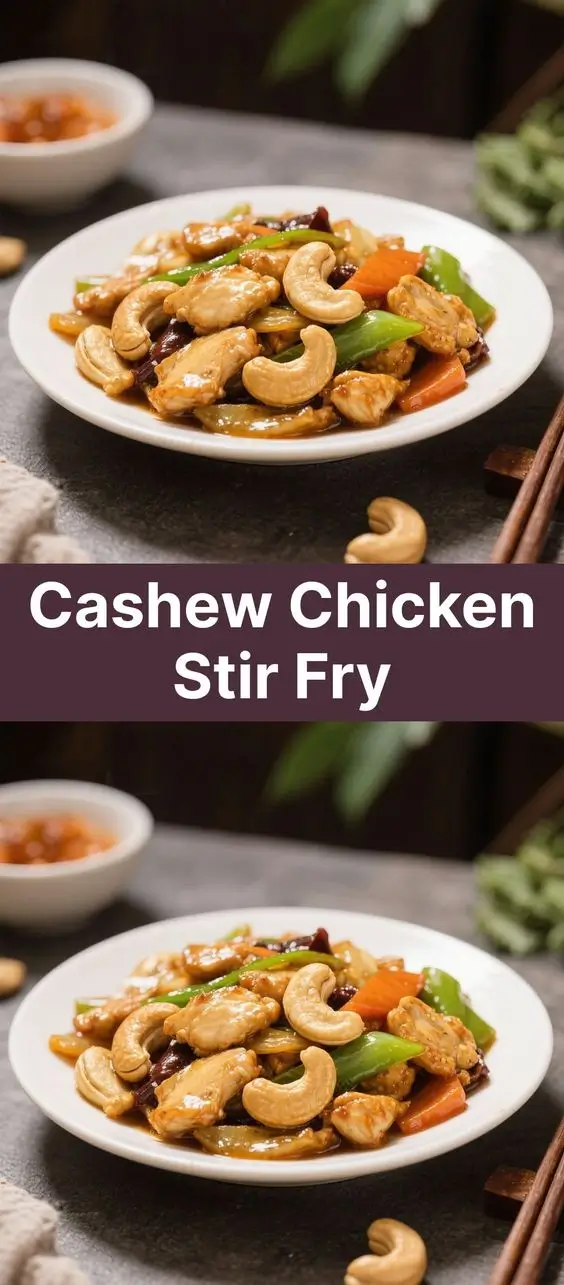
Cashew Chicken Stir Fry: A Flavorful, Quick & Healthy Delight
The Cashew Chicken Stir Fry is a beloved fusion dish that bridges the bold flavors of Chinese cuisine with Western comfort food preferences. Known for its savory-sweet taste, tender chicken, and satisfying crunch from cashews, this stir fry has become a staple in both restaurant menus and home kitchens across North America and beyond. Whether you’re looking for a weeknight dinner option or an elegant yet simple meal to impress guests, this dish delivers on every level — texture, flavor, nutrition, and speed.
The History of Cashew Chicken Stir Fry
Contrary to popular belief, the version of Cashew Chicken widely enjoyed today did not originate in traditional Chinese cooking but rather emerged as part of American-Chinese cuisine. The dish was invented by David Leong, a Chinese immigrant chef, in the 1960s at his restaurant in Springfield, Missouri. Originally trained in Cantonese cooking, Leong adapted his recipes to suit American palates, creating a stir fry that combined succulent pieces of chicken breast with roasted cashews, crisp vegetables, and a rich, glossy sauce. His creation quickly gained popularity and eventually spread throughout Chinese-American restaurants nationwide.
While stir-frying with nuts does have roots in southern China — particularly in Guangdong (Canton) province — the specific combination seen in modern Cashew Chicken Stir Fry is largely a product of culinary innovation in the United States. Over time, variations have evolved to include different sauces, vegetables, proteins, and levels of spiciness, making it one of the most customizable Asian-inspired dishes available today.
Ingredients Breakdown: Why Each Component Matters
The magic of Cashew Chicken Stir Fry lies in the harmony between its ingredients. Each element contributes not only to flavor but also to texture, color, and overall balance:
- Chicken Breast or Thighs: Lean and mild-flavored, chicken breast is commonly used for its tenderness when cooked properly. Chicken thighs offer more juiciness and depth due to higher fat content.
- Rice Wine or Dry Sherry: Adds complexity and helps tenderize the meat during marination. It cuts through richness while enhancing umami notes.
- Soy Sauce: Provides saltiness and deep savory flavor. Light soy sauce adds seasoning without darkening the dish too much; dark soy can be used sparingly for color.
- Oyster Sauce: A key ingredient that brings sweetness, thickness, and a subtle earthy richness. Vegetarian versions use mushroom-based oyster sauce alternatives.
- Hoisin Sauce: Contributes a sweet, tangy, slightly smoky profile that balances the saltiness of other components.
- Sesame Oil: Used in small amounts for its intense nutty aroma. Always added toward the end to preserve flavor.
- Cornstarch: Serves dual purposes — coating the chicken for velveting (resulting in silkier texture), and thickening the sauce for a glossy finish.
- Fresh Ginger & Garlic: Essential aromatics that form the backbone of flavor in any good stir fry. They provide warmth, pungency, and fragrance.
- Vegetables (Bell Peppers, Carrots, Broccoli, Snap Peas): Add crunch, color, fiber, and nutrients. Choosing seasonal vegetables enhances freshness and taste.
- Raw Cashews: The star ingredient! Roasted unsalted cashews are ideal for maximum flavor and crunch. Raw cashews should be toasted first if preferred.
- Green Onions: Offer a mild onion bite and vibrant pop of green when used as garnish.
- Neutral Oil (like Canola or Avocado): High smoke point oils are essential for high-heat stir frying without burning.
Step-by-Step Recipe for Authentic-Tasting Cashew Chicken Stir Fry
Prep Time:
20 minutes
Cook Time:
12–15 minutes
Total Time:
~35 minutes
Servings:
4 people
Ingredients
- 1.5 lbs (680g) boneless, skinless chicken breasts or thighs, cut into 1-inch cubes
- ¼ cup rice wine or dry sherry
- 3 tablespoons soy sauce (preferably low sodium)
- 2 tablespoons oyster sauce (vegetarian option: mushroom stir-fry sauce)
- 1 tablespoon hoisin sauce
- 1 tablespoon sesame oil
- 2 tablespoons cornstarch
- ½ teaspoon freshly ground black pepper
- 3 cloves garlic, minced
- 1 tablespoon fresh ginger, grated
- ⅓ cup raw or roasted unsalted cashews
- 1 red bell pepper, julienned
- 1 yellow bell pepper, julienned
- 1 medium carrot, thinly sliced on diagonal
- 1 cup broccoli florets
- ½ cup snow peas or sugar snap peas
- 4 green onions, sliced (whites and greens separated)
- 3 tablespoons neutral oil (divided)
- ½ cup low-sodium chicken broth or water
- 1 teaspoon sugar (optional, depending on hoisin sweetness)
- Cooked jasmine rice or brown rice, for serving
Directions
- Marinate the Chicken: In a large bowl, combine chicken pieces with 2 tablespoons rice wine, 1 tablespoon soy sauce, 1 tablespoon cornstarch, and black pepper. Mix well to coat evenly. Let sit for 15–20 minutes at room temperature (or up to 30 minutes in the fridge).
- Prepare the Sauce: In a small mixing bowl, whisk together remaining 2 tablespoons rice wine, 2 tablespoons soy sauce, oyster sauce, hoisin sauce, sesame oil, and sugar (if using). Set aside.
- Toast the Cashews (Optional but Recommended): Heat a dry skillet over medium heat. Add cashews and toast gently for 3–4 minutes, stirring frequently, until golden and fragrant. Remove immediately to prevent burning and set aside.
- Blanch the Vegetables (Optional for Crisp-Tender Texture): Bring a pot of salted water to boil. Blanch broccoli and carrots for 90 seconds, then plunge into ice water to stop cooking. Drain thoroughly. This step ensures even cooking and bright color.
- Stir Fry the Chicken: Heat 1½ tablespoons oil in a wok or large cast iron skillet over high heat until shimmering. Add marinated chicken in a single layer (work in batches if needed). Cook undisturbed for 1 minute to sear, then stir-fry for another 3–4 minutes until fully cooked and lightly browned. Remove chicken and set aside.
- Stir Fry Aromatics and Vegetables: Add remaining 1½ tablespoons oil to the same pan. Lower heat slightly to medium-high. Add garlic, ginger, and white parts of green onions; sauté for 30 seconds until aromatic. Add all vegetables (including blanched ones) and stir-fry for 3–4 minutes until crisp-tender.
- Combine Everything: Return chicken to the wok. Pour in prepared sauce and chicken broth. Stir well to combine. In a small bowl, mix 1 teaspoon cornstarch with 1 tablespoon cold water to make a slurry. Add to the stir fry and cook for another 1–2 minutes, stirring constantly, until the sauce thickens and coats everything evenly.
- Add Final Touches: Toss in toasted cashews and green parts of scallions. Stir briefly — about 30 seconds — just to incorporate. Do not overcook after adding cashews to preserve their crunch.
- Serve Immediately: Spoon hot stir fry over steamed jasmine rice. Garnish with extra cashews and sliced green onions if desired.
Tips for the Perfect Cashew Chicken Stir Fry
- Velveting the Chicken: For ultra-tender chicken, consider “velveting” — a Chinese technique involving marinating protein in egg white and cornstarch before briefly poaching or frying. Alternatively, the cornstarch-soy-wine marinade mimics this effect when stir-fried.
- High Heat is Key: Stir frying requires high temperatures to achieve proper searing without stewing the ingredients. Use your stove’s highest setting and ensure your wok or pan is properly preheated.
- Don’t Crowd the Pan: Overloading the wok lowers the temperature and causes steaming instead of searing. Cook chicken in batches if necessary.
- Dry Ingredients: Pat chicken dry before cutting and marinating. Excess moisture prevents browning.
- Prep Everything Ahead: Stir frying moves fast. Have all ingredients chopped, measured, and within arm’s reach before turning on the stove (“mise en place”).
- Use Toasted Cashews: Raw cashews lack flavor intensity. Lightly toasting them boosts nuttiness and crunch. Avoid using salted or honey-roasted varieties unless adjusting seasoning accordingly.
- Adjust Sauce Thickness: If the sauce becomes too thick, add a splash of broth. Too thin? Add another half-teaspoon cornstarch slurry.
- Rest Before Serving: While best served immediately, letting it rest for 2–3 minutes allows flavors to meld slightly.
Variations and Customizations
Cashew Chicken Stir Fry is incredibly adaptable. Here are some creative ways to personalize your dish:
- Protein Swaps: Substitute chicken with shrimp, tofu, tempeh, pork loin, or thinly sliced beef (like flank steak). Adjust cooking times accordingly — seafood cooks faster, while beef benefits from quick searing.
- Gluten-Free Version: Replace soy sauce with tamari or coconut aminos, and ensure oyster/hoisin sauces are gluten-free certified. Use arrowroot powder instead of cornstarch if needed.
- Spicy Kick: Add red pepper flakes, sriracha, chili garlic sauce, or fresh sliced Thai chilies during the stir fry stage.
- Pineapple Addition: Inspired by Hawaiian-style dishes, add canned or fresh pineapple chunks for a sweet-tart contrast.
- Nut Alternatives: Replace cashews with almonds, peanuts, walnuts, or even sunflower seeds for allergy-friendly options.
- Low-Carb/Keto Adaptation: Serve over cauliflower rice or shirataki noodles. Reduce hoisin and increase oyster sauce to minimize sugar content.
- Vegan Option: Use firm tofu or seitan, substitute chicken broth with vegetable broth, and choose plant-based oyster and fish sauce alternatives.
- Extra Umami Boost: Add a few drops of fish sauce or a sprinkle of MSG (optional) to deepen savory notes without overpowering.
- Seasonal Veggie Rotations: Try zucchini, baby corn, water chestnuts, mushrooms, bok choy, or asparagus based on availability.
Health Considerations and Nutritional Value
Cashew Chicken Stir Fry can be a nutritious, balanced meal when prepared mindfully. Here’s a breakdown per serving (approximate, based on 4 servings):
| Nutrient | Amount Per Serving |
|---|---|
| Calories | 420 kcal |
| Protein | 34g |
| Total Fat | 18g |
| Saturated Fat | 3.5g |
| Carbohydrates | 28g |
| Dietary Fiber | 4g |
| Sugars | 12g (varies with hoisin/added sugar) |
| Sodium | 850mg (can be reduced with low-sodium ingredients) |
| Vitamin A | 60% DV |
| Vitamin C | 120% DV |
| Iron | 15% DV |
| Calcium | 8% DV |
Health Benefits
- High-Quality Protein: Supports muscle repair and satiety.
- Heart-Healthy Fats: Cashews contain monounsaturated fats linked to improved cholesterol levels.
- Fiber-Rich Vegetables: Promote digestive health and help regulate blood sugar.
- Antioxidants: Bell peppers, broccoli, and garlic are rich in antioxidants like vitamin C and selenium.
- Balanced Macronutrients: When served with brown rice or quinoa, provides sustained energy release.
Considerations
- Sodium Content: Traditional versions may be high in sodium due to soy sauce, oyster sauce, and store-bought hoisin. Opt for low-sodium versions and control portions.
- Allergens: Contains tree nuts (cashews). Always inform guests with allergies. Cross-contamination risks exist in shared kitchens.
- Sugar Levels: Some commercial hoisin sauces are high in added sugars. Read labels carefully or make your own blend.
- Portion Control: While healthy overall, excessive oil or oversized portions can increase calorie density.
Frequently Asked Questions (FAQ)
Can I make Cashew Chicken Stir Fry ahead of time?
Yes, you can prep ingredients (chop veggies, marinate chicken, mix sauce) up to 24 hours in advance and store separately in the refrigerator. However, the final stir fry should be made just before serving to maintain texture — especially the crunch of cashews and crispness of vegetables.
How do I reheat leftovers?
Reheat gently in a skillet over medium-low heat with a splash of water or broth to revive the sauce. Microwaving is acceptable but may soften the vegetables and cashews. Avoid overheating to prevent drying out the chicken.
Can I freeze Cashew Chicken Stir Fry?
It’s not recommended to freeze the full dish due to texture changes in vegetables and cashews. However, you can freeze the cooked chicken and sauce mixture (without veggies or nuts) for up to 2 months. Thaw, reheat, then add fresh stir-fried vegetables and toasted cashews.
Are cashews healthy?
Yes, in moderation. Cashews are rich in healthy fats, protein, magnesium, copper, and antioxidants. One ounce (~18 nuts) contains about 157 calories. Choose unsalted, raw, or dry-roasted varieties for optimal health benefits.
Why is my sauce too thin/thick?
If too thin, mix ½ tsp cornstarch with 1 tbsp cold water and stir into simmering sauce. If too thick, dilute with small amounts of broth or water until desired consistency is reached.
Can I use frozen vegetables?
You can, but they often release excess water and become mushy. If using frozen broccoli or peas, thaw completely and pat dry before stir frying. Fresh or flash-steamed vegetables yield superior texture.
What kind of rice pairs best with this dish?
Jasmine rice is ideal for its floral aroma and fluffy texture. Brown rice adds fiber and nutrients. Cauliflower rice works well for low-carb diets. Forbidden black rice or quinoa also make excellent, nutrient-dense bases.
Is this dish authentic Chinese food?
Not exactly. While stir frying and the use of cashews appear in regional Chinese cooking, the Americanized version with sweet-savory sauce and mixed bell peppers is a creation of Chinese-American culinary fusion. Think of it as delicious cultural evolution!
Summary
Cashew Chicken Stir Fry is a vibrant, satisfying dish that combines tender chicken, colorful vegetables, and crunchy cashews in a rich, savory-sweet sauce — perfect for quick dinners and meal prep alike.
Highly customizable, naturally packed with protein and nutrients, and ready in under 40 minutes, this stir fry deserves a permanent spot in your weekly rotation.