Introduction
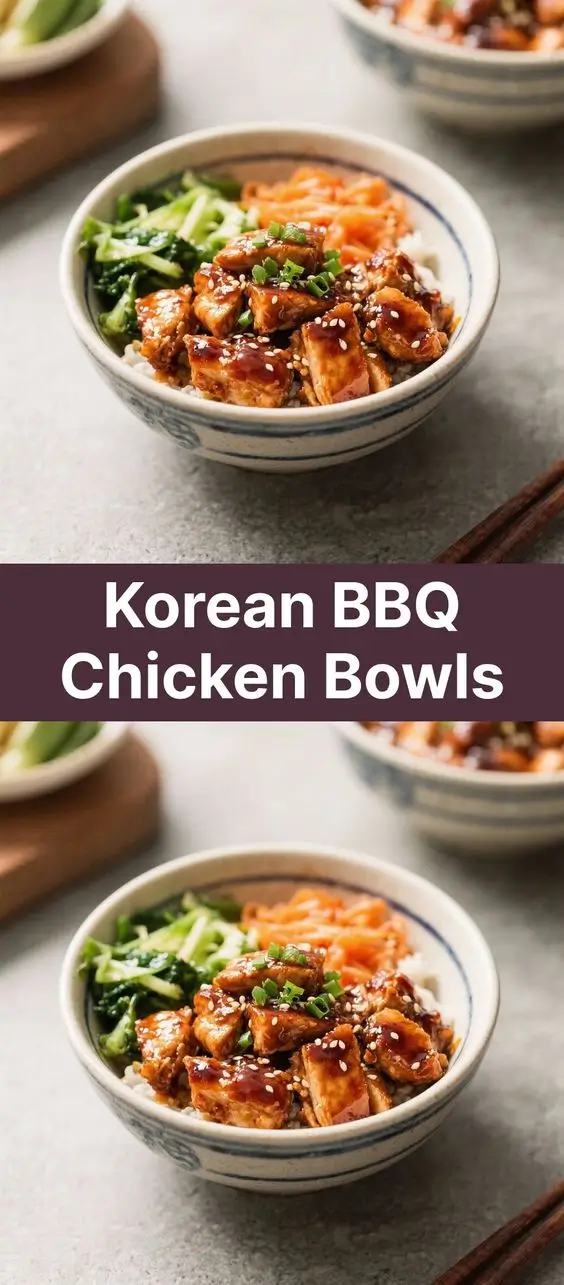
Korean BBQ Chicken Bowls are a vibrant, flavorful, and satisfying meal that brings together the bold, sweet, savory, and spicy tastes of Korean cuisine in one convenient and nourishing bowl. These bowls are perfect for busy weeknights, meal prepping, or impressing guests with minimal effort. Packed with tender marinated chicken, fresh vegetables, fluffy rice, and a drizzle of tangy sauce, each bite delivers a harmonious blend of textures and flavors that will transport your taste buds straight to the streets of Seoul. Whether you’re new to Korean food or a seasoned fan, this dish is a delightful way to explore traditional ingredients with a modern twist.
The History
Korean BBQ, or “gogi-gui,” has deep roots in Korean culinary tradition, dating back centuries. Originally, meat was a luxury reserved for special occasions, but over time, grilling meats over open flames became a popular social dining experience. The modern concept of Korean BBQ as we know it today—featuring marinated meats grilled at the table—emerged prominently during the 20th century, especially after the Korean War, when economic growth made meat more accessible. Dishes like bulgogi (marinated beef) and dak-galbi (spicy stir-fried chicken) laid the foundation for today’s fusion creations, including Korean BBQ Chicken Bowls. These bowls evolved from bento-style meals and the global popularity of Korean street food, adapting traditional marinades and side dishes into quick, portable formats suitable for Western palates and lifestyles. Today, they represent a delicious bridge between heritage and innovation.
Ingredients Breakdown
The magic of Korean BBQ Chicken Bowls lies in their balanced combination of ingredients, each contributing unique flavor, texture, and nutrition:
- Chicken Breast or Thighs: Lean chicken breast offers a lighter option, while thighs provide juicier, more flavorful meat due to their higher fat content.
- Soy Sauce: The backbone of the marinade, providing umami depth and saltiness. Use low-sodium soy sauce to control salt levels.
- Gochujang (Korean Chili Paste): A fermented red chili paste that adds heat, sweetness, and complex savory notes. It’s essential for authentic Korean flavor.
- Garlic and Ginger: Freshly minced for aromatic intensity, these ingredients elevate the marinade with warmth and pungency.
- Brown Sugar or Honey: Balances the salt and spice with natural sweetness, helping to caramelize the chicken during cooking.
- Sesame Oil: Adds a nutty richness and fragrance; used sparingly due to its strong flavor.
- Rice Vinegar or Apple Cider Vinegar: Provides brightness and cuts through the richness of the sauce.
- Green Onions and Sesame Seeds: Used as garnishes for color, crunch, and a subtle oniony or nutty finish.
- Steamed Rice: Typically short-grain white rice or brown rice, serving as a neutral base to absorb the flavorful sauce.
- Vegetables: Common additions include shredded carrots, cucumber slices, kimchi, pickled radish, sautéed spinach, or a crisp cabbage slaw.
- Optional Toppings: Fried egg, avocado, nori strips, sriracha, or a lime wedge for extra zest.
Step-by-Step Recipe
- Marinate the Chicken: Cut 1.5 lbs of boneless, skinless chicken into bite-sized pieces. In a bowl, whisk together ¼ cup soy sauce, 3 tbsp brown sugar, 2 tbsp gochujang, 2 minced garlic cloves, 1 tbsp grated ginger, 1 tbsp sesame oil, and 1 tbsp rice vinegar. Place chicken in a resealable bag or container and pour marinade over it. Seal and refrigerate for at least 1 hour, preferably 4–6 hours or overnight for maximum flavor.
- Cook the Rice: Rinse 1 cup of jasmine or short-grain rice under cold water until the water runs clear. Combine with 1.5 cups water in a pot, bring to a boil, then reduce heat to low, cover, and simmer for 18–20 minutes. Remove from heat and let it steam, covered, for 10 minutes. Fluff with a fork before serving.
- Cook the Chicken: Heat 1 tbsp vegetable oil in a large skillet or grill pan over medium-high heat. Add the marinated chicken (reserve excess marinade) and cook for 5–7 minutes, stirring occasionally, until fully cooked and slightly charred. In the last 2 minutes, pour in the reserved marinade and simmer until thickened into a glossy glaze.
- Prepare the Vegetables: While the chicken cooks, assemble your toppings. Julienne carrots and cucumbers, chop green onions, warm kimchi, or quickly sauté spinach with a dash of soy sauce and sesame oil.
- Assemble the Bowls: Divide rice among four bowls. Top with a generous portion of Korean BBQ chicken. Arrange vegetables around the bowl or layer them on top. Drizzle with extra sauce if desired.
- Garnish and Serve: Sprinkle with toasted sesame seeds and sliced green onions. Add optional toppings like a soft-boiled or fried egg, avocado slices, or a spoonful of extra kimchi. Serve immediately with chopsticks and a fork.
Tips
- Don’t Over-Marinate Delicate Meats: While longer marination enhances flavor, avoid exceeding 24 hours as the acidity can begin to break down the chicken, making it mushy.
- Bring Chicken to Room Temperature: Let the marinated chicken sit out for 15–20 minutes before cooking to ensure even cooking.
- Reserve Marinade Safely: If using leftover marinade as a sauce, boil it separately for at least 2 minutes to kill any bacteria from raw chicken.
- High Heat for Better Caramelization: To achieve that signature BBQ sear, make sure your pan is hot before adding the chicken.
- Double the Sauce: Make extra sauce to store in the fridge for up to two weeks—it’s great for stir-fries, noodles, or dipping.
- Batch Cooking Friendly: Cook all components separately and store in airtight containers for up to 4 days. Reheat gently in a microwave or skillet.
- Add Crunch: Include crispy elements like tempura flakes, wonton strips, or roasted peanuts for added texture.
- Balanced Bowls: Aim for a mix of protein, carbs, fiber, and healthy fats in every bowl to keep meals nutritious and filling.
Variations and Customizations
Korean BBQ Chicken Bowls are incredibly versatile and can be adapted to suit various dietary needs and preferences:
- Vegetarian/Vegan Option: Replace chicken with tofu, tempeh, or portobello mushrooms. Press and marinate tofu just like chicken, then pan-sear or bake until golden.
- Low-Carb/Keto Version: Swap rice for cauliflower rice or a bed of mixed greens. Increase healthy fats with avocado and nuts.
- Spice Level Control: Adjust gochujang quantity to taste. For milder flavor, reduce to 1 tsp; for fiery heat, add sriracha or red pepper flakes.
- Different Proteins: Use thinly sliced beef (bulgogi-style), pork, shrimp, or even duck for a gourmet twist.
- Grill or Broil: For a smokier flavor, grill the chicken on an outdoor grill or broil in the oven for 5–7 minutes per side.
- Global Fusion: Incorporate ingredients like mango, pineapple, or coconut aminos for a tropical flair. Or serve over quinoa, couscous, or soba noodles.
- Kid-Friendly Version: Omit spicy ingredients and increase honey or pineapple juice in the marinade for a sweeter profile.
- Gluten-Free Adaptation: Use tamari or coconut aminos instead of soy sauce to keep the dish gluten-free.
Health Considerations and Nutritional Value
Korean BBQ Chicken Bowls can be a well-rounded, nutrient-dense meal when prepared thoughtfully:
- Protein-Rich: Chicken provides high-quality protein essential for muscle repair and satiety.
- Healthy Fats: Sesame oil contains heart-healthy monounsaturated and polyunsaturated fats, though it should be used in moderation due to its calorie density.
- Low in Saturated Fat: Especially when using chicken breast and avoiding excessive oil during cooking.
- Fiber and Vitamins: Adding colorful vegetables boosts fiber, antioxidants, vitamin A, vitamin C, and potassium.
- Probiotics: Kimchi, a traditional Korean side, is fermented and rich in beneficial bacteria that support gut health.
- Sodium Awareness: Soy sauce and gochujang can be high in sodium. Opt for low-sodium versions and balance with plenty of fresh produce.
- Sugar Content: The marinade includes sweeteners; use natural options like honey or maple syrup and limit added sugars where possible.
A typical serving (without extras) contains approximately: 450–550 calories, 30–35g protein, 45–55g carbohydrates, 15–20g fat, and 4–6g fiber, depending on ingredient choices and portion sizes.
Ingredients
- 1.5 lbs boneless, skinless chicken breasts or thighs, cut into cubes
- ¼ cup low-sodium soy sauce (or tamari for gluten-free)
- 3 tbsp packed brown sugar (or honey/maple syrup)
- 2 tbsp gochujang (Korean red chili paste)
- 2 cloves garlic, minced
- 1 tbsp fresh ginger, grated
- 1 tbsp sesame oil
- 1 tbsp rice vinegar (or apple cider vinegar)
- 1 tbsp vegetable oil (for cooking)
- 1 cup uncooked rice (jasmine, short-grain, or brown)
- 1.5 cups water (for rice)
- 1 cup shredded carrots
- 1 cup sliced cucumber
- ½ cup kimchi
- ¼ cup chopped green onions
- 2 tbsp toasted sesame seeds
- Optional: fried eggs, avocado, sriracha, lime wedges
Directions
- In a large mixing bowl, combine soy sauce, brown sugar, gochujang, garlic, ginger, sesame oil, and rice vinegar. Whisk until smooth.
- Add chicken pieces to the marinade and toss to coat evenly. Transfer to a sealed container or zip-top bag and refrigerate for 1–6 hours.
- Rinse rice under cold water, then cook with 1.5 cups water in a pot or rice cooker according to package instructions. Let rest for 10 minutes after cooking, then fluff.
- Heat vegetable oil in a large non-stick skillet over medium-high heat. Remove chicken from marinade (reserve marinade) and cook for 5–7 minutes, turning occasionally, until internal temperature reaches 165°F.
- Pour reserved marinade into the skillet and simmer for 2–3 minutes, stirring constantly, until sauce thickens and coats the chicken.
- While chicken cooks, prepare vegetables: shred carrots, slice cucumbers, chop green onions, and warm kimchi if desired.
- To assemble bowls, divide rice among four serving bowls. Top with Korean BBQ chicken, then arrange carrots, cucumber, kimchi, and green onions around or on top.
- Garnish with sesame seeds and optional toppings such as a fried egg, avocado slices, or a drizzle of sriracha.
- Serve immediately, stirring gently to combine flavors before eating.
FAQ
Can I make Korean BBQ Chicken Bowls ahead of time?
Yes! Marinate the chicken up to 24 hours in advance and cook it just before serving. You can also cook everything and store components separately in the fridge for up to 4 days. Reheat gently before assembling.
Is gochujang very spicy?
Gochujang has a moderate level of heat with a deep, fermented sweetness. It’s spicier than ketchup but less intense than sriracha. Adjust the amount based on your tolerance.
What can I use instead of gochujang?
While no substitute perfectly replicates gochujang, a mix of 1 tbsp sriracha + 1 tbsp tomato paste + 1 tsp sugar + ½ tsp smoked paprika can mimic some of the flavor, though it won’t be authentic.
Can I freeze the marinated chicken?
Yes, place marinated chicken in a freezer-safe bag and freeze for up to 3 months. Thaw overnight in the refrigerator before cooking.
Are these bowls gluten-free?
They can be! Use tamari or coconut aminos instead of soy sauce and ensure your gochujang is labeled gluten-free (some brands contain wheat).
How do I prevent soggy bowls?
Keep wet ingredients like kimchi or sauces separate until ready to eat, especially for meal prep. Add them just before serving.
Can I use frozen vegetables?
Fresh is best for texture, but you can use thawed and drained frozen veggies like edamame or corn. Avoid watery vegetables unless thoroughly dried.
What sides go well with Korean BBQ Chicken Bowls?
Classic Korean banchan (side dishes) like pickled radish, seasoned seaweed, steamed broccoli, or a simple miso soup complement the meal beautifully.
Summary
Korean BBQ Chicken Bowls deliver a burst of sweet, spicy, and savory flavors in a wholesome, customizable format perfect for any occasion. With tender marinated chicken, fluffy rice, fresh vegetables, and a signature gochujang-based sauce, this dish is both comforting and exciting—one bowl captures the soul of Korean cuisine.