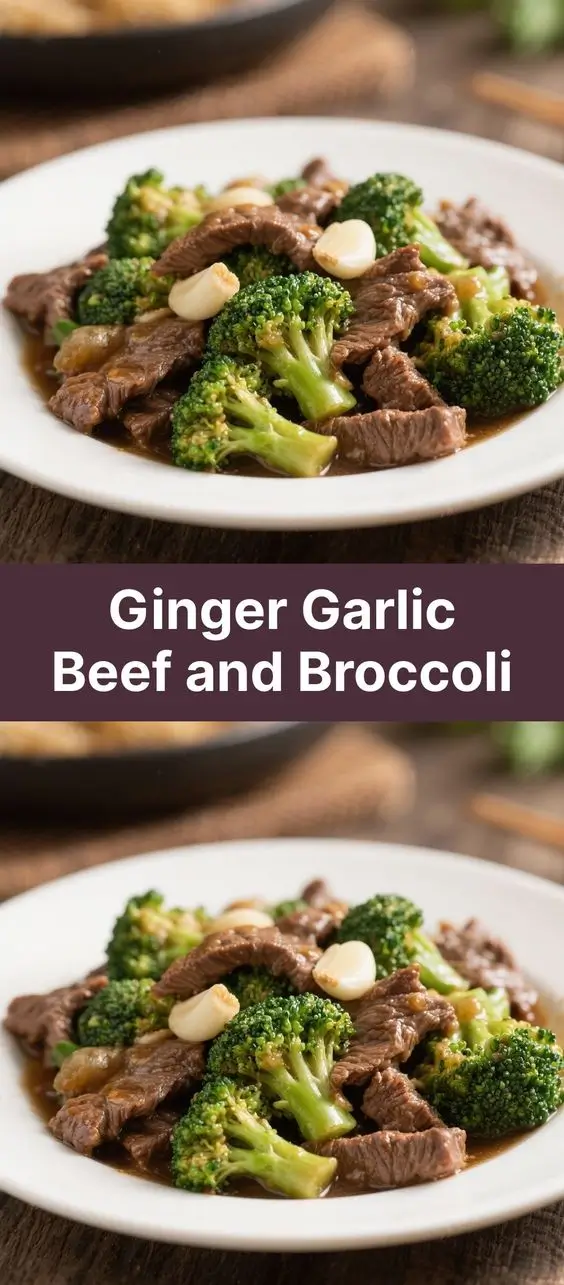
Ginger Garlic Beef and Broccoli: A Flavorful, Sizzling Stir-Fry Delight
The History of Ginger Garlic Beef and Broccoli
The origins of Ginger Garlic Beef and Broccoli can be traced back to the rich culinary traditions of Chinese cuisine, particularly from the Cantonese region, where stir-frying has been a cornerstone cooking technique for centuries. This dish, though now widely popularized in Western countries—especially in American-Chinese restaurants—is a modern adaptation that blends traditional Chinese flavors with accessible ingredients found globally. While beef was not historically a staple protein in ancient China due to cost and agricultural focus on pork and poultry, its inclusion became more common during the 20th century as meat availability increased.
Broccoli, interestingly, is not native to China either—it’s a relatively recent addition introduced through global trade. However, its crisp texture and nutritional value made it an ideal candidate for stir-fries. The use of ginger and garlic, on the other hand, has deep roots in both Chinese cooking and traditional medicine. These aromatic ingredients have been celebrated for thousands of years not only for their pungent, warming flavors but also for their digestive and anti-inflammatory properties.
Over time, chefs in Chinatowns across North America began refining this dish to suit local palates, creating a savory, slightly sweet, and umami-rich version that balances tender beef strips, crisp-tender broccoli florets, and a glossy sauce infused with fresh ginger and garlic. Today, Ginger Garlic Beef and Broccoli stands as a beloved example of fusion cuisine—a harmonious blend of authenticity and innovation that continues to grace dinner tables worldwide.
Ingredients Breakdown: What Makes This Dish Shine
The magic of Ginger Garlic Beef and Broccoli lies in its carefully balanced ingredients, each playing a crucial role in building layers of flavor, texture, and aroma. Let’s take a detailed look at what goes into this mouthwatering dish:
- Beef (Flank Steak or Sirloin): Lean cuts like flank steak or top sirloin are ideal because they offer tenderness when sliced thinly against the grain. Flank steak, in particular, absorbs marinades well and provides a satisfying chewiness after quick cooking.
- Broccoli Florets: Fresh broccoli adds color, crunch, and essential nutrients. It should be cut into even-sized pieces to ensure uniform cooking. Blanching beforehand helps preserve its vibrant green hue while allowing it to cook quickly in the wok.
- Fresh Ginger Root: Grated or minced fresh ginger delivers a bright, zesty warmth that distinguishes this dish from others. Its volatile oils give off an immediate aromatic punch that enhances every bite.
- Fresh Garlic: Minced garlic brings depth and pungency. When sautéed briefly in oil, it mellows slightly while infusing the entire dish with savory complexity.
- Soy Sauce (Low-Sodium Preferred): Provides saltiness and umami. Using low-sodium soy sauce gives better control over the final salt content, especially important since other components may also contain sodium.
- Oyster Sauce: A thick, savory condiment made from oyster extracts, sugar, and salt. It contributes richness, a hint of sweetness, and a velvety texture to the sauce.
- Sesame Oil: Used sparingly, toasted sesame oil adds a nutty, roasted fragrance that elevates the overall aroma profile. It’s typically added at the end to preserve its delicate flavor.
- Shaoxing Wine (or Dry Sherry Substitute): This Chinese rice wine removes gaminess from meat and deglazes the pan, lifting flavorful browned bits while adding subtle sweetness and complexity.
- Cornstarch: Essential for two purposes—tenderizing the beef via velveting and thickening the sauce to create a glossy cling that coats each ingredient evenly.
- Vegetable Oil (High Smoke Point): Needed for stir-frying; oils like peanut, canola, or avocado oil work best due to their high smoke points, preventing burning during high-heat cooking.
- Brown Sugar or Honey (Optional): Balances the saltiness with a touch of sweetness, rounding out the flavor profile.
- Green Onions and Red Pepper Flakes (Optional Garnish): Add freshness, color contrast, and a mild heat kick for those who enjoy some spice.
Step-by-Step Recipe: How to Make Perfect Ginger Garlic Beef and Broccoli at Home
Creating restaurant-quality Ginger Garlic Beef and Broccoli at home is easier than you think—with proper prep and timing, you can have a delicious meal ready in under 30 minutes. Follow these detailed steps for guaranteed success:
- Prepare the Ingredients: Slice 1 pound of flank steak into thin strips, about ¼ inch thick and 2 inches long, cutting against the grain. Cut 4 cups of broccoli into small, uniform florets. Peel and mince 2 tablespoons of fresh ginger. Mince 4 cloves of garlic. Have all sauces measured and within reach—this is crucial in stir-fry cooking where everything moves fast.
- Marinate the Beef: In a bowl, combine the beef strips with 1 tablespoon soy sauce, 1 tablespoon Shaoxing wine (or dry sherry), 1 teaspoon cornstarch, and 1 teaspoon sesame oil. Mix gently until all pieces are coated. Let sit for 15–20 minutes at room temperature (or up to 30 minutes in the fridge if preparing ahead).
- Blanch the Broccoli: Bring a pot of salted water to a boil. Add broccoli florets and cook for 90 seconds to 2 minutes until bright green and slightly tender but still crisp. Immediately transfer to an ice bath to stop cooking, then drain thoroughly and set aside. Alternatively, steam for 2–3 minutes.
- Make the Sauce: In a small bowl, whisk together ¼ cup low-sodium soy sauce, 2 tablespoons oyster sauce, 1 tablespoon Shaoxing wine, 1 tablespoon brown sugar or honey, 1 teaspoon cornstarch, and ¼ cup water or beef broth. Stir well and reserve.
- Stir-Fry the Beef: Heat 1½ tablespoons of vegetable oil in a wok or large skillet over high heat until shimmering. Add the marinated beef in a single layer (work in batches if needed to avoid overcrowding). Sear without stirring for 30 seconds, then toss and cook for another 1–2 minutes until just browned and cooked through. Remove beef and set aside.
- Sauté the Aromatics: In the same wok, add another tablespoon of oil. Lower heat slightly and add minced ginger and garlic. Stir constantly for 15–20 seconds until fragrant but not burnt.
- Add Broccoli: Toss in the blanched broccoli and stir-fry for 1 minute to reheat and absorb the ginger-garlic oil.
- Combine Everything: Return the beef to the wok. Give the sauce mixture a quick stir (cornstarch settles) and pour it over the ingredients. Cook, stirring continuously, for 1–2 minutes until the sauce thickens and clings to the food.
- Finish and Serve: Drizzle with ½ teaspoon toasted sesame oil for extra fragrance. Taste and adjust seasoning if necessary. Garnish with sliced green onions and optional red pepper flakes. Serve immediately over steamed jasmine rice, brown rice, or noodles.
Tips for Success: Mastering Your Stir-Fry Game
To elevate your Ginger Garlic Beef and Broccoli from good to exceptional, consider these expert tips:
- Cut Against the Grain: Always slice beef against the muscle fibers to ensure tenderness. Look for the direction of the striations and cut perpendicular to them.
- Velvet the Beef: The cornstarch-egg white or cornstarch-liquid marinade method (known as “velveting”) protects the meat during high-heat cooking, resulting in silky, juicy bites.
- Don’t Skip Blanching: Par-cooking broccoli ensures it finishes perfectly when stir-fried without overcooking the beef. Skipping this step might result in either raw broccoli or overcooked meat.
- Use High Heat: Stir-frying requires intense heat to achieve wok hei—the elusive “breath of the wok”—a smoky, seared flavor characteristic of authentic Asian cooking.
- Prep Everything First (Mise en Place): Once you start cooking, there’s no time to chop or measure. Have all ingredients prepped, sauces mixed, and tools ready before heating the pan.
- Avoid Overcrowding: Cook beef in batches if necessary. Crowding lowers the pan temperature and causes steaming instead of searing.
- Don’t Overcook the Sauce: Cornstarch-thickened sauces can break down if boiled too long. Remove from heat once thickened to maintain glossiness.
- Customize Doneness: Prefer crispier broccoli? Roast it separately in the oven at 425°F for 15 minutes with oil and salt for deeper flavor.
Variations and Customizations: Make It Your Own
One of the greatest strengths of Ginger Garlic Beef and Broccoli is its versatility. Here are creative ways to personalize the dish based on dietary needs, flavor preferences, or ingredient availability:
- Protein Swaps: Replace beef with chicken breast, thinly sliced pork tenderloin, shrimp, tofu (extra firm, pressed), or tempeh for vegetarian/vegan versions.
- Vegetable Variations: Add bell peppers, snap peas, carrots, mushrooms, baby corn, or bok choy for added texture and nutrition.
- Gluten-Free Option: Use tamari or coconut aminos instead of soy sauce, and verify that oyster sauce is gluten-free (or substitute with mushroom-based alternatives).
- Spicy Kick: Add sliced chili peppers, sriracha, chili garlic sauce, or a dash of Sichuan peppercorns for numbing heat.
- Low-Sodium Version: Reduce or omit added salt, use reduced-sodium sauces, and boost flavor with extra ginger, garlic, citrus zest, or vinegar.
- Keto-Friendly: Omit sugar, use a keto-approved sweetener like erythritol, serve over cauliflower rice, and increase healthy fats with avocado slices or nuts.
- Pineapple Twist: Add canned or fresh pineapple chunks for a sweet-and-sour variation reminiscent of Hawaiian-style dishes.
- Noodle Bowl Style: Toss with cooked lo mein, udon, or rice noodles instead of serving over rice.
- Mongolian-Inspired: Increase garlic significantly (6–8 cloves), reduce ginger, and add more brown sugar for a bolder, sweeter profile.
- Meal Prep Friendly: Double the batch and store portions in airtight containers for up to 4 days. Reheat gently in a skillet to preserve texture.
Health Considerations and Nutritional Value
Ginger Garlic Beef and Broccoli isn’t just delicious—it can also be part of a nutritious, balanced diet when prepared thoughtfully. Let’s examine its health aspects:
Nutrient Highlights:
- Lean Protein: Beef provides high-quality protein, iron (especially heme iron, which is easily absorbed), zinc, and B vitamins including B12, vital for nerve function and energy metabolism.
- Fiber & Antioxidants: Broccoli is rich in fiber, vitamin C, vitamin K, folate, potassium, and sulforaphane—a powerful antioxidant linked to cancer prevention and detoxification support.
- Anti-Inflammatory Properties: Both ginger and garlic possess potent anti-inflammatory and immune-boosting compounds. Ginger contains gingerol, known to ease nausea and muscle pain; garlic contains allicin, associated with cardiovascular benefits and antimicrobial effects.
- Low Carbohydrate Base: Without added sugar and served over brown rice or cauliflower, this dish offers a moderate carb count suitable for many eating plans.
Potential Concerns:
- Sodium Content: Soy sauce and oyster sauce are naturally high in sodium. To manage blood pressure, opt for low-sodium versions and limit additional salt.
- Saturated Fat: Depending on the cut of beef used, saturated fat levels can vary. Choose leaner cuts and trim visible fat to reduce intake.
- Calorie Density: The oil used in stir-frying and sugary sauces can increase calorie content. Control portions and use non-stick pans with minimal oil to lighten the dish.
Estimated Nutrition Per Serving (based on 4 servings, with flank steak, regular soy sauce, and jasmine rice):
| Calories | Approx. 380–420 kcal |
| Protein | 28–32g |
| Total Fat | 14–18g |
| Saturated Fat | 4–5g |
| Carbohydrates | 35–40g |
| Dietary Fiber | 4–5g |
| Sugars | 6–8g (naturally occurring + added) |
| Sodium | 800–1100mg (varies by sauce choice) |
Note: Values will differ based on specific ingredients, portion sizes, and modifications.
Full Ingredient List
For the Beef Marinade:
- 1 lb (450g) flank steak or sirloin, thinly sliced
- 1 tbsp low-sodium soy sauce
- 1 tbsp Shaoxing wine (or dry sherry)
- 1 tsp cornstarch
- 1 tsp toasted sesame oil
For the Stir-Fry:
- 4 cups broccoli florets (about 1 large head)
- 2 tbsp vegetable oil (divided)
- 2 tbsp fresh ginger, minced or grated
- 4 cloves garlic, minced
For the Sauce:
- ¼ cup low-sodium soy sauce
- 2 tbsp oyster sauce
- 1 tbsp Shaoxing wine (or dry sherry)
- 1 tbsp brown sugar or honey (optional)
- 1 tsp cornstarch
- ¼ cup water or beef broth
For Finishing:
- ½ tsp toasted sesame oil
- Sliced green onions (scallions), for garnish
- Red pepper flakes (optional)
To Serve:
- Steamed jasmine rice, brown rice, or cauliflower rice
Directions Recap (Condensed for Quick Reference)
- Slice beef thinly against the grain and marinate with soy sauce, Shaoxing wine, cornstarch, and sesame oil for 15–20 minutes.
- Blanch broccoli in boiling water for 90 seconds, then shock in ice water. Drain and set aside.
- Whisk together sauce ingredients (soy sauce, oyster sauce, wine, sugar, cornstarch, water) and set aside.
- Heat 1½ tbsp oil in a wok over high heat. Stir-fry beef in batches until browned; remove and set aside.
- Add remaining oil, then sauté ginger and garlic for 15–20 seconds until fragrant.
- Add broccoli and stir-fry for 1 minute.
- Return beef to wok, pour in sauce, and cook 1–2 minutes until thickened.
- Drizzle with sesame oil, garnish with green onions and red pepper flakes.
- Serve hot over rice.
FAQ: Frequently Asked Questions About Ginger Garlic Beef and Broccoli
Can I make this dish ahead of time?
Yes! You can prep ingredients up to a day in advance—marinate the beef, blanch the broccoli, and mix the sauce. Store separately in the fridge. Reheat quickly in a wok or skillet when ready to serve.
Can I freeze leftovers?
While possible, freezing may affect texture—broccoli can become mushy and sauce may separate upon thawing. For best quality, consume within 3–4 days. If freezing, omit cornstarch from the sauce and thicken upon reheating.
Why is my sauce too thin or too thick?
Too thin? Simmer longer or add a cornstarch slurry (½ tsp cornstarch + 1 tbsp water). Too thick? Whisk in a bit more water or broth until desired consistency.
What can I use instead of oyster sauce?
Try hoisin sauce (slightly sweeter), mushroom sauce, or a homemade blend: 2 tbsp soy sauce + 1 tsp sugar + ½ tsp miso paste + 1 tsp rice vinegar.
Is this recipe spicy?
Not inherently. The dish relies on ginger and garlic for warmth, not heat. Add chili garlic sauce, fresh chilies, or crushed red pepper for spiciness.
Can I cook this in a regular pan?
Absolutely. A large cast-iron or non-stick skillet works well. Just ensure it’s preheated properly and avoid overcrowding.
How do I store leftovers?
Cool completely and store in an airtight container in the refrigerator for up to 4 days. Reheat gently in a pan with a splash of water to refresh the sauce.
Can I use frozen broccoli?
Fresh is preferred, but frozen broccoli can work in a pinch. Thaw, pat dry, and skip blanching. Expect slightly softer texture.
Can I make it dairy-free?
Yes—this recipe contains no dairy ingredients. Ensure all sauces (like oyster sauce) are certified dairy-free if needed.
Why did my beef turn out tough?
Possible reasons include slicing with the grain, overcooking, skipping the cornstarch marinade, or using a poor cut. Always slice against the grain and avoid prolonged cooking.
Summary
Ginger Garlic Beef and Broccoli is a vibrant, nutrient-rich stir-fry that combines tender marinated beef, crisp broccoli, and a savory-sweet sauce bursting with aromatic ginger and garlic flavors. Quick to prepare and endlessly customizable, it’s a weeknight favorite that brings restaurant-quality taste to your kitchen table.