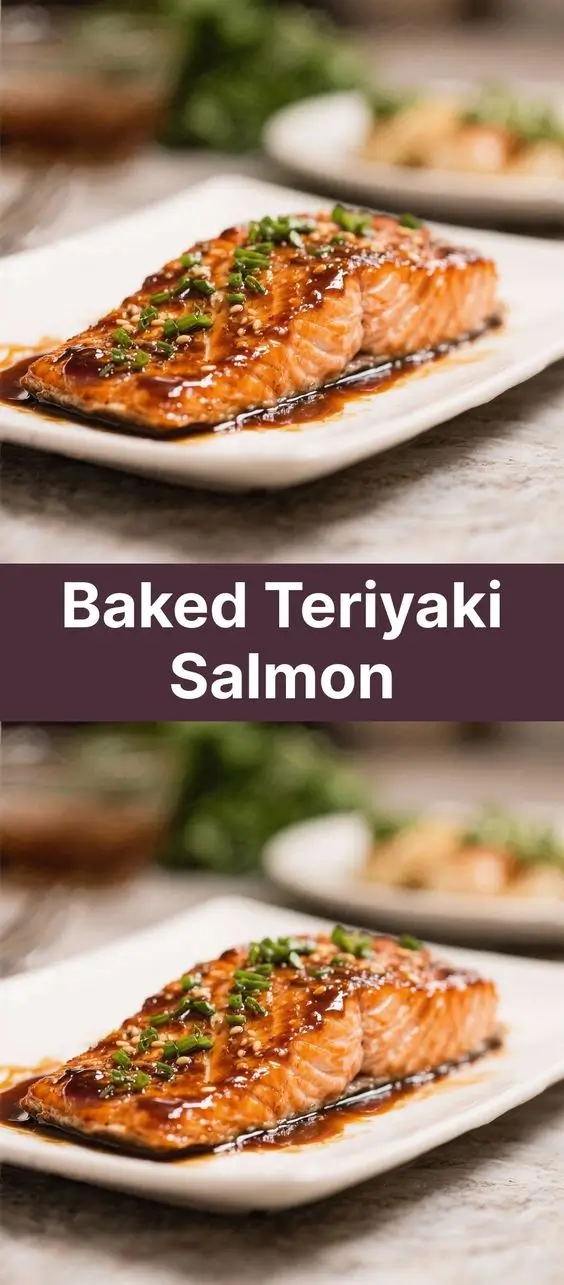
Baked Teriyaki Salmon: A Flavorful, Healthy Delight
Baked teriyaki salmon is a modern culinary classic that brings together the rich umami of Japanese-inspired flavors and the heart-healthy benefits of omega-3-rich salmon. This dish has become a favorite in home kitchens and upscale restaurants alike due to its elegant simplicity, quick preparation time, and bold taste. Whether you’re cooking for a weeknight dinner or impressing guests at a weekend gathering, baked teriyaki salmon delivers on both flavor and nutrition.
The History of Teriyaki and Its Evolution
Teriyaki, as a cooking technique, originated in Japan during the Edo period (1603–1868). The word “teriyaki” comes from two Japanese words: teri, meaning luster or shine, and yaki, meaning grilled or broiled. Traditionally, fish—especially salmon, mackerel, and yellowtail—was broiled with a glaze made from soy sauce, mirin (sweet rice wine), and sugar, which created a glossy finish. Over time, teriyaki became popularized outside Japan, especially in North America, where it evolved to include thicker sauces, more sugar, and new ingredients like garlic and ginger. Today’s baked teriyaki salmon reflects this fusion of traditional Japanese methods and Western adaptations, making it accessible and delicious for global palates.
Ingredients Breakdown: What Makes It Shine
The magic of baked teriyaki salmon lies in its balance of sweet, salty, savory, and aromatic elements. Here’s a detailed look at each ingredient and its role:
- Fresh Salmon Fillets: The star of the dish. Look for wild-caught, skin-on fillets for optimal texture and flavor. The natural oils in salmon absorb the teriyaki sauce beautifully.
- Soy Sauce: Provides saltiness and umami depth. Use low-sodium soy sauce if you’re watching your salt intake, or tamari for a gluten-free option.
- Coconut Aminos (optional): A soy-free alternative that mimics soy sauce with a slightly sweeter, milder taste—ideal for those avoiding soy or following a paleo diet.
- Maple Syrup or Honey: Adds natural sweetness that caramelizes during baking, enhancing the glaze’s shine. Maple syrup offers earthy notes, while honey gives floral undertones.
- Fresh Ginger: Grated or finely minced, it imparts a warm, zesty kick that cuts through the richness of the salmon.
- Garlic: Freshly minced garlic adds pungency and complexity to the sauce.
- Rice Vinegar: Balances the sweetness with a touch of acidity, brightening the overall flavor profile.
- Sesame Oil: Just a teaspoon enhances aroma and adds a nutty depth characteristic of Asian cuisine.
- Green Onions and Sesame Seeds: Used as garnish, they add color, crunch, and freshness.
- Water or Pineapple Juice (optional): Helps thin the sauce and introduces subtle fruity sweetness when pineapple juice is used.
Step-by-Step Recipe: How to Make Baked Teriyaki Salmon
Follow these easy steps to create restaurant-quality baked teriyaki salmon in your own kitchen:
- Preheat the Oven: Set your oven to 400°F (200°C). Line a baking sheet with parchment paper or foil for easy cleanup.
- Prepare the Salmon: Pat 4 salmon fillets (about 6 oz each) dry with paper towels. Place them skin-side down on the prepared baking sheet. Season lightly with salt and pepper.
- Make the Teriyaki Sauce: In a medium bowl, whisk together:
- ½ cup low-sodium soy sauce (or coconut aminos)
- ¼ cup maple syrup or honey
- 2 tablespoons rice vinegar
- 1 tablespoon sesame oil
- 3 cloves garlic, minced
- 1 tablespoon fresh ginger, grated
- 2 tablespoons water or pineapple juice (optional)
- Marinate the Salmon: Pour half of the teriyaki sauce over the salmon fillets, spooning it evenly to coat. Let marinate for 15–30 minutes at room temperature (or up to 2 hours in the refrigerator for deeper flavor).
- Bake the Salmon: Place the salmon in the preheated oven and bake for 12–15 minutes, depending on thickness. The salmon is done when it flakes easily with a fork and reaches an internal temperature of 145°F (63°C).
- Glaze the Salmon: Remove the salmon from the oven and brush generously with the reserved teriyaki sauce. For extra shine, switch the oven to broil and return the salmon for 2–3 minutes until the glaze bubbles and caramelizes slightly. Watch closely to avoid burning.
- Garnish and Serve: Sprinkle with sliced green onions and toasted sesame seeds. Serve immediately with steamed rice, quinoa, or a bed of sautéed vegetables.
Tips for Perfect Baked Teriyaki Salmon Every Time
- Choose Uniform Fillets: Select salmon pieces that are similar in thickness so they cook evenly.
- Don’t Overcook: Salmon dries out quickly. Remove it from the oven as soon as it flakes—carryover heat will continue cooking it slightly.
- Reserve Sauce for Glazing: Never pour raw marinade back onto cooked fish. Always set aside a portion of sauce before marinating for safe basting.
- Use Fresh Aromatics: Fresh ginger and garlic make a significant difference compared to powdered versions.
- Enhance the Crust: For a crispier top, place the salmon under the broiler for the final minute—but stay vigilant!
- Let It Rest: Allow the salmon to rest for 2–3 minutes after baking to redistribute juices.
Variations and Customizations
Baked teriyaki salmon is highly adaptable. Try these creative twists to suit different tastes and dietary needs:
- Pineapple Teriyaki: Add ¼ cup crushed pineapple or pineapple juice to the sauce for tropical flair.
- Spicy Teriyaki: Mix in 1–2 teaspoons of sriracha, chili garlic paste, or red pepper flakes for heat.
- Orange Teriyaki: Replace 2 tablespoons of water with fresh orange juice and add zest for a citrusy twist.
- Low-Sugar Version: Substitute monk fruit syrup or erythritol-based sweeteners for honey or maple syrup.
- Extra Thick Glaze: Simmer the sauce on the stove for 5–7 minutes to reduce and thicken before using.
- Different Proteins: Use the same sauce for chicken, tofu, shrimp, or even tempeh.
- Sheet Pan Meal: Arrange broccoli, bell peppers, carrots, or snap peas around the salmon and drizzle with sauce before baking for a complete one-pan dinner.
Health Considerations and Nutritional Value
Baked teriyaki salmon is not only delicious but also packed with health-promoting nutrients:
- Omega-3 Fatty Acids: Salmon is one of the best sources of EPA and DHA, essential fats linked to reduced inflammation, improved heart health, and enhanced brain function.
- High-Quality Protein: Each 6-ounce serving provides about 35–40 grams of protein, supporting muscle repair and satiety.
- Vitamins and Minerals: Rich in vitamin D, selenium, B12, and potassium, all vital for immune support, energy metabolism, and electrolyte balance.
- Heart Health: Regular consumption of fatty fish like salmon is associated with lower risk of cardiovascular disease.
However, be mindful of sodium content due to soy sauce. Opting for low-sodium versions and reducing added salt can help manage blood pressure. Also, while natural sweeteners like honey and maple syrup are healthier than refined sugar, they still contribute calories—moderation is key, especially for those managing blood sugar levels.
Full Ingredients List
- 4 salmon fillets (6 oz each), skin-on
- ½ cup low-sodium soy sauce (or coconut aminos)
- ¼ cup pure maple syrup or raw honey
- 2 tablespoons rice vinegar
- 1 tablespoon toasted sesame oil
- 3 cloves garlic, minced
- 1 tablespoon fresh ginger, grated
- 2 tablespoons water or pineapple juice (optional)
- Salt and freshly ground black pepper, to taste
- 2 green onions, thinly sliced
- 1 tablespoon sesame seeds, toasted
Directions Recap
- Preheat oven to 400°F (200°C) and line a baking sheet.
- In a bowl, whisk together soy sauce, maple syrup, rice vinegar, sesame oil, garlic, ginger, and water.
- Set aside ⅓ of the sauce for glazing. Marinate salmon in the remaining sauce for 15–30 minutes.
- Place salmon skin-side down on the baking sheet. Bake for 12–15 minutes.
- Remove from oven, brush with reserved sauce, and broil for 2–3 minutes until glossy and caramelized.
- Garnish with green onions and sesame seeds. Serve hot with rice and vegetables.
FAQ (Frequently Asked Questions)
Can I use frozen salmon?
Yes, but thaw it completely in the refrigerator overnight before marinating for best results.
How long does leftover teriyaki salmon last?
Store in an airtight container in the refrigerator for up to 3 days. Reheat gently in the oven or microwave.
Can I make the teriyaki sauce ahead of time?
Absolutely! The sauce can be prepared and stored in a jar in the fridge for up to 2 weeks.
Is baked teriyaki salmon keto-friendly?
Not traditionally, due to the sugar content. However, you can adapt it using sugar-free substitutes like allulose or monk fruit syrup to make it keto-compliant.
Can I grill instead of bake?
Yes! Grill the salmon over medium heat for 4–5 minutes per side, basting with sauce during the last few minutes.
What sides pair well with teriyaki salmon?
Steamed white or brown rice, jasmine rice, cauliflower rice, stir-fried veggies, miso soup, edamame, or a simple cucumber salad.
Summary
Baked teriyaki salmon combines succulent, omega-3-rich fish with a glossy, savory-sweet glaze for a nutritious and satisfying meal ready in under 30 minutes. With endless customization options and deep roots in both tradition and modern wellness, it’s a dish that delights the palate and nourishes the body.