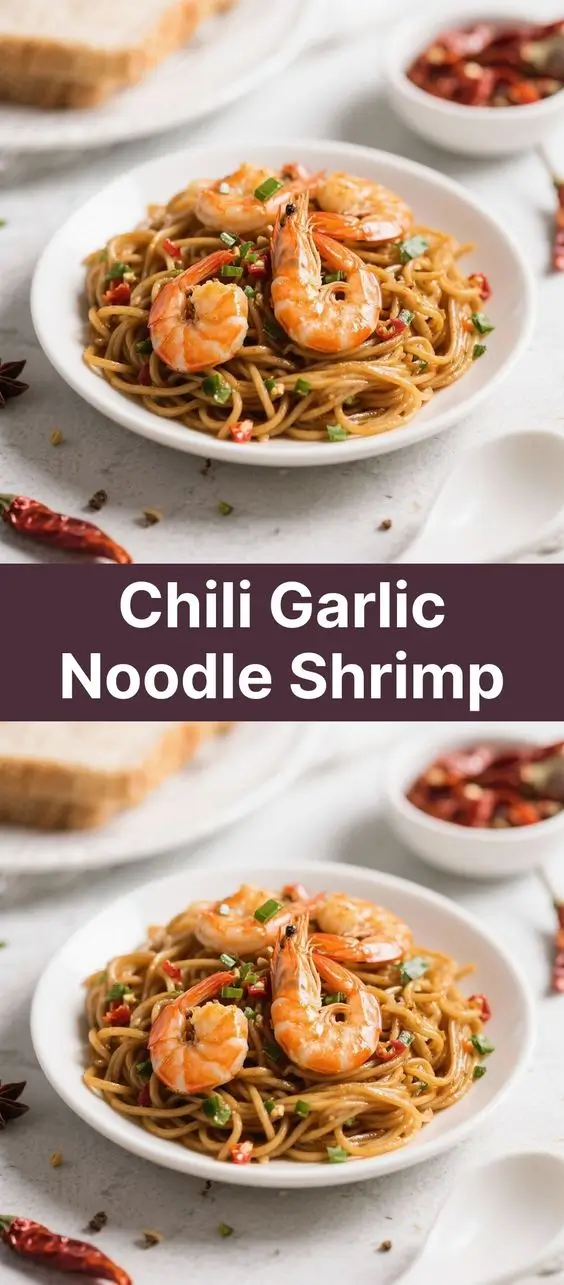
Chili Garlic Noodle Shrimp: A Spicy, Savory Seafood Delight
The History of Chili Garlic Noodle Shrimp
The origins of Chili Garlic Noodle Shrimp can be traced back to the fusion of Chinese-American and Southeast Asian culinary traditions. While traditional garlic noodles are believed to have originated in Chinese cuisine—particularly from regions like Sichuan and Hunan known for their bold, spicy flavors—the adaptation with shrimp likely emerged in American-Chinese restaurants during the late 20th century. These dishes were inspired by classic stir-fries such as “Garlic Sauce Shrimp” and “Dry-Fried Noodles,” but tailored to suit Western palates with a balance of heat, sweetness, and umami.
The modern version of Chili Garlic Noodle Shrimp gained popularity through food blogs, social media platforms, and viral restaurant dishes—especially after being featured on menus at trendy Asian fusion eateries across California and New York. Influenced by Thai, Vietnamese, and Cantonese cooking techniques, this dish combines aromatic garlic, fiery chilies, soy-based sauces, and fresh seafood into a quick, flavorful meal that’s both comforting and exciting. Today, it stands as a beloved weeknight favorite and an impressive dinner-party option, celebrated for its vibrant taste and ease of preparation.
Ingredients Breakdown: What Makes This Dish Shine
The magic of Chili Garlic Noodle Shrimp lies in its harmonious blend of ingredients, each contributing depth, texture, and flavor. Let’s break them down:
- Fresh Shrimp: Large or jumbo shrimp (peeled and deveined) are ideal for this recipe. Their natural sweetness pairs perfectly with the spicy-savory sauce. Opt for wild-caught when possible for superior taste and sustainability.
- Noodles: Traditionally, thin egg noodles or lo mein noodles are used, but you can substitute with rice noodles, soba, or even spaghetti in a pinch. The key is choosing a noodle that holds up well to saucing without becoming mushy.
- Garlic: Freshly minced garlic is non-negotiable—it provides the foundational aroma and punch. Using 6–8 cloves ensures a robust garlicky flavor that defines the dish.
- Chili Oil or Sambal Oelek: This brings the heat. Chili oil adds both spice and richness (especially if infused with sesame), while sambal oelek offers a cleaner, sharper辣 (là) sensation. Adjust according to your tolerance.
- Soy Sauce: Both light and dark soy sauce play roles—light for saltiness and depth, dark for color and subtle caramel notes.
- Oyster Sauce: Adds a rich, savory-sweet umami layer. For a vegetarian version, use mushroom-based oyster sauce alternative.
- Sesame Oil: A finishing touch that enhances fragrance and rounds out the flavor profile.
- Rice Vinegar or Lime Juice: Introduces brightness and cuts through the richness, balancing the overall taste.
- Honey or Brown Sugar: A small amount balances the heat and salt, creating a rounded, complex sauce.
- Green Onions and Cilantro: Fresh herbs add color, crunch, and a refreshing contrast to the warm, spicy base.
- Toasted Sesame Seeds and Crushed Peanuts: Optional garnishes that contribute nuttiness and texture.
Optional enhancements include ginger, fermented black beans, chili crisp, or a splash of Shaoxing wine for added complexity.
Step-by-Step Recipe: How to Make Perfect Chili Garlic Noodle Shrimp at Home
Follow these detailed steps to create a restaurant-quality dish in under 30 minutes.
Ingredients
- 1 lb (450g) large shrimp, peeled and deveined
- 8 oz (225g) egg noodles or lo mein noodles
- 6–8 cloves garlic, finely minced
- 3 tbsp chili oil (or 1–2 tbsp sambal oelek + 1 tbsp neutral oil)
- 3 tbsp soy sauce (use low sodium if preferred)
- 1 tbsp dark soy sauce (optional, for color)
- 1½ tbsp oyster sauce
- 1 tbsp honey or brown sugar
- 1 tbsp rice vinegar or fresh lime juice
- 1 tsp toasted sesame oil
- 1 tbsp vegetable or peanut oil (for cooking)
- 1 tbsp fresh ginger, grated (optional)
- 4 green onions, sliced (white and green parts separated)
- ¼ cup fresh cilantro, chopped
- Sesame seeds and crushed peanuts (for garnish)
- Red pepper flakes (optional, for extra heat)
Directions
- Cook the Noodles: Bring a large pot of salted water to a boil. Cook the noodles according to package instructions until al dente. Drain and rinse briefly under cold water to stop cooking. Toss with a drizzle of sesame oil to prevent sticking. Set aside.
- Prepare the Sauce: In a small bowl, whisk together soy sauce, dark soy sauce (if using), oyster sauce, honey, rice vinegar, and sesame oil. Taste and adjust sweetness or acidity as needed. Set aside.
- Sear the Shrimp: Pat the shrimp dry with paper towels. Heat 1 tablespoon of vegetable oil in a large wok or skillet over medium-high heat. Add the shrimp in a single layer and cook for 1–2 minutes per side until pink and just opaque. Remove and set aside.
- Infuse the Aromatics: In the same pan, reduce heat to medium. Add chili oil (or base oil + sambal). Stir in minced garlic and white parts of green onions. If using ginger, add now. Sauté for 30–60 seconds until fragrant—do not let garlic burn.
- Build the Flavor Base: Pour in the prepared sauce mixture. Let it simmer gently for 1–2 minutes to allow flavors to meld and thicken slightly.
- Combine Noodles and Sauce: Add the cooked noodles to the pan. Use tongs to toss thoroughly, ensuring every strand is coated with the glossy, spicy sauce.
- Add Shrimp Back: Return the seared shrimp to the pan. Gently toss everything together and heat through for another 1–2 minutes.
- Finish and Garnish: Remove from heat. Stir in fresh lime juice (if not already used), then top with sliced green onion greens, chopped cilantro, sesame seeds, and crushed peanuts. Drizzle with additional chili crisp for serving, if desired.
- Serve Immediately: Plate the Chili Garlic Noodle Shrimp hot, ideally in wide bowls to showcase the vibrant colors and textures.
Pro Tips for the Best Results
- Don’t Overcook the Shrimp: Shrimp cook quickly and become rubbery if left too long. Remove them from the pan as soon as they turn opaque.
- Use Fresh Garlic: Pre-minced jarred garlic lacks the bright, pungent kick essential to this dish.
- Bloom the Chili Oil: Heating chili oil gently with garlic helps release its full flavor and distributes heat evenly.
- Taste Your Sauce Before Adding: Balance is key—adjust sweet, salty, sour, and spicy elements before combining with noodles.
- Reserve Some Pasta Water: If the dish feels dry, add 1–2 tablespoons of starchy pasta water to loosen the sauce and help it cling better.
- Double the Batch: This recipe reheats surprisingly well (though best fresh). Store leftovers in an airtight container for up to 2 days.
- High Heat = Better Wok Hei: If using a gas stove, crank the heat during stir-frying for that authentic “breath of the wok” smoky essence.
Variations and Customizations
One of the greatest strengths of Chili Garlic Noodle Shrimp is its versatility. Here are some creative twists to explore:
Protein Swaps
- Chicken: Substitute shrimp with thinly sliced chicken breast or thigh. Marinate in soy sauce and cornstarch for tenderness.
- Beef: Use flank steak or sirloin, sliced thin against the grain. Quick-sear for a beefy alternative.
- Tofu or Tempeh: Press firm tofu, cube, and pan-fry until crispy for a plant-based version.
- Scallops or Mussels: Luxurious seafood options that pair beautifully with the bold sauce.
Dietary Adaptations
- Gluten-Free: Use tamari instead of soy sauce and gluten-free noodles (like rice or mung bean noodles).
- Keto/Low-Carb: Replace noodles with spiralized zucchini (zoodles), shirataki noodles, or kelp noodles. Reduce or omit sweeteners.
- Vegan: Skip shrimp, use vegan oyster sauce, and add mushrooms or jackfruit for meaty texture.
Flavor Twists
- Thai-Inspired: Add lemongrass, fish sauce, and coconut milk for a creamy, tangy twist.
- Korean Fusion: Swap in gochujang for part of the chili oil and finish with kimchi and nori strips.
- Sichuan Style: Incorporate Sichuan peppercorns (toasted and ground) for numbing ma-la heat.
- Lime & Coconut: Stir in unsweetened coconut milk and top with lime zest for tropical flair.
Texture Boosters
- Add sautéed bell peppers, snap peas, broccoli, or bok choy for crunch and nutrition.
- Top with crispy fried shallots or garlic chips for gourmet flair.
- Serve over a bed of wilted spinach or napa cabbage for a heartier meal.
Health Considerations and Nutritional Value
When prepared mindfully, Chili Garlic Noodle Shrimp can be a balanced, protein-rich meal with beneficial nutrients.
Nutrition Highlights (per serving, approx. 1.5 cups):
- Calories: ~400–500 kcal (varies based on oil, noodles, and additions)
- Protein: 25–30g (excellent source from shrimp)
- Carbohydrates: 45–60g (mainly from noodles; lower in keto versions)
- Fat: 12–18g (mostly unsaturated from oils and seafood)
- Sodium: 800–1200mg (can be reduced with low-sodium soy sauce and less added salt)
- Omega-3 Fatty Acids: Present in shrimp—supports heart and brain health.
- Selenium & Vitamin B12: Shrimp are rich in these essential micronutrients.
Health Tips
- Control Sodium: Use reduced-sodium soy sauce and limit added salt. Rinse canned sauces if overly salty.
- Choose Whole Grain Noodles: Boost fiber and digestion with whole wheat or buckwheat varieties.
- Limit Oil Quantity: Measure oils instead of pouring freely—this reduces unnecessary fats.
- Beware of Hidden Sugars: Check labels on bottled chili oils and sauces, which may contain high fructose corn syrup.
- Allergen Alert: Contains shellfish, soy, wheat (unless substituted), sesame, and possibly eggs (depending on noodle type).
- Pregnancy Note: Shrimp are generally safe during pregnancy due to low mercury levels, but ensure they’re fully cooked.
Frequently Asked Questions (FAQ)
Can I make Chili Garlic Noodle Shrimp ahead of time?
Yes, but it’s best served fresh. You can prep components separately: cook noodles and chill, make sauce in advance, and peel shrimp earlier in the day. Reheat gently with a splash of water to revive texture.
What kind of noodles work best?
Egg noodles and lo mein are traditional, but ramen (discard seasoning), udon, rice vermicelli, soba, or even spaghetti work well depending on dietary needs and availability.
Is this dish very spicy?
Spiciness is customizable. Start with 1 tablespoon of chili oil or sambal, taste, then add more. Serve extra on the side for those who want heat.
Can I freeze leftovers?
Not recommended. Noodles tend to become soggy upon thawing and reheating. Best eaten within 1–2 days refrigerated.
How do I prevent the garlic from burning?
Use medium heat, stir constantly, and add garlic only after the oil is warm—not smoking. If needed, remove pan from heat momentarily while stirring.
Can I use frozen shrimp?
Yes, but thaw completely in the refrigerator first. Pat dry before cooking to avoid steaming instead of searing.
What can I serve with this dish?
Pair with simple sides like steamed broccoli, cucumber salad, Asian slaw, or a light miso soup. A cold beer or jasmine tea complements the spice well.
Why are my noodles sticky?
You may have overcooked them or didn’t rinse properly. Always follow package time, rinse with cold water, and toss with a little oil post-cooking.
Can I make this in an Instant Pot or sheet pan?
While traditionally stovetop, you can adapt: cook shrimp separately and combine. Sheet pan roasting isn’t ideal due to noodle texture requirements.
Is there a dairy-free version?
Absolutely! This recipe is naturally dairy-free—just confirm all sauces and noodles are free from milk derivatives.
Summary
Chili Garlic Noodle Shrimp is a bold, satisfying dish that blends the heat of chilies, the punch of fresh garlic, and the succulence of perfectly cooked shrimp over silky noodles. With endless customization options and a quick cook time, it’s a modern classic perfect for busy nights and special meals alike.