Introduction
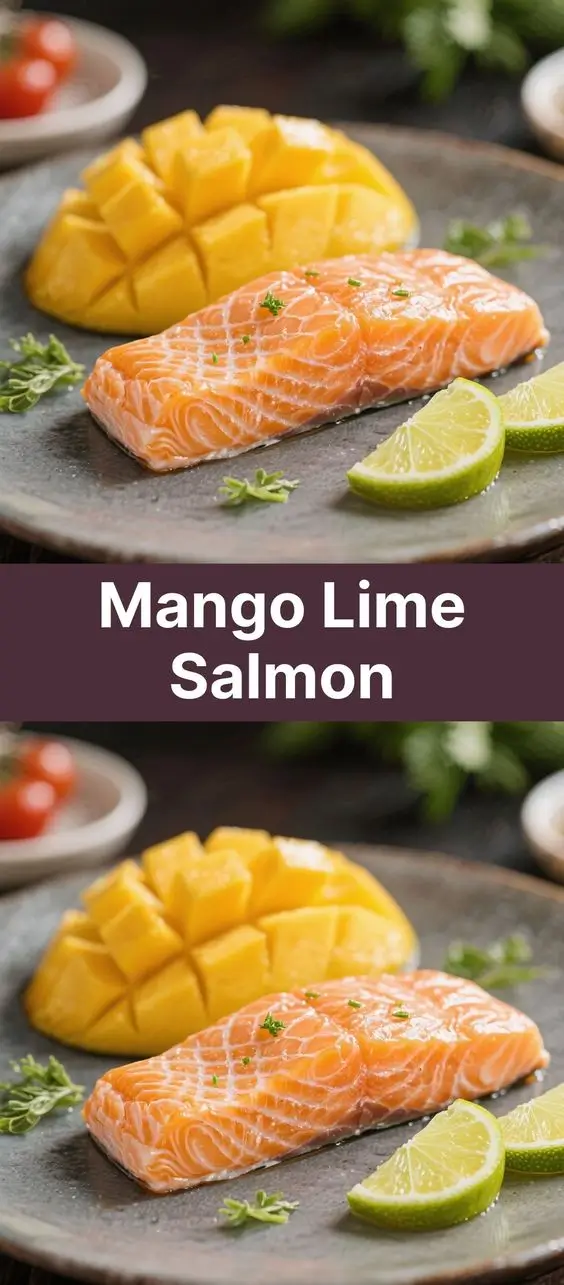
Welcome to a culinary journey that marries the vibrant flavors of tropical fruit with the rich, buttery texture of premium salmon. Mango Lime Salmon is a dish that dances on the palate—sweet, tangy, zesty, and savory all at once. Whether you’re preparing a weeknight dinner or hosting an elegant weekend brunch, this recipe delivers both visual appeal and exceptional taste. With its golden-orange mango glaze glistening over flaky pink salmon, it’s not only delicious but also Instagram-worthy. The natural sugars in ripe mango caramelize beautifully when grilled or baked, while fresh lime juice cuts through the richness, creating a balanced symphony of flavors. This dish celebrates freshness, health, and global inspiration—drawing from Caribbean, Southeast Asian, and Californian coastal cuisines where citrus and seafood reign supreme.
Perfectly suited for warm summer evenings or as a bright contrast during colder months, Mango Lime Salmon brings sunshine to your plate. It’s quick enough for busy cooks yet refined enough for entertaining guests. In this comprehensive guide, we’ll dive deep into every aspect of this delightful dish—from its historical roots and ingredient science to step-by-step preparation, customization ideas, nutritional insights, and frequently asked questions. By the end, you’ll be fully equipped to master Mango Lime Salmon in your own kitchen with confidence and creativity.
The History
While there isn’t a single documented origin point for Mango Lime Salmon, its emergence can be traced to the fusion food movements of the late 20th century, particularly along the coasts of California, Florida, and Hawaii, where chefs began blending Latin American, Caribbean, and Pacific Rim influences. These regions shared access to fresh mangoes, limes, and wild-caught salmon, making such combinations inevitable. The use of tropical fruits in savory dishes has deep roots in indigenous cultures across Central America, India, and Southeast Asia, where unripe green mangoes have long been used in chutneys, salsas, and curries to add acidity and brightness.
Lime has historically played a crucial role in ceviche-style preparations throughout Latin America, where raw fish is “cooked” using citrus juices—a technique that may have indirectly influenced modern applications like marinating salmon before grilling. Meanwhile, salmon holds sacred status among Indigenous peoples of the Pacific Northwest, who traditionally smoked or roasted it over alder wood fires. As global trade expanded in the 1980s and 1990s, mango imports increased dramatically in North America, coinciding with the rise of “California cuisine”—a style championed by chefs like Wolfgang Puck, Alice Waters, and Jonathan Waxman, who emphasized seasonal, local ingredients with international flair.
Mango Lime Salmon likely gained popularity through restaurant menus in cities like Los Angeles, Miami, and San Francisco during the early 2000s. Its appearance on cooking shows, food blogs, and lifestyle magazines cemented its place as a modern classic. Today, it symbolizes the evolution of American gastronomy: diverse, adventurous, and health-conscious. While no single culture claims ownership, the dish embodies a harmonious blend of traditions—honoring the earth’s bounty through bold, clean flavors and mindful preparation.
Ingredients Breakdown
To truly understand and appreciate Mango Lime Salmon, let’s examine each ingredient not just for flavor contribution but also for function and synergy within the dish:
- Salmon Fillets (6–8 oz each, skin-on preferred): Opt for wild-caught Alaskan or Sockeye salmon if possible. Wild salmon offers richer omega-3 content and firmer texture than farmed varieties. The natural fat distribution ensures moistness during cooking, while the skin crisps up beautifully when seared or roasted.
- Ripe Mango (1 large or 2 small): Choose Ataulfo (Honey) or Kent mangoes for their creamy texture and lower fiber content. Ripe mango provides natural sweetness and body to the sauce. It contains enzymes like mangiferin and amylase that aid digestion and contribute subtle floral notes.
- Fresh Lime Juice (¼ cup): Key for acidity and brightness. Freshly squeezed juice is essential—bottled versions lack the aromatic zest and enzymatic liveliness needed to balance the mango’s sweetness.
- Lime Zest (1 tablespoon): Extracted from the outer peel, it adds intense citrus fragrance without bitterness. Contains limonene, a compound linked to antioxidant properties.
- Olive Oil (2 tablespoons): Extra virgin olive oil enhances mouthfeel and helps carry fat-soluble flavor compounds. It also prevents sticking during cooking and contributes heart-healthy monounsaturated fats.
- Garlic (2 cloves, minced): Adds depth and umami. When heated gently, garlic develops sweet, nutty undertones rather than sharp pungency.
- Ginger (1 teaspoon grated): Fresh ginger root imparts warmth and slight spiciness. Known for anti-inflammatory benefits, it complements both mango and fish exceptionally well.
- Honey or Maple Syrup (1–2 tablespoons): Enhances caramelization and rounds out tartness. Honey pairs especially well with mango due to shared floral notes.
- Soy Sauce or Tamari (1 tablespoon): Introduces saltiness and umami depth. Use tamari for gluten-free options. Low-sodium versions help control overall salt intake.
- Red Pepper Flakes (½ teaspoon, optional): For those who enjoy heat, crushed red pepper flakes add gentle spice that contrasts the sweetness of mango.
- Green Onions or Cilantro (for garnish): Chopped scallions provide mild oniony crunch; cilantro adds herbal freshness often associated with tropical cuisine.
- Sea Salt and Black Pepper (to taste): Essential seasoners that enhance all other flavors without overpowering them.
Optional additions include diced red bell pepper for color and crunch in the mango salsa, avocado slices for creaminess, or toasted sesame seeds for nutty aroma. Each component works together to create layers of flavor—sweet, sour, salty, spicy, and savory—making this dish a textbook example of balanced taste profiles.
Step-by-Step Recipe
Now that we’ve explored the components, here’s how to bring Mango Lime Salmon to life in your kitchen—with precision, care, and maximum flavor extraction.
- Prepare the Mango Lime Glaze/Sauce: Peel and dice one ripe mango, removing the flesh from the pit. Transfer the chunks to a blender or food processor. Add freshly squeezed juice of two limes (about ¼ cup), 1 tablespoon lime zest, 2 tablespoons olive oil, 1 minced garlic clove, 1 teaspoon grated ginger, 1–2 tablespoons honey (adjust to taste), 1 tablespoon soy sauce, and ½ teaspoon red pepper flakes (if using). Blend until smooth. Taste and adjust seasoning—add more lime for tartness, honey for sweetness, or soy for saltiness.
- Marinate the Salmon (Optional but Recommended): Pat 4 salmon fillets dry with paper towels. Place them in a shallow dish or resealable bag. Pour half of the mango lime mixture over the salmon, reserving the rest for basting and serving. Gently coat each fillet, ensuring even coverage. Cover and refrigerate for 20–30 minutes (do not exceed 1 hour, as prolonged exposure to acid can begin to denature the proteins excessively).
- Preheat Cooking Surface: Preheat oven to 375°F (190°C) for baking, or heat a grill pan, cast iron skillet, or outdoor grill to medium-high heat. If grilling, lightly oil the grates to prevent sticking.
- Sear the Salmon (Recommended for Texture): Remove salmon from marinade and gently shake off excess. Season lightly with sea salt and black pepper. Heat 1 tablespoon olive oil in a skillet over medium-high heat. Place salmon fillets skin-side down (if skin-on) and sear for 3–4 minutes until skin is crispy and golden. Flip carefully and cook for another 1–2 minutes.
- Glaze and Finish Baking/Grilling: Transfer seared salmon to a parchment-lined baking sheet or continue on the grill. Brush generously with reserved mango lime sauce. Bake for 8–12 minutes (depending on thickness) or grill for 4–6 minutes per side, until internal temperature reaches 125–130°F (52–54°C) for medium-rare, or up to 135°F (57°C) for medium. The sauce will caramelize slightly, forming a glossy crust.
- Rest Before Serving: Let salmon rest for 3–5 minutes after cooking. This allows juices to redistribute, resulting in a more tender bite.
- Assemble and Garnish: Spoon additional warm or chilled mango lime sauce over the top. Sprinkle with chopped green onions, cilantro, and a pinch of flaky sea salt. Serve immediately alongside rice, quinoa, or a fresh salad.
Tips
- Choose the Right Mango: A perfectly ripe mango should yield slightly to gentle pressure near the stem and emit a sweet, fruity aroma. Avoid hard, green mangoes unless making a salsa or chutney.
- Don’t Over-Marinate: Citrus acids break down fish proteins quickly. Marinating longer than 1 hour can result in a mealy texture, mimicking ceviche.
- Skin-On vs. Skin-Off: Keeping the skin on protects the delicate flesh during high-heat cooking and becomes delightfully crispy. Remove it after cooking if desired.
- Control the Heat: High heat causes sugar-rich sauces to burn easily. Monitor closely during glazing—consider lowering heat or covering loosely with foil if browning too fast.
- Use a Thermometer: For perfect doneness, insert a digital probe thermometer into the thickest part of the fillet. Aim for 125–135°F (52–57°C). Residual heat will continue cooking the fish slightly off the heat.
- Baste Midway: Apply extra glaze halfway through baking or grilling for deeper flavor and shine.
- Double the Sauce: Make extra mango lime sauce—it keeps well in the fridge for up to 5 days and doubles as a dip for shrimp, chicken, or vegetables.
- Room Temperature Start: Let salmon sit at room temp for 10–15 minutes before cooking to ensure even heating.
- Line Your Pan: Use parchment paper or foil to simplify cleanup, especially when glazing, which can stick and char.
- Balance Flavors Constantly: Taste your sauce throughout prep. Great dishes are built on constant adjustment—more lime? More honey? Trust your palate.
Variations and Customizations
Mango Lime Salmon is wonderfully adaptable to different diets, preferences, and pantry inventories. Here are some inspired variations:
- Tropical Salsa Topping: Skip the blended glaze and instead make a fresh mango salsa: combine diced mango, red onion, jalapeño, cilantro, lime juice, salt, and a touch of honey. Spoon over cooked salmon for a cool, crunchy contrast.
- Grilled Pineapple Addition: Add grilled pineapple rings alongside the salmon for intensified sweetness and smoky notes.
- Coconut Milk Infusion: Stir 2–3 tablespoons of full-fat coconut milk into the sauce for a creamy, Thai-inspired twist. Pairs beautifully with curry powder or lemongrass.
- Spicy Sriracha Kick: Mix 1–2 teaspoons sriracha or chili garlic sauce into the glaze for a fiery punch.
- Teriyaki Fusion: Replace half the lime juice with mirin and increase soy sauce slightly for a teriyaki-mango hybrid glaze.
- Smoked Salmon Option: For a cold appetizer version, serve mango lime crema (thin the sauce with Greek yogurt) over smoked salmon crostini.
- Vegan/Vegetarian Adaptation: Substitute salmon with grilled tofu, tempeh, or portobello mushrooms. Press tofu first to absorb the marinade better.
- Low-Sugar/Keto Version: Omit honey and use a keto-friendly sweetener like monk fruit syrup. Focus on savory elements—add capers, olives, or anchovy paste for complexity.
- Asian-Inspired Garnish: Top with pickled ginger, toasted sesame seeds, and microgreens for an umami-rich finish.
- Caribbean Jerk Style: Add allspice, thyme, scotch bonnet pepper, and cinnamon to the marinade for a Jamaican jerk mango twist.
You can also vary the cooking method: try air-frying the salmon at 370°F for 10–12 minutes with occasional basting, or slow-roast at 275°F for ultra-tender results. Serve over coconut rice, forbidden black rice, or a bed of baby kale for added elegance.
Health Considerations and Nutritional Value
Mango Lime Salmon isn’t just tasty—it’s a powerhouse of nutrition when prepared thoughtfully.
Nutritional Highlights (per serving, approx. 6 oz salmon + ⅓ cup sauce):
- Calories: ~380–420 kcal
- Protein: ~34g – High-quality complete protein supporting muscle repair and satiety.
- Fat: ~22g – Predominantly heart-healthy unsaturated fats, including 2.5–3g of omega-3 fatty acids (EPA/DHA), known to reduce inflammation and support brain and cardiovascular health.
- Carbohydrates: ~18g – Mostly from natural sugars in mango and honey; includes ~3g dietary fiber from mango.
- Vitamin D: Up to 70% DV – Crucial for immune function and bone health.
- Vitamin B12: Over 100% DV – Essential for nerve function and red blood cell formation.
- Potassium: ~15% DV – Helps regulate blood pressure.
- Vitamin C: ~40% DV – From mango and lime, boosts immunity and collagen production.
- Magnesium & Selenium: Significant amounts present, important for metabolic processes and antioxidant defense.
Health Benefits:
- Heart Health: Omega-3s in salmon reduce triglycerides and may lower risk of heart disease.
- Anti-Inflammatory Effects: Ginger, lime, mango (rich in polyphenols), and olive oil all possess anti-inflammatory properties.
- Digestive Support: Enzymes in mango (like amylase) and ginger aid digestion and reduce bloating.
- Blood Sugar Balance: While mango contains natural sugars, pairing it with high-protein, high-fat salmon slows glucose absorption. Portion control is key for diabetics.
- Weight Management: High protein and healthy fat content promote fullness and reduce cravings.
Considerations:
- Mercury Levels: Salmon is low on the mercury scale compared to tuna or swordfish, making it safe for most populations, including pregnant women (FDA recommends 2–3 servings weekly).
- Sodium Content: Can be managed by using low-sodium soy sauce or tamari and limiting added salt.
- Allergies: Contains fish; ensure no cross-contamination if serving others with seafood allergies.
- Raw Consumption Caution: Do not consume raw marinated salmon unless using sushi-grade fish handled under strict safety protocols.
This dish aligns well with Mediterranean, pescatarian, and flexitarian diets—all associated with longevity and reduced chronic disease risk.
Ingredients
- 4 salmon fillets (6–8 oz each, skin-on preferred)
- 1 large ripe mango (Ataulfo or Kent recommended)
- 2 limes (juiced and zested)
- 2 tablespoons extra virgin olive oil (divided)
- 2 cloves garlic, minced
- 1 teaspoon fresh ginger, grated
- 1–2 tablespoons honey or pure maple syrup
- 1 tablespoon soy sauce or tamari (low sodium preferred)
- ½ teaspoon red pepper flakes (optional)
- Sea salt and freshly ground black pepper (to taste)
- 2 green onions, sliced (for garnish)
- ¼ cup fresh cilantro, chopped (optional garnish)
Directions
- In a blender or food processor, combine diced mango, juice of 2 limes, 1 tablespoon lime zest, 2 tablespoons olive oil, minced garlic, grated ginger, honey, soy sauce, and red pepper flakes. Blend until smooth. Taste and adjust sweetness, acidity, or salt as needed. Set aside ½ cup for basting and serving; reserve the rest for marinating.
- Pat salmon fillets dry with paper towels. Place in a shallow dish and pour half the mango lime mixture over them. Turn to coat evenly. Cover and refrigerate for 20–30 minutes.
- Preheat oven to 375°F (190°C). Line a baking sheet with parchment paper. Alternatively, preheat a grill or grill pan over medium-high heat.
- Remove salmon from marinade and discard used marinade. Lightly season fillets with salt and pepper.
- Heat 1 tablespoon olive oil in an oven-safe skillet over medium-high heat. Place salmon skin-side down and sear for 3–4 minutes until skin is crisp and golden. Flip carefully.
- Transfer skillet to preheated oven. Brush salmon with reserved mango lime sauce. Bake for 8–12 minutes, depending on thickness, until fish flakes easily with a fork and reaches desired internal temperature (125–135°F).
- Alternatively, grill salmon over medium heat for 4–6 minutes per side, basting with sauce during the last few minutes.
- Let salmon rest for 3–5 minutes. Spoon warm sauce over the top. Garnish with green onions, cilantro, and a final sprinkle of lime zest.
- Serve immediately with rice, quinoa, roasted vegetables, or a mixed greens salad.
FAQ
Q: Can I use frozen salmon?
A: Yes, but thaw it completely in the refrigerator overnight before cooking. Pat very dry before marinating to avoid excess moisture.
Q: Is it safe to reuse the marinade?
A: No, do not reuse marinade that has touched raw fish. Always reserve a portion before marinating for basting or serving.
Q: Can I make this ahead of time?
A: You can prepare the sauce up to 3 days in advance and store it in the fridge. Marinate salmon up to 30 minutes before cooking. Cooked salmon is best served fresh but can be refrigerated and reheated gently (though texture may soften).
Q: What sides go well with Mango Lime Salmon?
A: Coconut rice, jasmine rice, quinoa, grilled asparagus, sautéed spinach, mango avocado salad, or a cucumber-dill yogurt slaw.
Q: Can I bake without searing first?
A: Yes, but searing adds flavor and texture. If skipping, brush with oil and bake directly at 375°F for 12–15 minutes.
Q: How do I know when salmon is done?
A: It should flake easily with a fork and appear opaque in the center. Use a thermometer: 125°F for medium-rare, 135°F for medium.
Q: Can I freeze leftovers?
A: Cooked salmon can be frozen for up to 2 months, though texture may degrade slightly upon thawing. Reheat slowly in the oven or toaster oven to preserve moisture.
Q: Are there sustainable sourcing tips?
A: Look for MSC-certified wild-caught salmon or responsibly farmed options (e.g., Verlasso or Mowi). Avoid Atlantic farmed salmon unless sustainably labeled due to environmental concerns.
Summary (in two lines)
Mango Lime Salmon is a vibrant, nutrient-rich dish that blends tropical sweetness with zesty citrus and savory umami, delivering a restaurant-quality meal in under 30 minutes. Perfect for health-conscious food lovers, it celebrates bold flavors, sustainable seafood, and culinary creativity—all on a single plate.