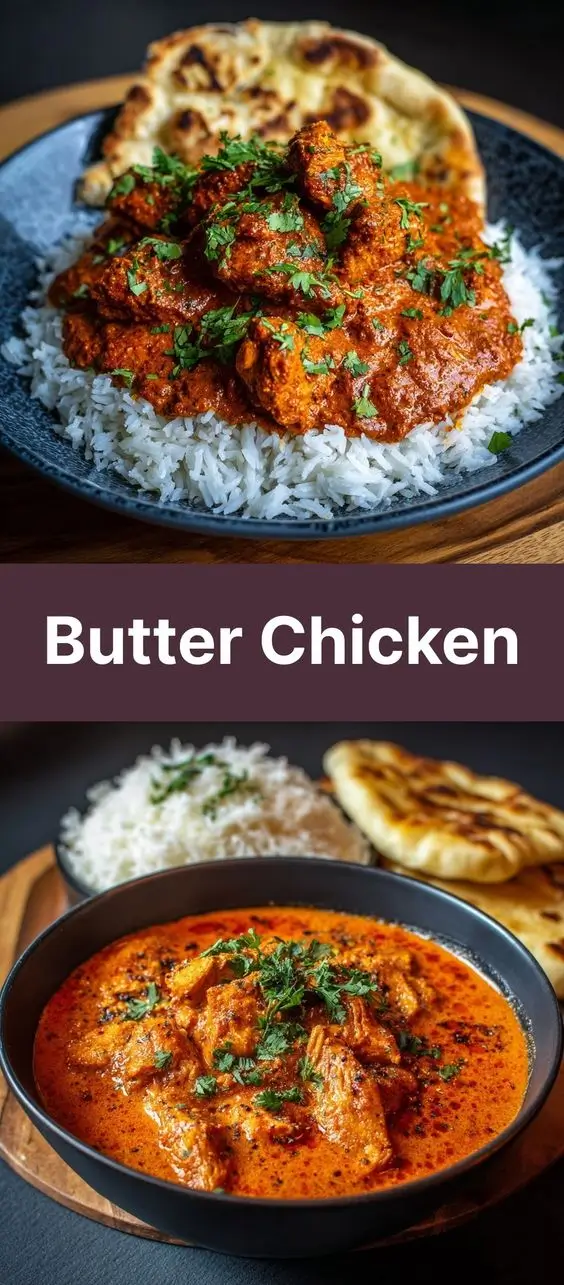
Butter Chicken: A Creamy, Flavorful Delight from the Heart of Indian Cuisine
The History of Butter Chicken
Butter chicken, known as Murgh Makhani in Hindi and Urdu, is one of the most iconic dishes to emerge from Indian culinary tradition. Its origins trace back to the 1950s in Delhi, India, at a now world-famous restaurant named Moti Mahal. The story goes that Kundan Lal Gujral, a Punjabi restaurateur who had migrated from Peshawar (now in Pakistan) during the partition of British India, was looking for a way to repurpose leftover tandoori chicken. Rather than let the marinated and grilled chicken go to waste, he decided to simmer it in a rich, spiced tomato-based gravy enriched with butter and cream. This innovative creation not only reduced food waste but also gave birth to a dish that would become a global phenomenon.
Initially served to local patrons, butter chicken quickly gained popularity due to its luxurious texture and balanced flavor profile—smoky, tangy, mildly spicy, and deeply aromatic. Over time, it transcended regional boundaries within India and eventually made its way onto international menus. Today, butter chicken is considered a staple of Indian restaurants worldwide, particularly in the UK, Canada, the United States, and Australia. It has even been adapted into various fusion cuisines, appearing in burritos, pizzas, pastas, and wraps.
The dish’s global appeal lies not just in its taste but also in its embodiment of Indian hospitality—warm, generous, and comforting. While purists may debate authenticity, the essence of butter chicken remains rooted in simplicity, ingenuity, and indulgence.
Ingredients Breakdown
Understanding the components of butter chicken helps appreciate how each ingredient contributes to its signature richness and depth. Here’s a detailed breakdown:
For the Marinade (Yogurt & Spices):
- Chicken: Boneless, skinless chicken thighs or breast cut into bite-sized pieces. Thighs are preferred for their juiciness and tenderness after cooking.
- Yogurt: Full-fat plain yogurt acts as a tenderizer and adds moisture while helping spices adhere to the chicken.
- Lemon Juice: Adds acidity which further tenderizes the meat and enhances flavor penetration.
- Ginger-Garlic Paste: Freshly ground paste provides pungency and warmth, forming the aromatic base of many Indian dishes.
- Kashmiri Red Chili Powder: Imparts a vibrant red color without excessive heat; can be substituted with paprika mixed with cayenne for similar effect.
- Garam Masala: A blend of warming spices like cinnamon, cardamom, cloves, and cumin that adds complexity.
- Coriander Powder: Earthy and citrusy, it rounds out the spice profile.
- Salt: For seasoning and enhancing overall flavor.
For the Gravy (Tomato-Based Sauce):
- Butter (or Ghee): Clarified butter (ghee) is traditional and lends a nutty aroma; regular butter works well too, especially unsalted for better control over salt content.
- Onion: Finely chopped or pureed yellow onion forms the sweet, caramelized foundation of the sauce.
- Tomatoes: Canned crushed tomatoes or fresh ripe tomatoes provide body and acidity. Passata can also be used for smoothness.
- Spices: Includes turmeric (for color), coriander powder, garam masala, cumin seeds, and sometimes fenugreek leaves (kasuri methi) which add a subtle bitterness and aroma unique to butter chicken.
- Cream: Heavy cream or fresh malai (clotted cream) gives the sauce its velvety texture and richness.
- Honey or Sugar: A touch balances the acidity of tomatoes.
- Fresh Cream or Yogurt (optional finishing touch): Swirled in at the end for extra silkiness.
- Fresh Cilantro (Coriander Leaves): Chopped and used as garnish for freshness and visual appeal.
Step-by-Step Recipe for Authentic Butter Chicken
Preparation Time:
Marinating time: 2–24 hours
Cooking time: 45 minutes
Serves: 4–6
Ingredients
- 500g boneless chicken (thighs preferred), cut into 1.5-inch cubes
- 1 cup full-fat plain yogurt
- 1 tbsp lemon juice
- 1 tbsp ginger-garlic paste
- 1 tsp Kashmiri red chili powder
- 1 tsp garam masala
- 1/2 tsp coriander powder
- 1/2 tsp salt
- 2 tbsp butter or ghee (divided)
- 1 large onion, finely chopped or blended
- 2 cups crushed tomatoes (canned or fresh)
- 1 tsp turmeric powder
- 1 tsp coriander powder
- 1/2 tsp cumin seeds
- 1 tsp garam masala (additional)
- 1/2 tsp kasuri methi (dried fenugreek leaves), crushed
- 1/2 cup heavy cream
- 1 tsp sugar or honey
- Salt to taste
- 2 tbsp fresh cilantro, chopped
- Optional: 1–2 green chilies, slit (for mild heat)
Directions
- Marinate the Chicken: In a large bowl, combine yogurt, lemon juice, ginger-garlic paste, Kashmiri chili powder, 1 tsp garam masala, coriander powder, and salt. Add the chicken pieces and mix thoroughly until fully coated. Cover and refrigerate for at least 2 hours, preferably overnight for maximum flavor absorption.
- Cook the Chicken: Heat 1 tbsp butter or ghee in a skillet or grill pan over medium-high heat. Remove chicken from marinade (shake off excess) and cook in batches until golden brown and slightly charred on the edges—about 3–4 minutes per side. Alternatively, you can broil or bake the chicken in an oven preheated to 220°C (425°F) for 15–18 minutes. Set aside cooked chicken.
- Prepare the Gravy Base: In the same pan (to retain flavor), melt another tablespoon of butter. Add cumin seeds and let them sizzle for 10 seconds. Add chopped onions and sauté on medium heat until golden brown—about 8–10 minutes. Stir frequently to prevent burning.
- Add Tomatoes and Spices: Stir in crushed tomatoes, turmeric, coriander powder, and additional garam masala. Cook uncovered for 15–20 minutes, stirring occasionally, until the oil begins to separate from the mixture. This indicates the sauce is well-cooked and concentrated.
- Puree the Sauce (Optional): For a smoother texture, carefully transfer the sauce to a blender and blend until silky smooth. Return to the pan.
- Incorporate Cream and Sweetener: Reduce heat to low. Stir in heavy cream and sugar/honey. Mix gently to avoid curdling. Simmer for 5 minutes.
- Add Kasuri Methi and Chicken: Crumble dried fenugreek leaves between your palms and stir into the sauce. Add the grilled chicken pieces along with any juices. Simmer gently for another 10–12 minutes, allowing the chicken to absorb the flavors of the gravy.
- Finish with Garnish: Turn off the heat. Drizzle with a little more cream if desired and sprinkle chopped cilantro on top.
- Serve Hot: Traditionally served with naan, roti, or steamed basmati rice. A side of pickled onions or cucumber raita complements the richness beautifully.
Tips for the Perfect Butter Chicken
- Use Chicken Thighs: They stay juicier during cooking compared to breasts, which can dry out easily.
- Don’t Skip Marination: At least 2 hours is essential, but overnight marination brings out deeper flavors.
- Char the Chicken Well: Slight charring mimics the smokiness of a tandoor oven, adding authenticity.
- Cook the Tomato Sauce Slowly: Letting it reduce properly ensures a thick, flavorful base rather than a watery sauce.
- Avoid Boiling After Adding Cream: High heat can cause cream to split. Always simmer gently after incorporating dairy.
- Bloom Spices Properly: Toasting cumin seeds and frying spices in fat unlocks their essential oils, enhancing aroma and taste.
- Balance Acidity: If the tomatoes are too tart, adjust sweetness gradually using honey or sugar.
- Fresh Fenugreek Leaves Are Key: Dried kasuri methi should be crushed and added toward the end to preserve its delicate fragrance.
- Rest Before Serving: Allowing the dish to sit for 10–15 minutes after cooking lets the flavors meld together.
- Double the Batch: Butter chicken tastes even better the next day as flavors continue to develop.
Variations and Customizations
While classic butter chicken remains beloved, numerous adaptations cater to different tastes, dietary needs, and creative interpretations:
Regional Twists
- Punjabi Style: Richer with more butter and cream, often served with laccha paratha.
- Restaurant-Style (Indian-Chinese Influence): Slightly sweeter with added soy sauce or ketchup for tang and sheen.
- Southern Indian Version: Uses coconut milk instead of cream for a lighter, subtly sweet twist.
Dietary Adaptations
- Dairy-Free Butter Chicken: Replace yogurt with coconut yogurt, butter with vegan margarine or oil, and cream with cashew cream or full-fat coconut milk.
- Low-Fat Version: Use Greek yogurt for marination, skip cream or substitute with evaporated skim milk, and use minimal oil.
- Keto-Friendly: Omit sugar, use heavy cream, and ensure spices are sugar-free. Serve with cauliflower rice.
- Gluten-Free: Naturally gluten-free as long as all spice blends and additives are certified GF.
Protein Variants
- Paneer Butter Masala: Substitute chicken with cubed paneer (Indian cottage cheese) for a vegetarian delight.
- Butter Tofu: Firm tofu marinated and cooked similarly—great for vegans.
- Shrimp Butter Curry: Quick-cooking shrimp replace chicken; reduce simmering time to avoid overcooking.
Culinary Fusions
- Butter Chicken Pizza: Use the sauce as a base, top with mozzarella, chicken, red onions, and cilantro.
- Butter Chicken Pasta: Toss cooked penne or fettuccine in the sauce, finish with Parmesan and herbs.
- Butter Chicken Wrap/Bowl: Serve in naan bread or over rice bowls with veggies and mango chutney.
- Instant Pot Butter Chicken: Combine marinated chicken and sauce in an electric pressure cooker for a faster, hands-off method.
Health Considerations and Nutritional Value
Butter chicken is undeniably rich and indulgent, so understanding its nutritional composition helps in making informed choices.
Nutritional Profile (Per Serving, Approximate – based on 1/6th of recipe):
- Calories: 450–550 kcal
- Protein: 28–32g
- Fat: 30–38g (saturated fat ~15–18g)
- Carbohydrates: 10–15g (including natural sugars from tomatoes and added sweeteners)
- Fiber: 2–3g
- Sodium: 600–800mg (can vary significantly depending on added salt)
Health Benefits
- High-Quality Protein: Chicken supports muscle maintenance and repair.
- Healthy Fats: Ghee and cream contain fat-soluble vitamins (A, D, E, K). When consumed in moderation, they support hormone production and nutrient absorption.
- Anti-Inflammatory Spices: Turmeric contains curcumin, known for anti-inflammatory and antioxidant properties. Ginger and garlic also offer immune-boosting benefits.
- Probiotics (from Yogurt): Aid digestion and gut health when raw yogurt is used in marination.
Health Concerns
- High Saturated Fat Content: Regular consumption may increase LDL cholesterol levels in sensitive individuals.
- Calorie Density: Due to cream and butter, this dish is energy-dense—portion control is advised for weight management.
- Sodium Levels: Store-bought spice mixes or canned tomatoes may contain added salt. Opt for low-sodium versions when possible.
- Lactose Sensitivity: Traditional recipe uses dairy products. Lactose-intolerant individuals should consider substitutions.
Ways to Make It Healthier
- Reduce butter by half and use olive oil or avocado oil.
- Replace heavy cream with evaporated milk or blended silken tofu.
- Use low-fat Greek yogurt in the marinade.
- Increase vegetable content by adding bell peppers, spinach, or mushrooms to the gravy.
- Serve with quinoa or brown rice instead of white rice or naan.
- Limit portion size and pair with a large salad or steamed greens.
Frequently Asked Questions (FAQ)
What is the difference between butter chicken and chicken tikka masala?
While both are creamy tomato-based curries, chicken tikka masala typically features more robust spicing, a tangier sauce (often with yogurt and vinegar notes), and is believed to have originated in the UK. Butter chicken is milder, richer in butter and cream, and has Indian roots. Also, butter chicken often includes kasuri methi, which gives it a distinct aroma.
Can I make butter chicken without a tandoor or grill?
Absolutely! While grilling adds smoky flavor, you can pan-sear or bake the chicken in an oven. For added smokiness, you can char the chicken briefly over an open flame or add a pinch of smoked paprika to the sauce.
How do I store and reheat butter chicken?
Store in an airtight container in the refrigerator for up to 4 days or freeze for up to 3 months. Reheat gently on the stove over low heat, adding a splash of water or cream to restore consistency. Avoid microwaving at high power to prevent curdling.
Why is my butter chicken sauce splitting?
This usually happens due to high heat after adding dairy. To fix it, remove from heat immediately and whisk in a spoonful of yogurt or cream. Blending the sauce can also help emulsify it again.
Can I use canned tomato sauce instead of crushed tomatoes?
Yes, but check for added sugar or preservatives. Passata or tomato puree works well. Avoid ketchup or overly seasoned sauces unless adjusting other seasonings accordingly.
Is butter chicken spicy?
Traditional butter chicken is mild to medium in heat. The primary spices are aromatic rather than hot. You can adjust spiciness by increasing chili powder or adding fresh green chilies.
Can I make it ahead of time?
Yes—and it’s recommended! The flavors deepen when allowed to rest. Prepare the sauce and marinate the chicken separately, then combine and finish cooking when ready to serve.
What sides go well with butter chicken?
Popular accompaniments include:
- Garlic naan or butter naan
- Basmati rice (plain or jeera rice)
- Cucumber raita
- Onion rings with lime
- Mango chutney
- Simple kachumber salad (tomato, cucumber, onion, cilantro)
Summary
Butter chicken is a luxurious, aromatic Indian curry made with marinated grilled chicken simmered in a creamy tomato sauce flavored with garam masala, fenugreek, and butter. Born in Delhi’s Moti Mahal, it has become a global favorite for its rich, comforting taste and versatility.