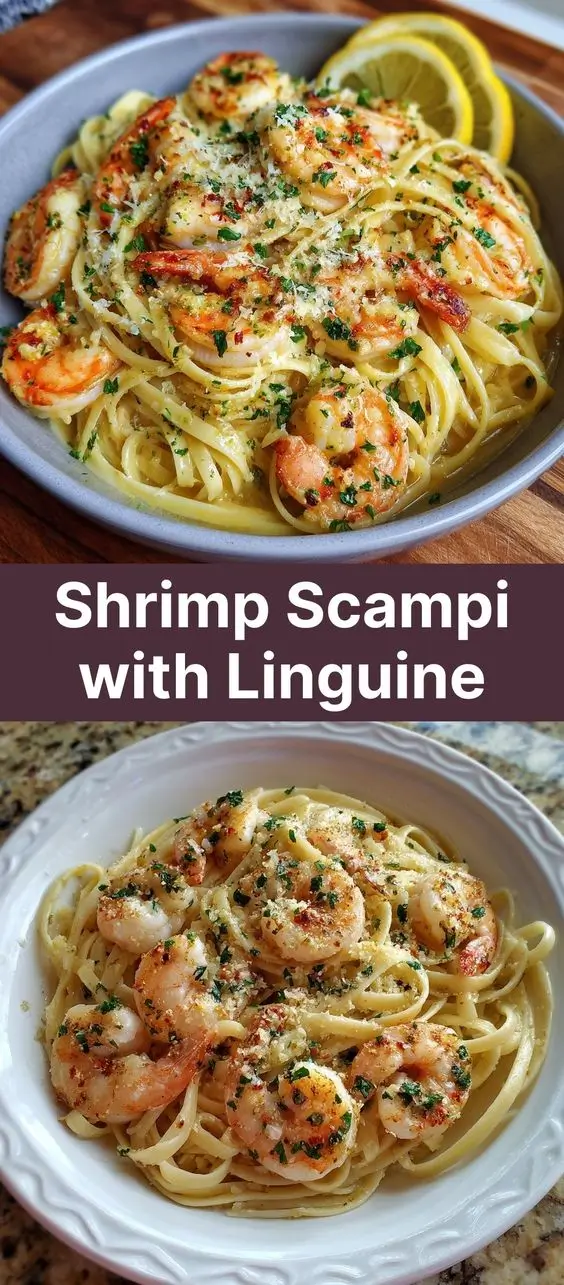
Shrimp Scampi with Linguine: A Classic Italian-American Delight
Shrimp Scampi with Linguine is a beloved staple in Italian-American cuisine, celebrated for its rich, buttery garlic sauce, succulent shrimp, and perfectly al dente pasta. This dish strikes the perfect balance between elegance and simplicity, making it ideal for both weeknight dinners and special occasions. With origins rooted in coastal Italy but perfected in American kitchens, Shrimp Scampi has become a culinary icon—offering bold flavors, minimal prep time, and maximum satisfaction.
The History of Shrimp Scampi with Linguine
The term “scampi” originally refers to a type of small lobster or langoustine popular in Italian coastal regions, particularly around Venice and Southern Italy. Traditional Italian scampi alla busara features shellfish cooked in a tomato, garlic, and wine sauce. However, when Italian immigrants arrived in America, true scampi were scarce, leading them to substitute shrimp—an abundant and similarly sweet seafood—into the recipe.
Thus, Shrimp Scampi was born as an American adaptation. Over time, the preparation evolved to highlight garlic, butter, white wine, lemon juice, and parsley—a luxurious yet simple sauce that clings beautifully to long pasta like linguine. By the mid-20th century, Shrimp Scampi had secured its place on menus across the United States, symbolizing the fusion of Old World techniques with New World ingredients.
Ingredients Breakdown
The magic of Shrimp Scampi lies in its high-quality, minimal ingredients, each contributing essential flavor and texture:
- Shrimp: Large (21–25 count) peeled and deveined shrimp are ideal. Fresh or thawed frozen shrimp work well. The natural sweetness of shrimp pairs perfectly with the tangy, garlicky sauce.
- Linguine: This flat, narrow pasta holds the sauce better than spaghetti and provides a satisfying chew. Whole wheat or gluten-free alternatives can be used if needed.
- Butter: Unsalted butter adds richness and helps emulsify the sauce. It’s often combined with olive oil to prevent burning during sautéing.
- Olive Oil: Extra virgin olive oil brings fruitiness and depth. Use a good-quality oil for best results.
- Garlic: Freshly minced garlic is non-negotiable. It’s the backbone of the dish’s aromatic profile.
- Dry White Wine: Sauvignon Blanc, Pinot Grigio, or a dry Vermentino deglaze the pan and add acidity and complexity. Avoid cooking wines; use something you’d drink.
- Lemon: Fresh lemon juice brightens the sauce, while lemon zest adds a fragrant citrus punch.
- Parsley: Flat-leaf parsley adds freshness and color. Always use fresh, never dried, for garnish and flavor.
- Red Pepper Flakes: Optional, but a pinch adds subtle heat that complements the richness.
- Salt and Black Pepper: Essential for seasoning at every stage.
Step-by-Step Recipe
- Prepare Ingredients: Peel and devein shrimp, pat dry with paper towels. Mince 4–5 cloves of garlic. Chop a quarter cup of fresh parsley. Zest and juice one lemon. Measure out ½ cup dry white wine.
- Cook the Linguine: Bring a large pot of salted water to a boil (use about 2 tablespoons salt per 4 quarts water). Add 12 ounces of linguine and cook according to package instructions until al dente—usually 8–10 minutes. Reserve 1 cup of pasta water before draining.
- Sauté the Garlic: While the pasta cooks, heat 2 tablespoons olive oil and 2 tablespoons unsalted butter in a large skillet over medium heat. Add minced garlic and red pepper flakes (½ tsp), stirring constantly for about 1 minute until fragrant but not browned.
- Cook the Shrimp: Increase heat to medium-high. Add shrimp in a single layer and season with salt and black pepper. Cook for 1–2 minutes per side until opaque and pink. Do not overcrowd—cook in batches if necessary. Remove shrimp and set aside.
- Build the Sauce: In the same skillet, pour in ½ cup white wine to deglaze, scraping up any browned bits. Simmer for 2–3 minutes until reduced by half. Stir in 2 more tablespoons of butter, lemon juice (2 tbsp), and lemon zest.
- Combine Pasta and Sauce: Add drained linguine to the skillet and toss to coat. If the sauce is too thick, add reserved pasta water ¼ cup at a time until creamy and cohesive.
- Finish the Dish: Return shrimp to the skillet along with chopped parsley. Toss gently and heat through for 1 minute. Taste and adjust seasoning with salt, pepper, or additional lemon juice.
- Serve Immediately: Plate the shrimp scampi with extra sauce spooned over the top. Garnish with additional parsley, lemon wedges, and a sprinkle of freshly grated Parmesan (optional).
Tips for the Perfect Shrimp Scampi
- Don’t Overcook the Shrimp: Shrimp cook quickly and become rubbery if left too long. Remove them from the pan as soon as they turn opaque.
- Use Fresh Ingredients: Pre-minced garlic or bottled lemon juice won’t deliver the same brightness. Freshness is key.
- Reserve Pasta Water: The starchy water is crucial for helping the sauce cling to the pasta. Never skip this step.
- Control the Heat: Garlic burns easily. Keep the heat moderate when sautéing to avoid bitterness.
- Butter Emulsion: Adding cold butter off-heat at the end creates a silky, restaurant-quality sauce.
- Season in Layers: Salt the pasta water generously, season the shrimp, and taste the final dish—layered seasoning ensures balanced flavor.
Variations and Customizations
While classic Shrimp Scampi is timeless, there are many ways to personalize the dish:
- Creamy Scampi: Stir in ¼ cup heavy cream or crème fraîche for a richer, velvety sauce.
- Tomato Scampi: Add halved cherry tomatoes or sun-dried tomatoes for sweetness and color.
- Herb Variations: Substitute basil, tarragon, or chives for part of the parsley to change the flavor profile.
- Protein Swap: Try scallops, chicken, or even firm white fish instead of shrimp.
- Low-Carb Option: Serve over zucchini noodles (zoodles), spaghetti squash, or shirataki noodles.
- Spicy Kick: Double the red pepper flakes or add a dash of hot sauce for extra heat.
- Garlic Butter Only: Skip the wine for a simpler version using only garlic, butter, lemon, and herbs—ideal for those avoiding alcohol.
- Add Greens: Stir in baby spinach, arugula, or sautéed kale at the end for added nutrition.
Health Considerations and Nutritional Value
Shrimp Scampi with Linguine can be part of a balanced diet when enjoyed in moderation. Here’s a nutritional overview (per serving, approximately 1/4 of the recipe):
- Calories: ~450–550 kcal
- Protein: ~30–35g (shrimp is an excellent lean protein source)
- Carbohydrates: ~50–60g (primarily from pasta)
- Fat: ~15–20g (mostly from butter and olive oil—includes heart-healthy monounsaturated fats)
- Sodium: Can be high (~800–1200mg) due to butter, salt, and Parmesan. Reduce by using less salt and low-sodium butter.
Health Benefits:
- Shrimp is rich in selenium, vitamin B12, iodine, and omega-3 fatty acids, supporting thyroid function and heart health.
- Lemon provides vitamin C and antioxidants.
- Olive oil contributes anti-inflammatory monounsaturated fats.
Considerations:
- Cholesterol: Shrimp are high in dietary cholesterol, though recent studies suggest they don’t significantly impact blood cholesterol for most people.
- Balancing the Meal: Serve with a side salad or steamed vegetables to increase fiber and nutrients.
- Portion Control: Stick to a 3–4 oz shrimp and 3–4 oz pasta serving to keep calories in check.
- Allergies: Contains shellfish, dairy (butter), and wheat (linguine)—modify accordingly for allergies.
Ingredients
- 1 lb (450g) large shrimp (21–25 count), peeled and deveined
- 12 oz (340g) linguine
- 4 tbsp unsalted butter, divided
- 3 tbsp extra virgin olive oil
- 5 cloves garlic, finely minced
- ½ tsp red pepper flakes (optional)
- ½ cup dry white wine (e.g., Sauvignon Blanc or Pinot Grigio)
- 2 tbsp fresh lemon juice (about 1 lemon)
- 1 tsp lemon zest
- ¼ cup fresh flat-leaf parsley, finely chopped
- Salt and freshly ground black pepper, to taste
- 1 tbsp reserved pasta water (plus more as needed)
- Lemon wedges and grated Parmesan, for serving (optional)
Directions
- Bring a large pot of salted water to a boil. Add linguine and cook until al dente. Reserve 1 cup of pasta water, then drain.
- In a large skillet, heat 2 tbsp olive oil and 2 tbsp butter over medium heat. Add garlic and red pepper flakes; sauté 1 minute until fragrant.
- Add shrimp in a single layer. Season with salt and pepper. Cook 1–2 minutes per side until pink and opaque. Transfer to a plate.
- Pour white wine into the skillet, scraping up browned bits. Simmer 2–3 minutes until reduced by half.
- Stir in remaining 2 tbsp butter, lemon juice, and lemon zest until butter melts and sauce emulsifies.
- Add cooked linguine to the skillet. Toss to coat, adding reserved pasta water as needed for desired consistency.
- Return shrimp to the skillet with parsley. Toss gently and heat through for 1 minute.
- Season to taste. Serve immediately with lemon wedges and optional Parmesan.
FAQ
Can I make Shrimp Scampi ahead of time?
It’s best served fresh, but you can prep ingredients in advance. Cook the pasta and shrimp separately, then reheat and combine with sauce just before serving.
Can I use frozen shrimp?
Yes. Thaw frozen shrimp in the refrigerator overnight or under cold running water. Pat dry thoroughly before cooking.
Is Shrimp Scampi gluten-free?
Not traditionally, due to linguine. Use gluten-free pasta to make it safe for gluten sensitivities.
Can I omit the wine?
Yes. Substitute with chicken or vegetable broth plus 1 tsp white wine vinegar or extra lemon juice for acidity.
Why is my sauce greasy?
This happens if the sauce doesn’t emulsify. Ensure you’re adding starchy pasta water gradually and tossing vigorously. Remove from heat before adding cold butter.
How do I store leftovers?
Store in an airtight container in the refrigerator for up to 2 days. Reheat gently in a skillet with a splash of water or broth.
Can I freeze Shrimp Scampi?
Freezing is not recommended—shrimp become tough and the sauce separates upon thawing.
Summary
Shrimp Scampi with Linguine is a vibrant, restaurant-worthy dish that combines plump shrimp, garlic-infused butter sauce, and al dente pasta in under 30 minutes.
Elegant yet easy, it’s a testament to how simple ingredients—when treated with care—can create unforgettable meals.