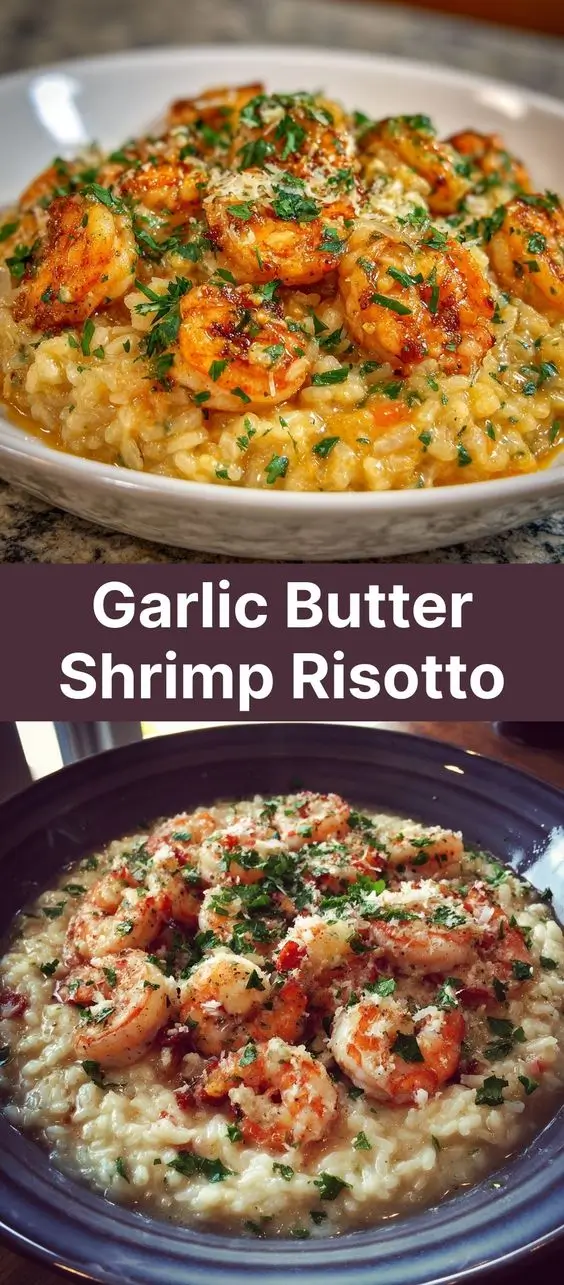
Garlic Butter Shrimp Risotto: A Luxurious Fusion of Creamy Rice and Succulent Seafood
Risotto, the quintessential Italian comfort dish, is known for its creamy texture and rich flavor profile. When combined with plump, buttery shrimp and aromatic garlic, it transforms into an elegant yet approachable meal perfect for weeknight dinners or special occasions. Garlic Butter Shrimp Risotto strikes a delicate balance between simplicity and sophistication, bringing together tender Arborio rice, fresh seafood, and a medley of savory ingredients that meld beautifully on the palate.
The History: From Italian Countryside to Global Gourmet Tables
Risotto traces its roots back to northern Italy, particularly the Lombardy region, where creamy rice dishes have been enjoyed since the 14th century. Originally made with locally grown short-grain rice like Arborio, Carnaroli, or Vialone Nano, risotto was designed to showcase the natural starchiness of the grain, creating a velvety consistency without the addition of cream—though many modern versions include it.
The use of seafood in risotto emerged along Italy’s coastal regions, especially in Veneto and Liguria, where fishermen incorporated fresh catches into their daily meals. While traditionalists might argue that shrimp isn’t authentically Italian in classic risottos, contemporary interpretations embrace global influences, making dishes like Garlic Butter Shrimp Risotto popular worldwide. The infusion of garlic and butter—a hallmark of French and American cooking styles—further enhances this fusion, bridging culinary traditions across borders.
Ingredients Breakdown: What Makes This Dish Shine?
The magic of Garlic Butter Shrimp Risotto lies not just in technique but also in the quality and harmony of its components. Each ingredient plays a pivotal role:
- Arborio Rice: This short-grain Italian rice is high in amylopectin, a type of starch that gives risotto its signature creaminess as it releases during slow cooking.
- Fresh Shrimp: Opt for large or jumbo shrimp (peeled and deveined) for maximum flavor and texture. Freshness is key—look for firm, translucent flesh with a mild ocean scent.
- Butter: Unsalted butter adds richness and helps sauté aromatics gently without burning. It also contributes to the luxurious mouthfeel.
- Garlic: The star flavor enhancer. Freshly minced garlic provides a pungent yet sweet depth when cooked slowly in butter.
- Shallots or Onion: Finely diced shallots add subtle sweetness and complexity, forming the aromatic base of the dish.
- Dry White Wine: A crisp, acidic wine like Pinot Grigio or Sauvignon Blanc deglazes the pan and imparts brightness, cutting through the richness.
- Chicken or Vegetable Broth: Warm broth is added gradually, allowing the rice to absorb liquid while releasing starch. Homemade broth yields superior flavor.
- Parmesan Cheese: Freshly grated Parmigiano-Reggiano adds umami, saltiness, and extra creaminess when stirred in at the end.
- Fresh Herbs: Parsley or chives are commonly used for garnish, adding color and a fresh counterpoint.
- Lemon Zest and Juice (optional): Brightens the dish and complements the shrimp perfectly.
- Olive Oil: Used alongside butter for sautéing, providing a fruity note and preventing the butter from browning too quickly.
Step-by-Step Recipe: Mastering the Art of Perfect Risotto
Cooking risotto requires patience and attention, but the process is deeply rewarding. Follow these detailed steps to create a flawless Garlic Butter Shrimp Risotto:
- Prepare Ingredients: Mise en place is essential. Measure out all ingredients beforehand. Heat 4–5 cups of broth in a saucepan and keep it warm over low heat. Peel and devein shrimp, pat dry, and season lightly with salt and pepper. Mince garlic, dice shallot, grate Parmesan, and chop parsley.
- Sear the Shrimp (Optional Pre-Cook): In a large skillet or Dutch oven, melt 1 tablespoon of butter with 1 tablespoon olive oil over medium-high heat. Add shrimp in a single layer and cook for 1–2 minutes per side until pink and just opaque. Remove and set aside. (Alternatively, you can add raw shrimp later in the cooking process.)
- Sauté Aromatics: In the same pot, reduce heat to medium. Add another tablespoon of butter and olive oil. Stir in diced shallot and cook for 2–3 minutes until softened and translucent. Add minced garlic and cook for 30 seconds to 1 minute—do not let it brown.
- Toast the Rice: Add 1½ cups of Arborio rice. Stir constantly for 2–3 minutes until each grain is coated in fat and becomes slightly translucent around the edges. This step enhances nutty flavor and prevents mushiness.
- Deglaze with Wine: Pour in ½ cup of dry white wine. Stir continuously as the liquid bubbles and evaporates, scraping up any flavorful bits from the bottom of the pan. Allow the alcohol to cook off completely—about 2–3 minutes.
- Add Broth Gradually: Begin adding warm broth one ladleful (about ½ cup) at a time. Stir frequently and allow each addition to be mostly absorbed before adding the next. This process should take 18–22 minutes. The rice should remain al dente—tender with a slight bite—and the mixture will thicken progressively.
- Incorporate Shrimp: About 5 minutes before the rice is done, return the seared shrimp to the pot (or add raw shrimp now if preferred). Stir gently so they warm through or cook in the steamy environment. If using raw shrimp, ensure they turn pink and opaque.
- Finish the Risotto: Once the rice is creamy and fully cooked, remove from heat. Stir in 2–3 tablespoons of cold butter (this enriches the texture—called “mantecatura” in Italian), ½ cup of grated Parmesan, and a squeeze of fresh lemon juice. Taste and adjust seasoning with salt and freshly ground black pepper.
- Rest and Serve: Let the risotto rest for 1–2 minutes. The residual heat will further meld flavors. Garnish with chopped parsley, extra Parmesan, and a twist of lemon zest.
Tips for Success: Elevate Your Risotto Game
- Use Warm Broth: Cold broth slows down cooking and disrupts the even absorption process. Keep it simmering on a nearby burner.
- Stir, But Not Too Much: Regular stirring encourages starch release, but constant agitation isn’t necessary. Stir every 30–60 seconds, ensuring even heat distribution.
- Don’t Rush the Toast: Properly toasting the rice builds flavor foundation. Take your time here.
- Resist Adding All Broth at Once: Unlike boiling rice, risotto relies on gradual hydration. Pouring in all the liquid defeats the purpose.
- Test Frequently: Start tasting the rice after 15 minutes. Perfect risotto is creamy, not soupy nor stiff, with grains that offer gentle resistance.
- Finish Off Heat: Adding butter and cheese off the burner prevents separation and ensures silkiness.
- Serve Immediately: Risotto waits for no one. It continues to absorb liquid and thickens rapidly once removed from heat.
- Choose Quality Wine: Only cook with wine you’d drink. Avoid “cooking wine” due to its high sodium and artificial flavors.
Variations and Customizations: Make It Your Own
One of the greatest strengths of risotto is its adaptability. Here are creative ways to customize Garlic Butter Shrimp Risotto:
- Vegetarian Version: Omit shrimp and boost flavor with sautéed mushrooms, asparagus, peas, or roasted cherry tomatoes. Use vegetable broth throughout.
- Spicy Kick: Add red pepper flakes during the garlic step or finish with a drizzle of chili oil.
- Creamier Texture: Stir in 2–3 tablespoons of heavy cream or mascarpone at the end for indulgent richness.
- Seafood Medley: Combine shrimp with scallops, mussels, or clams for a surf-and-turf risotto effect.
- Lemon-Herb Twist: Infuse the dish with dill, tarragon, or basil along with lemon zest for a brighter profile.
- Gluten-Free Option: Naturally gluten-free as long as broth and wine are certified GF. Always double-check labels.
- Dairy-Free Adaptation: Replace butter with vegan butter or olive oil, and omit Parmesan or use nutritional yeast for cheesy flavor.
- Wine-Free Version: Substitute wine with additional broth plus 1 teaspoon of lemon juice or white vinegar for acidity.
- Herbed Oil Drizzle: Finish with garlic-infused olive oil and microgreens for restaurant-style presentation.
Health Considerations and Nutritional Value
While undeniably rich, Garlic Butter Shrimp Risotto can be part of a balanced diet when prepared mindfully:
- Shrimp: Low in calories and high in protein, shrimp offers selenium, vitamin B12, phosphorus, and iodine. However, it contains dietary cholesterol—moderation is advised for those sensitive to cholesterol intake.
- Arborio Rice: Provides carbohydrates for energy but is low in fiber compared to whole grains. For a healthier twist, consider mixing in brown rice or farro (though cooking times vary).
- Butter and Cheese: High in saturated fats. To reduce fat content, use less butter, opt for light cream alternatives, or increase vegetable content to stretch servings.
- Sodium Levels: Store-bought broths can be high in sodium. Choose low-sodium versions or make homemade broth to control salt levels. Season at the end to avoid over-salting.
- Balancing the Meal: Pair risotto with a crisp green salad or steamed vegetables to add fiber, vitamins, and balance the plate.
On average, a serving (about 1.5 cups) of traditional Garlic Butter Shrimp Risotto contains approximately:
- Calories: 450–550
- Protein: 20–25g
- Carbohydrates: 50–60g
- Fat: 18–25g (depending on butter and cheese amounts)
- Fiber: 2–3g
- Sodium: 700–1000mg (adjustable)
Ingredients
- 1½ cups (300g) Arborio rice
- 1 lb (450g) large shrimp, peeled and deveined
- 4 cups (950ml) chicken or vegetable broth
- ½ cup (120ml) dry white wine (e.g., Pinot Grigio)
- 3 tbsp unsalted butter (divided)
- 2 tbsp olive oil (divided)
- 1 medium shallot or small onion, finely diced
- 3 cloves garlic, minced
- ½ cup (50g) freshly grated Parmesan cheese
- ¼ cup fresh parsley, chopped
- 1 tbsp lemon juice (plus zest for garnish)
- Salt and freshly ground black pepper, to taste
- (Optional) pinch of red pepper flakes
Directions
- Warm the broth in a saucepan over low heat; keep it simmering gently.
- In a large, heavy-bottomed skillet or Dutch oven, heat 1 tablespoon butter and 1 tablespoon olive oil over medium-high heat.
- Add shrimp in a single layer, season lightly with salt and pepper, and cook for 1–2 minutes per side until pink and just cooked through. Transfer to a plate and set aside.
- Reduce heat to medium. Add remaining 1 tablespoon olive oil and 1 tablespoon butter to the same pan.
- Saute diced shallot for 2–3 minutes until soft and translucent. Add minced garlic and cook for 30 seconds–1 minute until fragrant.
- Stir in Arborio rice and toast for 2–3 minutes, coating each grain until slightly translucent at the edges.
- Pour in white wine and stir continuously until fully absorbed, about 2–3 minutes.
- Begin adding warm broth one ladle at a time (about ½ cup each), stirring frequently and allowing most of the liquid to absorb before adding more. Continue for 18–22 minutes.
- About 5 minutes before rice is done, return shrimp to the pan to reheat (or add raw shrimp now if skipping pre-cook).
- When rice is creamy and al dente, remove from heat. Stir in remaining 1 tablespoon butter, Parmesan cheese, lemon juice, and half the parsley.
- Taste and season with salt and pepper as needed.
- Let rest for 1–2 minutes. Serve immediately in shallow bowls, garnished with extra parsley, Parmesan, and lemon zest.
FAQ
Can I make risotto ahead of time?
While best served fresh, you can prepare risotto partially in advance. Cook it to just underdone, spread on a tray to cool, then refrigerate. Reheat gently with extra broth or water, stirring constantly, and finish with butter and cheese.
Why is my risotto gummy or mushy?
Over-stirring or adding too much liquid too quickly can break down the rice. Ensure gradual broth addition and test frequently for doneness.
Can I freeze Garlic Butter Shrimp Risotto?
Freezing affects texture—rice tends to become overly soft upon thawing. It’s not recommended, though leftovers can be refrigerated for up to 2 days and reheated carefully.
Is there a shortcut method?
Yes, some use pressure cookers or instant pots to speed up cooking (approx. 7 minutes under pressure), but traditional stovetop methods yield better control and creaminess.
Can I use frozen shrimp?
Absolutely. Thaw frozen shrimp in cold water before use. Pat dry thoroughly to prevent excess moisture in the pan.
What wine should I use?
A dry, crisp white wine works best—avoid sweet wines like Riesling or dessert varieties. Sauvignon Blanc, Pinot Grigio, or unoaked Chardonnay are ideal.
Can I make this dairy-free?
Yes! Replace butter with vegan butter or olive oil, skip Parmesan, or use a plant-based alternative. Nutritional yeast adds a cheesy note.
How do I know when risotto is done?
The rice should be creamy, tender, and slightly firm to the bite (al dente). It should flow slowly when spooned, not run like soup nor sit stiffly.
Summary
Garlic Butter Shrimp Risotto blends the velvety elegance of Italian risotto with the bold, savory notes of garlicky shrimp and rich butter, creating a restaurant-worthy dish that’s surprisingly achievable at home.
With careful layering of flavors, gradual cooking, and quality ingredients, this comforting yet refined meal delivers a luxurious dining experience in every creamy, briny, citrus-kissed bite.