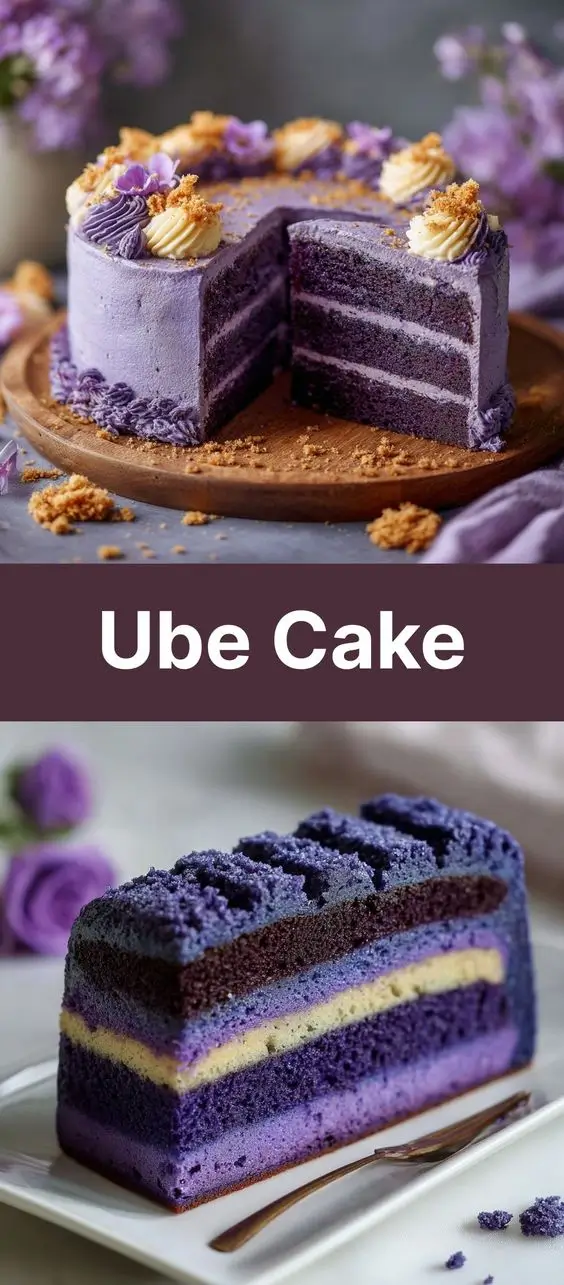
Ube Cake: A Vibrant, Delicious Filipino Delight
The History of Ube Cake
The ube cake, a beloved dessert in the Philippines, has its roots deeply embedded in Filipino culinary tradition. Ube, or purple yam (Dioscorea alata), has been cultivated in the Philippines for centuries and is celebrated for its naturally sweet flavor and vivid purple hue. While ube was originally used in traditional desserts such as halo-halo, ube halaya (jam), and bibingka, it wasn’t until the late 20th century that bakers began experimenting with incorporating ube into cakes.
The modern ube cake emerged as part of a broader movement to elevate native ingredients into contemporary desserts, particularly during the rise of Filipino bakery chains like Goldilocks and Red Ribbon in the 1970s and 1980s. These bakeries popularized the ube crinkles, ube rolls, and eventually, the moist, tender ube chiffon or butter cake layered with rich cream cheese or ube-flavored buttercream. Today, the ube cake symbolizes both cultural pride and innovation, frequently served during birthdays, fiestas, and holidays. Its striking color and unique flavor have also captured international attention, making it a staple in Filipino restaurants and dessert cafes worldwide.
Ingredients Breakdown
To create an authentic and delicious ube cake, understanding each ingredient’s role is crucial. Here’s a comprehensive breakdown:
- Ube Extract or Ube Flavoring – This concentrated essence provides the signature purple color and earthy-sweet taste of ube. It comes in liquid or paste form and is widely available in Asian grocery stores or online. For a more natural alternative, some bakers use mashed cooked ube, though this may affect texture.
- All-Purpose Flour – The structural foundation of the cake, providing gluten for structure while maintaining tenderness when properly sifted and measured.
- Granulated Sugar – Adds sweetness and aids in moisture retention and browning during baking.
- Baking Powder & Baking Soda – Leavening agents that help the cake rise, creating a light and fluffy crumb. Baking soda also reacts with acidic components (like buttermilk or vinegar) to enhance lift.
- Salt – Balances sweetness and enhances overall flavor complexity.
- Eggs – Provide structure, richness, and emulsification. Room-temperature eggs blend more smoothly into the batter.
- Butter or Oil – Butter adds flavor and a slightly denser crumb, while oil yields a moister, more tender texture. Many recipes use a combination of both.
- Milk or Buttermilk – Adds moisture and contributes to a soft texture. Buttermilk introduces slight acidity, which activates leaveners and tenderizes gluten.
- Vanilla Extract – Complements the ube flavor without overpowering it.
- Cream Cheese or Buttercream Frosting – Often flavored with ube extract or real mashed ube, this creamy topping contrasts beautifully with the cake’s mild sweetness.
Optional additions include toasted coconut flakes, chopped macapuno (canned coconut sport), or crushed pinipig (toasted rice puffs) for garnish, enhancing both visual appeal and texture.
Step-by-Step Recipe
Ingredients
- 2 ½ cups (300g) all-purpose flour
- 2 ½ tsp baking powder
- ½ tsp baking soda
- ½ tsp salt
- 1 cup (240ml) whole milk or buttermilk
- ½ cup (120ml) vegetable oil
- ½ cup (115g) unsalted butter, softened
- 1 ¾ cups (350g) granulated sugar
- 4 large eggs, room temperature
- 1 tbsp vanilla extract
- 2–3 tsp ube flavoring (adjust to taste)
- Red or violet food coloring (optional, for deeper color)
Frosting (Ube Cream Cheese Frosting)
- 8 oz (225g) cream cheese, softened
- ½ cup (115g) unsalted butter, softened
- 3–4 cups (360–480g) powdered sugar
- 1–2 tsp ube flavoring
- 1–2 tsp milk or heavy cream (for consistency)
- Purple food coloring (optional)
Directions
- Preheat Oven & Prepare Pans: Preheat oven to 350°F (175°C). Grease and flour two 9-inch round cake pans or line with parchment paper.
- Sift Dry Ingredients: In a large bowl, sift together flour, baking powder, baking soda, and salt. Set aside.
- Cream Butter & Sugar: In a stand mixer with a paddle attachment, beat softened butter and granulated sugar on medium-high speed for 3–5 minutes until light and fluffy.
- Add Eggs & Vanilla: Add eggs one at a time, beating well after each addition. Mix in vanilla extract.
- Combine Wet Ingredients: In a separate container, whisk together milk, oil, and ube flavoring.
- Alternate Mixing: Gradually add dry ingredients to the butter mixture in three parts, alternating with the wet ingredients mixture, starting and ending with dry ingredients. Mix just until combined—do not overmix.
- Color Adjustment: If desired, add a few drops of purple or violet food coloring to intensify the hue. Stir gently to incorporate.
- Pour Batter: Divide batter evenly between prepared pans. Smooth tops with a spatula.
- Bake: Bake for 28–35 minutes, or until a toothpick inserted in the center comes out clean. Rotate pans halfway through for even baking.
- Cool: Let cakes cool in pans for 10 minutes, then turn out onto wire racks to cool completely before frosting.
- Prepare Frosting: Beat cream cheese and butter until smooth. Gradually add powdered sugar, ube flavoring, and a splash of milk. Whip until fluffy. Add food coloring if needed.
- Frost Cake: Once cakes are completely cooled, place one layer on a serving plate, spread with frosting, top with second layer, and frost top and sides. Decorate with sprinkled coconut, macapuno, or edible flowers if desired.
Tips for the Perfect Ube Cake
- Use Real Ube When Possible: While ube extract is convenient, combining it with mashed boiled ube (about 1 cup) adds depth of flavor and authenticity. Strain or blend thoroughly to avoid lumps.
- Don’t Overmix: Overmixing develops gluten, leading to a dense or tough cake. Mix until ingredients are just incorporated.
- Room Temperature Ingredients: Cold eggs or butter can cause the batter to curdle. Allow all refrigerated ingredients to sit out for 30–60 minutes before baking.
- Color Matters: Natural ube extract may result in a muted lavender tone. For a vibrant purple, use gel-based food coloring, which doesn’t affect texture.
- Cool Completely: Never frost a warm cake—it will melt the frosting and cause sliding or tearing.
- Storage: Store frosted cake covered in the refrigerator for up to 5 days. Bring to room temperature before serving for best texture.
- Freezing: Unfrosted cake layers can be wrapped tightly and frozen for up to 3 months. Thaw overnight in the fridge before frosting.
Variations and Customizations
The versatility of ube cake allows for endless creativity. Here are some popular twists:
- Ube Chiffon Cake: Lighter and airier, using separated eggs—whites are whipped to stiff peaks and folded in for extra fluffiness.
- Ube Pandan Cake: Combine ube with pandan (screwpine) extract for a green-and-purple marbled effect and a fragrant, tropical flavor profile.
- Ube Mocha Roll: A rolled sponge cake filled with ube buttercream, sometimes swirled with chocolate or espresso.
- Gluten-Free Ube Cake: Substitute all-purpose flour with a gluten-free flour blend containing xanthan gum for structure.
- Vegan Ube Cake: Replace eggs with flax eggs (1 tbsp ground flax + 3 tbsp water per egg), use plant-based butter and milk, and ensure powdered sugar is bone-char free.
- Mini Ube Cakes: Bake in muffin tins for cupcakes, perfect for parties or individual servings.
- Naked Cake Style: Apply minimal frosting between layers with exposed edges for a rustic, elegant look.
- Ube Cake Pops: Crumble leftover cake, mix with frosting, roll into balls, dip in colored candy coating, and decorate.
Health Considerations and Nutritional Value
While undeniably delicious, it’s important to consider the nutritional aspects of ube cake, especially when consumed regularly or by individuals with dietary restrictions.
Nutritional Profile (Per Slice, Approximate)
| Nutrient | Amount (per slice) |
|---|---|
| Calories | 320–380 |
| Total Fat | 18–22g |
| Saturated Fat | 8–10g |
| Cholesterol | 70–90mg |
| Sodium | 250–350mg |
| Total Carbohydrates | 40–48g |
| Sugars | 30–36g |
| Protein | 4–6g |
Health Notes
- High in Sugar & Fat: Traditional ube cake is rich in refined sugar and saturated fat from butter and cream cheese. Moderation is key, especially for those managing diabetes or heart conditions.
- Ube Benefits: Purple yam itself is high in antioxidants, particularly anthocyanins (which give it the purple color), fiber, potassium, and vitamin C. However, processed ube extract or flavoring contains minimal actual yam, so these benefits are limited in standard recipes.
- Portion Control: Cutting smaller slices and pairing with fresh fruit can balance indulgence.
- Diet-Friendly Swaps: Use low-fat cream cheese, reduce sugar by 25%, substitute applesauce for some oil, or use natural sweeteners like monk fruit or erythritol for lower-calorie versions.
- Allergens: Contains dairy, eggs, and gluten. Always check labels on ube extract for potential allergens or artificial additives.
FAQ
What does ube taste like?
Ube has a mildly sweet, nutty, and earthy flavor, often compared to a blend of white chocolate, pistachio, and sweet potato—but uniquely its own. It’s less starchy than regular yams and carries a subtle floral note.
Can I make ube cake without artificial coloring?
Yes, but the color will be more muted—typically a light lavender or dusty purple—since most commercial ube extracts rely on added dyes for vibrancy. Using real mashed ube enhances the natural hue but may require straining and won’t achieve the bright purple seen in bakeries.
Why is my ube cake dry?
Dryness can result from overbaking, too much flour (if scooped directly from the bag), or overmixing. Always spoon and level flour, set a timer, and stop mixing once ingredients are combined.
Can I use frozen ube?
Yes! Frozen peeled and cubed ube is available in Asian markets. Thaw and boil until tender, then mash or blend into a smooth puree before use. Drain excess liquid to prevent soggy batter.
How do I store ube cake?
Store at room temperature for up to 1 day if unfrosted. Frosted cakes should be refrigerated in an airtight container for up to 5 days. For longer storage, freeze unfrosted layers for up to 3 months.
Is ube the same as taro?
No. Although both are tubers and sometimes confused due to similar appearances, ube (Dioscorea alata) is a type of yam with a sweeter taste and darker purple flesh. Taro (Colocasia esculenta) has lighter, beige-to-lavender flesh and a more neutral, slightly bitter taste. They are not interchangeable in recipes.
Can I make a vegan ube frosting?
Absolutely. Use vegan cream cheese and butter substitutes, powdered sugar verified as vegan, and plant-based milk. Add ube extract and color as usual. Some bakers also use soaked cashews blended with coconut cream for a raw, dairy-free alternative.
Summary
The ube cake is a vibrant celebration of Filipino heritage, blending the naturally sweet, nutty flavor of purple yam with a soft, moist crumb and luxurious frosting. Its eye-catching color and comforting taste have made it a modern classic both in the Philippines and around the world.
Whether enjoyed in its traditional form or reimagined with creative variations, the ube cake continues to delight dessert lovers of all ages—one colorful slice at a time.