Introduction
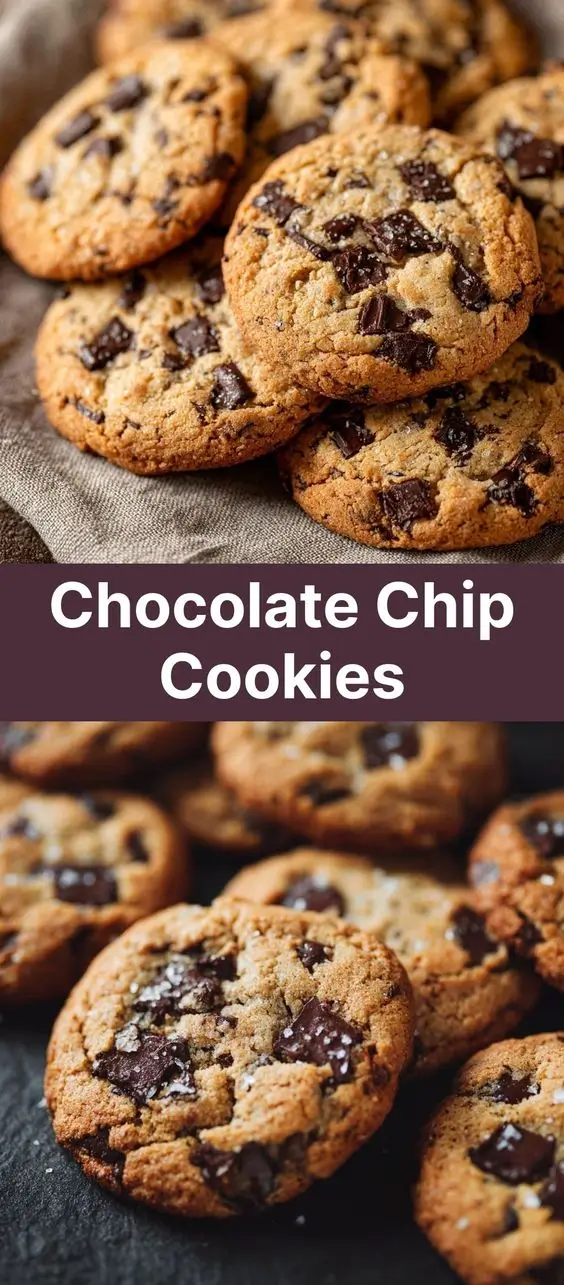
There’s something undeniably magical about the warm, buttery aroma of chocolate chip cookies fresh from the oven. Crisp on the edges, soft in the center, and studded with melty pockets of chocolate, this classic American treat has captured hearts across generations and continents. Whether enjoyed with a glass of cold milk, packed into lunchboxes, or shared during holiday gatherings, chocolate chip cookies are more than just a dessert—they’re a symbol of comfort, nostalgia, and homemade love. In this comprehensive guide, we’ll dive deep into every aspect of making the perfect chocolate chip cookie, from its fascinating history to detailed ingredient analysis, foolproof step-by-step instructions, creative variations, health considerations, and everything in between. By the end, you’ll be equipped with all the knowledge and confidence needed to bake cookies that are not only delicious but also tailored precisely to your taste.
The History
The story of the chocolate chip cookie begins in the 1930s at the Toll House Inn in Whitman, Massachusetts, run by Ruth Wakefield and her husband Kenneth. A trained dietitian and aspiring chef, Ruth was known for her delicious desserts, particularly her butter drop dough cookies. One fateful day in 1938, while preparing a batch of these cookies, she found herself without baker’s chocolate. Resourceful and inventive, she chopped up a Nestlé semi-sweet chocolate bar, expecting it to melt evenly into the dough. To her surprise, the chocolate held its shape, creating delightful morsels throughout the cookie. Guests immediately fell in love with the new creation, requesting it repeatedly. Recognizing its potential, Ruth struck a deal with Nestlé: they would print her recipe on their chocolate bar packaging in exchange for using her name. Thus, the “Toll House Chocolate Crunch Cookie” was born—now universally known as the chocolate chip cookie. Over time, the recipe evolved, with improvements in ingredients and techniques, but Ruth’s original innovation remains the foundation of one of the most beloved baked goods in history. Today, chocolate chip cookies are a staple in American cuisine and have inspired countless variations worldwide.
Ingredients Breakdown
Understanding each ingredient in a chocolate chip cookie recipe is essential for achieving the perfect texture, flavor, and appearance. Let’s explore them in detail:
- All-Purpose Flour: This provides the structure of the cookie. It contains gluten-forming proteins that give the dough elasticity and help hold its shape during baking. For best results, spoon and level the flour to avoid overpacking, which can lead to dry, dense cookies.
- Unsalted Butter: Using unsalted butter allows you to control the salt content precisely. When creamed with sugar, butter traps air, contributing to the cookie’s rise and tenderness. Room-temperature butter (around 65°F) creams best, creating a light, fluffy mixture.
- Granulated Sugar: Adds sweetness and helps create a crisp outer edge. It also aids in browning through caramelization, enhancing both color and flavor.
- Brown Sugar (light or dark): Contains molasses, which adds moisture, chewiness, and a rich, caramel-like depth. Dark brown sugar intensifies this flavor and yields a moister cookie.
- Eggs: Act as a binder and add moisture. The proteins in eggs coagulate during baking, helping set the cookie’s structure. Room-temperature eggs blend more smoothly into the batter.
- Vanilla Extract: Enhances overall flavor complexity. Pure vanilla extract offers a richer, more authentic taste compared to artificial versions.
- Baking Soda: A leavening agent that reacts with acidic components (like brown sugar and butter) to produce carbon dioxide, causing the dough to rise slightly during baking.
- Salt: Balances sweetness and amplifies other flavors. Even in small amounts, it makes a noticeable difference in taste perception.
- Chocolate Chips or Chunks: Semi-sweet is traditional, but milk, dark, white, or even ruby chocolate can be used. High-quality chocolate with a high cocoa content melts beautifully and delivers superior flavor. Some bakers prefer chopping chocolate bars rather than using pre-made chips for better texture distribution.
- Optional Add-ins: Nuts (like walnuts or pecans), oats, toffee bits, M&M’s, or even sea salt flakes on top can elevate the sensory experience.
Each component plays a crucial role—altering any single ingredient can significantly change the final product, so precision matters.
Step-by-Step Recipe
- Prepare Your Ingredients: Measure all ingredients accurately. Bring butter and eggs to room temperature (about 1 hour at room temp). Preheat oven to 375°F (190°C). Line baking sheets with parchment paper or silicone mats.
- Cream Butter and Sugars: In a large mixing bowl, beat softened unsalted butter with granulated sugar and brown sugar until light and fluffy (about 2–3 minutes with an electric mixer). This step incorporates air, which contributes to lift and texture.
- Add Wet Ingredients: Beat in one egg at a time, ensuring each is fully incorporated before adding the next. Stir in vanilla extract.
- Mix Dry Ingredients: In a separate bowl, whisk together all-purpose flour, baking soda, and salt. Whisk thoroughly to ensure even distribution of leavening agents and salt.
- Combine Wet and Dry Mixtures: Gradually add the dry ingredients to the wet mixture, mixing on low speed just until combined. Do not overmix—this can develop excess gluten and result in tough cookies.
- Fold in Chocolate: Gently stir in chocolate chips or chopped chocolate by hand using a spatula or wooden spoon. You can also fold in optional mix-ins like toasted nuts or toffee bits.
- Chill the Dough (Optional but Recommended): Cover the bowl and refrigerate the dough for at least 30 minutes, or up to 72 hours. Chilling prevents excessive spreading, enhances flavor development, and leads to thicker, chewier cookies.
- Scoop the Dough: Use a cookie scoop or tablespoon to portion dough into balls (about 1.5–2 tablespoons each). Roll them evenly and place at least 2 inches apart on baking sheets to allow for spreading.
- Bake: Bake for 9–12 minutes, depending on size and desired doneness. Cookies are done when edges are golden brown and centers still appear slightly underbaked. They will continue to cook on the hot tray after removal from the oven.
- Cool: Allow cookies to cool on the baking sheet for 5 minutes before transferring to a wire rack to cool completely. This ensures proper setting and prevents breakage.
Tips
- Use Quality Ingredients: Opt for real butter, pure vanilla extract, and premium chocolate. These make a noticeable difference in flavor.
- Don’t Skip Chilling: Resting the dough enhances texture and reduces spread. Longer chilling times (up to 48 hours) deepen flavor through enzymatic activity and starch breakdown.
- Measure Flour Correctly: Spoon flour into the measuring cup and level off with a knife. Scooping directly packs too much flour, leading to dryness.
- Check Oven Temperature: Use an oven thermometer to ensure accuracy. An improperly calibrated oven can cause uneven baking.
- Rotate Baking Sheets: Halfway through baking, rotate the pan front-to-back for even browning.
- Underbake Slightly: Remove cookies when centers look soft—they firm up as they cool. Overbaking leads to hard, crunchy cookies instead of chewy ones.
- Use Parchment Paper: Prevents sticking and ensures easy cleanup. Avoid greasing pans unless specified, as this increases spreading.
- Bake in Batches: Don’t overcrowd the oven. Space allows proper airflow and consistent heat distribution.
- Freeze Extra Dough: Portion unbaked dough balls and freeze on a tray. Once solid, transfer to a freezer bag. Bake straight from frozen, adding 1–2 extra minutes.
- Experiment with Brown Sugar Ratio: More brown sugar = chewier, moister cookies. Equal parts granulated and brown sugar offer balance.
Variations and Customizations
While the classic chocolate chip version reigns supreme, there are endless ways to personalize your cookies:
- Double Chocolate Chip: Replace ¼ cup of flour with unsweetened cocoa powder for a rich chocolate base.
- White Chocolate Macadamia Nut: Swap semi-sweet chips for white chocolate and add toasted macadamia nuts.
- Oatmeal Chocolate Chip: Add ¾ cup rolled oats for a heartier texture and wholesome twist.
- Peanut Butter Chocolate Chip: Replace ½ cup butter with creamy peanut butter for nutty richness.
- Sea Salt & Dark Chocolate: Use high-percentage dark chocolate and sprinkle flaky sea salt on top before baking.
- Gluten-Free Version: Substitute all-purpose flour with a 1:1 gluten-free baking blend containing xanthan gum.
- Vegan Option: Use plant-based butter, flax eggs (1 tbsp ground flaxseed + 3 tbsp water per egg), and dairy-free chocolate.
- Mini Cookies: Make bite-sized versions for parties or desserts—reduce bake time to 6–8 minutes.
- Stuffed Cookies: Place a small piece of caramel, marshmallow, or peanut butter cup in the center of each dough ball before baking.
- Spiced Chocolate Chip: Add cinnamon, nutmeg, or pumpkin spice for a seasonal flair.
- Cookie Sandwiches: Pair two cookies with ice cream, frosting, or dulce de leche for gourmet treats.
- Colored or Holiday-Themed: Add food coloring or festive candies like M&Ms, sprinkles, or crushed candy canes.
Customization allows bakers to adapt the recipe to dietary needs, preferences, and occasions, making it endlessly versatile.
Health Considerations and Nutritional Value
While chocolate chip cookies are undeniably indulgent, understanding their nutritional profile helps in enjoying them mindfully:
- Calories: A standard homemade cookie (about 30g) contains approximately 120–160 calories, depending on size and ingredients.
- Fat Content: Primarily from butter and chocolate, with saturated fat being the main type. Health-conscious bakers may use reduced-fat spreads or replace some butter with applesauce or mashed banana (though texture changes).
- Sugar Levels: High in added sugars from both granulated and brown sugar. Alternatives like coconut sugar, maple syrup, or monk fruit sweetener can reduce glycemic impact, but may affect texture and spread.
- Carbohydrates: Mainly from refined flour. Whole wheat flour substitution (partial or full) increases fiber and nutrients, though it may yield denser cookies.
- Protein: Modest amount from eggs and flour—typically around 1–2 grams per cookie.
- Dietary Modifications:
- Low-Sugar: Reduce total sugar by 25% or use sugar substitutes.
- High-Fiber: Add oat bran, ground flaxseed, or chia seeds.
- Lower-Calorie: Smaller portion sizes or using calorie-reduced chocolate chips.
- Allergen-Friendly: Gluten-free, nut-free, dairy-free, or egg-free versions accommodate common allergies.
- Mindful Indulgence: Enjoy cookies in moderation as part of a balanced diet. Sharing batches or freezing portions helps prevent overconsumption.
- Nutrient Boosters: Consider adding finely ground nuts, seeds, or dried fruit to enhance micronutrient content.
While not a health food, chocolate chip cookies can still fit into a nutritious lifestyle when consumed thoughtfully.
Ingredients
- 2 ¼ cups (280g) all-purpose flour
- ½ teaspoon baking soda
- 1 teaspoon salt
- 1 cup (2 sticks / 227g) unsalted butter, softened
- ¾ cup (150g) granulated sugar
- ¾ cup (165g) packed brown sugar (light or dark)
- 2 large eggs, room temperature
- 2 teaspoons pure vanilla extract
- 2 cups (340g) semi-sweet chocolate chips or chopped chocolate
- Optional: 1 cup chopped nuts (walnuts, pecans), sea salt flakes for topping
Directions
- Preheat oven to 375°F (190°C). Line baking sheets with parchment paper or silicone baking mats.
- In a medium bowl, whisk together flour, baking soda, and salt. Set aside.
- In a large bowl, using an electric mixer, cream together softened butter, granulated sugar, and brown sugar on medium speed until light and fluffy (about 2–3 minutes).
- Add eggs one at a time, beating well after each addition. Mix in vanilla extract.
- Gradually add the dry ingredients to the wet mixture, mixing on low speed just until combined. Do not overmix.
- Using a spatula, fold in chocolate chips (and nuts, if using) until evenly distributed.
- Cover the dough and refrigerate for at least 30 minutes (or up to 72 hours) for best texture and flavor.
- Once chilled, scoop dough into 1.5–2 tablespoon balls and place them 2 inches apart on prepared baking sheets.
- Bake for 9–12 minutes, or until edges are golden and centers are soft and slightly underdone.
- Let cookies cool on the baking sheet for 5 minutes before transferring to a wire rack to cool completely.
- Optional: Sprinkle with flaky sea salt immediately after removing from the oven for a gourmet touch.
- Store cooled cookies in an airtight container at room temperature for up to 5 days, or freeze for longer storage.
FAQ
- Why do my cookies spread too much?
- This can happen due to melted butter, warm dough, insufficient flour, or greased pans. Always use softened—not melted—butter, chill the dough, measure flour correctly, and avoid greasing the baking sheet.
- Can I freeze chocolate chip cookie dough?
- Yes! Shape dough into balls and freeze on a tray. Once solid, store in a freezer bag for up to 3 months. Bake from frozen, adding 1–2 minutes to baking time.
- Why should I chill the cookie dough?
- Chilling firms up the butter, preventing rapid spread. It also allows flour to hydrate and flavors to meld, resulting in richer-tasting, thicker cookies.
- Can I make cookies without eggs?
- Yes, use substitutes like flax eggs (1 tbsp ground flax + 3 tbsp water per egg), applesauce, or commercial egg replacers. Texture may vary slightly.
- What’s the secret to chewy vs. crispy cookies?
- More brown sugar and less baking soda yield chewier cookies. Higher granulated sugar and longer bake time create crispier results.
- Can I use margarine instead of butter?
- Not recommended. Margarine has higher water content, which affects texture and promotes spreading. Stick to real butter for optimal flavor and structure.
- How many cookies does this recipe make?
- About 24–30 cookies, depending on size.
- Can I double the recipe?
- Yes, but avoid doubling if using a stand mixer near capacity. Mix in batches for best results.
- Why did my cookies turn out flat?
- Possible causes include old baking soda, butter too soft, insufficient flour, or hot baking sheets. Always use fresh leavening agents and let pans cool between batches.
- Can I use different types of chocolate?
- Absolutely! Try dark, milk, white, or even ruby chocolate. Chopped bars often melt better than chips due to lower stabilizer content.
Summary
The perfect chocolate chip cookie balances crisp edges with a soft, chewy center, bursting with rich chocolate and enhanced by quality ingredients and careful technique. From its accidental invention to global fame, this timeless treat continues to bring joy—one delicious bite at a time.