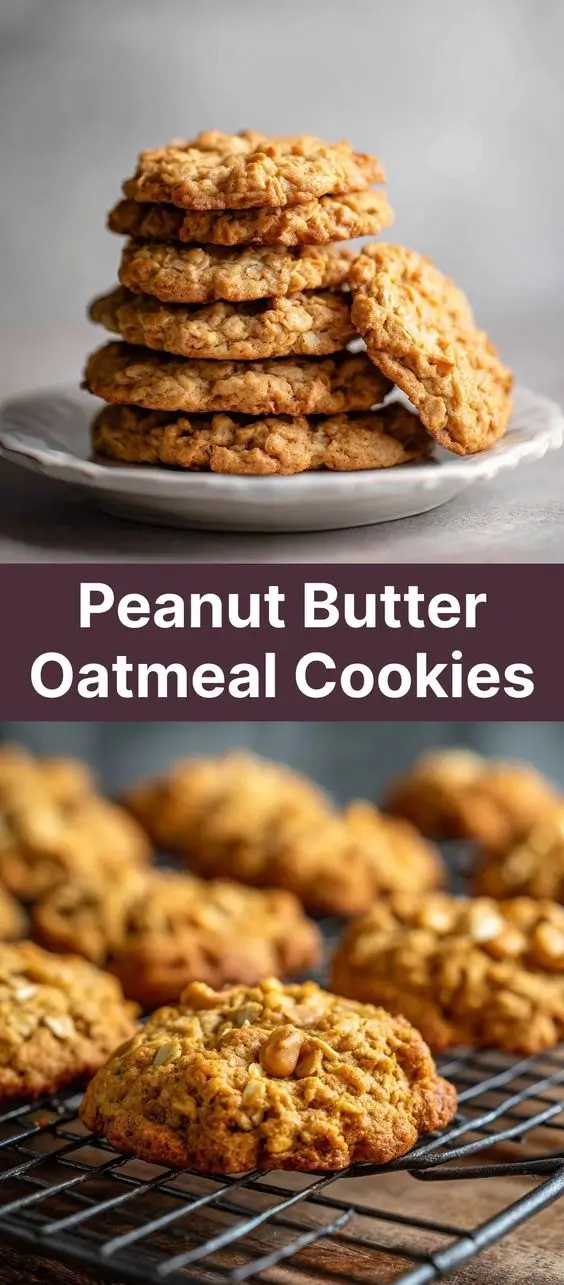
Peanut Butter Oatmeal Cookies: A Hearty, Delicious Treat for Any Time of Day
Introduction
There’s something deeply comforting about the warm aroma of freshly baked cookies wafting through the kitchen. Among the many beloved cookie varieties, peanut butter oatmeal cookies stand out as a wholesome yet indulgent favorite. Combining the nutty richness of peanut butter with the hearty texture of oats, these cookies deliver a satisfying balance of flavor and nutrition. Whether you’re enjoying them with a glass of milk after school, packing them in lunchboxes, or serving them at afternoon tea, peanut butter oatmeal cookies are a timeless treat that brings joy to children and adults alike.
These cookies are more than just a sweet snack—they represent a fusion of simplicity and comfort. With ingredients commonly found in most pantries, they’re easy to whip up on a whim. Plus, their soft, chewy texture and deep peanut butter flavor make them irresistible. In this comprehensive guide, we’ll dive into everything you need to know about making the perfect batch of peanut butter oatmeal cookies—from the history behind the recipe to ingredient substitutions, health considerations, and creative variations.
The History
The origins of peanut butter oatmeal cookies trace back to the early 20th century, when both peanut butter and oatmeal began gaining popularity in American households. Peanut butter itself was invented in the late 1800s, initially promoted as a protein-rich food by doctors and nutritionists. By the 1920s and 30s, it became a staple in American kitchens, especially during times of economic hardship like the Great Depression, due to its affordability and long shelf life.
Oatmeal, too, has a long history as a nutritious breakfast food. Scottish immigrants brought oats to North America, where they evolved into various culinary uses, including baking. The combination of oats and peanut butter likely emerged from home bakers experimenting with accessible, filling ingredients. During World War II, rationing encouraged creative use of limited resources, leading to recipes that maximized flavor and sustenance without relying on scarce items like chocolate or refined sugar.
Peanut butter oatmeal cookies gained wider recognition in the mid-20th century as cookbooks and women’s magazines began featuring them as family-friendly treats. Their reputation for being both tasty and nourishing made them ideal for children’s snacks and school lunches. Over time, bakers have continued to refine the recipe, adjusting sweetness, texture, and add-ins to suit modern palates. Today, peanut butter oatmeal cookies are celebrated not only for their nostalgic appeal but also for their adaptability to dietary needs and preferences.
Ingredients Breakdown
The magic of peanut butter oatmeal cookies lies in their simple, wholesome ingredients. Each component plays a crucial role in achieving the perfect texture, flavor, and structure. Let’s take an in-depth look at what goes into these delicious cookies:
- Butter (unsalted): Provides richness and tenderness. Unsalted butter allows you to control the sodium content. Softened butter blends easily with sugars, creating a creamy base that traps air for a soft, slightly chewy texture.
- Brown sugar: Adds moisture and deep molasses flavor. The moisture in brown sugar helps keep cookies soft and chewy. It also contributes to browning during baking, enhancing the overall flavor profile.
- Granulated sugar: Balances sweetness and aids in spreading. While less moist than brown sugar, it helps create a slight crispness on the edges while maintaining a soft center.
- Peanut butter (creamy or crunchy): The star ingredient. Natural or processed peanut butter can be used, though natural versions may require adjustments due to oil separation. Peanut butter adds flavor, fat, and structure—its proteins and oils bind the dough together.
- Eggs: Act as a binder and add moisture. They help emulsify the fats and liquids, contributing to a uniform texture. Eggs also provide lift during baking through steam formation.
- Vanilla extract: Enhances overall flavor with a warm, aromatic note. Pure vanilla extract offers a more complex taste compared to artificial versions.
- All-purpose flour: Gives structure to the cookies. It contains gluten-forming proteins that help hold the shape during and after baking. Too much flour can make cookies dry, so proper measuring is essential.
- Baking soda: A leavening agent that helps the cookies rise slightly and spread evenly. It reacts with acidic components (like brown sugar) to produce carbon dioxide bubbles.
- Salt: Enhances all flavors and balances sweetness. Even in small amounts, salt makes the peanut butter taste richer and more pronounced.
- Old-fashioned rolled oats: Provide chewiness, fiber, and a rustic texture. Unlike instant oats, rolled oats retain their shape during baking, giving the cookies a heartier bite. Steel-cut oats are too dense and should be avoided unless pre-soaked.
- Mix-ins (optional): Chocolate chips, raisins, chopped nuts, dried cranberries, or even banana slices can be added for extra flavor and texture. These additions allow for personalization based on taste or dietary goals.
Step-by-Step Recipe
Follow this detailed method to create perfectly textured peanut butter oatmeal cookies—chewy on the inside, slightly crisp around the edges, and bursting with peanut butter flavor.
- Preheat the oven to 350°F (175°C). Line two large baking sheets with parchment paper or silicone baking mats to prevent sticking and ensure even baking.
- Cream the butter and sugars: In a large mixing bowl, beat ½ cup (1 stick) of softened unsalted butter with ½ cup packed brown sugar and ¼ cup granulated sugar using an electric mixer on medium speed. Beat for 2–3 minutes until light and fluffy. This step incorporates air, which helps create a tender crumb.
- Add wet ingredients: Add ½ cup creamy peanut butter (or crunchy, if preferred), 1 large egg, and 1 teaspoon of vanilla extract. Mix on medium speed until fully combined and smooth, scraping down the sides of the bowl as needed.
- Incorporate dry ingredients: In a separate bowl, whisk together ¾ cup all-purpose flour, ½ teaspoon baking soda, and ½ teaspoon salt. Gradually add this mixture to the wet ingredients, mixing on low speed just until incorporated. Overmixing can lead to tough cookies, so stop as soon as no dry streaks remain.
- Fold in oats: Stir in 1½ cups old-fashioned rolled oats using a wooden spoon or rubber spatula. Mix until evenly distributed. At this stage, fold in any desired mix-ins such as ½ cup chocolate chips, raisins, or chopped peanuts.
- Chill the dough (optional but recommended): Cover the bowl and refrigerate the dough for 30–60 minutes. Chilling firms up the butter, which prevents excessive spreading and enhances flavor development.
- Scoop the dough: Use a cookie scoop or tablespoon to portion the dough into balls about 1½ tablespoons in size. Roll them between your palms for a neat round shape.
- Flatten slightly: Place dough balls onto the prepared baking sheets, spacing them about 2 inches apart. Use a fork to gently press down on each ball, creating a crisscross pattern (a classic touch for peanut butter cookies). This also ensures even thickness for consistent baking.
- Bake: Transfer to the preheated oven and bake for 10–12 minutes, or until the edges are lightly golden and the centers appear set. Avoid overbaking—cookies will firm up as they cool.
- Cool: Let the cookies rest on the baking sheet for 5 minutes before transferring them to a wire rack to cool completely. This prevents breakage and allows them to finish setting.
Your homemade peanut butter oatmeal cookies are now ready to enjoy! Store in an airtight container at room temperature for up to 5 days, or freeze for longer storage.
Tips
To elevate your peanut butter oatmeal cookies from good to exceptional, consider these expert tips:
- Use room-temperature ingredients: Ensure your butter and egg are at room temperature before starting. Cold ingredients don’t blend smoothly, leading to uneven texture.
- Don’t skip chilling: Chilling the dough improves flavor, reduces spreading, and gives cookies a denser, chewier texture. If short on time, chill for at least 20 minutes.
- Measure flour correctly: Spoon flour into the measuring cup and level it off with a knife. Scooping directly from the bag compacts the flour, resulting in dry, dense cookies.
- Choose the right peanut butter: Creamy peanut butter yields a smoother texture, while crunchy adds delightful bits of nuttiness. Avoid low-fat or “natural” peanut butters with heavy oil separation unless you adjust the recipe accordingly.
- Check your oats: Old-fashioned rolled oats are best. Quick oats absorb more liquid and can make cookies mushy; steel-cut oats are too hard unless cooked first.
- Rotate pans halfway: For even baking, rotate the baking sheet front to back halfway through the cooking time, especially if your oven has hot spots.
- Underbake slightly: Remove cookies when they still look a bit soft in the center—they’ll continue to cook on the hot tray and result in a chewier texture.
- Double the batch: These cookies freeze beautifully. Freeze unbaked dough balls on a tray, then transfer to a freezer bag. Bake straight from frozen, adding 1–2 minutes to the baking time.
- Enhance flavor: Add a pinch of cinnamon, nutmeg, or a tablespoon of flaxseed meal for depth and nutritional boost.
- Uniform sizing: Use a cookie scoop to ensure all cookies are the same size, so they bake evenly.
Variations and Customizations
One of the greatest strengths of peanut butter oatmeal cookies is their versatility. You can tailor them to suit different tastes, dietary needs, or seasonal themes. Here are some popular variations:
- Gluten-Free Version: Replace all-purpose flour with a 1:1 gluten-free baking blend. Ensure your oats are certified gluten-free to avoid cross-contamination.
- Vegan Option: Substitute butter with vegan margarine or coconut oil, use a flax egg (1 tbsp ground flaxseed + 3 tbsp water per egg), and choose dairy-free chocolate chips.
- Lower-Sugar Cookies: Reduce sugar by ¼ cup total and use monk fruit sweetener or erythritol. You can also increase the proportion of oats for bulk and fiber.
- Protein-Packed: Add a scoop of unflavored or vanilla whey or plant-based protein powder. You may need to increase liquid slightly (e.g., a splash of almond milk) to maintain dough consistency.
- Nut-Free Alternative: Use sunflower seed butter instead of peanut butter. Be sure to check labels if serving someone with allergies.
- Chocolate Lover’s Delight: Fold in dark, milk, or white chocolate chips—or drizzle melted chocolate over cooled cookies.
- Fruity Twist: Add dried cranberries, raisins, chopped dates, or diced apples for natural sweetness and chewiness.
- Tropical Vibes: Mix in shredded coconut and macadamia nuts for a tropical flair.
- Savory-Sweet Blend: Sprinkle a tiny bit of sea salt on top before baking for a gourmet salted peanut butter effect.
- Holiday Edition: Add pumpkin spice, mini M&Ms, or crushed candy canes depending on the season.
- Stuffed Cookies: Place a small piece of peanut butter cup in the center of each dough ball before flattening for a gooey surprise.
- Bar Form: Press the dough into an 8×8-inch greased pan and bake for 20–25 minutes for easy-to-slice cookie bars.
Health Considerations and Nutritional Value
While peanut butter oatmeal cookies are undeniably delicious, it’s important to consider their nutritional profile, especially if consumed regularly or by individuals with specific health concerns.
Nutritional Highlights:
- Oats: A great source of soluble fiber, particularly beta-glucan, which supports heart health by helping lower LDL cholesterol. Oats also provide sustained energy and promote satiety.
- Peanut Butter: Rich in healthy monounsaturated fats, protein, and vitamin E. It contributes to fullness and provides long-lasting energy. However, it’s calorie-dense, so portion control matters.
- Complex Carbohydrates: The combination of oats and whole grains offers slow-digesting carbs, making these cookies a better energy choice than highly processed sweets.
Considerations:
- Sugar Content: Traditional recipes contain added sugars, which can contribute to blood sugar spikes. Those managing diabetes or watching sugar intake should modify the recipe using low-glycemic sweeteners or reduce quantities.
- Fat Content: Butter and peanut butter add saturated and unsaturated fats. While some fat is beneficial, moderation is key—especially for those with cardiovascular concerns.
- Allergens: Peanuts, wheat, dairy, and eggs are common allergens. Always label cookies clearly when sharing, and consider allergy-friendly alternatives when needed.
- Calories: One average-sized cookie contains approximately 120–150 calories, depending on size and ingredients. Mindful portioning helps fit them into a balanced diet.
Healthy Tweaks:
- Replace half the butter with unsweetened applesauce or mashed banana.
- Use whole wheat pastry flour or oat flour for added fiber.
- Boost nutrition with chia seeds, ground flax, or hemp hearts.
- Limit high-calorie add-ins like chocolate chips or opt for cacao nibs.
When enjoyed in moderation, peanut butter oatmeal cookies can be part of a healthy lifestyle—offering satisfaction, energy, and a comforting treat without complete indulgence.
Ingredients
- ½ cup (1 stick) unsalted butter, softened
- ½ cup packed brown sugar
- ¼ cup granulated sugar
- ½ cup creamy or crunchy peanut butter (no-stir or regular)
- 1 large egg
- 1 teaspoon pure vanilla extract
- ¾ cup all-purpose flour
- ½ teaspoon baking soda
- ½ teaspoon salt
- 1½ cups old-fashioned rolled oats
- Optional: ½ cup chocolate chips, raisins, chopped nuts, or other mix-ins
Directions
- Preheat oven to 350°F (175°C). Line baking sheets with parchment paper.
- In a large bowl, cream together butter, brown sugar, and granulated sugar until light and fluffy (2–3 minutes).
- Add peanut butter, egg, and vanilla extract. Mix until smooth.
- In another bowl, whisk flour, baking soda, and salt. Gradually add to wet ingredients, mixing until just combined.
- Stir in rolled oats and any optional mix-ins until evenly distributed.
- (Optional) Chill dough for 30–60 minutes for thicker cookies.
- Scoop dough into 1½-tablespoon balls and place on baking sheets, spaced 2 inches apart.
- Flatten each ball with a fork in a crisscross pattern.
- Bake for 10–12 minutes, until edges are golden and centers are set.
- Cool on baking sheet for 5 minutes, then transfer to wire rack to cool completely.
- Store in an airtight container for up to 5 days or freeze for up to 3 months.
FAQ
Can I use quick oats instead of rolled oats?
Yes, but the texture will be softer and less chewy. Rolled oats are recommended for the best results.
Why did my cookies turn out flat?
Possible reasons include melted butter (should be softened, not melted), warm dough, or expired baking soda. Chilling the dough helps prevent spreading.
Can I make these without eggs?
Yes. Use a flax egg (1 tbsp ground flax + 3 tbsp water) or commercial egg replacer for binding.
Are these cookies healthy?
They contain nutritious ingredients like oats and peanut butter but also sugar and fat. They’re best enjoyed in moderation as part of a balanced diet.
Can I freeze the dough?
Absolutely. Portion into balls and freeze on a tray, then transfer to a bag. Bake from frozen, adding 1–2 minutes to baking time.
Can I use natural peanut butter?
Yes, but be aware that oil separation may make the dough greasier. You may need to reduce additional fats or chill the dough longer.
How do I make them chewier?
Use more brown sugar, slightly underbake, and chill the dough. Also, avoid overmixing once flour is added.
Why did my cookies turn out dry?
Too much flour, overbaking, or using too much peanut butter can cause dryness. Measure flour properly and watch baking time closely.
Summary
Peanut butter oatmeal cookies combine the rich flavor of peanut butter with the wholesome texture of oats for a delicious, satisfying treat. Easy to customize and perfect for any occasion, they’re a timeless favorite in any baker’s repertoire.