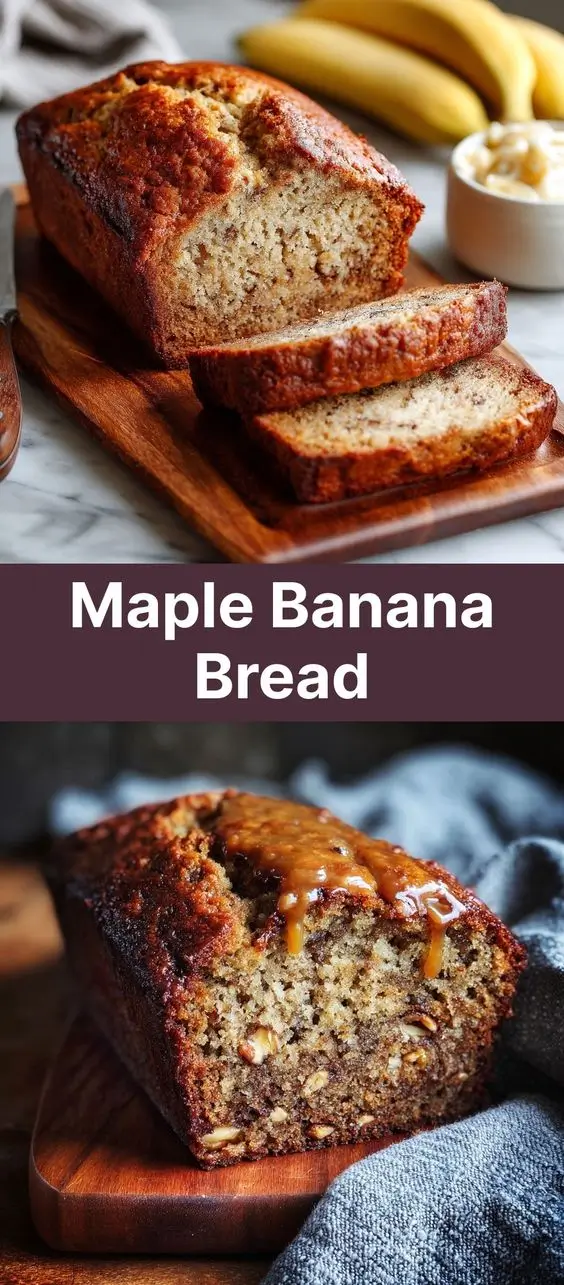
Maple Banana Bread: A Moist, Flavorful Delight for Any Time of Day
The History of Maple Banana Bread
Banana bread, as we know it today, has roots that trace back to the early 20th century in North America. While bananas were not native to the United States and only became widely available after the development of refrigerated shipping in the late 1800s, their popularity soared during the Great Depression when resourceful home bakers began using overripe bananas to create moist, sweet quick breads. These cakes required no special skills or equipment—just a mixing bowl, basic pantry ingredients, and an oven.
Originally, banana bread recipes relied heavily on sugar and butter, but as regional flavors evolved, so did variations. In Canada and the northeastern United States, where maple syrup has long been a staple sweetener harvested from sugar maple trees each spring, bakers began substituting refined sugar with pure maple syrup. This adaptation not only added a distinctive depth of flavor but also contributed moisture and natural richness. The result was Maple Banana Bread—a rustic, aromatic loaf that celebrates the harmony between ripe bananas and the earthy sweetness of maple.
Over time, this version gained favor among health-conscious bakers and foodies alike, appreciated for its use of natural sweeteners and its ability to highlight local, seasonal ingredients. Today, Maple Banana Bread is a beloved staple at farmers markets, brunch cafes, and family kitchens across North America, symbolizing comfort, sustainability, and culinary tradition all baked into one golden loaf.
Ingredients Breakdown: What Makes Maple Banana Bread Special?
The magic of Maple Banana Bread lies in its simple yet thoughtfully chosen ingredients. Each component plays a vital role in creating a tender crumb, rich flavor, and moist texture that sets it apart from traditional banana bread.
- Ripe Bananas: The star of the show. Overripe bananas (with brown speckled peels) are essential—they’re sweeter, softer, and easier to mash, contributing natural moisture and intense banana flavor. They also help bind the batter without needing extra fat or eggs.
- Pure Maple Syrup: Not pancake syrup—but genuine, Grade A or B maple syrup. It imparts a warm, caramel-like sweetness with hints of vanilla and smoke. Unlike white sugar, it adds liquid content, enhancing moisture while reducing glycemic impact slightly.
- All-Purpose Flour: Provides structure. You can substitute up to half with whole wheat flour or gluten-free blends for dietary needs, though texture may vary slightly.
- Baking Soda: Reacts with the acidity in bananas and yogurt (if used), helping the bread rise and creating a light, airy crumb.
- Salted Butter (or Oil): Adds richness and tenderness. Melted butter enhances flavor; neutral oils like avocado or coconut oil keep the bread dairy-free and equally moist.
- Eggs: Bind the ingredients together and contribute to the cake’s structure and fluffiness. For vegan versions, flax eggs work well.
- Vanilla Extract: Deepens the overall flavor profile, complementing both banana and maple notes.
- Ground Cinnamon (Optional): A classic pairing with banana, adding warmth and complexity.
- Salt: Balances sweetness and enhances other flavors.
- Optional Add-ins: Chopped walnuts, pecans, toasted sunflower seeds, dark chocolate chips, shredded coconut, or dried cranberries can elevate texture and taste.
The absence of granulated sugar allows the true essence of maple and banana to shine, making this loaf naturally indulgent without artificial additives. It’s comfort food at its finest—wholesome enough for breakfast, elegant enough for dessert.
Step-by-Step Recipe: How to Make Perfect Maple Banana Bread
Follow these detailed instructions to bake a flawless loaf of Maple Banana Bread every time. This recipe yields one standard 9×5-inch loaf and takes about an hour from start to finish.
Ingredients
- 3 large overripe bananas (about 1½ cups mashed)
- ⅓ cup pure maple syrup (Grade A or B)
- ⅓ cup melted unsalted butter (or neutral oil)
- 2 large eggs, room temperature
- 1 teaspoon pure vanilla extract
- 1¾ cups all-purpose flour (spooned and leveled)
- 1 teaspoon baking soda
- ½ teaspoon salt
- 1 teaspoon ground cinnamon (optional)
- ½ cup chopped walnuts or pecans (optional)
- ¼ cup dark chocolate chips (optional)
Directions
- Preheat Oven & Prepare Pan: Preheat your oven to 350°F (175°C). Grease a 9×5-inch loaf pan thoroughly with butter or non-stick spray, then line the bottom with parchment paper for easy removal.
- Mash Bananas: In a large mixing bowl, peel and mash the bananas with a fork or potato masher until smooth and lump-free. You should have about 1½ cups.
- Mix Wet Ingredients: To the mashed bananas, add the maple syrup, melted butter (cooled slightly), eggs, and vanilla extract. Whisk vigorously until fully combined and emulsified. The mixture should appear glossy and uniform.
- Combine Dry Ingredients: In a separate bowl, whisk together the flour, baking soda, salt, and cinnamon (if using). Ensure there are no clumps and that the leavening agents are evenly distributed.
- Incorporate Dry into Wet: Gradually add the dry ingredients to the wet mixture. Use a spatula to fold gently just until no streaks of flour remain. Do not overmix—this prevents gluten development and keeps the bread tender.
- Add Mix-ins: Fold in nuts, chocolate chips, or any optional ingredients until evenly dispersed.
- Pour Batter into Pan: Transfer the batter into the prepared loaf pan, spreading it evenly with the spatula. For a rustic look, you can create a slight dome down the center.
- Bake: Place the pan in the center rack of the oven and bake for 55 to 65 minutes. Begin checking at 50 minutes—insert a toothpick into the center. If it comes out clean or with a few moist crumbs (not wet batter), the bread is done.
- Cool Properly: Remove from the oven and let the bread cool in the pan for 15 minutes. Then, use the parchment paper to lift it out and transfer to a wire rack to cool completely before slicing. Cooling prevents crumbling and helps set the crumb.
- Serve or Store: Slice with a serrated knife. Serve plain, toasted with butter, or topped with additional maple syrup, nut butter, or whipped cream cheese.
Tips for Baking the Best Maple Banana Bread
- Use Very Ripe Bananas: The darker the banana peel, the better. Black spots mean higher sugar content and deeper flavor. If your bananas aren’t ripe enough, roast them (peel-on) at 300°F for 15–20 minutes to speed up ripening.
- Don’t Overmix the Batter: Once flour is added, stir only until incorporated. Overmixing develops gluten, leading to a dense, tough loaf.
- Measure Flour Correctly: Spoon flour into the measuring cup and level off with a knife. Scooping packs the flour and can make the bread dry.
- Check Doneness Early: Ovens vary. Start testing at 50 minutes. If the top browns too quickly, tent loosely with aluminum foil.
- Let It Cool: Resist cutting into the hot loaf—it will fall apart. Waiting 1–2 hours ensures cleaner slices.
- Boost Moisture: For an even more decadent texture, add ¼ cup plain Greek yogurt or applesauce to the wet ingredients.
- Enhance Maple Flavor: Drizzle the cooled loaf with a simple glaze made of ½ cup powdered sugar + 1–2 tablespoons pure maple syrup.
- Double the Batch: This bread freezes beautifully. Wrap tightly in plastic and store frozen for up to 3 months.
Variations and Customizations
One of the greatest strengths of Maple Banana Bread is its versatility. Whether you’re accommodating dietary restrictions or simply want to experiment, here are some creative twists:
Gluten-Free Maple Banana Bread
Replace all-purpose flour with a high-quality 1:1 gluten-free baking blend (like Bob’s Red Mill or King Arthur). Add ½ teaspoon xanthan gum if not included in the mix to improve texture.
Vegan Version
- Substitute eggs with two “flax eggs” (2 tablespoons ground flaxseed + 5 tablespoons water, let sit 5 minutes).
- Use coconut oil instead of butter.
- Ensure maple syrup is vegan-friendly (most are).
Whole Grain Twist
Swap half the all-purpose flour with whole wheat pastry flour or oat flour for a nuttier, fiber-rich version. Note: whole wheat flour may yield a denser texture.
Nut-Free Option
Omit walnuts or pecans entirely, or replace with pumpkin seeds or dried fruit like raisins or chopped dates.
Protein-Packed Loaf
Add ¼ to ½ cup unflavored or vanilla plant-based protein powder. Increase liquid slightly (add 2–4 tablespoons almond milk) to compensate for dryness.
Tropical Maple Banana Bread
Add ½ cup shredded unsweetened coconut and ⅓ cup diced pineapple (drained well). Top with a coconut-maple glaze.
Spiced Maple Banana Bread
Add ½ teaspoon nutmeg, ¼ teaspoon cloves, and ¼ teaspoon ginger along with the cinnamon for a chai-inspired loaf perfect for fall.
Mini Loaves or Muffins
Divide batter into greased mini loaf pans or muffin tins. Bake for 20–28 minutes depending on size. Ideal for gifting!
Health Considerations and Nutritional Value
While Maple Banana Bread is still a treat, it offers several nutritional advantages over conventional banana bread recipes that rely solely on refined sugar and butter.
Nutrition Highlights (per slice, based on 10 servings):
- Calories: ~210–230
- Carbohydrates: ~35g (naturally occurring sugars from bananas and maple syrup)
- Fiber: ~2g (more if using whole grains)
- Protein: ~3–4g
- Fat: ~7g (mostly from healthy fats in nuts and butter/oil)
- Potassium: High from bananas—supports heart and muscle function
- Manganese: Found in both bananas and whole grains—important for metabolism and bone health
- Antioxidants: Maple syrup contains polyphenols, which have anti-inflammatory properties.
Health Notes:
- Lower Glycemic Impact: Pure maple syrup has a lower glycemic index than white sugar, meaning it raises blood sugar more slowly.
- No Artificial Sweeteners: This recipe avoids high-fructose corn syrup, artificial flavors, and preservatives.
- Natural Energy Boost: Ideal as a pre-workout snack or mid-morning pick-me-up due to complex carbs and natural sugars.
- Dietary Flexibility: Easily adaptable for gluten-free, dairy-free, egg-free, and vegan diets.
That said, moderation is key. Maple syrup is still a form of sugar, and portion control matters—especially for those managing diabetes or watching calorie intake. Pairing a slice with Greek yogurt or a handful of almonds balances macronutrients and increases satiety.
Frequently Asked Questions (FAQ)
Can I use honey instead of maple syrup?
Yes, but the flavor will change significantly. Honey has a floral note, while maple syrup brings earthy, woody tones. Also, honey is slightly more acidic, which might affect rise. Use raw honey for best results.
Why did my banana bread sink in the middle?
Common causes include underbaking, too much batter in the pan, overmixing, or opening the oven door too early. Ensure accurate measurements and avoid disturbing the oven during the first 45 minutes.
Can I freeze Maple Banana Bread?
Absolutely! Cool completely, wrap tightly in plastic wrap, then in foil or place in a freezer-safe bag. Freeze for up to 3 months. Thaw overnight in the fridge or at room temperature for 2 hours.
How do I store this bread?
Keep in an airtight container at room temperature for up to 4 days. In humid climates, refrigeration may extend freshness, though it can dry out the bread slightly. Reheat gently in a toaster oven to restore moisture.
Can I make this oil-free?
Yes. Replace butter or oil with unsweetened applesauce, mashed avocado, or canned pumpkin (¼ cup). Texture will be denser but still delicious.
Is maple syrup healthier than sugar?
In moderation, yes. Maple syrup contains minerals like zinc, manganese, calcium, and antioxidants. It’s less processed than white sugar and has a more favorable glycemic response. However, it’s still sugar and should be consumed mindfully.
My batter seems thick—is that normal?
Yes, especially if using less liquid or more flour. As long as you’ve measured correctly, the bananas and maple syrup will steam and soften the crumb during baking.
Can I add espresso or coffee?
Yes! 1–2 teaspoons of instant espresso powder enhances depth and complements the maple flavor beautifully—without making it taste like coffee.
Summary
Maple Banana Bread is a moist, naturally sweetened twist on a classic favorite, combining the creamy richness of ripe bananas with the deep, smoky sweetness of pure maple syrup. Easy to customize and packed with wholesome ingredients, it’s perfect for breakfast, snacks, or dessert.