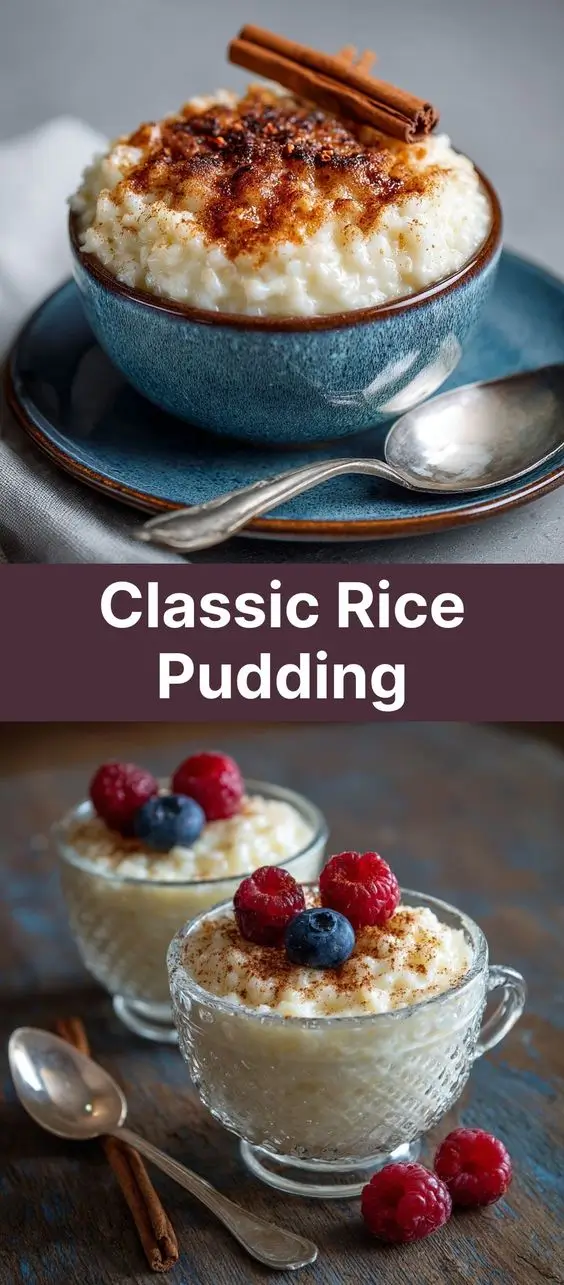
Classic Rice Pudding: A Timeless Comfort Dessert
There are few desserts as universally beloved and comforting as a warm bowl of classic rice pudding. Creamy, gently sweetened, and delicately spiced, this humble dish has graced tables across continents for centuries. Whether enjoyed warm or chilled, served in elegant ramekins or simple bowls, rice pudding transcends cultures and generations, bringing nostalgia with every spoonful. In this comprehensive guide, we explore the rich history, essential ingredients, detailed preparation method, and endless variations of the classic rice pudding—along with nutritional insights and frequently asked questions—so you can master this timeless dessert with confidence.
The History of Rice Pudding
Rice pudding’s origins stretch back to ancient times when rice was first cultivated in Asia. Early versions likely consisted of boiled rice cooked with milk or water and sweetened with honey or fruit. Historical records suggest that rice pudding-like dishes were consumed in ancient Persia and India, where rice was a dietary staple. As trade routes expanded, so did the popularity of rice-based desserts.
In medieval Europe, rice pudding evolved into a more refined dish. It became especially popular in England during the 14th century, often referred to as “Rys of White,” a creamy porridge made with rice, almond milk, sugar, and saffron, typically served at banquets. By the 16th century, cow’s milk had replaced almond milk in most recipes, making the dessert more accessible as dairy farming grew.
Rice pudding soon became a household staple across Europe—not just for its delicious taste but also because it was economical, using leftover rice and milk. It was commonly served as a breakfast dish or dessert, depending on the region. Scandinavian countries developed their own versions (like Swedish risgrynsgröt), often eaten on special holidays such as Christmas. In North America, rice pudding gained popularity through European settlers and eventually became a comfort food favorite in American homes, particularly during the 19th and early 20th centuries.
Today, rice pudding exists in countless forms around the world—from Indian kheer flavored with cardamom and garnished with nuts, to Puerto Rican arroz con leche enriched with condensed milk and cinnamon, to Middle Eastern versions infused with rosewater and orange blossom. Yet, despite cultural variations, the soul of rice pudding remains the same: a soothing, creamy blend of rice, milk, and sweetness that comforts the heart and satisfies the palate.
Ingredients Breakdown
The beauty of classic rice pudding lies in its simplicity. With only a handful of ingredients, each one plays a crucial role in creating the perfect texture and flavor profile. Here’s a detailed breakdown:
- Rice: Short- or medium-grain white rice (such as Arborio, jasmine, or sushi rice) is ideal due to its high starch content, which breaks down during cooking to create a naturally creamy consistency. Long-grain rice can be used but may result in a less creamy texture.
- Milk: Whole milk is traditionally used for richness and creaminess. You can use 2% milk for a lighter version, though the pudding will be less velvety. Some recipes incorporate evaporated or condensed milk for added depth and sweetness.
- Cream (optional): Heavy cream or half-and-half can be added toward the end of cooking to enhance the luxurious mouthfeel.
- Sugar: Granulated white sugar is standard, but brown sugar, coconut sugar, maple syrup, or honey can be used for nuanced flavors. The amount can be adjusted based on preference.
- Flavorings: Vanilla extract is the most common addition, providing a warm, aromatic note. Other options include almond extract, citrus zest, or spices like cinnamon, nutmeg, or cardamom.
- Egg Yolks (optional): Used in some custard-style recipes, egg yolks enrich the pudding and help thicken it further, giving it a silky texture similar to crème brûlée.
- Butter: A small amount stirred in at the end enhances richness and adds a glossy finish.
- Pinch of Salt: Balances the sweetness and enhances all other flavors.
Optional add-ins include raisins, sultanas, chopped dried fruits, toasted nuts (like almonds or walnuts), shredded coconut, or chocolate chips. Toppings might consist of a sprinkle of ground cinnamon, fresh berries, whipped cream, or a drizzle of caramel.
Step-by-Step Recipe
Follow this traditional stovetop method to make a perfectly smooth and creamy classic rice pudding at home. This recipe yields about 6 servings.
Ingredients
- ½ cup (100g) short-grain white rice (Arborio recommended)
- ¼ cup (50g) granulated sugar (adjust to taste)
- 3 cups (720ml) whole milk
- ½ cup (120ml) heavy cream (optional, for extra richness)
- 1 teaspoon pure vanilla extract
- ¼ teaspoon ground cinnamon (plus extra for garnish)
- ⅛ teaspoon ground nutmeg (optional)
- Pinch of salt
- 1 tablespoon unsalted butter
- ¼ cup (40g) raisins or golden sultanas (optional)
- 1 egg yolk (optional, for custard-style richness)
Directions
- Rinse the rice: Place the rice in a fine-mesh strainer and rinse under cold water until the water runs clear. This removes excess surface starch and prevents clumping.
- Combine rice and milk: In a heavy-bottomed saucepan, combine the rinsed rice, 3 cups of milk, sugar, salt, cinnamon, and nutmeg. Stir well to dissolve the sugar.
- Simmer slowly: Bring the mixture to a gentle boil over medium heat, stirring occasionally. Once boiling, reduce the heat to low and let it simmer uncovered. Stir frequently—at least every 3–5 minutes—to prevent scorching on the bottom.
- Cook until creamy: Continue simmering for 45–60 minutes, or until the rice is very tender and the mixture has thickened into a creamy pudding. The pudding should coat the back of a spoon. If it becomes too thick before the rice is soft, add a splash of milk.
- Add optional egg yolk (custard variation): In a small bowl, whisk the egg yolk with 2 tablespoons of the hot pudding mixture to temper it. Slowly pour the tempered yolk back into the saucepan, stirring constantly. Cook for another 2–3 minutes on low heat, but do not boil, to avoid curdling.
- Add cream and flavorings: Stir in the heavy cream (if using), vanilla extract, butter, and raisins. Cook for an additional 5 minutes to allow flavors to meld and the raisins to plump up.
- Taste and adjust: Taste the pudding and adjust sweetness or spice if needed.
- Cool and serve: Remove from heat. The pudding will continue to thicken as it cools. Serve warm, or transfer to individual serving dishes and refrigerate for at least 2 hours for a chilled version. Garnish with a dusting of cinnamon, a dollop of whipped cream, or fresh fruit before serving.
Tips for Perfect Rice Pudding
- Use a heavy-bottomed pot: This ensures even heat distribution and reduces the risk of burning.
- Stir frequently: Especially during the later stages of cooking, constant stirring prevents sticking and promotes creaminess.
- Don’t rush the process: Low and slow is key. Rushing by increasing the heat can lead to scorched milk or unevenly cooked rice.
- Choose the right rice: Arborio rice is excellent due to its high starch content. Avoid instant or parboiled rice, which won’t break down properly.
- Customize sweetness: Add sugar gradually and taste as you go. You can always add more, but you can’t remove it.
- Let it rest: Allowing the pudding to sit off the heat for 10–15 minutes after cooking helps it thicken further and develop flavor.
- Reheat gently: When reheating leftovers, add a splash of milk and warm over low heat, stirring frequently to restore creaminess.
- Double the batch: Rice pudding keeps well and tastes great the next day—many say it improves overnight!
Variations and Customizations
One of the greatest strengths of classic rice pudding is its adaptability. Here are several creative ways to customize your recipe:
- Coconut Rice Pudding: Replace whole milk with canned coconut milk and add shredded coconut. Flavor with lime zest and top with mango slices for a tropical twist.
- Chai-Spiced Pudding: Infuse the milk with chai spices (cinnamon, cardamom, cloves, ginger, black pepper) before adding rice. Strain and proceed with the recipe.
- Chocolate Rice Pudding: Stir in cocoa powder or melted dark chocolate at the end. Top with raspberries for contrast.
- Vegan Rice Pudding: Use full-fat coconut milk or oat milk, maple syrup instead of sugar, and omit eggs and butter. Thicken with cornstarch slurry if needed.
- Baked Rice Pudding: Combine all ingredients and pour into a greased baking dish. Bake at 325°F (160°C) for 1–1.5 hours, stirring halfway, until set and golden on top.
- Lactose-Free Version: Use lactose-free milk or plant-based alternatives like soy or almond milk (though results may vary in creaminess).
- Fruit-Infused Pudding: Fold in stewed apples, poached pears, or mashed banana during the last 10 minutes of cooking.
- Nutty Crunch: Stir in chopped toasted pecans, pistachios, or almonds. Sprinkle extra on top before serving.
- Almond Joy Style: Add shredded coconut, chopped almonds, and mini chocolate chips for a dessert inspired by the candy bar.
- Cultural Inspirations:
- Kheer (India): Use basmati rice, infuse with green cardamom, and garnish with slivered almonds and pistachios.
- Arroz con Leche (Latin America): Sweeten with condensed milk, use cinnamon sticks, and sometimes include lemon or orange peel.
- Risalamande (Denmark): Served cold at Christmas, often with cherry sauce and a hidden almond for good luck.
Health Considerations and Nutritional Value
While rice pudding is undeniably delicious, it’s important to consider its nutritional profile, especially if consumed regularly or by individuals with specific dietary needs.
Nutritional Highlights (per 1-cup serving, traditional recipe):
- Calories: ~280–350 kcal
- Carbohydrates: ~45–55g (mostly from rice and sugar)
- Protein: ~8–10g (from milk and eggs)
- Fat: ~8–12g (higher if cream and butter are used)
- Calcium: ~30% of daily value (excellent source from milk)
- Vitamin D: Present if using fortified milk
- B vitamins: Particularly riboflavin (B2) and B12
Health Considerations:
- High in Sugar: Traditional recipes can be high in added sugars. To reduce sugar content, use natural sweeteners like mashed banana, applesauce, or monk fruit sweetener, and reduce the quantity.
- Dairy Content: Contains lactose; those with lactose intolerance may need alternatives. Lactase enzyme supplements can help digestion.
- Gluten-Free: Naturally gluten-free if made with pure ingredients. Check labels on flavorings or additives.
- Low Fiber: White rice is low in fiber. For a healthier version, substitute part of the white rice with brown rice (note: cooking time increases).
- Balanced Eating: Best enjoyed in moderation as part of a balanced diet. Pair with fresh fruit to boost fiber and vitamins.
- Energy-Dense: Ideal as a post-workout snack or for children needing calorie-dense foods, but portion control is advised for weight management.
With mindful modifications, rice pudding can fit into various dietary lifestyles—including vegetarian, gluten-free, and even vegan—without sacrificing comfort or taste.
Frequently Asked Questions (FAQ)
Q: Can I use leftover cooked rice?
A: Yes! Using 2 cups of cooked rice reduces cooking time significantly. Simply simmer the rice with milk, sugar, and flavorings for 20–25 minutes until creamy. Adjust liquid as needed.
Q: Why is my rice pudding grainy?
A: This usually means the rice hasn’t cooked long enough. Simmer longer with occasional stirring. Ensure you’re using the right type of rice—short or medium grain works best.
Q: Can I make rice pudding in a slow cooker?
A: Absolutely. Combine all ingredients (except vanilla and butter) in a slow cooker. Cook on LOW for 2.5–3 hours, stir in vanilla and butter, and serve.
Q: How long does rice pudding last in the fridge?
A: Properly stored in an airtight container, it lasts 4–5 days. Reheat gently with a splash of milk.
Q: Can I freeze rice pudding?
A: Yes, though texture may change slightly upon thawing (may separate). Freeze in portions for up to 2 months. Thaw in the refrigerator and reheat gently.
Q: Is rice pudding safe for babies?
A: Yes, plain rice pudding (unsweetened, no nuts or choking hazards) can be introduced as a baby food around 8–10 months. Consult your pediatrician first.
Q: Can I make it without sugar?
A: Yes, omit sugar entirely or use zero-calorie sweeteners. The natural sweetness of milk and rice provides mild flavor.
Q: What causes a skin to form on top?
A: A skin forms when proteins and fats rise and cool. To prevent it, place a piece of parchment paper directly on the surface while cooling, or stir frequently.
Summary
Classic rice pudding is a cherished dessert with deep historical roots and global variations, offering creamy comfort in every bite. Made from simple ingredients like rice, milk, sugar, and spices, it’s easy to prepare and endlessly customizable.