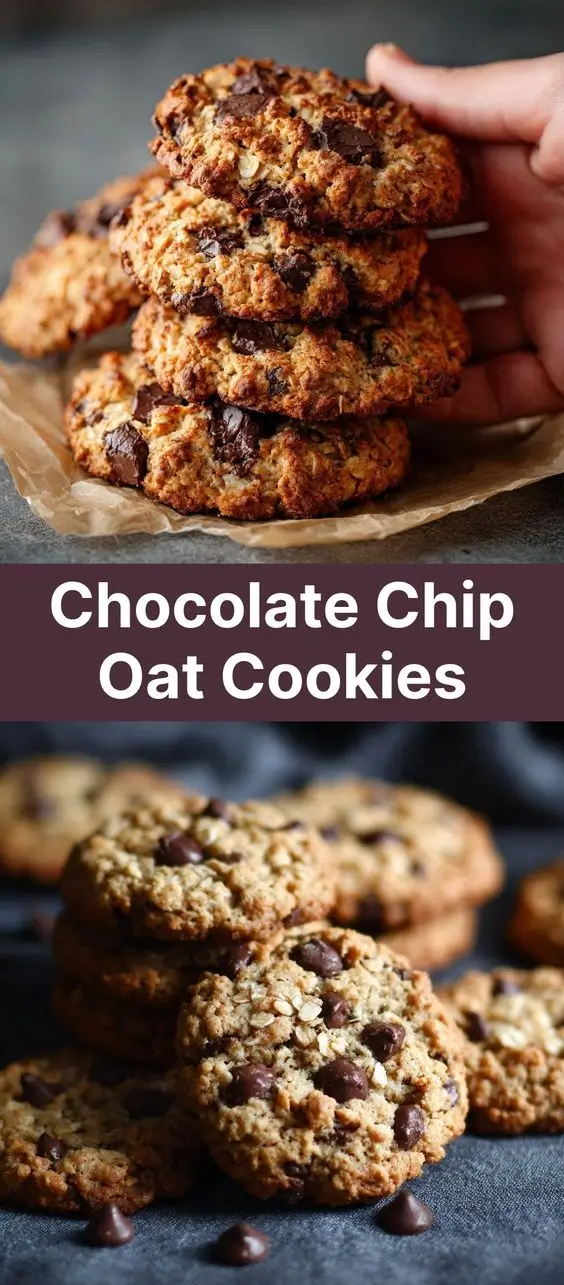
Chocolate Chip Oat Cookies: A Timeless Classic with a Chewy Twist
The History of Chocolate Chip Oat Cookies
The story of chocolate chip oat cookies is a delicious blend of culinary innovation and humble beginnings. While the chocolate chip cookie was famously invented in the 1930s by Ruth Wakefield at the Toll House Inn in Massachusetts, the integration of oats into the classic recipe came later as home bakers sought heartier, more wholesome alternatives. Oats had long been staples in American breakfasts and baked goods due to their affordability, nutritional value, and chewy texture. By the mid-20th century, as health consciousness grew and whole grains became more popular, bakers began experimenting by replacing part of the flour in traditional chocolate chip cookies with rolled oats.
This fusion created a new category of cookie—denser, chewier, and more nutritious than its purely flour-based cousin. The chocolate chip oat cookie gained widespread popularity through community cookbooks, school fundraisers, and family gatherings. It wasn’t long before major brands and bakeries adopted the hybrid, and today it stands as a beloved staple in American homes and bakeries alike. Its rise mirrors broader trends in food culture—balancing indulgence with nutrition, comfort with conscience.
Ingredients Breakdown: What Makes These Cookies Irresistible?
The magic of chocolate chip oat cookies lies in the harmony of simple, accessible ingredients that come together to create a complex sensory experience—crisp edges, chewy centers, bursts of chocolate, and the earthy warmth of oats. Let’s take a deep dive into each component:
- All-Purpose Flour: Provides structure to the cookie. While some recipes go fully oat-based, a blend of flour and oats ensures the cookies hold their shape without becoming too crumbly.
- Old-Fashioned Rolled Oats: The star of the show. Unlike instant oats, old-fashioned oats retain their texture during baking, delivering a satisfying chew. They also contribute fiber, complex carbohydrates, and a nutty flavor.
- Unsalted Butter: Adds richness and promotes spread. Using unsalted butter allows control over the salt content. For optimal results, butter should be softened—not melted—to cream properly with sugar.
- Brown Sugar: A key player in moisture and chewiness. Brown sugar contains molasses, which attracts and retains water, resulting in softer, denser cookies. Light or dark brown sugar can be used depending on how robust you want the caramel notes.
- Granulated Sugar: Contributes to crispness and helps with browning. Combined with brown sugar, it creates the perfect balance of texture and sweetness.
- Eggs: Bind the ingredients and add moisture. Eggs also help leaven the cookies slightly and contribute to their golden color.
- Vanilla Extract: Enhances overall flavor, rounding out the sweetness and bringing depth. Pure vanilla extract is preferred over imitation for its richer aroma.
- Baking Soda: The leavening agent that helps the cookies rise slightly and develop cracks on the surface, allowing steam to escape and creating a textured top.
- Salt: Crucial for balancing sweetness. Even in sweet recipes, salt enhances flavor complexity. Use fine sea salt or kosher salt for even distribution.
- Chocolate Chips: Typically semi-sweet, though milk, dark, or even white chocolate can be used. High-quality chips or chopped chocolate bars melt better and offer superior flavor. Some bakers prefer a mix of chip sizes for varied texture.
Step-by-Step Recipe: How to Make Perfect Chocolate Chip Oat Cookies
Follow this detailed guide to bake bakery-quality chocolate chip oat cookies right in your kitchen. This recipe yields approximately 24 medium-sized cookies.
Ingredients
- 1 cup (2 sticks / 226g) unsalted butter, softened
- ¾ cup (150g) granulated sugar
- ¾ cup (165g) packed light or dark brown sugar
- 2 large eggs, room temperature
- 2 teaspoons pure vanilla extract
- 2 cups (250g) all-purpose flour
- 1 teaspoon baking soda
- 1 teaspoon fine sea salt (adjust to taste)
- 3 cups (270g) old-fashioned rolled oats (not instant)
- 2 cups (340g) semi-sweet chocolate chips (or chunks, or a mix)
Directions
- Preheat the oven to 350°F (175°C). Line two large baking sheets with parchment paper or silicone baking mats to prevent sticking.
- Cream the butter and sugars: In a large mixing bowl, beat the softened butter, granulated sugar, and brown sugar together using a hand mixer or stand mixer on medium speed for 2–3 minutes until light, fluffy, and pale in color. This step incorporates air, contributing to the cookie’s texture.
- Add wet ingredients: Beat in the eggs one at a time, mixing well after each addition. Scrape down the sides of the bowl as needed. Then mix in the vanilla extract until fully incorporated.
- Mix dry ingredients: In a separate bowl, whisk together the flour, baking soda, and salt. This ensures even distribution of leavening and seasoning agents.
- Combine wet and dry: Gradually add the dry mixture to the wet ingredients, mixing on low speed just until combined. Do not overmix, as this can lead to tough cookies.
- Fold in oats and chocolate: Stir in the rolled oats using a wooden spoon or spatula, followed by the chocolate chips. Mix until evenly distributed throughout the dough.
- Chill the dough (optional but recommended): Cover the bowl and refrigerate the dough for at least 30 minutes, or up to 72 hours. Chilling solidifies the butter, reduces spreading, deepens flavor, and results in thicker, chewier cookies.
- Scoop the dough: Use a cookie scoop or tablespoon to portion dough into balls, about 2 tablespoons each. Place them at least 2 inches apart on the prepared baking sheets to allow for spreading.
- Bake: Bake one sheet at a time in the center rack of the oven for 10–12 minutes, or until the edges are golden brown and the centers still look slightly soft. The cookies will continue to set as they cool.
- Cool: Allow cookies to rest on the baking sheet for 5 minutes before transferring them to a wire rack to cool completely. This prevents breakage and ensures proper setting.
Pro Tips for Baking the Best Chocolate Chip Oat Cookies
- Use room temperature ingredients: Cold eggs or butter won’t cream properly, leading to a dense texture. Take butter and eggs out 1–2 hours before baking.
- Don’t skip chilling: Refrigerating the dough enhances flavor and texture. Overnight chilling allows flour to hydrate and develops a deeper caramelized taste.
- Weigh ingredients: For precision, use a kitchen scale. Measuring flour by volume can lead to inconsistencies—too much flour makes dry cookies.
- Rotate the pan: If your oven has hot spots, rotate the baking sheet halfway through baking for even browning.
- Underbake slightly: Remove cookies when centers look underdone—they’ll firm up while cooling and stay chewy.
- Use parchment paper: Prevents sticking and burning, and makes cleanup effortless.
- Don’t overcrowd the pan: Leave space between dough balls to ensure even heat circulation and proper spreading.
Variations and Customizations: Make It Your Own
One of the greatest joys of baking chocolate chip oat cookies is the endless potential for creativity. Here are some popular and delicious variations:
- Nutty Delight: Add 1 cup of chopped walnuts, pecans, or almonds for crunch and richness.
- Dried Fruit Fusion: Swap half the chocolate chips for dried cranberries, raisins, or chopped apricots for a tangy twist.
- Double Chocolate Oat: Replace ¼ cup of flour with cocoa powder and use chocolate chunks or dark chocolate chips for a decadent upgrade.
- Peanut Butter Swirl: Mix ½ cup of creamy peanut butter into the wet ingredients or swirl a spoonful into each dough ball before baking.
- Gluten-Free Version: Substitute all-purpose flour with a gluten-free flour blend and ensure oats are certified gluten-free to avoid cross-contamination.
- Vegan Option: Use plant-based butter, flax eggs (1 tbsp ground flax + 3 tbsp water per egg), and dairy-free chocolate chips.
- Spiced Oats: Add ½ teaspoon cinnamon, a pinch of nutmeg, or cardamom for warm, aromatic depth—perfect for fall and winter.
- Savory-Sweet: Sprinkle a tiny bit of flaky sea salt on top of each cookie right after baking for a gourmet touch.
- Mini Cookies: Use a teaspoon to make bite-sized versions, reducing baking time to 8–9 minutes—ideal for parties or lunchboxes.
- Cookie Bars: Press the dough into a greased 9×13-inch pan and bake for 20–25 minutes for an easy, sliceable treat.
Health Considerations and Nutritional Value
While chocolate chip oat cookies are undeniably indulgent, incorporating oats brings several nutritional advantages compared to traditional chocolate chip cookies:
- Oats: Rich in beta-glucan, a soluble fiber known to support heart health by lowering LDL cholesterol. Oats also provide sustained energy due to their complex carbohydrates.
- Fiber Content: A typical serving (one cookie) contains 1–2 grams of fiber, aiding digestion and promoting satiety.
- Protein Boost: Oats and eggs contribute modest protein, helping balance blood sugar spikes from sugar.
- Reduced Refined Flour: By replacing part of the flour with oats, the glycemic load is slightly lower.
That said, these cookies are still high in sugar and fat. One average cookie contains roughly:
- Calories: 180–220
- Total Fat: 10–12g (mostly from butter)
- Carbohydrates: 25–30g (including 12–15g sugar)
- Protein: 2–3g
- Fiber: 1–2g
To make a healthier version:
- Reduce sugar by ¼ cup total.
- Use coconut sugar or maple syrup as alternatives (though texture may change).
- Increase oats and reduce flour for more fiber.
- Add chia seeds, flaxseed, or hemp hearts for omega-3s and nutrients.
- Opt for dark chocolate (70%+ cacao) for less sugar and more antioxidants.
Frequently Asked Questions (FAQ)
Can I freeze chocolate chip oat cookie dough?
Yes! Scoop the dough into balls and freeze them on a tray. Once solid, transfer to a freezer bag. Bake straight from frozen—add 1–2 minutes to baking time. Dough can be stored for up to 3 months.
Why are my cookies flat?
Common causes include melted butter, warm dough, or expired baking soda. Always use softened (not melted) butter, chill the dough, and check leavening agent freshness.
Can I use quick oats instead of old-fashioned oats?
You can, but the texture will be less chewy and more uniform. Quick oats absorb more liquid and break down faster, potentially making cookies cakey or dense.
How long do these cookies last?
Stored in an airtight container at room temperature, they stay fresh for 5–7 days. For longer storage, freeze baked cookies for up to 3 months.
Can I make these without eggs?
Yes. Use flax eggs (1 tbsp ground flaxseed + 3 tbsp water per egg) or commercial egg replacers. Texture may be slightly denser.
Why did my cookies turn out dry?
Over-measuring flour is the most common culprit. Spoon flour into the measuring cup and level off—don’t scoop directly from the bag. Overbaking can also cause dryness.
Can I use oil instead of butter?
You can substitute melted coconut oil or vegetable oil (¾ the amount of butter), but the flavor and texture will change—cookies may spread more and lack richness.
Are these cookies kid-friendly?
Absolutely! Kids love helping mix the dough and press in chocolate chips. These cookies are great for lunchboxes, snacks, or school events (check for nut allergies if adding nuts).
Summary
Chocolate chip oat cookies combine the nostalgic charm of classic chocolate chip cookies with the wholesome goodness of oats, resulting in a chewy, flavorful treat perfect for any occasion. With endless customization options and a rich history rooted in American baking tradition, they remain a timeless favorite for families and bakers worldwide.