Introduction
Shortbread cookies are a timeless classic that have delighted palates for centuries with their rich, buttery flavor and delicate, crumbly texture. Revered across the world but especially cherished in Scotland, where they originated, these simple yet luxurious treats embody the elegance of minimalism in baking. Unlike many other cookies that rely on leavening agents or eggs for structure, shortbread achieves its signature melt-in-the-mouth quality through a precise balance of high-quality butter, fine flour, and just enough sugar to enhance—never overpower—the natural richness of the dough. Whether served during holiday festivities, afternoon tea, or as a thoughtful homemade gift, shortbread cookies continue to be a symbol of comfort, tradition, and culinary craftsmanship.
The History
The roots of shortbread can be traced back to medieval Scotland, evolving from a type of twice-baked bread known as “biscuit bread” (from the Latin bis coctus, meaning “twice cooked”). Originally made from leftover bread dough that was sweetened and enriched with butter, this early version laid the foundation for what would become one of Scotland’s most iconic baked goods. By the 12th century, bakers began refining the recipe, replacing yeast with more butter and sugar as these ingredients became increasingly accessible to the upper classes. The breakthrough came in the 16th century when Mary, Queen of Scots, reportedly developed a fondness for a version flavored with caraway seeds, helping elevate shortbread’s status at royal courts.
Over time, the recipe evolved into the tender, unleavened cookie we recognize today. Traditional Scottish shortbread was often shaped into rounds called “petticoat tails”—a term possibly derived from the French petits gâteaux (“small cakes”)—and marked with decorative patterns before baking. Regional variations emerged, including finger-shaped shortbread and elaborately molded designs for holidays like Hogmanay and Christmas. As trade routes expanded and ingredients became more widely available, shortbread spread beyond Scotland, embraced by British royalty and eventually gaining international acclaim. Today, it remains a staple in bakeries and homes around the globe, celebrated both for its historical significance and its unmatched sensory appeal.
Ingredients Breakdown
The magic of shortbread lies in its simplicity—typically requiring only three core ingredients: butter, sugar, and flour. However, each component plays a critical role in achieving the perfect texture and flavor.
- Butter: High-fat, unsalted butter is the cornerstone of any great shortbread. It should be of premium quality and softened to room temperature for easy creaming. The fat content (ideally 82–85%) contributes directly to the cookie’s tenderness and flakiness. Unsalted butter allows better control over sodium levels and ensures freshness without preservatives.
- Sugar: Traditionally, caster (superfine) sugar is used because it dissolves easily into the butter, creating a smooth dough without grittiness. Some bakers opt for granulated sugar, though it may leave a slightly grainier texture. For a more nuanced sweetness, alternatives like light brown sugar or icing sugar can be experimented with, though they alter moisture content and browning.
- Flour: All-purpose flour provides the necessary structure while maintaining tenderness. Pastry flour, with its lower protein content, can yield an even more delicate crumb. Some recipes include a small amount of cornstarch to further reduce gluten development and enhance softness.
- Salt: A pinch of salt enhances flavor and balances the sweetness. While optional in some traditional versions, modern palates often appreciate this subtle contrast.
- Vanilla Extract (optional): Though not traditional, many contemporary recipes include pure vanilla extract to add depth and warmth to the flavor profile.
- Add-ins and Enhancements: Variations might include citrus zest (lemon or orange), ground spices (cinnamon, nutmeg), almond extract, or finely chopped nuts such as pecans or almonds.
It’s worth noting that true shortbread contains no eggs, milk, or leavening agents like baking powder or soda—these would introduce air and moisture, altering the dense, sandy texture that defines authentic shortbread.
Step-by-Step Recipe
Making shortbread cookies from scratch is a rewarding process that emphasizes precision and patience. Follow these detailed steps for flawless results every time.
Ingredients
- 1 cup (2 sticks / 226g) unsalted butter, softened
- 1/2 cup (100g) granulated sugar or caster sugar
- 2 cups (250g) all-purpose flour (plus extra for dusting)
- 1/4 teaspoon fine sea salt (optional)
- 1 teaspoon pure vanilla extract (optional)
- Additional sugar for sprinkling (optional)
Directions
- Preheat Oven: Begin by preheating your oven to 325°F (160°C). Line a large baking sheet with parchment paper or a silicone baking mat.
- Cream Butter and Sugar: In a large mixing bowl, use a hand mixer or stand mixer fitted with a paddle attachment to beat the softened butter until creamy and smooth, about 1–2 minutes. Gradually add the sugar and continue beating on medium speed until the mixture is light and fluffy, approximately 3–4 minutes. Do not rush this step—proper creaming incorporates tiny air pockets that contribute to texture.
- Add Flavorings: Mix in the vanilla extract (if using) and salt. Blend just until combined.
- Incorporate Flour: Gradually add the flour, about 1/2 cup at a time, mixing on low speed after each addition. Stop mixing once the dough begins to come together and no dry streaks remain. Overmixing activates gluten, which can make the cookies tough. The final dough should feel soft, pliable, and slightly crumbly—not sticky.
- Shape the Dough: Turn the dough out onto a lightly floured surface. Gently press it together into a ball and flatten slightly into a disc. You now have several shaping options:
- Fingers: Roll the dough into a log about 1.5 inches in diameter, wrap in plastic, chill for 30 minutes, then slice into 1/2-inch thick rounds.
- Rounds/Petticoat Tails: Press the dough evenly into a round tart pan with removable bottom, score into wedges while still raw, then bake whole before cutting.
- Drop Cookies: Scoop tablespoon-sized portions and roll into balls, then flatten gently with a glass or fork.
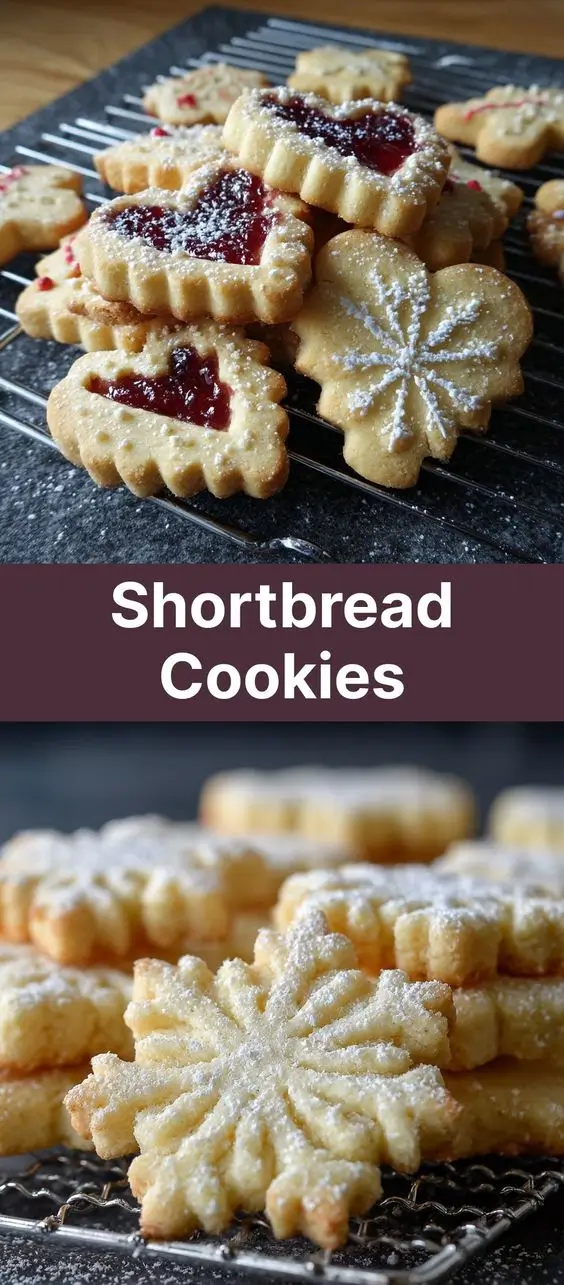
- Stamped/Molded: Roll dough to 1/2-inch thickness and cut using cookie cutters. Use a fork or embosser to create traditional designs.
- Chill (Optional but Recommended): For cleaner edges and reduced spreading, refrigerate shaped dough for 20–30 minutes before baking.
- Bake: Arrange cookies on the prepared baking sheet, leaving about 1 inch between them. Bake for 18–22 minutes, rotating the tray halfway through, until the edges are just beginning to turn golden. The centers should remain pale—overbaking leads to crispness rather than tenderness.
- Cool and Finish: Remove from the oven and let cool on the baking sheet for 5 minutes. If you scored petticoat tails, cut along the lines while still warm. Sprinkle lightly with coarse sugar if desired. Transfer to a wire rack to cool completely.
Tips
- Use Room-Temperature Butter: This ensures even creaming and prevents lumps. Test by pressing your finger into the stick—it should indent easily without melting.
- Avoid Overmixing: Once flour is added, mix only until incorporated. Gluten development = toughness.
- Chill Before Baking: Especially important when making cut-out or rolled cookies. Cold dough holds shape better.
- Low and Slow Baking: A lower oven temperature preserves the pale color and delicate texture. High heat causes excessive browning and drying.
- Don’t Skip the Rest: Letting the dough rest—even briefly—allows hydration to distribute evenly, improving workability.
- Uniform Thickness: Use spacers or rolling pin rings to ensure consistent thickness for even baking.
- Watch Closely Near End: Shortbread goes from perfect to overdone quickly. Look for subtle golden edges as your cue.
- Invest in Quality Tools: A good stand mixer, silicone mat, and accurate oven thermometer improve consistency.
Variations and Customizations
While traditional shortbread shines in its purity, creative adaptations allow for endless personalization:
- Lemon Zest Shortbread: Add 1–2 teaspoons of finely grated lemon zest for a bright, citrusy twist.
- Chocolate-Dipped Shortbread: After cooling, dip half of each cookie in melted dark, milk, or white chocolate. Drizzle with contrasting chocolate for decoration.
- Nutty Shortbread: Fold in 1/2 cup finely chopped toasted almonds, pecans, or hazelnuts for added crunch and flavor.
- Spiced Shortbread: Incorporate 1/2 teaspoon ground cinnamon, nutmeg, or cardamom for a warm, festive touch.
- Earl Grey Infused: Steep 1–2 teaspoons of loose Earl Grey tea in melted butter, strain, then proceed with recipe for a floral note.
- Gluten-Free Shortbread: Substitute all-purpose flour with a 1:1 gluten-free blend containing xanthan gum, or use a mix of rice flour and cornstarch.
- Decorative Cut-Outs: Use seasonal cookie cutters (stars, hearts, trees) and decorate with edible gold dust or colored sugar before baking.
- Marbled Shortbread: Combine plain dough with cocoa powder-enriched dough, twist together, and slice for a stunning marbled effect.
- Herbed Shortbread: For savory-leaning versions, try rosemary, thyme, or lavender (use sparingly—1/2 tsp max).
- Mini Tartlets: Press dough into mini muffin tins to create shells for fruit fillings or whipped cream toppings.
Health Considerations and Nutritional Value
Shortbread cookies are undeniably indulgent and best enjoyed in moderation. Here’s a breakdown per typical serving (one 2-inch round cookie, ~30g):
- Calories: Approximately 130–150 kcal
- Total Fat: 9–11g (mostly saturated from butter)
- Carbohydrates: 12–15g (including 5–7g sugar)
- Protein: 1–2g
- Sodium: 30–60mg (depending on salt content)
- Fiber: Minimal (unless whole wheat flour is used)
From a dietary perspective, shortbread is naturally free of common allergens like eggs and nuts (unless added), but it does contain dairy and gluten. For those managing lactose intolerance, clarified butter (ghee) can sometimes be substituted, though results may vary in texture. Vegans can experiment with plant-based butter alternatives, though the flavor and mouthfeel will differ.
To make a slightly healthier version:
- Reduce sugar by 10–20% without compromising structure.
- Replace 25% of the flour with oat flour or almond flour for added nutrients and fiber.
- Use coconut sugar for a lower glycemic index (though it affects color and taste).
- Bake smaller portions to encourage mindful eating.
Due to their high fat and low moisture content, shortbread cookies have excellent shelf stability but are calorie-dense. They are not suitable for low-fat, keto, or diabetic diets unless significantly modified.
Ingredients
- 1 cup (2 sticks / 226g) unsalted butter, softened
- 1/2 cup (100g) granulated sugar or caster sugar
- 2 cups (250g) all-purpose flour
- 1/4 teaspoon fine sea salt (optional)
- 1 teaspoon pure vanilla extract (optional)
- Extra sugar for topping (optional)
Directions
- Preheat oven to 325°F (160°C). Line a baking sheet with parchment paper.
- In a large bowl, cream together butter and sugar until light and fluffy (3–4 minutes).
- Mix in vanilla and salt.
- Gradually add flour, mixing on low until just combined.
- Shape dough into a disc, then roll out or form into logs/fingers as desired.
- Chill for 20–30 minutes (optional but recommended).
- Cut into shapes and place on baking sheet.
- Bake for 18–22 minutes, until edges are lightly golden.
- Cool on tray for 5 minutes, then transfer to wire rack.
- Sprinkle with sugar if desired and cool completely before storing.
FAQ
Why is my shortbread too crumbly?
A certain level of crumbliness is normal due to the high butter content. However, if it’s falling apart excessively, the dough may have been overworked or chilled too long. Try warming slightly in hands before shaping, or adding a teaspoon of ice water next time.
Can I freeze shortbread dough?
Yes! Wrap tightly in plastic and freeze for up to 3 months. Thaw overnight in the refrigerator before baking.
How long do shortbread cookies last?
Stored in an airtight container at room temperature, they stay fresh for 2–3 weeks. In humid climates, they may soften; add a piece of parchment between layers.
Can I make shortbread without a mixer?
Absolutely. Use a wooden spoon and your hands to blend the butter and sugar, then knead in the flour gently until the dough forms. It requires more effort but works well.
Why didn’t my shortbread hold its shape?
This usually happens if the butter was too soft or melted, or if the dough wasn’t chilled before baking. Always keep ingredients cool and handle minimally.
Can I double the recipe?
Yes, shortbread scales well. Just ensure your mixer can handle the volume, and consider baking in batches to maintain oven temperature.
Is shortbread the same as sugar cookies?
No. Sugar cookies typically contain eggs and leavening agents, resulting in a softer, puffier texture. Shortbread is denser, richer, and has a sandy mouthfeel due to higher butter content and lack of leaveners.
What’s the best way to store baked shortbread?
In an airtight tin or container at room temperature, away from strong odors. Avoid refrigeration, which can cause condensation and sogginess.
Can I use salted butter?
You can, but it’s harder to control salt levels. If using salted butter, omit added salt and taste-test the dough before proceeding.
Why are my cookies greasy?
Excess grease may result from over-creaming the butter or using butter with a low smoke point. Ensure butter is softened—not melted—and avoid overheating during baking.
Summary
Shortbread cookies are a beloved classic combining buttery richness with a delicate, crumbly texture, rooted deeply in Scottish tradition and perfected through centuries of refinement.
With just a few high-quality ingredients and careful technique, anyone can create these elegant treats at home, customizing them with flavors, shapes, and finishes to suit any occasion.