Introduction
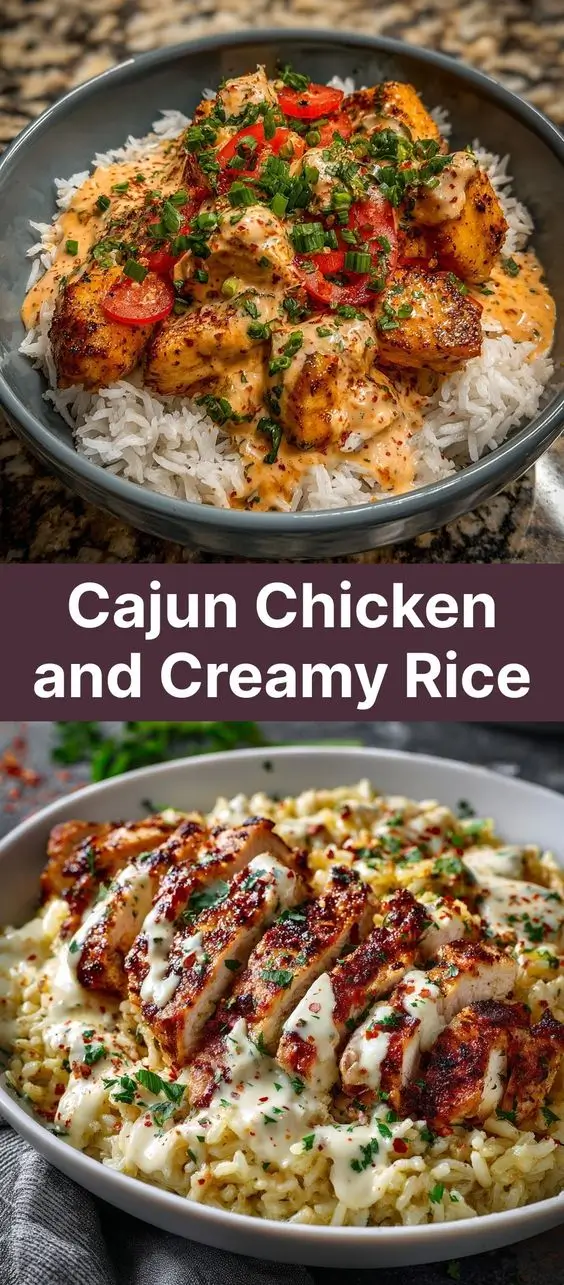
Cajun Chicken and Creamy Rice is a rich, flavorful dish that brings the bold essence of Southern Louisiana cuisine straight to your dinner table. Known for its spicy kick, aromatic seasonings, and velvety texture, this one-pan wonder combines tender pieces of seasoned chicken with perfectly cooked rice in a creamy, savory sauce. Whether you’re cooking for a family dinner or hosting a casual get-together, this dish delivers comfort, warmth, and a taste of Creole-inspired culinary magic. Its harmonious blend of heat, herbs, and creaminess makes it a standout recipe that’s both satisfying and surprisingly easy to prepare.
What sets Cajun Chicken and Creamy Rice apart from other comfort meals is its deep-rooted cultural heritage and robust flavor profile. Unlike milder American dishes, Cajun cooking embraces intensity—using a medley of spices, slow-simmered aromatics, and high-fat ingredients like butter and cream to build layers of taste. This particular recipe balances those bold elements with the soothing creaminess of rice, creating a comforting contrast that appeals to spice lovers and newcomers alike. It’s the kind of meal that fills your kitchen with an irresistible aroma and leaves everyone asking for seconds.
Perfect for weeknights yet impressive enough for weekend entertaining, Cajun Chicken and Creamy Rice is also highly adaptable. You can tweak the spice level, swap proteins, add vegetables, or make it dairy-free—all while preserving its soulful character. In the following sections, we’ll explore everything from the history behind the dish to step-by-step instructions, nutritional insights, and creative variations so you can master this Southern classic in your own kitchen.
The History
The origins of Cajun Chicken and Creamy Rice trace back to the Acadian people—French colonists who settled in what is now Nova Scotia, Canada, during the 17th and early 18th centuries. After being expelled by the British during the Great Upheaval (Le Grand Dérangement) in the mid-1700s, many Acadians migrated to southern Louisiana, where their culinary traditions merged with local ingredients and influences from Spanish, African, Native American, and Caribbean cultures. Over time, this fusion evolved into what we now recognize as Cajun and Creole cuisine.
While Creole cooking tends to be more refined and urban (think New Orleans-style sauces and tomatoes), Cajun food is rustic, hearty, and born out of rural life in the Louisiana bayous. Traditionally, Cajun meals were cooked in cast-iron pots over open flames and relied heavily on the “holy trinity” of onions, bell peppers, and celery, along with generous use of smoked meats, seafood, and hand-blended spices. The term “Cajun” itself is a corruption of “Acadian,” reflecting the linguistic evolution of the displaced French settlers.
Chicken, though not originally central to early Cajun diets (which emphasized game, crawfish, and pork), became increasingly popular as farming practices evolved. Dishes like Chicken Étouffée and Cajun Chicken Stew laid the groundwork for modern adaptations such as Cajun Chicken and Creamy Rice. The addition of creamy rice—often made with heavy cream, butter, and cheddar or parmesan—is a more contemporary twist, influenced by Americanized Southern cooking and the popularity of comfort foods in the 20th century.
The spice blend known as “Cajun seasoning” emerged commercially in the mid-1900s but is rooted in traditional home mixes using paprika, garlic powder, onion powder, black pepper, cayenne, oregano, and thyme. These spices were used not only for flavor but also as preservatives in the days before refrigeration. Today, the dish symbolizes resilience, cultural blending, and the ingenuity of a community that transformed hardship into a vibrant culinary legacy.
In recent decades, Cajun Chicken and Creamy Rice has gained national attention through food blogs, cooking shows, and restaurant menus across the U.S. Its appeal lies in its boldness, simplicity, and adaptability—making it a staple in many American households seeking restaurant-quality flavor without complicated techniques. Understanding its history adds depth to every bite, connecting diners to generations of tradition, migration, and innovation.
Ingredients Breakdown
To achieve the authentic, layered flavors of Cajun Chicken and Creamy Rice, each ingredient plays a crucial role—from the protein base to the aromatic vegetables and signature spice blend. Below is a detailed breakdown of every component and why it matters:
- Chicken Breast or Thighs (1.5 lbs): Boneless, skinless chicken breasts are commonly used for their lean texture and ability to absorb seasoning well. However, thighs offer richer flavor and stay juicier during cooking due to higher fat content. Cut into bite-sized cubes for even cooking and maximum surface area to soak up the sauce.
- Cajun Seasoning (2–3 tbsp): This proprietary blend varies by brand but typically includes paprika, garlic powder, onion powder, black pepper, cayenne pepper, dried oregano, thyme, and salt. It provides the dish’s signature heat and earthy depth. Homemade blends allow control over sodium and spiciness.
- Butter (3 tbsp): Unsalted butter adds richness and helps sauté the chicken and vegetables while enhancing mouthfeel. It also carries fat-soluble flavor compounds from the spices, intensifying overall taste.
- Olive Oil (1 tbsp): Used in combination with butter to prevent burning at high temperatures. Olive oil raises the smoke point and contributes a subtle fruitiness.
- Yellow Onion (1 medium, diced): A foundational aromatic that brings sweetness and complexity when caramelized. Essential to the “holy trinity” of Cajun cooking.
- Green Bell Pepper (1, diced): Adds brightness and crunch, balancing the heat and creaminess. Part of the holy trinity; red or yellow peppers can be substituted for sweeter notes.
- Celery (2 stalks, diced): Completes the holy trinity with its slightly bitter, herbal note that grounds the dish’s flavor profile.
- Garlic (4 cloves, minced): Provides pungent aroma and umami depth. Freshly minced garlic is superior to pre-minced for optimal flavor release.
- Long-Grain White Rice (1 cup): Preferred for its fluffy texture and ability to absorb liquid without becoming mushy. Basmati or jasmine rice can be used for a fragrant alternative.
- Chicken Broth (2 cups): Forms the cooking liquid for the rice and infuses it with savory flavor. Low-sodium broth allows better control over salt levels.
- Heavy Cream (1 cup): The key to the “creamy” element, giving the dish a luxurious, velvety consistency. Can be substituted with half-and-half or full-fat coconut milk for lighter or dairy-free versions.
- Shredded Cheddar Cheese (1 cup): Melts into the sauce for tang and richness. Sharp cheddar enhances flavor, but Monterey Jack or pepper jack can be used for milder or spicier results.
- Smoked Paprika (1 tsp): Enhances smokiness and complements the Cajun seasoning. Not essential but adds dimension.
- Dried Thyme (½ tsp): Earthy herb that pairs beautifully with poultry and mimics traditional Cajun herb usage.
- Salt and Black Pepper (to taste): Adjust after adding broth and seasoning, as Cajun blends often contain salt.
- Fresh Parsley (¼ cup, chopped): Used as a garnish to add color and a fresh, clean finish that cuts through the richness.
- Lemon Wedges (optional): Serve on the side to brighten flavors with acidity, especially helpful if the dish feels too heavy.
Optional additions include diced tomatoes (canned or fresh), green onions, mushrooms, spinach, or cooked andouille sausage for a meatier version. Every ingredient works synergistically to create a balanced, deeply flavored meal that honors its roots while embracing modern tastes.
Step-by-Step Recipe
Follow these detailed steps to prepare a delicious, restaurant-quality Cajun Chicken and Creamy Rice that’s golden on the outside, tender within, and luxuriously creamy throughout.
- Prepare Ingredients: Dice the onion, bell pepper, and celery into uniform small pieces (about ¼ inch). Mince the garlic. Cut the chicken into 1-inch cubes. Measure out all spices, broth, cream, and cheese ahead of time for smooth execution.
- Season the Chicken: Place chicken pieces in a bowl and toss generously with 2 tablespoons of Cajun seasoning (use 3 if you prefer extra spicy). Let sit for 10–15 minutes at room temperature to allow flavors to penetrate.
- Sear the Chicken: Heat 2 tablespoons of butter and 1 tablespoon of olive oil in a large, deep skillet or Dutch oven over medium-high heat. Once hot, add the chicken in a single layer (work in batches if needed to avoid overcrowding). Cook for 3–4 minutes per side until golden brown but not fully cooked through. Remove chicken and set aside.
- Sauté the Aromatics: In the same pan, reduce heat to medium. Add the remaining 1 tablespoon of butter. Add the diced onion, bell pepper, and celery. Cook, stirring occasionally, for 6–8 minutes until softened and lightly caramelized.
- Add Garlic and Spices: Stir in the minced garlic, dried thyme, and smoked paprika. Cook for 30–60 seconds until fragrant, taking care not to burn the garlic.
- Toast the Rice: Add the uncooked rice to the vegetable mixture. Stir constantly for 2 minutes to toast the grains, which helps them remain separate and absorb liquid better.
- Pour in Liquids: Slowly pour in the chicken broth, scraping the bottom of the pan to deglaze and lift any flavorful browned bits (fond). Stir in the heavy cream and bring the mixture to a gentle boil.
- Simmer with Chicken: Return the seared chicken (and any accumulated juices) to the pot. Stir well, reduce heat to low, cover tightly with a lid, and simmer for 18–20 minutes, or until the rice is tender and liquid is mostly absorbed.
- Melt in Cheese: Once the rice is cooked, remove from heat. Stir in shredded cheddar cheese until fully melted and incorporated. Taste and adjust seasoning with additional salt, pepper, or Cajun spice as needed.
- Rest and Garnish: Let the dish rest, covered, for 5 minutes to allow flavors to meld and sauce to thicken. Fluff gently with a fork, then top with freshly chopped parsley and optional lemon wedges.
- Serve Warm: Spoon into bowls and serve immediately while hot and creamy. Pair with crusty bread, a simple green salad, or steamed vegetables for a complete meal.
Tips
- Don’t Skip the Toast: Toasting the rice before adding liquids enhances nuttiness and prevents mushiness—a small step that makes a big difference.
- Use a Tight-Fitting Lid: Trapping steam ensures even rice cooking. If your lid is loose, place a sheet of aluminum foil under it for a better seal.
- Avoid Stirring During Simmer: Once covered, refrain from lifting the lid or stirring, which releases steam and disrupts even cooking.
- Brown, Don’t Burn: Aim for a golden sear on the chicken, not charred. Burnt bits can make the sauce bitter.
- Control Creaminess: For a thicker sauce, let the dish rest longer after adding cheese. For thinner consistency, stir in a splash of warm broth or cream before serving.
- Boost Flavor: Use homemade Cajun seasoning for fresher taste. Add a dash of Worcestershire sauce or hot sauce (like Tabasco) for extra umami and heat.
- Prevent Curdling: If substituting with lower-fat dairy, warm the cream slightly before adding to avoid separation. Avoid boiling vigorously after adding dairy.
- Make Ahead Tip: You can prep ingredients (chop veggies, season chicken) up to a day in advance. Store separately in the fridge.
- Leftovers: Reheat gently on the stove with a splash of broth to restore creaminess. Microwave reheating may result in uneven texture.
- Double the Batch: This dish freezes well for up to 3 months. Freeze in portioned containers and thaw overnight before reheating.
Variations and Customizations
Cajun Chicken and Creamy Rice is incredibly versatile. Here are numerous ways to personalize it based on dietary needs, flavor preferences, or ingredient availability:
- Spice Level Adjustments: Reduce cayenne in the seasoning or omit it entirely for mild flavor. For extreme heat, add sliced jalapeños, crushed red pepper flakes, or a spoonful of Cajun hot sauce.
- Protein Swaps: Replace chicken with shrimp (add in the last 5 minutes), sausage (such as andouille), crawfish, tofu (for vegetarian), or even flaked white fish like cod.
- Dairy-Free Version: Substitute butter with vegan butter or olive oil, heavy cream with full-fat coconut milk, and cheese with cashew cream or dairy-free shreds.
- Gluten-Free Option: Ensure your Cajun seasoning is gluten-free (some store-bought blends contain fillers). The rest of the recipe is naturally gluten-free.
- Vegetable-Packed: Stir in spinach, kale, zucchini, mushrooms, corn, or peas during the last few minutes of cooking for added nutrition and color.
- Low-Carb/Keto Adaptation: Replace rice with cauliflower rice. Sauté it separately and fold in at the end after melting in cheese and cream.
- Creamier Texture: Blend ½ cup of the finished dish and mix it back in, or stir in cream cheese (4 oz) with the cheddar for extra silkiness.
- Tomato-Based Twist: Add ½ cup of crushed tomatoes or tomato paste for a Creole-style variation with deeper color and tang.
- Smoky Depth: Include ½ teaspoon of liquid smoke or diced smoked ham for a campfire-like flavor.
- Herb Variations: Swap parsley for cilantro, green onions, or chives. Add a bay leaf during simmering (remove before serving).
- Cheese Options: Try Gouda, fontina, or Parmesan instead of cheddar for different flavor profiles.
- One-Pot Skillet to Oven: Transfer the skillet to a 375°F oven after bringing to a boil, covering with foil, and baking for 20 minutes for even heat distribution.
You can also turn leftovers into stuffed bell peppers, casseroles, or creamy sandwiches on toasted baguettes. The possibilities are nearly endless.
Health Considerations and Nutritional Value
While Cajun Chicken and Creamy Rice is undeniably indulgent, understanding its nutritional composition helps you enjoy it mindfully and make healthier adjustments when needed.
Nutritional Profile (Per Serving, Approx. 1.5 cups, serves 4):
- Calories: ~550–650 kcal
- Protein: 35–40g (from chicken and dairy)
- Fat: 30–35g (majority from saturated fat in cream and cheese)
- Carbohydrates: 35–40g (primarily from rice)
- Fiber: 2–3g
- Sodium: 800–1200mg (highly dependent on seasoning and broth)
- Calcium: 20% DV (from cheese and dairy)
- Vitamin A & C: Moderate (from vegetables)
- Iron and B Vitamins: Present from chicken and fortified rice
Health Benefits:
- High-quality protein supports muscle repair and satiety.
- Vegetables provide antioxidants, fiber, and phytonutrients.
- Spices like cayenne may boost metabolism and have anti-inflammatory properties.
Considerations:
- High in Saturated Fat: Heavy cream and cheese contribute significantly. Opt for reduced-fat dairy or plant-based alternatives to lower this.
- Sodium Content: Can be excessive, especially with store-bought seasoning. Use low-sodium broth and make your own spice blend to control intake.
- Refined Carbs: White rice has a high glycemic index. Substitute with brown rice, quinoa, or cauliflower rice for more fiber and stable blood sugar.
- Lactose Intolerance: May cause discomfort. Choose lactose-free products or dairy substitutes.
This dish fits best in a balanced diet when enjoyed occasionally or modified for health goals. Pairing it with a side salad or steamed greens increases nutrient density and volume without excess calories.
Ingredients
- 1.5 lbs boneless, skinless chicken breasts or thighs, cubed
- 2–3 tbsp Cajun seasoning (store-bought or homemade)
- 3 tbsp unsalted butter
- 1 tbsp olive oil
- 1 medium yellow onion, diced
- 1 green bell pepper, diced
- 2 celery stalks, diced
- 4 cloves garlic, minced
- 1 cup long-grain white rice
- 2 cups low-sodium chicken broth
- 1 cup heavy cream
- 1 cup shredded sharp cheddar cheese
- 1 tsp smoked paprika
- ½ tsp dried thyme
- Salt and black pepper to taste
- ¼ cup fresh parsley, chopped
- Lemon wedges, for serving (optional)
Directions
- In a bowl, toss cubed chicken with 2–3 tablespoons of Cajun seasoning. Let marinate for 10–15 minutes.
- Heat 2 tablespoons butter and olive oil in a large skillet or Dutch oven over medium-high heat. Add chicken in a single layer and sear until golden on both sides, about 3–4 minutes per side. Remove and set aside.
- Reduce heat to medium. Add remaining 1 tablespoon butter. Stir in onion, bell pepper, and celery. Cook for 6–8 minutes until soft.
- Add garlic, dried thyme, and smoked paprika. Cook for 30 seconds until fragrant.
- Stir in rice and toast for 2 minutes, stirring frequently.
- Pour in chicken broth and heavy cream. Bring to a boil, scraping the bottom of the pan.
- Return chicken to the skillet. Stir, then cover and reduce heat to low. Simmer for 18–20 minutes, or until rice is tender and liquid is absorbed.
- Remove from heat. Stir in cheddar cheese until melted. Season with salt, pepper, or extra Cajun spice if desired.
- Let rest, covered, for 5 minutes. Fluff with a fork, garnish with parsley, and serve with lemon wedges.
FAQ
Can I use frozen chicken?
It’s best to use thawed chicken for even cooking and proper browning. Cooking from frozen may result in uneven texture and watery sauce.
Can I make this in a slow cooker?
Yes! Sear the chicken first, then add all ingredients except cheese and cream. Cook on low for 6 hours or high for 3–4. Stir in cream and cheese during the last 30 minutes.
Why is my rice mushy?
Over-stirring, too much liquid, or overcooking can cause mushiness. Stick to the recommended ratios and avoid lifting the lid during simmering.
Can I freeze leftovers?
Absolutely. Cool completely, store in airtight containers, and freeze for up to 3 months. Thaw overnight and reheat gently with broth.
Is this dish spicy?
It depends on your seasoning. Most blends are moderately spicy. Adjust cayenne or use a mild version for kids or sensitive palates.
Can I use instant rice?
No—instant rice won’t absorb liquid properly and will turn gummy. Stick to long-grain or parboiled rice.
How do I reheat without drying out?
Reheat on the stovetop over low heat with a splash of broth or cream, stirring gently until warmed through.
Can I make it creamy without cheese?
Yes. Use cream cheese, sour cream, or a roux-based sauce (butter + flour + milk) to mimic creaminess.
What wine pairs well?
A crisp white like Sauvignon Blanc or unoaked Chardonnay balances the richness. For red lovers, choose a light Pinot Noir.
Can I add tomatoes?
Yes! Add ½ cup diced tomatoes or tomato paste for a Creole twist. Drain excess liquid if needed.
Summary (in two lines)
Cajun Chicken and Creamy Rice is a bold, comforting dish that fuses spicy, smoky chicken with rich, cheesy rice in a single skillet. Heirloom flavors meet modern convenience, making it a must-try for fans of Southern and Creole-inspired cuisine.