Introduction
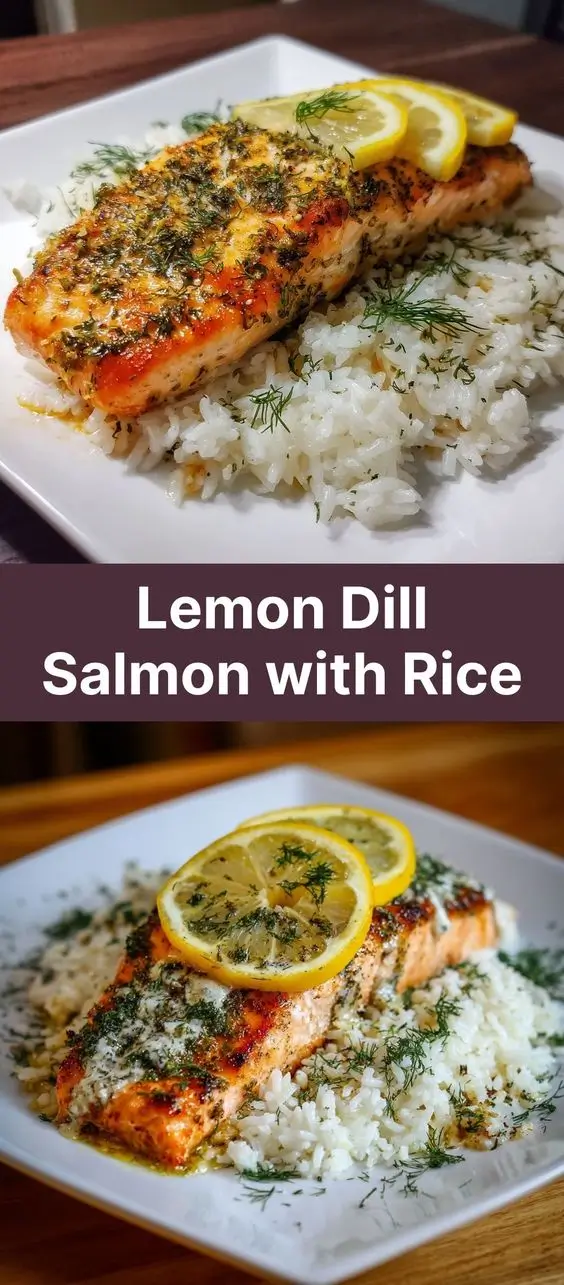
Lemon Dill Salmon with Rice is a vibrant, wholesome dish that brings together the rich flavor of salmon with the bright zest of lemon and the aromatic freshness of dill. Perfect for both weeknight dinners and elegant weekend meals, this recipe strikes an ideal balance between simplicity and gourmet appeal. Whether you’re cooking for one or serving a family, this meal offers a satisfying blend of protein, healthy fats, and complex carbohydrates to fuel your body and delight your taste buds.
The combination of flaky salmon fillets, fluffy rice, and a zesty lemon-dill sauce creates a culinary experience that feels both comforting and refined. With its Mediterranean-inspired flavors and clean ingredients, it’s no wonder this dish has become a favorite among health-conscious eaters, seafood lovers, and home chefs alike. In this comprehensive guide, we’ll explore everything you need to know about making the perfect Lemon Dill Salmon with Rice — from its historical roots to detailed cooking instructions, nutritional benefits, and creative variations.
The History
While Lemon Dill Salmon with Rice as we know it today may not have ancient origins, its components are deeply rooted in culinary traditions across Northern Europe, the Mediterranean, and Scandinavia. Salmon has long been a staple in Nordic diets, particularly in countries like Norway, Sweden, and Iceland, where cold, clean waters produce some of the world’s finest wild and farmed salmon. These cultures have historically preserved and prepared salmon using salt, smoke, and fresh herbs such as dill — a tradition that continues to influence modern recipes.
Dill, known scientifically as Anethum graveolens, has been used for centuries not only as a culinary herb but also for its medicinal properties. Ancient Egyptians used dill as a digestive aid, while Greeks and Romans valued it for its soothing aroma and ability to enhance flavor without overpowering delicate dishes. The pairing of dill with fish, especially salmon, became widespread in Eastern European and Scandinavian cuisines, where fresh herbs were essential during short growing seasons.
Lemons, originally native to Southeast Asia, made their way into European cooking through trade routes during the Roman Empire and later flourished in Mediterranean regions. The acidic brightness of lemon juice complements fatty fish like salmon by cutting through richness and enhancing natural flavors. Over time, the union of lemon and dill with salmon evolved into a classic flavor profile celebrated globally.
Rice, although not traditionally central to Nordic diets, gained popularity worldwide as global trade expanded. Its integration into this dish reflects modern fusion cooking — combining the heartiness of rice (common in Middle Eastern, Asian, and Southern European tables) with the coastal flavors of Northern Europe. Today, Lemon Dill Salmon with Rice represents a harmonious blend of old-world techniques and contemporary dietary preferences, symbolizing how food evolves through cultural exchange.
Ingredients Breakdown
To achieve the best possible results when preparing Lemon Dill Salmon with Rice, it’s crucial to understand each ingredient’s role in building flavor, texture, and nutrition. Here’s a detailed breakdown:
- Fresh Salmon Fillets: Look for center-cut, skin-on fillets weighing about 6–8 ounces each. Wild-caught Pacific salmon (such as sockeye or coho) offers richer flavor and higher omega-3 content than farmed Atlantic salmon, though both work well. The natural oils in salmon help retain moisture during cooking and carry the flavors of lemon and dill beautifully.
- Fresh Lemons: You’ll need both lemon zest and freshly squeezed juice. Zest contains aromatic essential oils that intensify flavor, while the juice adds acidity, helping to “cook” the surface slightly and lift other ingredients. Always use organic lemons if zesting to avoid pesticides.
- Fresh Dill: Fresh dill fronds provide a grassy, slightly sweet-anise flavor that pairs perfectly with fish. Avoid dried dill if possible, as it lacks the vibrancy and subtle nuances of fresh. Chop just before adding to preserve aroma.
- Olive Oil: Extra virgin olive oil serves multiple purposes — searing the salmon, creating a silky sauce base, and contributing heart-healthy monounsaturated fats. Choose a high-quality brand with a fruity, peppery note.
- Garlic: Minced fresh garlic adds depth and savory umami. Roasting or sautéing mellows its sharpness and blends seamlessly into the sauce.
- Shallots or Red Onion: Finely diced shallots offer a mild sweetness and gentle bite, enhancing the sauce without overwhelming the delicate fish.
- Chicken or Vegetable Broth: Used to cook the rice, broth infuses grains with savory notes compared to plain water. Low-sodium versions allow better control over salt levels.
- Brown or White Rice: Brown rice provides more fiber and nutrients, while white rice (especially basmati or jasmine) offers a lighter, fluffier texture. Adjust cooking times accordingly.
- Salt and Black Pepper: Essential seasonings that enhance all components. Use kosher salt for even distribution and freshly ground black pepper for maximum aroma.
- Butter (optional): A small amount of unsalted butter stirred into the finished sauce adds richness and gloss, creating a restaurant-quality finish.
- Lemon Slices (for garnish): Thinly sliced lemons add visual appeal and can be lightly grilled alongside the salmon for extra flavor.
- Paprika or Red Pepper Flakes (optional): For a hint of warmth, a pinch of smoked paprika or red pepper flakes can elevate the complexity of the dish.
Step-by-Step Recipe
Follow these detailed steps to prepare a flawless Lemon Dill Salmon with Rice that impresses every time:
- Prepare the Rice: Rinse 1 cup of rice under cold water until the water runs clear (especially important for white rice to remove excess starch). In a medium saucepan, combine the rice with 2 cups of low-sodium chicken or vegetable broth. Bring to a boil, then reduce heat to low, cover, and simmer for 18–20 minutes (white rice) or 40–45 minutes (brown rice). Once cooked, remove from heat, fluff with a fork, cover, and let rest for 5–10 minutes. Stir in 1 tablespoon of chopped dill and a drizzle of olive oil. Keep warm.
- Preheat the Oven and Prepare the Salmon: Preheat your oven to 375°F (190°C). Line a baking sheet with parchment paper or lightly grease it with olive oil. Pat the salmon fillets dry with paper towels — this ensures proper browning. Place them skin-side down on the baking sheet.
- Season the Salmon: Drizzle the fillets with 1 tablespoon of olive oil. Season both sides generously with salt and freshly ground black pepper. Sprinkle a pinch of garlic powder or minced fresh garlic on top for added depth.
- Create the Lemon-Dill Sauce Base: In a small bowl, mix together the zest of one lemon, 2 tablespoons of freshly squeezed lemon juice, 1 tablespoon of olive oil, 1 teaspoon of Dijon mustard (optional, for emulsification), 1 minced garlic clove, and 1 tablespoon of finely chopped fresh dill. Set aside.
- Roast the Salmon: Pour half of the lemon-dill mixture evenly over the salmon fillets. Reserve the other half for finishing. Bake for 12–15 minutes, depending on thickness, until the internal temperature reaches 125–130°F (52–54°C). The salmon should be opaque and flake easily with a fork but still remain moist.
- Rest the Fish: Remove the salmon from the oven and let it rest for 5 minutes. This allows juices to redistribute and prevents the fish from drying out when plated.
- Prepare the Final Sauce (Optional Pan Sauce): While the salmon rests, you can make a quick pan sauce. Heat a skillet over medium heat, add 1 teaspoon of olive oil, and sauté 2 tablespoons of finely diced shallot until soft (about 2 minutes). Add the remaining lemon-dill mixture, ¼ cup of broth, and a small knob of butter. Simmer for 3–4 minutes until slightly reduced and glossy.
- Assemble the Dish: Spoon a generous portion of warm dill-infused rice onto each plate. Top with a salmon fillet, skin side up. Drizzle with the warm lemon-dill sauce. Garnish with additional chopped dill, lemon slices, and a sprinkle of lemon zest for brightness.
- Serve Immediately: This dish is best enjoyed hot, right after preparation to preserve the flakiness of the salmon and the fragrance of the herbs.
Tips
- Choose High-Quality Salmon: Opt for sustainably sourced, wild-caught salmon if possible. Look for firm flesh with a bright color and fresh ocean smell — never fishy.
- Don’t Overcook the Salmon: Salmon continues to cook slightly after removal from heat due to residual warmth. Pull it out just before it reaches desired doneness.
- Use Fresh Herbs: Dill loses potency quickly. Buy it fresh, store it wrapped in a damp paper towel in the fridge, and use within 3–4 days.
- Enhance Flavor with Brining (Optional):strong> For extra moisture and flavor, brine the salmon in a solution of 1 quart water, ¼ cup salt, and 2 tablespoons sugar for 15–30 minutes before cooking. Rinse and pat dry afterward.
- Add Color and Texture: Top with capers, Kalamata olives, or cherry tomatoes for a burst of color and tang.
- Cook Rice Ahead: Prepare rice earlier in the day and reheat gently with a splash of broth or water to save time during dinner prep.
- Grill Option: For a smoky twist, grill the salmon over indirect heat for 6–8 minutes per side, basting frequently with the lemon-dill mixture.
- Oil the Skin: Lightly oiling the skin helps it crisp up in the oven or on the grill, providing a delightful textural contrast.
Variations and Customizations
This versatile dish lends itself to numerous adaptations based on dietary needs, flavor preferences, and seasonal ingredients:
- Dairy-Free Version: Skip the butter in the sauce and use only olive oil for a fully dairy-free preparation.
- Gluten-Free Friendly: Naturally gluten-free as written — just ensure your broth is certified GF.
- Creamy Lemon-Dill Sauce: Stir in 2–3 tablespoons of Greek yogurt or coconut milk at the end for a creamy, luscious sauce.
- Quinoa or Cauliflower Rice Alternative: Replace traditional rice with quinoa for added protein or riced cauliflower for a low-carb, keto-friendly option.
- Herb Swaps: Substitute dill with parsley, chives, tarragon, or basil for different flavor profiles.
- Asian-Inspired Twist: Add ginger, soy sauce, and sesame oil to the marinade, and serve over jasmine rice with a sprinkle of sesame seeds.
- Mediterranean Style: Include olives, sun-dried tomatoes, artichoke hearts, and feta cheese for a bold, briny flair.
- Spicy Kick: Add a pinch of cayenne, crushed red pepper, or harissa paste to the sauce for heat lovers.
- Smoked Salmon Option: Use cold-smoked salmon as a topping over warm rice and poached eggs for a luxurious brunch version.
- Sheet Pan Meal: Arrange salmon on a sheet pan with sliced vegetables (asparagus, zucchini, bell peppers), toss with olive oil, lemon, and dill, and roast together for easy cleanup.
Health Considerations and Nutritional Value
Lemon Dill Salmon with Rice isn’t just delicious — it’s also packed with essential nutrients that support overall health:
- Rich in Omega-3 Fatty Acids: Salmon is one of the best sources of EPA and DHA, which promote heart health, reduce inflammation, and support brain function.
- High-Quality Protein: Each 6-ounce fillet contains approximately 35–40 grams of complete protein, aiding muscle repair and satiety.
- Heart-Healthy Fats: Monounsaturated fats from olive oil contribute to healthy cholesterol levels and cardiovascular wellness.
- Fiber and Complex Carbohydrates: When using brown rice, you get around 3–4 grams of fiber per serving, supporting digestion and stable blood sugar.
- Vitamin D and B12: Salmon is naturally rich in vitamin D (important for immunity and bone health) and vitamin B12 (crucial for nerve function).
- Antioxidants from Lemon and Herbs: Vitamin C in lemon boosts iron absorption and immune response, while dill contains flavonoids with anti-inflammatory properties.
- Low in Saturated Fat: Compared to red meat, this dish is significantly lower in saturated fat, making it suitable for heart-healthy diets.
- Calorie-Controlled: A typical serving (salmon + ¾ cup rice + sauce) ranges from 450–550 calories, ideal for balanced weight management plans.
Dietary Notes:
- Pescatarian: Fully compliant.
- Keto/Low-Carb: Use cauliflower rice instead of grain-based rice.
- Diabetic-Friendly: Monitor portion sizes of rice; pair with non-starchy vegetables to manage glycemic load.
- Pregnancy-Safe: Salmon is safe and recommended during pregnancy (limit to 2–3 servings/week); ensure it’s fully cooked to 145°F (63°C).
Ingredients
- 4 salmon fillets (6 oz each), skin-on, pin bones removed
- 1 cup uncooked brown or white rice (basmati, jasmine, or long-grain)
- 2 cups low-sodium chicken or vegetable broth
- Zest and juice of 1 large lemon (about 2 tbsp juice)
- 3 tablespoons extra virgin olive oil (divided)
- ¼ cup fresh dill, finely chopped (plus extra for garnish)
- 2 cloves garlic, minced
- 1 small shallot, finely diced (optional)
- ½ teaspoon sea salt (or to taste)
- Freshly ground black pepper, to taste
- 1 tablespoon unsalted butter (optional)
- 1 teaspoon Dijon mustard (optional, for sauce emulsification)
- Lemon slices, for garnish
Directions
- In a medium saucepan, bring 2 cups of broth to a boil. Add rice, reduce heat to low, cover, and simmer until tender — 18–20 minutes for white rice, 40–45 minutes for brown rice. Remove from heat, let sit covered for 10 minutes, then fluff with a fork. Stir in 1 tablespoon chopped dill and 1 teaspoon olive oil. Cover and keep warm.
- Preheat oven to 375°F (190°C). Line a baking sheet with parchment paper.
- Pat salmon fillets dry with paper towels and place skin-side down on the baking sheet.
- In a small bowl, whisk together lemon zest, lemon juice, 2 tablespoons olive oil, 1 tablespoon dill, minced garlic, salt, and pepper.
- Drizzle half of the lemon-dill mixture over the salmon fillets, reserving the rest.
- Bake salmon for 12–15 minutes, until fish flakes easily with a fork and internal temperature reaches 125–130°F (52–54°C).
- Remove salmon from oven and let rest for 5 minutes.
- Meanwhile, heat 1 teaspoon olive oil in a small skillet over medium heat. Sauté shallot until translucent (2–3 minutes). Add reserved lemon-dill mixture and ¼ cup broth. Simmer 3–4 minutes. Stir in butter (if using) until melted and glossy.
- To serve, divide rice among plates. Top with salmon. Drizzle with warm sauce. Garnish with lemon slices and fresh dill.
FAQ
Can I use frozen salmon?
Yes, but thaw it overnight in the refrigerator for best texture. Never cook frozen salmon directly unless specified in a recipe.
Is it safe to eat salmon rare?
Chefs sometimes serve medium-rare salmon (120°F), but the USDA recommends cooking to 145°F for safety. If using sushi-grade salmon and consuming immediately, lower temps are acceptable for healthy individuals.
How do I store leftovers?
Store in an airtight container in the refrigerator for up to 3 days. Reheat gently in the oven or microwave, adding a splash of water to prevent drying.
Can I make this ahead of time?
You can cook the rice and prepare the sauce base in advance. Assemble and bake the salmon just before serving for optimal texture.
Why is my salmon mushy?
This usually happens if the salmon was previously frozen and not properly thawed, or if it’s over-marinated in acidic ingredients like lemon juice for too long (more than 30 minutes).
What sides go well with Lemon Dill Salmon?
Try steamed asparagus, roasted broccoli, sautéed green beans, or a simple arugula salad with lemon vinaigrette.
Can I air fry the salmon?
Absolutely! Air fry at 370°F (188°C) for 8–10 minutes, depending on thickness. Brush with oil and seasoning first for best results.
Is dill necessary?
While dill defines the dish, you can substitute with parsley, tarragon, or a mix of herbs if unavailable.
Summary
Lemon Dill Salmon with Rice is a nutritious, flavorful dish that combines succulent salmon, zesty lemon, fragrant dill, and tender rice into a meal that’s as healthy as it is delicious. Easy to customize and perfect for any occasion, it’s a must-have recipe for anyone who loves fresh, wholesome cooking.