Introduction
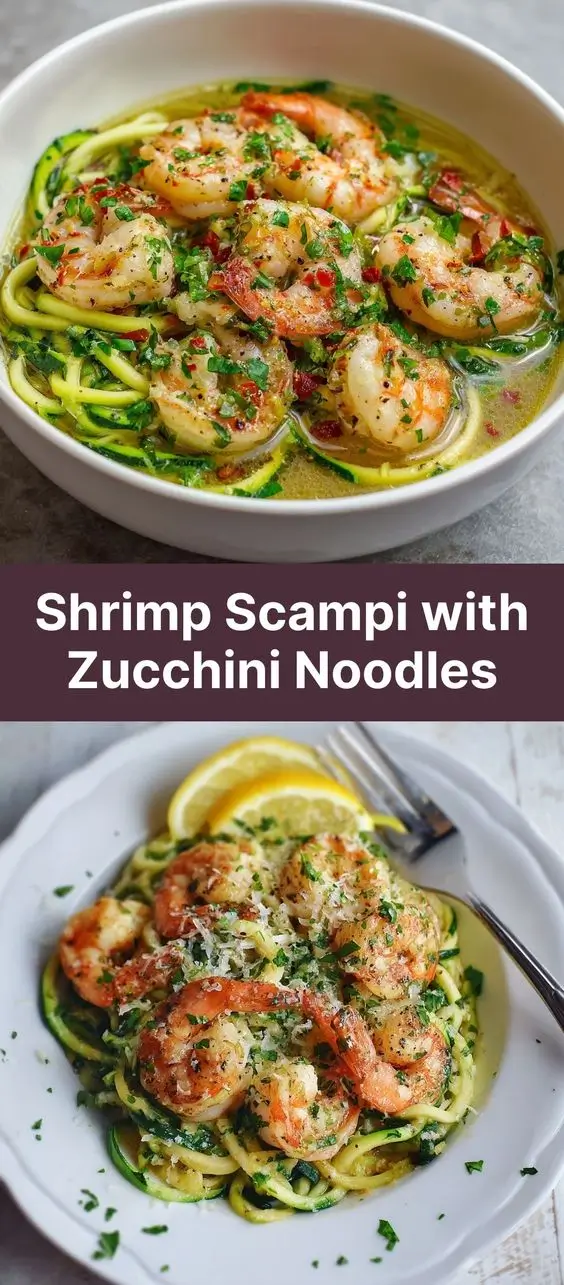
Shrimp Scampi with Zucchini Noodles is a modern, health-conscious twist on the classic Italian-American dish that has graced dinner tables for generations. This low-carb, gluten-free alternative replaces traditional spaghetti with tender spiralized zucchini, offering a lighter yet equally satisfying meal bursting with garlicky, buttery flavors and succulent shrimp. Perfect for weeknight dinners or impressing guests with an elegant yet simple dish, this recipe balances indulgence with nutrition. Whether you’re following a keto diet, watching your carb intake, or simply looking to incorporate more vegetables into your meals, Shrimp Scampi with Zucchini Noodles delivers vibrant taste without compromise. The dish combines the richness of butter and white wine with the freshness of lemon juice and herbs, creating a harmonious blend that clings beautifully to both the shrimp and the delicate zucchini strands. With preparation time under 30 minutes, it’s an ideal choice for busy home cooks who don’t want to sacrifice flavor for convenience.
The History
The origins of Shrimp Scampi trace back to Italian culinary traditions, although the term can be a bit misleading. In Italy, “scampi” refers to a type of langoustine (Nephrops norvegicus), not shrimp, and dishes labeled “scampi-style” were originally prepared using these small lobster-like crustaceans. However, when Italian immigrants brought their recipes to the United States in the early 20th century, true scampi were difficult to source, so they substituted them with more readily available shrimp—hence the birth of what Americans now know as Shrimp Scampi. The classic preparation involves sautéing the shellfish in a luxurious sauce of garlic, butter, white wine, lemon juice, and parsley, traditionally served over pasta such as linguine. Over time, the dish became a staple in Italian-American cuisine, celebrated for its bold flavors and restaurant-quality appeal achievable at home. Fast forward to today’s health-focused cooking trends, and innovative chefs began experimenting with vegetable-based noodle substitutes. Enter zucchini noodles—or “zoodles”—popularized during the low-carb and paleo movements of the 2010s. By combining the rich, savory essence of traditional Shrimp Scampi with the light, fresh texture of spiralized zucchini, this updated version honors its roots while adapting to contemporary dietary preferences. It reflects a broader culinary evolution where tradition meets innovation, proving that comfort food can also support wellness goals.
Ingredients Breakdown
To create a delicious and balanced Shrimp Scampi with Zucchini Noodles, each ingredient plays a crucial role in building layers of flavor, texture, and nutrition. Let’s take a closer look:
- Shrimp: Large or jumbo shrimp (16/20 or 21/25 count per pound) are ideal—they hold up well during cooking and offer a meaty bite. Peeled and deveined, with tails removed or left on based on preference. Fresh or thawed frozen shrimp work equally well; ensure they’re patted dry before cooking to promote proper searing.
- Zucchini: Medium-sized zucchinis are best for even noodle thickness. Choose firm, deep green ones without soft spots. One medium zucchini typically yields about 2 cups of noodles. Spiralizing just before use prevents excess moisture release.
- Butter: Unsalted butter gives control over seasoning and adds a rich, creamy base to the sauce. For added depth, some recipes use half butter, half olive oil, but full butter enhances the authentic scampi profile.
- Olive Oil: Extra virgin olive oil provides fruitiness and helps prevent the butter from burning during high-heat sautéing.
- Garlic: Freshly minced garlic is non-negotiable—it delivers the signature aromatic punch essential to scampi. Avoid pre-minced jarred versions for optimal flavor.
- White Wine: A dry white wine like Pinot Grigio, Sauvignon Blanc, or Chardonnay deglazes the pan and forms the backbone of the sauce. Its acidity cuts through the richness and lifts the entire dish. Non-alcoholic substitutes include chicken broth with a splash of white wine vinegar.
- Lemon Juice: Freshly squeezed lemon juice adds brightness and balances the fat content. Lemon zest can also be incorporated for intensified citrus aroma.
- Red Pepper Flakes: Just a pinch adds subtle heat and complexity without overwhelming the palate. Adjustable based on spice tolerance.
- Parsley: Flat-leaf (Italian) parsley contributes freshness and color. Added at the end, it preserves its vibrancy and herbal note.
- Salt and Black Pepper: Essential seasonings used throughout cooking to layer flavor appropriately—season shrimp first, then adjust final dish.
- Optional Additions: Parmesan cheese (nutritional yeast for dairy-free), capers (for briny tang), cherry tomatoes (for sweetness and pop), or spinach (for extra greens).
Step-by-Step Recipe
- Prepare the Zucchini Noodles: Wash 2–3 medium zucchinis and trim ends. Using a spiralizer, cut them into noodles. Place in a colander, sprinkle lightly with salt, and let sit for 10 minutes to draw out excess moisture. Afterward, gently press with paper towels or a clean kitchen towel to remove water—this step prevents a soggy final dish.
- Prep the Shrimp: Pat 1 pound of shrimp completely dry with paper towels. Season lightly with salt and black pepper. Mince 4–5 cloves of garlic and set aside. Chop ¼ cup of fresh parsley.
- Cook the Zucchini Noodles (Optional Pre-Cook): While some prefer raw zoodles warmed through in the sauce, others briefly sauté them. Heat 1 tsp olive oil in a large skillet over medium heat. Add zucchini noodles and cook for 1–2 minutes until just tender but still al dente. Transfer to a bowl and cover to keep warm.
- Sauté the Shrimp: In the same skillet, melt 2 tablespoons of butter with 2 tablespoons of olive oil over medium-high heat. Once hot (but not smoking), add the shrimp in a single layer. Cook for 1–2 minutes per side until pink and opaque. Remove shrimp and set aside—do not overcook at this stage.
- Build the Sauce: Reduce heat to medium. Add another tablespoon of butter if needed, then add the minced garlic and red pepper flakes. Sauté for 30–60 seconds until fragrant—be careful not to burn the garlic. Pour in ½ cup of dry white wine, scraping the bottom of the pan to release any browned bits (fond). Let simmer for 2–3 minutes until reduced by half.
- Combine Ingredients: Stir in 2 tablespoons of freshly squeezed lemon juice. Return the cooked shrimp to the pan, along with any accumulated juices. Add the prepared zucchini noodles. Toss everything together and cook for an additional 1–2 minutes to meld flavors and fully warm through.
- Finish and Serve: Remove from heat. Stir in chopped parsley and taste for seasoning—adjust salt, pepper, or lemon as needed. Optionally, grate a small amount of Parmesan cheese over the top or drizzle with a touch more olive oil for shine.
- Plate Immediately: Divide among warmed bowls and serve right away. Garnish with extra parsley, lemon wedges, and a sprinkle of red pepper flakes for presentation.
Tips
- Dry Your Zucchini: Moisture is the enemy of texture here. Salting and draining the zoodles ensures they won’t make your sauce watery.
- Don’t Overcook the Shrimp: Shrimp cook quickly and become rubbery if left too long. Remove them from the pan as soon as they turn pink and curl into a C-shape.
- Use Fresh Lemon Juice: Bottled lemon juice lacks brightness and may contain preservatives that dull the flavor.
- Control Garlic Burn: Keep the heat moderate when sautéing garlic. Burnt garlic turns bitter, ruining the sauce. If unsure, lower the heat slightly and stir constantly.
- Wine Quality Matters: Use a wine you’d drink—avoid “cooking wine,” which often contains added salt and poor flavor.
- Reserve Some Parsley: Adding half during cooking and half at the end boosts herbaceous aroma.
- Warm Serving Plates: Cold plates cool down the dish too fast. Warm them in the oven or microwave briefly before plating.
- Cook in Batches: Don’t overcrowd the pan when searing shrimp. Cook in batches if necessary to ensure even browning.
- Add Protein Last: Reintroduce shrimp only after sauce reduction to prevent overcooking.
- Serve Right Away: Zucchini noodles soften over time. This dish is best enjoyed immediately after preparation.
Variations and Customizations
This versatile recipe welcomes endless adaptations based on dietary needs, flavor preferences, or seasonal ingredients:
- Keto-Friendly Version: Already naturally low in carbs, but boost fat content by adding a pat of compound butter (garlic-herb butter) or serving with avocado slices.
- Dairy-Free Option: Replace butter with vegan butter or increase olive oil. Use nutritional yeast instead of Parmesan for umami flavor.
- Spicier Kick: Increase red pepper flakes or add a dash of cayenne or sliced fresh jalapeño with the garlic.
- Seafood Medley: Mix in scallops, lump crabmeat, or mussels for a luxurious surf-and-turf effect.
- Creamy Twist: Stir in 2–3 tablespoons of heavy cream or coconut milk for a richer, velvety sauce.
- Tomato Addition: Add halved cherry tomatoes during the last minute of cooking—they burst slightly and add sweetness.
- Herb Variations: Substitute parsley with basil for a summery flair or dill for a Mediterranean touch.
- Caper Boost: Include 1–2 tablespoons of drained capers when building the sauce for a briny, sophisticated edge.
- Gluten-Free Assurance: While naturally GF, always check labels on butter, broth (if substituting wine), and pre-cooked shrimp for hidden gluten.
- Vegetable Add-Ins: Sauté mushrooms, bell peppers, or asparagus alongside the garlic for added bulk and nutrients.
- Cold Zoodle Option: For a raw, refreshing twist, skip cooking the zoodles and toss them directly into the hot sauce—heat will wilt them slightly while preserving crunch.
- Meal Prep Adaptation: Prepare components separately: store sauce and shrimp in one container, zoodles in another (lined with paper towel). Combine and reheat gently when ready to eat.
Health Considerations and Nutritional Value
Shrimp Scampi with Zucchini Noodles stands out as a nutrient-dense, balanced meal suitable for various dietary lifestyles including keto, paleo, gluten-free, and low-carb diets. Here’s a breakdown of its health benefits and considerations:
- Low in Carbohydrates: Zucchini noodles contain approximately 3–4 grams of net carbs per cup versus 40+ grams in regular pasta. This makes the dish ideal for those managing blood sugar or pursuing weight loss.
- High-Quality Protein: Shrimp provides about 20 grams of protein per 3-ounce serving, supporting muscle repair and satiety with minimal saturated fat.
- Rich in Nutrients: Shrimp is an excellent source of selenium, vitamin B12, phosphorus, choline, and iodine—essential for thyroid function and brain health.
- Heart-Healthy Fats: Olive oil contributes monounsaturated fats linked to reduced inflammation and improved cholesterol levels. Butter, while higher in saturated fat, contains beneficial compounds like butyrate when consumed in moderation.
- Antioxidant Powerhouse: Garlic contains allicin, known for immune-boosting and cardiovascular benefits. Lemon juice offers vitamin C and flavonoids.
- Hydration and Fiber: Zucchini is over 90% water, promoting hydration, and contains fiber that supports digestive health and gut microbiome balance.
- Calorie-Conscious: A typical serving ranges between 250–350 calories depending on portion size and butter/oil usage—significantly lighter than traditional scampi over pasta.
- Considerations: Individuals with shellfish allergies must avoid shrimp entirely. Those monitoring sodium should use unsalted butter and limit added salt. People sensitive to purines (e.g., gout sufferers) may need to moderate shrimp intake due to moderate purine content. Alcohol from wine mostly evaporates during cooking (~40–85%), but strict avoidance requires substitution with broth and acid.
- Omega-3 Content: While not as high as fatty fish like salmon, shrimp do provide some omega-3 fatty acids, contributing to heart and cognitive health.
- Digestive Sensitivity: Raw or lightly cooked zucchini is generally easy to digest, but individuals prone to bloating may benefit from fully cooking the noodles or peeling zucchini beforehand.
Ingredients
- 1 pound (450g) large shrimp, peeled and deveined
- 2–3 medium zucchinis, spiralized into noodles
- 3 tablespoons unsalted butter, divided
- 3 tablespoons extra virgin olive oil, divided
- 5 cloves garlic, finely minced
- ½ cup dry white wine (e.g., Pinot Grigio)
- 2 tablespoons fresh lemon juice (about 1 lemon)
- ½ teaspoon red pepper flakes (adjust to taste)
- ¼ cup fresh parsley, chopped
- Salt and freshly ground black pepper, to taste
- Lemon zest (optional, for garnish)
- Grated Parmesan cheese or nutritional yeast (optional)
Directions
- Place spiralized zucchini noodles in a colander, sprinkle with a pinch of salt, and let drain for 10 minutes. Press gently with paper towels to remove excess moisture.
- Pat shrimp dry with paper towels and season lightly with salt and pepper.
- In a large skillet, heat 1 tablespoon olive oil over medium heat. Add zucchini noodles and sauté for 1–2 minutes until just tender. Transfer to a bowl and cover.
- Return skillet to medium-high heat. Add 1 tablespoon olive oil and 1 tablespoon butter. Once butter melts and begins to foam, add shrimp in a single layer. Cook 1–2 minutes per side until pink and opaque. Remove shrimp and set aside.
- Reduce heat to medium. Add remaining 2 tablespoons butter. Stir in garlic and red pepper flakes; sauté 30–60 seconds until fragrant.
- Pour in white wine, scraping up browned bits from the bottom of the pan. Simmer 2–3 minutes until liquid reduces by half.
- Stir in lemon juice. Return shrimp and any juices to the pan. Add zucchini noodles and toss to combine.
- Cook 1–2 minutes more to heat through. Remove from heat.
- Stir in chopped parsley. Taste and adjust seasoning with salt, pepper, or additional lemon juice.
- Serve immediately, garnished with extra parsley, lemon zest, and optional Parmesan cheese.
FAQ
Can I make Shrimp Scampi with Zucchini Noodles ahead of time?
Yes, but best results come from preparing components separately. Cook the sauce and shrimp, store in one container; keep zoodles in another lined with paper towel. Reheat sauce and shrimp gently, then toss with raw or lightly warmed zoodles just before serving.
Can I use frozen zucchini noodles?
Not recommended. Frozen zucchini releases excessive water and becomes mushy upon thawing. Always use fresh zucchini and spiralize just before cooking.
Is this recipe truly gluten-free?
Yes, provided all ingredients used are certified gluten-free. Double-check labels on butter, wine, and pre-cooked shrimp, as some brands may process with shared equipment or additives.
What can I substitute for wine?
Replace with equal parts low-sodium chicken or vegetable broth mixed with 1 teaspoon white wine vinegar or lemon juice per ½ cup broth.
How do I prevent rubbery shrimp?
Avoid overcooking. Shrimp should be removed from heat as soon as they turn uniformly pink and form a loose “C” shape. They continue to cook slightly from residual heat.
Can I bake this dish?
Baking isn’t ideal—it leads to steamed rather than sautéed textures. The stovetop method ensures proper searing and sauce development critical to authentic scampi flavor.
Why are my zucchini noodles soggy?
Excess moisture is usually the culprit. Always salt and drain zoodles before cooking, and avoid covering them after preparation. Also, don’t cook them too long—just heat through.
Can I add other vegetables?
Absolutely! Bell peppers, mushrooms, spinach, cherry tomatoes, or artichoke hearts can be sautéed with the garlic for added flavor and nutrition.
Is Shrimp Scampi healthy?
Yes, especially with zucchini noodles. It’s high in protein, low in carbs, and rich in heart-healthy fats and antioxidants. Portion control with butter and salt enhances its nutritional profile.
How long does leftover Shrimp Scampi last?
Store in an airtight container in the refrigerator for up to 2 days. Reheat gently in a skillet over low heat—microwaving may further soften zoodles.
Summary
Shrimp Scampi with Zucchini Noodles is a flavorful, healthy twist on a classic dish, combining succulent shrimp in a garlicky lemon-butter sauce with tender spiralized zucchini. Quick to prepare and adaptable to various diets, it’s a satisfying meal that brings restaurant-quality elegance to your kitchen table.