Introduction
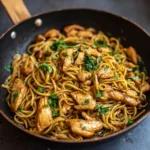
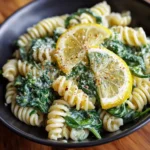
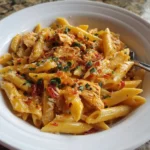
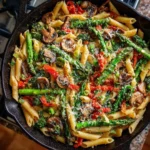
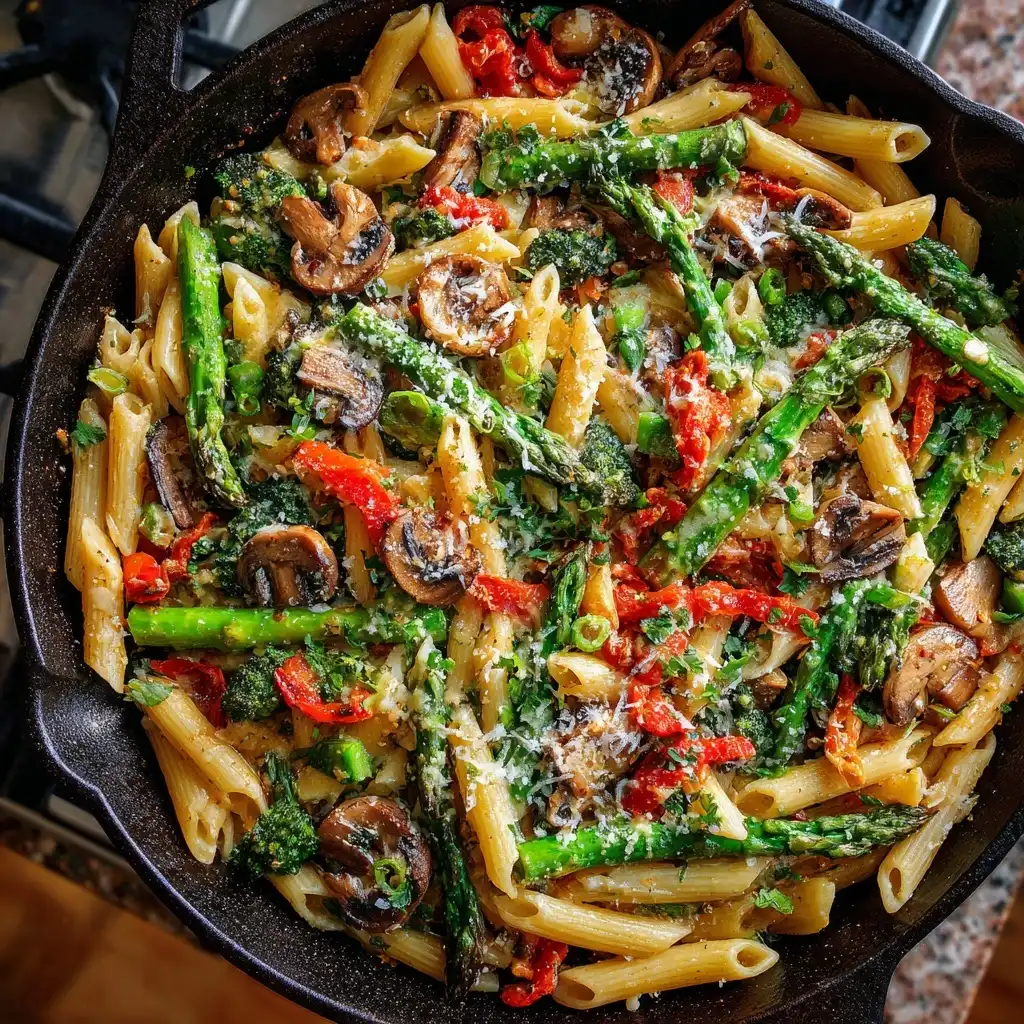
Veggie Packed Primavera Pasta is a vibrant, nutrient-dense celebration of seasonal produce wrapped in tender strands of pasta and kissed with a light, herb-infused olive oil sauce. Far more than just a side dish or weeknight shortcut, this Italian-American classic embodies the philosophy of “eating the rainbow”—delivering bold colors, layered textures, and garden-fresh flavor without relying on heavy creams, excessive cheese, or processed sauces. Whether you’re a seasoned home cook seeking a reliable go-to meal or a beginner looking for an approachable, forgiving recipe that rewards freshness and technique over complexity, Primavera Pasta invites creativity, flexibility, and joy into the kitchen. Its name—*primavera*, meaning “spring” in Italian—hints at its origins: a sun-drenched, optimistic dish designed to highlight the first tender shoots, crisp peas, sweet carrots, and aromatic herbs that herald warmer days. But don’t let the seasonality limit you: with thoughtful substitutions and smart pantry staples, this recipe shines year-round—making it a true cornerstone of mindful, flavorful, plant-forward cooking.
The History
The origins of Pasta Primavera are both deliciously debated and deeply rooted in culinary evolution. While often assumed to be an ancient Italian tradition, the dish is, in fact, a relatively modern American invention—born in the 1970s New York dining scene during a cultural shift toward lighter, vegetable-centric fare. The most widely accepted origin story credits Sirio Maccioni—the legendary restaurateur behind Le Cirque—and his chef Jean Vergnes, who created the dish in 1975 as a response to growing demand for elegant yet health-conscious options. Legend has it that Maccioni’s wife, Egidiana, requested a pasta dish bursting with spring vegetables, prompting Vergnes to toss sautéed asparagus, peas, carrots, and zucchini in a delicate emulsion of butter, cream, and Parmesan. Though early versions leaned richer (some even included cream and egg yolks), the dish quickly evolved—especially as chefs like Wolfgang Puck and food writers such as Craig Claiborne championed simplified, oil-based preparations that emphasized vegetable integrity over decadence.
By the 1980s, Pasta Primavera had become a menu staple across the U.S., appearing in everything from gourmet bistros to supermarket deli cases—and inevitably inspiring countless home cooks to experiment with their own interpretations. Its journey reflects broader food movements: the rise of California cuisine’s emphasis on local produce, the slow-food advocacy for seasonal eating, and today’s plant-forward nutrition ethos. Interestingly, while Italy doesn’t traditionally serve “Primavera” as a defined dish, the spirit aligns beautifully with *cucina povera* (peasant cooking) principles—maximizing humble, abundant ingredients with minimal waste and maximum flavor. Today’s Veggie Packed Primavera honors that legacy while embracing contemporary values: sustainability, dietary inclusivity, and nutritional intelligence—proving that history isn’t static; it’s simmering, evolving, and ready to be stirred anew with every harvest.
Ingredients Breakdown
Every ingredient in this Veggie Packed Primavera Pasta serves a distinct sensory and nutritional purpose—no filler, no afterthought. Below is a detailed, chef-level breakdown explaining *why* each component matters—not just what it is:
- Pasta (12 oz dried): We recommend bronze-die extruded spaghetti, linguine, or fusilli—textures that grip sauce and hold up to hearty vegetables. Bronze-die pasta has a rougher surface, allowing the olive oil–herb emulsion and veggie juices to cling beautifully. Whole wheat, chickpea, lentil, or brown rice pasta offer excellent gluten-free or high-fiber alternatives—just adjust cook time and reserve extra starchy water to compensate for reduced starch release.
- Olive Oil (¼ cup extra-virgin): Not just fat—it’s the aromatic backbone. Choose a medium-intensity, fruit-forward EVOO with notes of green apple, artichoke, or grass. Its polyphenols remain stable at medium sauté heat, and its flavor blooms when finished raw or gently warmed. Avoid “light” or refined olive oils—they lack complexity and antioxidants.
- Garlic (4 cloves, finely minced): Raw garlic delivers sharp pungency; lightly sautéed, it transforms into sweet, nutty depth. Mincing maximizes surface area for even cooking and prevents bitter burnt bits. For low-FODMAP needs, substitute 1 tsp garlic-infused oil (garlic removed) + ½ tsp asafoetida (hing) for savory umami.
- Fresh Herbs (½ cup total, loosely packed): A trio of basil (sweet, peppery), parsley (bright, grassy), and chives (mild oniony finish) creates a dynamic herbal symphony. Basil adds summer sweetness, parsley lends chlorophyll-rich freshness, and chives contribute subtle allium depth without overwhelming. Always add delicate herbs *off-heat* to preserve volatile oils and color.
- Asparagus (1 large bunch, ~12 oz, trimmed & cut on bias): Cutting on the diagonal increases surface area for caramelization and exposes tender interior fibers. Save the woody ends—they’re perfect for vegetable stock or blended into a green pesto base.
- Zucchini (2 medium, ~10 oz, halved lengthwise & sliced ¼” thick): Slicing lengthwise before cross-cutting yields uniform ribbons that retain bite. Salt slices lightly and let sit 5 minutes to draw out excess water—this prevents mushiness and promotes golden sear.
- Yellow Squash (1 large, ~8 oz, same prep as zucchini): Adds visual contrast and slightly sweeter, denser texture. Its beta-carotene content synergizes with olive oil’s fat for enhanced absorption.
- Cherry Tomatoes (1 pint, halved): Added *raw at the end*, they burst with juicy acidity and lycopene—a powerful antioxidant made more bioavailable when paired with healthy fats like olive oil.
- Peas (1 cup shelled fresh or frozen petite): Fresh peas offer unparalleled sweetness and crunch; frozen are flash-blanch preserved at peak ripeness—often more nutritious than off-season “fresh.” Thaw under cold water to retain texture and vibrancy.
- Carrots (2 medium, julienned or spiralized): Julienned carrots provide toothsome sweetness and brilliant orange hue. Spiralizing adds playful texture and increases surface area for quick cooking—plus, it’s fun! No peeler? Use a box grater’s large holes.
- Red Bell Pepper (1 large, thinly sliced): Roasted or raw? Here, we use raw for crisp sweetness and vitamin C retention—but feel free to roast half for smoky depth. Red peppers contain three times more vitamin C than oranges and pair perfectly with iron-rich spinach.
- Baby Spinach (3 cups, packed): Wilted *at the very end*, it contributes magnesium, folate, and iron—enhanced by the vitamin C in tomatoes and peppers. Its mild flavor disappears into the background, but its nutritional payload is anything but subtle.
- Lemon (1 large, zested + juiced): Lemon zest contains essential oils with 5–10x the flavor compounds of juice alone. The juice provides bright acidity to balance richness and activate taste receptors—making every other flavor pop. Always juice *after* zesting to avoid bitter pith.
- Grated Parmigiano-Reggiano (½ cup, freshly grated): Authentic DOP-certified Parmigiano offers glutamic acid (natural umami), calcium, and probiotic enzymes from aging. For vegan versions, use a blend of nutritional yeast, toasted walnuts, white miso, and lemon zest—or a high-quality almond-based “parm” with added calcium citrate.
- Salt & Freshly Ground Black Pepper (to taste): Kosher salt ensures even distribution; sea salt flakes make a stunning finishing touch. Freshly cracked Tellicherry black pepper adds floral, citrusy heat—not just spice—that complements herbs and vegetables without masking them.
Optional but transformative upgrades: a sprinkle of toasted pine nuts or slivered almonds for crunch and heart-healthy fats; a drizzle of high-quality balsamic glaze for complex sweetness; or a pinch of red pepper flakes for gentle warmth that enhances circulation and metabolism.
Step-by-Step Recipe
This method prioritizes timing, temperature control, and layering flavors—so your veggies stay vibrant, your pasta perfectly al dente, and your sauce luxuriously cohesive—not greasy or broken.
- Prep All Ingredients First (Mise en Place): Wash, dry, trim, slice, and measure *everything* before turning on a burner. This isn’t just organization—it’s food safety (preventing cross-contamination), efficiency (no frantic chopping mid-sauté), and flavor integrity (veggies won’t oxidize or wilt prematurely). Keep delicate herbs, tomatoes, and spinach covered in the fridge until final assembly.
- Cook Pasta with Intention: Bring 5–6 quarts of well-salted water (2 Tbsp Diamond Crystal kosher salt per gallon) to a rolling boil. Add pasta and stir immediately to prevent clumping. Cook 1–2 minutes *less* than package directions for al dente—timing varies by shape and altitude. Reserve 1½ cups of starchy cooking water *before* draining. Do *not* rinse—rinsing removes vital surface starch needed for emulsification.
- Blanch & Shock the Asparagus (Optional but Recommended): While pasta cooks, bring a small pot of salted water to boil. Add asparagus for 60–90 seconds until bright green and slightly tender-crisp. Immediately transfer to an ice bath for 1 minute. Drain thoroughly and pat *completely dry*. This preserves color, eliminates grassy bitterness, and ensures even sautéing—not steaming.
- Sauté Aromatics Gently: Heat olive oil in a wide, heavy-bottomed stainless steel or carbon steel skillet over medium-low heat (not medium-high—garlic burns fast!). Add minced garlic and a pinch of red pepper flakes (if using). Stir constantly for 30–45 seconds until fragrant but *never brown*. Garlic should remain pale gold—this unlocks sweetness without acridity.
- Build the Vegetable Medley in Stages (Key Step): Increase heat to medium. Add carrots and bell pepper first—they need the longest cook time (3–4 min). Stir frequently. Next, add zucchini and yellow squash (2–3 min)—they soften faster but benefit from slight caramelization. Then add blanched asparagus and peas (1–2 min). Finally, stir in cherry tomatoes *off-heat*—their juices will mingle with the warm vegetables without breaking down. This staged approach ensures each veggie hits its ideal texture window.
- Emulsify the Sauce: Return skillet to low heat. Add lemon zest, lemon juice, and ½ cup reserved pasta water. Whisk vigorously for 30 seconds—the starch and acid create a velvety, glossy emulsion that coats every strand. If too thick, add more hot pasta water, 1 Tbsp at a time.
- Combine Pasta & Vegetables: Add drained pasta directly to the skillet. Toss continuously with tongs for 60–90 seconds over low heat, allowing pasta to absorb sauce and finish cooking in the residual heat. The goal is *integration*, not dumping—each strand should glisten, not pool.
- Finish with Freshness & Fat: Remove from heat. Fold in baby spinach until just wilted (10–15 seconds). Sprinkle with grated Parmigiano-Reggiano, fresh herbs, and a final generous drizzle of raw, high-quality olive oil. The raw oil delivers volatile aromatics lost in cooking—and cools the dish to perfect serving temperature.
- Rest & Serve: Let rest 2 minutes—this allows starches to fully hydrate and flavors to harmonize. Taste and adjust: more lemon for brightness, salt for depth, pepper for lift. Serve immediately in warmed shallow bowls to showcase color and texture.
Tips
- Don’t Crowd the Pan: Overloading causes steaming instead of sautéing. Cook vegetables in batches if your skillet is smaller than 12 inches—better to take 2 extra minutes than sacrifice texture and flavor.
- Reserve Pasta Water Like Gold: That starchy liquid is nature’s perfect emulsifier. Never pour it down the drain. Store in a heatproof cup beside the stove—and always add it *hot*, not cold, to maintain sauce temperature and viscosity.
- Acid Is Your Ally—Add It Twice: A splash of lemon juice *during* cooking brightens the sauté; another *at the end* lifts the entire dish. Vinegars (sherry, white wine, or champagne) work beautifully too—just reduce by half to avoid harshness.
- Toast Nuts & Seeds Separately: Pine nuts, slivered almonds, or pepitas add crunch and healthy fats—but burn in seconds. Toast in a dry pan over low heat, shaking constantly, until golden and fragrant (1–2 min). Cool completely before sprinkling on top.
- Spinach Timing Is Critical: Baby spinach wilts in seconds. Adding it too early turns it slimy and dulls its nutrients. Fold in *only after* removing from heat—residual warmth is all it needs.
- Use a Carbon Steel or Stainless Skillet: Nonstick pans inhibit fond development (those delicious browned bits) and can’t handle high-heat searing. A well-seasoned carbon steel skillet gives superior browning and natural nonstick properties over time.
- Double the Herbs—Seriously: Fresh herbs lose volume when chopped and diminish further when tossed. What looks like “too much” in the bowl becomes perfectly balanced once combined. Trust the process—and your eyes.
- Make It Meal-Prep Friendly: Cook pasta separately, chill vegetables in an airtight container, and store sauce components (oil, lemon, herbs) separately. Assemble cold and serve at room temperature—or reheat gently with a splash of broth or water to refresh moisture.
- Salting Vegetables Strategically: Lightly salt watery veggies (zucchini, eggplant) 5–10 minutes before cooking to draw out moisture—then blot dry. This prevents oil splatter and promotes caramelization instead of steaming.
- Wine Pairing Tip (If Serving With Wine): Choose a crisp, unoaked white with high acidity and citrus notes—think Vermentino, Grüner Veltliner, or Sauvignon Blanc. The wine’s acidity mirrors the lemon, while its minerality complements the olive oil and herbs.
Variations and Customizations
This recipe is intentionally modular—designed to adapt to your pantry, preferences, seasons, and dietary needs. Here’s how to make it truly yours:
Dietary Adaptations
- Gluten-Free: Use certified GF pasta (brown rice, quinoa, or lentil blends). Cook separately and rinse *lightly* to remove excess starch that can cause gumminess—then toss immediately with 1 tsp olive oil to prevent sticking.
- Vegan: Skip cheese entirely or use a cultured cashew “parm” (blended cashews + lemon + nutritional yeast + garlic powder + miso). Boost umami with 1 tsp white miso paste whisked into the sauce or 2 Tbsp sun-dried tomato paste.
- Low-Carb/Keto: Replace pasta with spiralized zucchini (“zoodles”), shirataki noodles, or konjac rice. Sauté zoodles *very briefly* (30 seconds) to retain crunch—overcooking releases water and creates mush.
- Low-FODMAP: Omit garlic and onion. Use garlic-infused oil + ½ tsp asafoetida (hing) for savory depth. Swap peas for green beans (1 cup, trimmed & cut), and choose firm, ripe cherry tomatoes (limit to 5–6 per serving).
- Nut-Free: Replace pine nuts with toasted sunflower or pumpkin seeds—or omit entirely. The dish remains deeply satisfying without added crunch.
Seasonal Swaps
- Spring: Add fava beans, ramps, pea shoots, or fresh mint. Substitute asparagus with tender green beans or baby artichokes.
- Summer: Incorporate corn kernels (cut fresh off the cob), heirloom tomatoes, basil blossoms, or grilled eggplant ribbons.
- Fall: Swap in roasted delicata squash, sautéed kale, caramelized shallots, or pomegranate arils for jewel-toned tartness.
- Winter: Use roasted Brussels sprouts, shredded cabbage, diced roasted sweet potato, or braised leeks. A splash of apple cider vinegar adds welcome brightness.
Protein Power-Ups (Optional Add-Ins)
- Plant-Based: 1 cup cooked chickpeas, marinated tofu cubes, tempeh crumbles, or hemp hearts (3 Tbsp)—add during final toss.
- Pescatarian: 1 cup flaked grilled salmon, seared shrimp, or smoked trout—fold in gently at the end to preserve tenderness.
- Poultry: 1 cup shredded rotisserie chicken or lemon-herb grilled chicken breast—warm briefly in the skillet before adding pasta.
- Egg-Based: Top with a soft-poached or jammy-yolked fried egg—the yolk becomes a rich, velvety sauce when broken.
Global Flavor Twists
- Mediterranean: Add kalamata olives, capers, and oregano. Finish with crumbled feta and a dusting of sumac.
- Asian-Inspired: Swap lemon for yuzu or rice vinegar; use tamari instead of salt; garnish with scallions, toasted sesame oil, and nori strips.
- Mexican-Inspired: Add black beans, charred corn, avocado slices, lime juice, and cilantro. Top with crumbled cotija and pickled red onions.
- Indian-Inspired: Sauté mustard seeds and cumin in oil first; add turmeric and ginger; finish with mango chutney swirl and fresh mint.
Health Considerations and Nutritional Value
This Veggie Packed Primavera Pasta isn’t just delicious—it’s a meticulously balanced, science-backed nutritional powerhouse designed to support long-term vitality. Each component was selected for synergistic phytonutrient profiles, bioavailability enhancement, and metabolic harmony:
Macronutrient Profile (Per Serving, Approx. 1⅔ cups cooked):
- Calories: ~485 kcal (moderately energy-dense, ideal for active individuals or balanced meals)
- Complex Carbohydrates: ~62 g (primarily from whole-grain or legume pasta + fiber-rich vegetables—providing sustained glucose release and gut microbiome fuel)
- Plant-Based Protein: ~18 g (pasta + peas + spinach + optional additions—complete amino acid profile when combined with legumes or seeds)
- Heart-Healthy Fats: ~17 g (predominantly monounsaturated from EVOO + omega-3s from walnuts or flax if added—supports HDL cholesterol and arterial elasticity)
Vitamin & Mineral Highlights:
- Vitamin A (as beta-carotene): From carrots, red peppers, and spinach—supports vision, immune function, and skin integrity. Enhanced 300% by olive oil’s fat content.
- Vitamin C: Abundant in bell peppers, tomatoes, lemon, and parsley—boosts iron absorption from spinach, regenerates vitamin E, and strengthens collagen synthesis.
- Folate (B9): High in spinach, asparagus, and peas—critical for DNA repair, red blood cell formation, and prenatal health.
- Potassium: From zucchini, tomatoes, and spinach—counterbalances sodium, supports nerve transmission, and regulates blood pressure.
- Magnesium: In spinach, peas, and whole-grain pasta—essential for over 300 enzymatic reactions, including muscle relaxation and stress response modulation.
- Calcium & Vitamin K: From spinach and Parmigiano—work synergistically for bone mineralization and vascular health.
Phytonutrient Powerhouse:
- Lycopene (tomatoes): A potent antioxidant linked to reduced risk of prostate cancer and cardiovascular disease—bioavailability increases 2–4x when cooked *with oil* (which we do via emulsified sauce).
- Lutein & Zeaxanthin (spinach, zucchini, peppers): Protect retinal tissue from blue light damage and age-related macular degeneration.
- Quercetin (onions, apples, capers—if used): A flavonoid with anti-inflammatory, antihistamine, and antiviral properties—stabilized by vitamin C in the dish.
- Oleocanthal (EVOO): A natural compound with NSAID-like anti-inflammatory effects—preserved by low-heat cooking and raw finishing oil.
Digestive & Microbiome Benefits:
- Prebiotic Fiber: Inulin from asparagus and resistant starch from cooled pasta (if served chilled) feeds beneficial Bifidobacteria.
- Enzyme Support: Raw lemon juice and parsley contain enzymes that aid protein digestion and reduce post-meal bloating.
- Low Glycemic Impact: When made with whole-grain or legume pasta and paired with healthy fats/fiber, this dish maintains steady blood sugar—ideal for insulin sensitivity and sustained energy.
Who Benefits Most?
- Active Individuals: Balanced macros support endurance, recovery, and muscle synthesis.
- Aging Adults: Lutein, potassium, magnesium, and anti-inflammatories promote cognitive, ocular, and cardiovascular longevity.
- Those Managing Inflammation: Zero added sugars, no processed oils, and high polyphenol density make this inherently anti-inflammatory.
- Pregnant/Nursing People: Rich in folate, iron (enhanced by vitamin C), calcium, and choline (from eggs, if added).
- Kids & Picky Eaters: Bright colors, varied textures, and naturally sweet vegetables encourage adventurous eating—without hiding or disguising.
Note: Always consult a registered dietitian or healthcare provider for personalized nutrition guidance—especially with diagnosed conditions like IBS, diabetes, or renal disease.
Ingredients
- 12 oz bronze-die spaghetti, linguine, or fusilli (whole wheat, chickpea, or gluten-free as preferred)
- ¼ cup extra-virgin olive oil (plus 1 tbsp for finishing), plus more for drizzling
- 4 garlic cloves, finely minced
- ½ cup fresh basil leaves, roughly chopped
- ¼ cup fresh flat-leaf parsley, finely chopped
- 2 Tbsp fresh chives, snipped
- 1 large bunch asparagus (about 12 oz), woody ends trimmed, cut on bias into 1½-inch pieces
- 2 medium zucchini (about 10 oz), halved lengthwise and sliced ¼-inch thick
- 1 large yellow squash (about 8 oz), prepared like zucchini
- 1 pint cherry tomatoes, halved
- 1 cup fresh or frozen petite peas, thawed
- 2 medium carrots, julienned or spiralized
- 1 large red bell pepper, thinly sliced
- 3 cups baby spinach, packed
- Zest and juice of 1 large lemon (about 1½ tsp zest, 3 Tbsp juice)
- ½ cup freshly grated Parmigiano-Reggiano (or vegan alternative)
- 1½ tsp Diamond Crystal kosher salt (or 1 tsp fine sea salt), plus more to taste
- Freshly ground black pepper, to taste
- Optional: ¼ cup toasted pine nuts or slivered almonds; pinch of red pepper flakes; high-quality balsamic glaze for drizzling
Directions
- Bring a large pot of water to a rolling boil. Add 2 Tbsp kosher salt. Cook pasta according to package instructions, reducing time by 1–2 minutes for al dente. Reserve 1½ cups starchy pasta water, then drain pasta—do not rinse.
- While pasta cooks, prepare vegetables: Trim asparagus and cut on bias. Halve zucchini and yellow squash lengthwise, then slice ¼-inch thick. Julienne carrots. Thinly slice red pepper. Halve cherry tomatoes. Thaw peas if frozen. Wash and dry spinach. Mince garlic. Chop herbs.
- (Optional but recommended) Blanch asparagus: Bring 2 cups salted water to boil. Add asparagus; cook 60–90 seconds until bright green. Transfer immediately to ice water for 1 minute. Drain and pat *very* dry.
- In a wide, heavy-bottomed skillet (12–14 inches), heat olive oil over medium-low heat. Add garlic and red pepper flakes (if using); stir constantly 30–45 seconds until fragrant but not browned.
- Increase heat to medium. Add carrots and