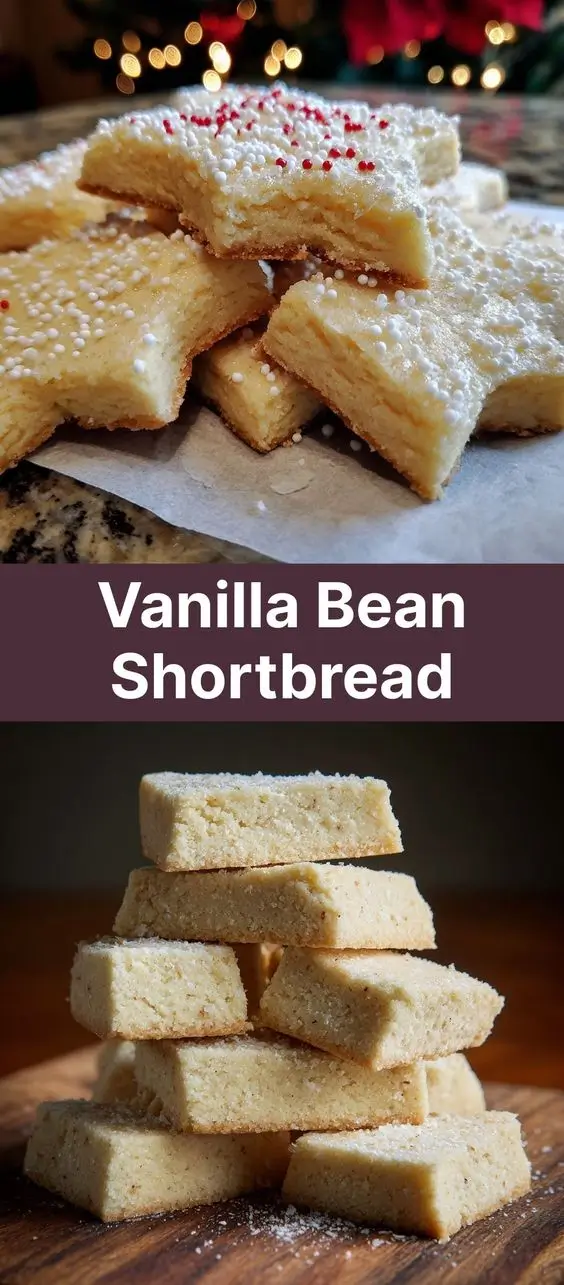
Vanilla Bean Shortbread: A Timeless Classic of Buttery Elegance
There’s something undeniably enchanting about the simplicity and elegance of a perfectly crafted Vanilla Bean Shortbread. With its crumbly texture, rich buttery flavor, and delicate flecks of real vanilla bean, this cookie transcends time and trends. Whether served at afternoon tea, gifted in a decorative tin, or enjoyed with a glass of cold milk, Vanilla Bean Shortbread is more than just a treat—it’s an experience rooted in centuries of culinary tradition. In this comprehensive guide, we’ll explore every aspect of this beloved confection: its storied history, a meticulous breakdown of ingredients, a detailed step-by-step recipe, expert tips, creative variations, nutritional insights, frequently asked questions, and much more. By the end, you’ll be equipped to bake shortbread that not only delights the palate but also honors its noble heritage.
The History of Shortbread
Shortbread’s origins trace back to medieval Scotland, where it began as “biscuit bread”—a twice-baked version of leftover bread dough enriched with butter. As baking techniques evolved, bakers began using finer wheat flour and increasing the proportion of butter, which gave rise to the tender, crumbly texture we now associate with shortbread. The term “short” refers to the high fat content, which inhibits gluten development and creates a melt-in-your-mouth consistency.
By the 16th century, shortbread had become a luxury item due to the expense of butter. It was often reserved for special occasions such as holidays, weddings, and christenings. Mary, Queen of Scots, was particularly fond of a version shaped like a petticoat tail (a corruption of the French “petite courte,” meaning “short crust”), which was rolled into a circle and cut into wedges resembling a woman’s skirt.
The modern shortbread gained further popularity in the 19th century when biscuit makers like Walkers of Aberluthnot began mass-producing it, making it accessible beyond the aristocracy. Today, shortbread remains a symbol of Scottish culinary pride and has been embraced worldwide—with bakers adding their own twists while preserving its essential character. The addition of vanilla bean, though not traditional in early recipes, has elevated the classic shortbread into a sophisticated dessert that highlights natural flavor and artisanal quality.
Ingredients Breakdown: Why Each Component Matters
The magic of Vanilla Bean Shortbread lies in its minimalism—few ingredients, each playing a pivotal role in texture, flavor, and structure. Let’s examine them in detail:
- Unsalted Butter (High Fat Content, European-Style Preferred): The star of the show. Butter should be of the highest quality—ideally with a butterfat content of 82–86% (common in European-style butters like Plugra or Kerrygold). This ensures richness and a tender crumb. Unsalted butter allows precise control over salt levels. It must be softened to cool room temperature—not melted—for proper creaming.
- Granulated Sugar: Provides sweetness and assists in creating a slight crispness on the surface during baking. While some recipes use caster sugar for faster dissolution, granulated works well if creamed thoroughly.
- Pure Vanilla Bean (1 whole pod) or Paste: Far superior to extract, a fresh vanilla bean imparts floral, creamy, and slightly earthy notes. The tiny black seeds add visual elegance and bursts of flavor throughout the dough. Scraping the pod ensures no precious specks are wasted.
- All-Purpose Flour (Low Protein, Bleached or Unbleached): Provides structure without toughness. Low-protein flour (around 9–10% protein) prevents excessive gluten formation, which could make the cookies chewy instead of short and sandy. Sifting ensures even distribution and removes lumps.
- Sea Salt or Fine Table Salt: Enhances all other flavors and balances the sweetness. Use flaky sea salt for finishing or fine salt for mixing into the dough.
- Cornstarch (Optional but Recommended): Often added in small amounts (1–2 tablespoons), cornstarch increases tenderness by further inhibiting gluten development. It contributes to a silkier mouthfeel.
Notably absent are leavening agents (baking powder/soda) and liquids (milk, egg). These omissions preserve the dense, crumbly texture unique to true shortbread.
Step-by-Step Recipe: Crafting Perfect Vanilla Bean Shortbread
Ingredients
- 1 cup (2 sticks / 226g) unsalted European-style butter, softened to cool room temperature
- 1/2 cup (100g) granulated sugar
- 1 large vanilla bean, split lengthwise and seeds scraped (or 2 teaspoons pure vanilla bean paste)
- 2 1/4 cups (270g) all-purpose flour, plus extra for dusting
- 1–2 tablespoons cornstarch (optional, for enhanced tenderness)
- 1/4 teaspoon fine sea salt
- Extra sugar or demerara sugar for sprinkling (optional)
Directions
- Prepare the Butter and Sugar Mixture: In a large mixing bowl, using a hand mixer or stand mixer fitted with the paddle attachment, beat the softened butter on medium speed until smooth and creamy (about 1 minute). Add the granulated sugar and continue beating for 3–4 minutes until light and fluffy. Scrape down the sides of the bowl as needed.
- Incorporate the Vanilla: Open the vanilla bean pod and scrape out the seeds using the back of a knife. Add both the seeds and the empty pod to the butter-sugar mixture. Mix on low for 30 seconds to distribute evenly, then remove the pod. Alternatively, mix in vanilla bean paste directly.
- Combine Dry Ingredients: In a separate bowl, whisk together the flour, cornstarch (if using), and salt. Sift if necessary to eliminate lumps.
- Incorporate Flour Gradually: With the mixer on low speed, slowly add the dry ingredients to the butter mixture in three additions. Mix just until the dough begins to come together—do not overmix. Overworking develops gluten, leading to tough cookies.
- Shape the Dough: Turn the dough out onto a lightly floured surface. Gently gather and press into a disc about 1 inch thick. Wrap tightly in plastic wrap and refrigerate for at least 2 hours (or up to 48 hours). Chilling firms the butter, preventing spreading during baking.
- Preheat and Prepare Baking Sheets: Preheat oven to 325°F (165°C). Line two baking sheets with parchment paper or silicone baking mats.
- Roll and Cut: On a floured surface, roll the chilled dough to 1/4 to 1/3 inch thickness. Use a sharp knife, fluted pastry wheel, or cookie cutter to shape into rounds, squares, fingers, or petticoat tails. For petticoat tails: roll into a 9-inch circle, score into 8 wedges, prick each wedge with a fork, and optionally sprinkle with coarse sugar.
- Chill Again (Optional but Recommended): Transfer cut shapes to prepared baking sheets, leaving 1 inch between each. Refrigerate for 15–20 minutes before baking to re-firm the butter.
- Bake Until Golden: Bake for 18–22 minutes, rotating pans halfway through, until edges are pale golden but centers remain soft. Do not overbake—the cookies will firm up as they cool.
- Cool Completely: Allow cookies to cool on the baking sheet for 10 minutes, then transfer to a wire rack to cool completely. They will crisp slightly as they cool.
- Serve or Store: Once cooled, serve as-is or dust lightly with powdered sugar. Store in an airtight container at room temperature for up to 2 weeks.
Tips for Success: Mastering the Art of Shortbread
- Butter Temperature is Crucial: Too soft, and the dough will spread; too cold, and it won’t cream properly. Aim for butter that yields slightly when pressed but holds its shape.
- Don’t Skip the Chill: Refrigerating the dough prevents melting in the oven, ensuring clean cuts and defined shapes.
- Use Real Vanilla Bean: Extract lacks the depth and visual appeal of real beans. One pod can be reused—rinse, dry, and bury it in a jar of sugar to make vanilla sugar.
- Roll Between Parchment: To avoid excess flour, roll the dough between two sheets of parchment paper. This prevents sticking without drying out the dough.
- Prick Before Baking: Docking the dough with a fork allows steam to escape and prevents puffing.
- Bake Low and Slow: A moderate oven preserves the pale golden hue and avoids browning, which can overpower the delicate flavor.
- Cool on the Pan: Letting the cookies rest on the baking sheet sets their structure. Rushing this step may cause breakage.
- Freeze for Later: Unbaked dough discs or cut shapes can be frozen for up to 3 months. Bake straight from frozen, adding 2–3 minutes to the baking time.
Variations and Customizations
While classic Vanilla Bean Shortbread is divine on its own, subtle modifications can transform it for different seasons, themes, or palates:
- Lavender Shortbread: Add 1 teaspoon culinary lavender buds (crushed) to the dry ingredients for a floral twist. Pairs beautifully with Earl Grey tea.
- Lemon-Zested Shortbread: Add 1 tablespoon finely grated lemon zest along with the vanilla for a bright, citrusy note.
- Chocolate-Dipped Vanilla Shortbread: Once cooled, dip half of each cookie in tempered dark, milk, or white chocolate. Sprinkle with sea salt or crushed pistachios.
- Almond Shortbread: Replace 1/4 cup of flour with finely ground almond meal for a nutty richness and softer texture.
- Filled Shortbread Sandwiches: Spread cooled cookies with raspberry jam, lemon curd, or vanilla buttercream and sandwich together.
- Spiced Shortbread: Add 1/2 teaspoon ground cinnamon, cardamom, or ginger for a warm, aromatic profile—perfect for winter holidays.
- Savory Herb Shortbread: Omit sugar and vanilla, add 1 tablespoon chopped rosemary or thyme, and increase salt slightly. Serve with cheese platters.
- Gluten-Free Vanilla Shortbread: Substitute all-purpose flour with a high-quality gluten-free blend (with xanthan gum). Add 1 extra tablespoon of cornstarch for tenderness.
Health Considerations and Nutritional Value
Vanilla Bean Shortbread is a rich dessert best enjoyed in moderation. Here’s a nutritional snapshot per serving (1 cookie, approximately 25g):
- Calories: ~120–140 kcal
- Total Fat: 8–9g (mostly saturated from butter)
- Carbohydrates: 12–14g
- Sugars: 5–6g
- Protein: 1–2g
- Sodium: 50–75mg
Dietary Notes:
- Gluten: Contains wheat. Gluten-free versions require substitution.
- Dairy: High in butter. Vegan alternatives exist using plant-based butter (though texture and flavor differ).
- Sugar Content: Moderate. Natural sweeteners like coconut sugar can be used, but may alter color and taste.
- Low-Protein, High-Fat: Not ideal for high-protein diets. Best paired with fruit or tea to balance the meal.
While not a health food, shortbread made with real ingredients avoids artificial preservatives, colors, and hydrogenated fats. When shared mindfully, it becomes part of a joyful, balanced lifestyle.
Frequently Asked Questions (FAQ)
Q: Why is my shortbread too crumbly?
A: Some crumbliness is normal! True shortbread should “short” or break apart gently. If it’s falling apart excessively, the dough may have been overmixed or too little moisture was present. Try adding 1 teaspoon of ice water if the dough won’t hold together.
Q: Can I use salted butter?
A: Yes, but reduce or omit added salt to avoid oversalting. Unsalted butter gives better control over flavor.
Q: How do I store shortbread?
A: Keep in an airtight container at room temperature for up to 2 weeks. Freeze baked cookies for up to 3 months—layer with parchment paper.
Q: Can I double the recipe?
A: Absolutely. Just ensure your mixer can handle the volume. Chill dough in two discs for easier handling.
Q: Why didn’t my cookies brown?
A: Shortbread shouldn’t brown. Its beauty lies in its pale, golden edges. Browning indicates too high a temperature or overbaking.
Q: Can I make shortbread without a mixer?
A: Yes. Use a wooden spoon and your hands. Cut cold butter into flour first, then work in sugar and vanilla until it forms a dough. Chill thoroughly.
Q: What’s the difference between shortbread and sugar cookies?
A: Shortbread has no leavening, less sugar, and more butter. It’s denser, crumblier, and richer. Sugar cookies are lighter, often flavored with extract, and can be decorated with icing.
Summary
Vanilla Bean Shortbread is a luxurious expression of simplicity—crafted with butter, flour, sugar, and the fragrant seeds of real vanilla beans, it delivers a delicate, melt-in-the-mouth experience cherished across generations.
With its roots in Scottish tradition and endless possibilities for customization, this timeless cookie remains a symbol of elegance, patience, and the joy found in humble ingredients perfectly prepared.